House Panel to Probe Covert Foreign Influence Networks as Activist Group Disrupts Washington Forum on Cuban National Security

WASHINGTON — A high-profile panel discussion regarding national security threats posed by communist-run Cuba was abruptly disrupted last Tuesday at the Institute of World Politics, located just blocks from the White House. The incident has catalyzed broader legislative scrutiny in Washington over alleged foreign malign influence operations inside the United States, spotlighting transnational funding networks, left-wing political agitation groups, and high-profile social media influencers.
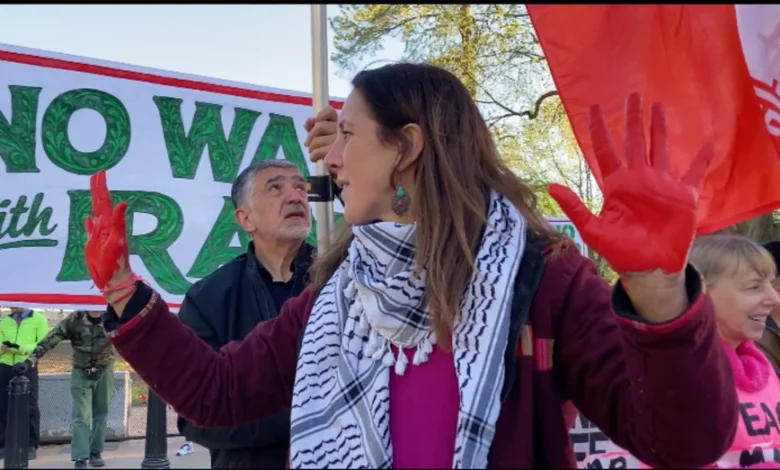
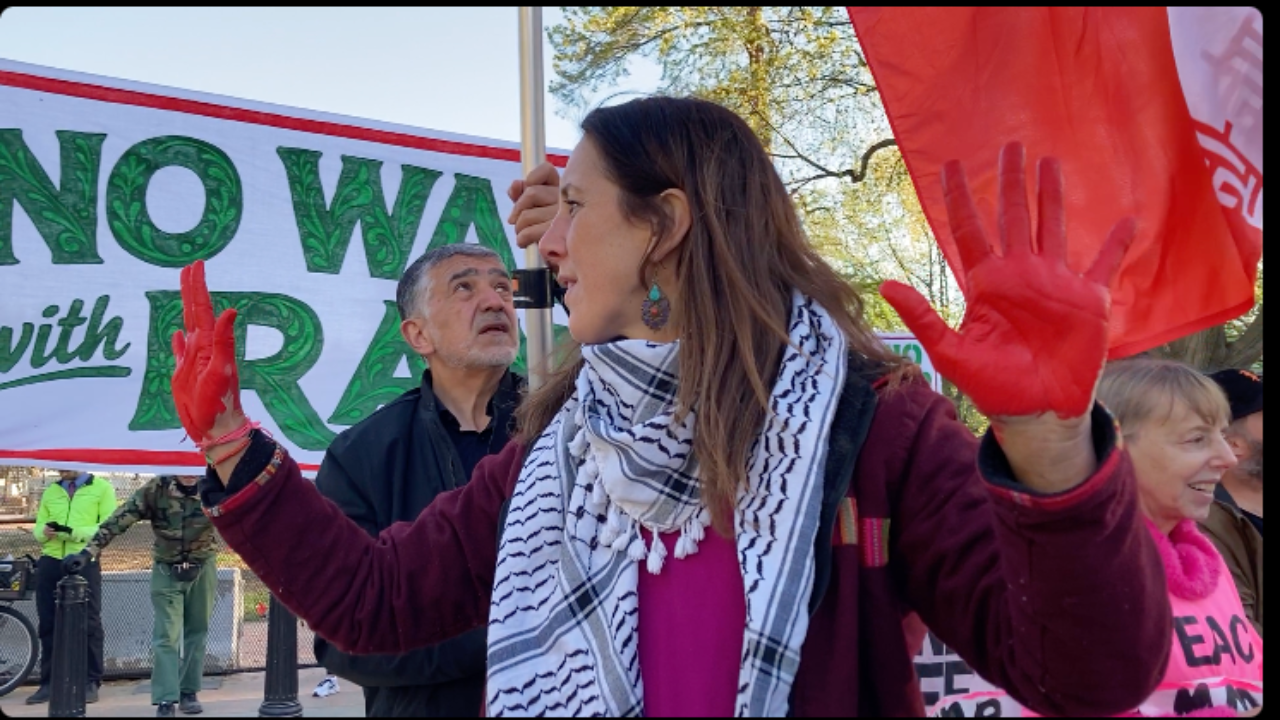
The confrontation at the corner of Church Street and 16th Street NW unfolded as Christine Balling, a former advisor to U.S. Special Operations Command South, addressed an audience alongside Michael Gonzalez, a senior fellow at the Heritage Foundation. Midway through the proceedings, Olivia DiNucci—a political organizer and former collegiate basketball standout associated with the left-wing agitation group CodePink—stood up, brandished a hand-painted banner, and interrupted the event.
Shouting slogans such as "Sanctions kill in Cuba" and asserting that "global solidarity with Gaza and Cuba and ICE here" is rooted in neighborhood liberation, DiNucci was quickly escorted from the premises by security personnel. The disruption, executed precisely to secure rapid social media distribution, underscores an escalating tension in the nation’s capital over the intersection of domestic political protest and foreign geopolitical alignment.
Chronology of the Disruption and Immediate Digital Amplification
The timing and digital choreography of the disruption highlight the calculated nature of modern political theater. At approximately 5:00 p.m. last Tuesday, Balling and Gonzalez took the stage to analyze the geopolitical posture of the Cuban regime and its domestic and international implications.
By 5:15 p.m., DiNucci’s outburst temporarily halted the proceedings. Security removed her through a side exit within minutes. Less than an hour after the event concluded at 6:00 p.m., CodePink disseminated a professionally curated, 95-second video of the incident across multiple digital platforms, including X (formerly Twitter), YouTube, and Instagram. By the end of the evening, the organization had issued a formal press release featuring DiNucci as the designated media contact and offering unbranded video footage to journalists.
Panelists noted that the quick-turnaround media package demonstrates that the intervention was engineered primarily for digital consumption and narrative amplification rather than genuine debate.
"Their method of operation is to disrupt, of course, to get the soundbites on Twitter or Instagram or what have you, but they are not ever interested in a respectful dialogue," Balling remarked in a subsequent interview. She added that she had been moments away from discussing CodePink and the Democratic Socialists of America (DSA) as prominent components of the National Network on Cuba, an organization that supports the Castro regime.

Congressional Inquiries and the ‘Trojan Horse’ Narrative
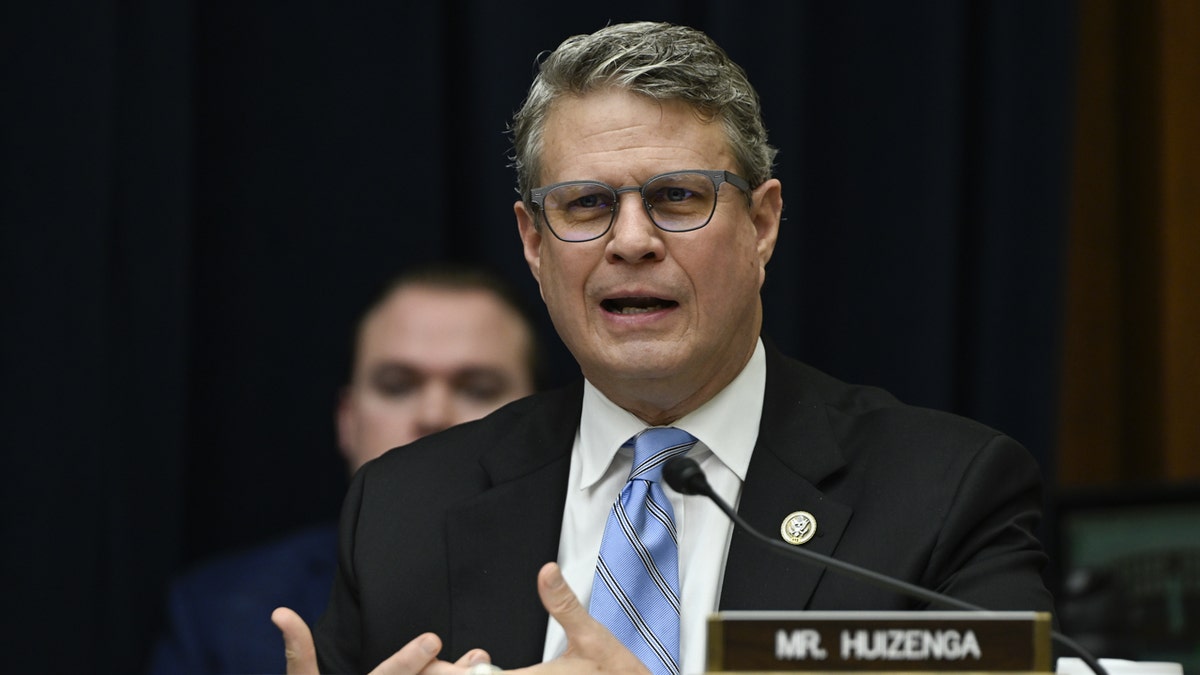
The incident occurred on the eve of a congressional hearing convened by the House Foreign Affairs Subcommittee on Central and Central Asia, titled "Trojan Horses: Covert Foreign Malign Influence Operations in America." Chaired by Rep. Bill Huizenga, R-Mich., the hearing investigates how domestic American nonprofits, activist organizations, media platforms, and digital influencers may be utilized to advance the strategic objectives of adversarial foreign states, including China, Cuba, and Iran.
"Adversarial nations like China, Russia, and Cuba conduct malign influence operations here in the United States by utilizing social media influencers such as Hasan Piker as proxies to promote communism and push their false propaganda," Rep. Huizenga stated. "My goal is to raise the curtain to expose these operations and stop them from undermining our national security, capitalism, and the American Dream."
Lawmakers and national security experts are increasingly focusing on the phenomenon of the "red-green alliance," wherein domestic socialist and communist entities (symbolized by red) coordinate ideologically and logistically with anti-Israel and Islamist organizations (symbolized by green). Critics argue these coalitions act as domestic proxies for foreign governments, obfuscating the origin of foreign propaganda behind the veneer of domestic civil rights and anti-war activism.
Transnational Financial Networks Under Scrutiny
Central to the ongoing legislative investigations are extensive financial disclosures tracing millions of dollars in cross-border transactions linked to domestic advocacy groups. Investigative reports published earlier this year documented 223 transactions totaling $591 million across five continents between 2017 and 2025, mapping a vast network comprising an estimated 2,000 organizations.
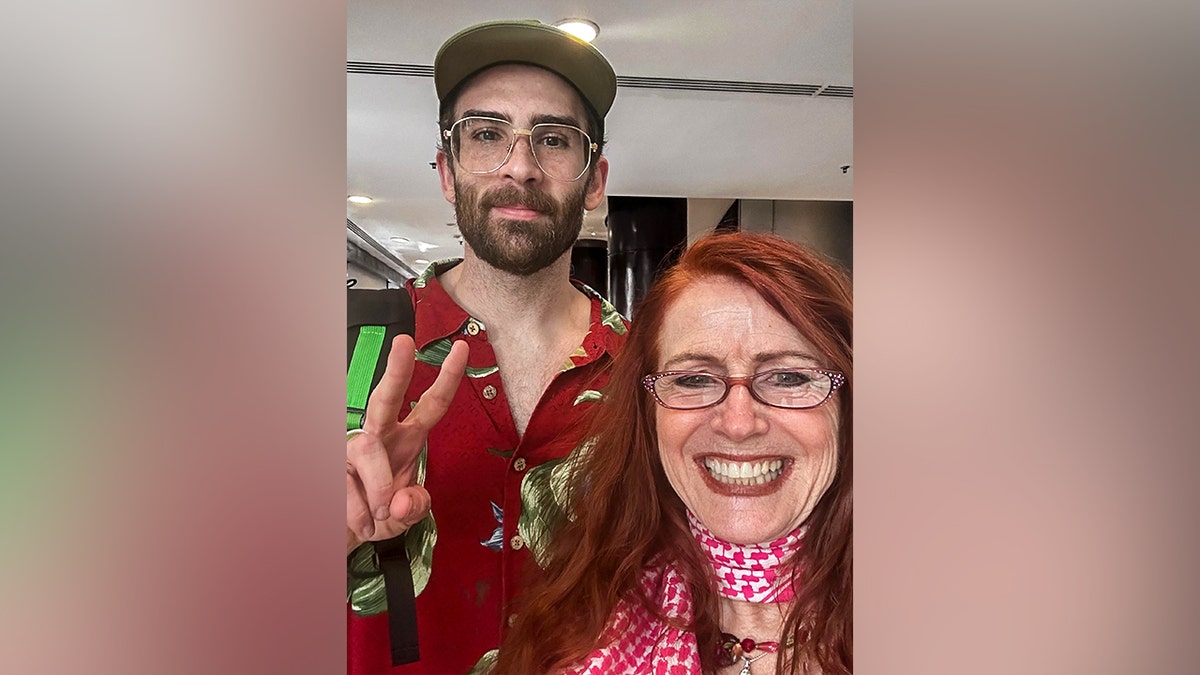
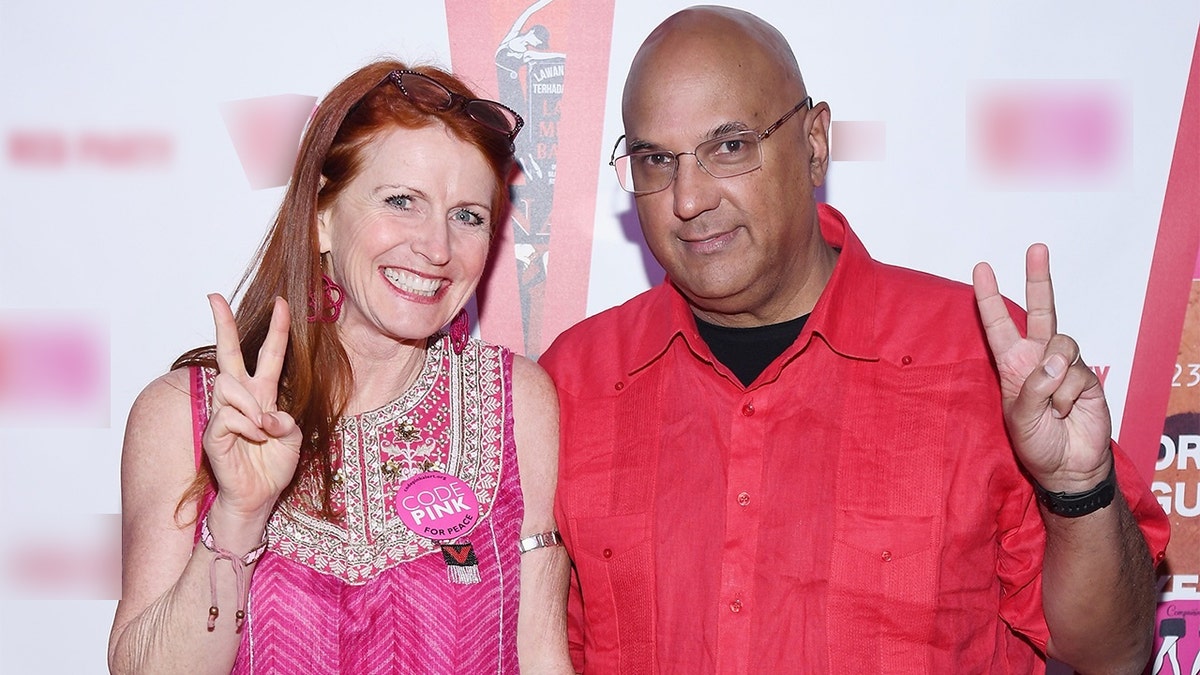
Much of the financial architecture centers on Neville Roy Singham, an American-born technology tycoon who resides in Shanghai and has openly expressed support for the Chinese Communist Party and its leadership. In 2017, Singham married Jodie Evans, co-founder of CodePink, during a ceremony in Jamaica attended by prominent figures within the pro-communist political circuit.
Financial tracking revealed that approximately $278 million flowed from Singham into six foundational nonprofit entities in the United States between 2017 and recent years. These organizations include:
- BreakThrough BT Media Inc.
- CodePink Women for Peace, Justice and Education Fund Inc.
- People’s Forum Inc.
- People’s Support Foundation Ltd.
- Tricontinental Ltd.
According to financial records, these primary recipients subsequently redistributed roughly $163 million to 52 secondary organizations and various geographic regions. An additional layer of eleven groups distributed approximately $150 million further down the chain, including millions directed to initiatives in Sub-Saharan Africa and Latin America.
Executives and representatives of these organizations have consistently denied any wrongdoing, characterizing the congressional inquiries and investigative reporting as politically motivated "witch hunts" designed to suppress dissent against U.S. foreign policy. Singham has not responded to repeated requests for comment from media outlets.
The Role of Digital Influencers and Foreign Delegations
The scope of the House panel’s inquiry extends beyond traditional nonprofits to encompass prominent digital personalities and social media commentators. Earlier this year, Twitch streamer Hasan Piker joined a CodePink-led delegation to Havana, Cuba, where he posed for photographs with co-founder Jodie Evans. Piker’s participation has drawn scrutiny from federal oversight bodies, including the Department of the Treasury, which is investigating whether delegations to Cuba violated statutory restrictions prohibiting Americans from engaging in unauthorized commerce or financial transactions with the island’s communist government.
Critics contend that leveraging high-profile digital influencers with massive youth audiences allows foreign governments to bypass traditional media filters and disseminate favorable narratives directly to American citizens. National security analysts argue that these influencers often normalize authoritarian governance models under the guise of alternative journalism or progressive internationalism.
Broader Implications for U.S. National Security
The convergence of domestic political protests, sophisticated digital media strategies, and transnational financial backing presents a novel challenge for American counterintelligence and national security policymakers. Traditional oversight frameworks were largely designed to monitor overt foreign agents registered under the Foreign Agents Registration Act (FARA). However, contemporary influence operations frequently rely on independent American citizens, decentralized nonprofit networks, and digital creators who operate autonomously from direct foreign payrolls while aligning ideologically with adversarial states.
Panelists and security experts maintain that organizations like CodePink serve as force multipliers for foreign adversaries by eroding public trust in democratic institutions, democratic capitalism, and the rule of law.
"They’re really interested in dividing America and, in doing so, weakening it," Balling observed, emphasizing that such groups attempt to convince domestic audiences that American democratic principles are illegitimate and that geopolitical adversaries are, in fact, victims of Western imperialism.
As the House Foreign Affairs subcommittee continues its hearings, lawmakers are expected to evaluate potential legislative reforms aimed at increasing financial transparency for domestic nonprofits, tightening enforcement of sanctions against adversarial regimes, and clarifying the legal thresholds governing covert foreign influence within the United States.