I Play Rocky Premiere at Toronto International Film Festival Chronicles Sylvester Stallone and the Making of the 1976 Cinematic Masterpiece

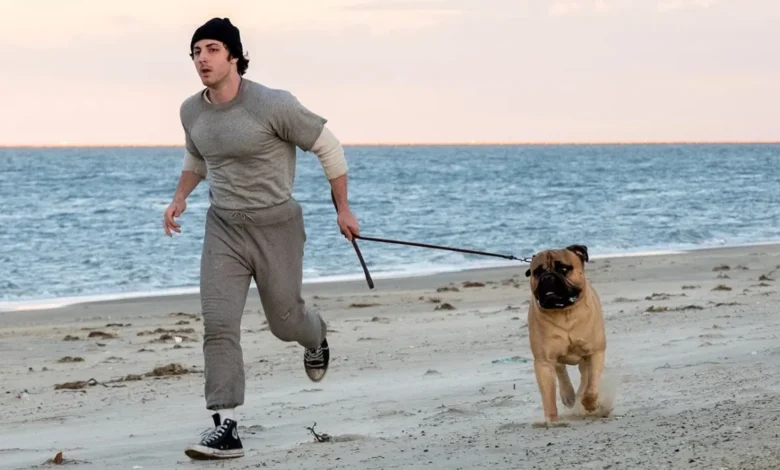
The cinematic journey of how a broke, unknown actor turned down life-changing sums of money to star in his own self-penned underdog screenplay has officially been brought to the screen. Directed by Academy Award winner Peter Farrelly, I Play Rocky made its highly anticipated debut as a Special Presentation at the Toronto International Film Festival. Distributed by Amazon MGM Studios and scheduled for a theatrical release on November 6, 2026, the biographical drama explores the tumultuous, high-stakes pre-production and filming of the 1976 classic Rocky, which celebrates its 50th anniversary.
Anchored by a transformative lead performance from Anthony Ippolito as Sylvester Stallone, the Amazon MGM Studios production serves as both a historical chronicle of Hollywood moviemaking and a love letter to the persistence required to break into the entertainment industry. Farrelly, working from a meticulously researched and structured screenplay by Peter Gamble, received the personal blessing of Stallone prior to moving forward with the project, ensuring a respectful yet vivid retelling of one of the greatest behind-the-scenes triumphs in cinema history.
The Rise of an Unknown Screenwriter: Chronology of a Longshot
The narrative of I Play Rocky traces Stallone’s life from the absolute margins of the industry to the pinnacle of global stardom. The script opens with Ippolito portraying a struggling actor navigating menial jobs, auditioning for minor roles, and scraping together rent. During this period of intense financial and personal hardship, Stallone adopts an abused bullmastiff puppy named Butkus and meets his future wife, Sasha, working at a local movie theater. AnnaSophia Robb portrays Sasha with grounded warmth, capturing the foundational support system that kept Stallone anchored while he pursued his writing ambitions.
A major turning point arrives when Stallone manages to leave a spec script for Paradise Alley on the desk of industry powerhouses Irwin Winkler and Robert Chartoff. Though initially informed that the role of his brother has already been cast with Jan Michael Vincent, Winkler and Chartoff’s assistant reads the script and brings it to the producers’ attention, recognizing Stallone’s raw narrative voice.
Inspired shortly thereafter by a Muhammad Ali boxing match, Stallone conceptualizes Rocky. He writes the screenplay by hand over the course of just three and a half days, handing the manuscript to Sasha to type out. Chartoff and Winkler, played by Toby Kebbell and P.J. Byrne respectively, recognize the commercial and emotional potential of the project and secure interest from a hesitant studio executive, Sandy Maddux—played by Tracy Letts as a composite studio head who famously barks that boxing pictures do not sell.
The Ultimate Gamble: Artistic Integrity Versus Studio Control
The central dramatic conflict of I Play Rocky hinges on Stallone’s stubborn refusal to part with his intellectual property unless he is cast as the lead protagonist, Rocky Balboa. In a series of tense boardroom negotiations, studio executives steadily increase their financial offers to buy the script outright, hoping to cast established stars like Ryan O’Neal.

Stallone famously rejects offers climbing into the millions, choosing instead to protect his creative vision despite having virtually no financial safety net. The studio eventually acquiesces, slashing the production budget to a modest $1 million and embedding contractual clauses designed to facilitate firing Stallone and replacing him with a bankable star if the production falls behind schedule.
This behind-the-scenes friction sets the stage for the meticulous recreation of the 1976 film’s production. Farrelly and his production team meticulously reconstruct the gritty aesthetic of 1970s Philadelphia, utilizing period-accurate cinematography, wardrobe, and production design. Notable scenes include a nail-biting encounter at a meat-packing plant where cast and crew must hurriedly hide equipment to evade local union inspectors, and the historic integration of the original Steadicam during the iconic run up the Philadelphia Museum of Art steps.
Supporting Cast and Artistic Execution
Beyond Ippolito’s uncanny physical and vocal resemblance to the young Stallone, I Play Rocky features a robust ensemble cast recreating historical Hollywood figures. Robert Morgan steps into the role of veteran actor Burgess Meredith, recreating the creative breakthroughs that defined the fictional relationship between Mickey and Rocky. Jay Duplass portrays director John Avildsen, navigating the logistical and emotional hurdles of a tight shooting schedule.
The supporting cast is rounded out by Stephan James as Carl Weathers and Kiki Seto as Talia Shire, who embody the iconic co-stars of the original franchise. A standout emotional sequence in the film depicts the improvisation of a pivotal dialogue between Rocky and Mickey. When the scripted scene falls flat on set, Stallone famously improvises a five-minute monologue on the spot—a moment recreated with emotional precision by Ippolito, bridging the gap between historical fact and dramatic storytelling.
Production Credits and Industry Implications
Produced by Toby Emmerich, Christian Baha, Peter Farrelly, Paul Currie, and Michele Weiss, I Play Rocky arrives at a culturally significant juncture for the franchise. Fifty years after the release of the original film—which earned ten Academy Award nominations and won Best Picture, Best Director, and Best Film Editing—the property has expanded across five direct sequels and the critically acclaimed Creed spinoff trilogy starring Michael B. Jordan.
Industry analysts note that biographical films focusing on the creation of classic intellectual properties have become a viable box-office draw, blending nostalgia with human interest. By framing the creation of Rocky as an underdog narrative in its own right, Farrelly’s film mirrors the thematic resonance of the source material.
Following its festival presentation in Toronto, I Play Rocky positions itself as a major contender for the late-year awards circuit and a key theatrical release for Amazon MGM Studios. By capturing the precarious intersection of artistic stubbornness and corporate hesitation, the film expands the cultural legacy of a cinematic milestone that continues to resonate half a century after its initial release.