Majority of American Voters Link Extreme Weather to Climate Change Despite Political Polarization and Presidential Skepticism

Amid a summer defined by record-breaking heatwaves, critical water shortages, and devastating flash floods, a significant majority of the American electorate has begun to draw a direct line between increasingly severe weather patterns and the global climate crisis. This shift in public perception comes despite a concerted effort from the executive branch to frame global heating as a "hoax" and a "con job." New polling data suggests that the lived experience of extreme weather is beginning to override political rhetoric, creating a potential opening for bipartisan cooperation on climate adaptation and worker protections.
The study, conducted by the progressive polling firm Data for Progress and shared with the Guardian, reveals that 61 percent of likely American voters believe extreme weather events have become more frequent over the past five years. This consensus spans the political spectrum, including 72 percent of Democrats, 63 percent of Independents, and nearly half of all Republicans (46 percent). The findings indicate that the strategy of "climate-hushing"—a term used to describe the intentional downplaying of environmental shifts—may be losing its efficacy as citizens confront the physical realities of a warming planet.
A Summer of Sequential Crises: A Chronology of 2026
The surge in public awareness follows a relentless series of environmental disasters throughout the first half of 2026. These events have served as a catalyst for public concern, moving the climate conversation from abstract scientific modeling to immediate, localized threats.
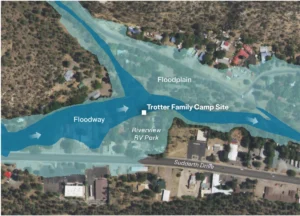
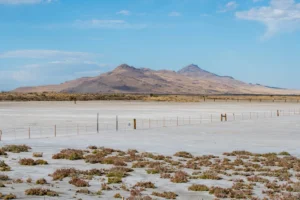
The timeline of the current crisis began in late June 2026, when a series of catastrophic storms struck the Appalachian region. In Kentucky, flash flooding resulted in multiple fatalities and the destruction of critical infrastructure, echoing the tragic floods of previous years but with greater intensity. By early July, the focus shifted to the American West, where Lake Powell reached a new historic low. The water crisis in the Colorado River Basin threatened hydroelectric power generation and agricultural stability for millions of residents across several states.
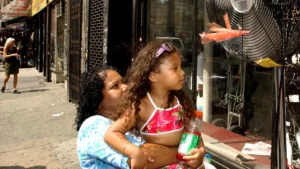
Simultaneously, a "Heatwave World Cup" scenario emerged, where extreme temperatures posed significant risks to athletes and spectators alike during major international sporting events hosted in the U.S. This period of dangerous heat was not localized; it affected nearly every region of the country, from the Pacific Northwest to the Atlantic coast. It is this ubiquity of heat that experts believe has most profoundly shifted voter sentiment. Unlike hurricanes or wildfires, which are regional, extreme heat is a universal experience in the modern American summer.
Statistical Breakdown: Linking Weather to Climate
The Data for Progress survey delved into specific types of weather events to determine which are most strongly associated with climate change in the minds of voters. The results show a high level of correlation across multiple categories:
- Heatwaves: 67 percent of voters believe climate change is worsening heatwaves. This includes 48 percent of Republicans, the highest level of Republican acknowledgment for any specific weather event.
- Wildfires: 64 percent of respondents link the increasing intensity of forest fires to a changing climate.
- Droughts: 63 percent see climate change as a primary driver of water scarcity and prolonged dry spells.
- Flooding: 62 percent associate flash floods and rising sea levels with global warming.
- Hurricanes and Storms: 59 percent of voters believe climate change is intensifying hurricanes, severe thunderstorms, and hailstorms.
Grace Adcox, a senior climate strategist at Data for Progress, noted that extreme heat serves as an "entry point" for broader climate discussions. Because high temperatures kill more people annually in the United States than hurricanes, tornadoes, and floods combined, the health implications of heat have become an unavoidable topic for local and state governments.
The Political Divide and the "Climate-Hushing" Phenomenon
The polling results arrive at a moment of deep political tension regarding environmental policy. President Donald Trump has consistently dismissed the climate crisis, utilizing his platform to label environmental concerns as a "con job" designed to weaken the American economy. This rhetoric has historically polarized the issue, leading many conservative voters to view climate action as a partisan agenda.
However, the new data suggests a "mountain of evidence," according to Rhode Island Senator Sheldon Whitehouse, that the public is now "way ahead of the politicians." Whitehouse, a vocal advocate for climate transparency, has long criticized what he calls "climate-hushing"—the tendency of even some Democrats to avoid the topic of global warming to prevent alienating moderate voters or corporate donors.
"Climate hushers who ignore this righteous fight should take note," Whitehouse stated, emphasizing that the public’s appetite for climate intervention is growing as the physical costs of inaction become more apparent. The fact that nearly half of Republican voters now recognize an increase in extreme weather suggests that the "hoax" narrative is struggling to maintain its grip against the reality of the thermometer.
Scientific Misconceptions and the Role of Communication
While a majority of Americans recognize that the weather is changing, there remains a significant gap in understanding the underlying causes. Jennifer Marlon, a senior research scientist at the Yale Program on Climate Change Communication, highlighted a persistent misconception: the belief that current warming is part of a "natural cycle."
A spring survey from the Yale Program found that 27 percent of Americans still attribute climate shifts to natural causes rather than human activity. This distinction is critical for policy development; if the public views the changes as inevitable or natural, they may be less likely to support aggressive carbon-reduction strategies, focusing instead solely on adaptation.
Anthony Leiserowitz, director of the Yale Program on Climate Change Communication, noted that while voters are increasingly linking extreme weather to the climate crisis, the "why" remains a hurdle. However, the Data for Progress findings suggest that the immediate need for protection—specifically from heat—may bridge this gap. Even those who are skeptical of human-caused warming are showing overwhelming support for measures that mitigate the effects of extreme weather.
Universal Support for Worker Protections
Perhaps the most striking finding of the survey is the near-unanimous support for worker protections against extreme heat. About 88 percent of likely voters—an overwhelming bipartisan majority—favor state policies requiring employers to provide basic heat protections for outdoor and indoor laborers. These protections include guaranteed access to drinking water, shade, regular rest breaks, and air conditioning.
This support comes at a time when workers in construction, agriculture, and warehousing are facing unprecedented risks. Extreme heat is a leading contributor to workplace injuries and fatalities in the U.S. Despite this, federal progress on a mandatory heat standard has stalled. Under the current administration, the Occupational Safety and Health Administration (OSHA) has seen its nationwide enforcement initiatives weakened, leaving millions of workers vulnerable.
Jessica E. Martinez, executive director of the National Council for Occupational Safety and Health, argued that these findings send a "powerful message" to lawmakers. "When 88 percent of likely voters support requiring employers to provide basic, lifesaving heat protections, it’s clear the public expects every worker to be protected," she said. This level of consensus suggests that "climate justice" measures, when framed as worker safety and common-sense labor rights, can bypass traditional partisan gridlock.
Economic and Health Implications of a Warming Climate
The broader implications of the survey point to a growing economic anxiety regarding climate change. Beyond the immediate threat to life, extreme weather is placing a significant strain on the American economy.
- Labor Productivity: As heatwaves become more frequent, the "heat tax" on labor increases. Outdoor industries see a sharp decline in productivity during summer months, which ripples through the supply chain and increases costs for consumers.
- Infrastructure Strain: The 2026 Lake Powell crisis illustrates the vulnerability of the nation’s power grid. Lower water levels reduce hydroelectric output just as demand for air conditioning peaks, creating a "perfect storm" for energy price spikes and blackouts.
- Insurance Markets: The link between climate change and worsening wildfires and floods has already led to a crisis in the home insurance market. In states like California and Florida, major insurers have withdrawn or significantly raised premiums, a trend that is likely to expand as more voters recognize the "increasing frequency" of these events.
Conclusion: A New Framework for Climate Action
The Data for Progress survey indicates that the American public is no longer waiting for a scientific or political consensus to acknowledge the reality of the climate crisis; they are experiencing it in real-time. The high degree of concern regarding heatwaves and the near-total support for worker protections suggest a shift in strategy for climate advocates.
By focusing on the tangible, immediate impacts of extreme weather—such as health, labor safety, and local infrastructure—proponents of climate action may find a path forward that resonates across the aisle. While the executive branch continues to frame the issue through a lens of skepticism, the data suggests that the electorate is increasingly looking for pragmatic solutions to a summer that has become dangerously unpredictable. As Grace Adcox noted, the goal is to illustrate a climate approach that "puts working people first," a framework that 88 percent of the country appears ready to embrace.