
Sheet Pan Chicken And Rice
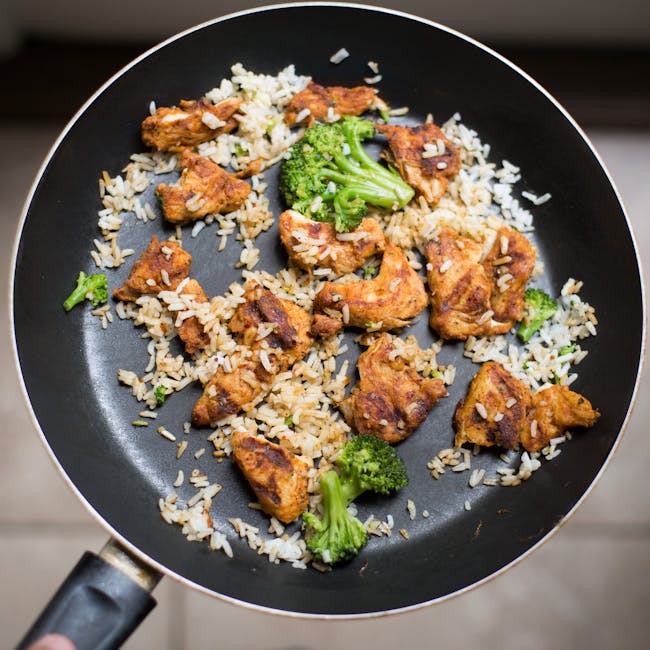
Sheet Pan Chicken and Rice: The Ultimate One-Pan Meal for Effortless Weeknight Dinners
Sheet pan chicken and rice stands as a culinary beacon for busy home cooks, promising minimal cleanup and maximum flavor. This one-pan wonder consolidates the preparation and cooking of a complete meal – tender, seasoned chicken and fluffy, infused rice – onto a single baking sheet. The beauty of this dish lies in its inherent simplicity and remarkable adaptability. By leveraging the convenience of the oven, it streamlines the cooking process, transforming humble ingredients into a satisfying and nutritious dinner with remarkable ease. The core concept involves roasting seasoned chicken pieces alongside uncooked rice and vegetables, allowing the flavors to meld and the rice to absorb the savory juices released by the chicken and vegetables. This method not only reduces the number of dishes used but also creates a delightful depth of flavor as the rice toasts slightly and becomes imbued with the essence of the other components.
The fundamental components of a successful sheet pan chicken and rice recipe are protein, carbohydrate, and aromatics/vegetables. For the protein, bone-in, skin-on chicken thighs or drumsticks are often preferred due to their inherent moisture and ability to withstand longer cooking times without drying out. Boneless, skinless chicken thighs or breasts can also be utilized, but their cooking time will need to be adjusted accordingly to prevent overcooking. The rice selection is equally crucial. Long-grain white rice, such as basmati or jasmine, is a popular choice due to its fluffy texture and ability to absorb liquids without becoming mushy. Brown rice or wild rice can also be incorporated, but their longer cooking times necessitate a slightly altered approach, potentially involving parboiling or adding them earlier in the baking process. The aromatics and vegetables form the flavor foundation and add texture and nutritional value. Onions, garlic, bell peppers, broccoli, carrots, and even sturdier greens like kale or spinach can be incorporated. The key is to select vegetables that have similar cooking times to the chicken or to cut them into appropriate sizes to ensure even cooking.
The magic of sheet pan chicken and rice lies in the chemical reactions that occur during the roasting process. The high heat of the oven promotes the Maillard reaction on the surface of the chicken, creating delicious browning and a complex flavor profile. As the chicken cooks, it releases its flavorful juices, which are then absorbed by the rice. This infusion creates a rice that is far more flavorful than plain steamed rice, often taking on the characteristics of the seasonings and vegetables used. Furthermore, the residual heat from the chicken and vegetables helps to cook the rice evenly, ensuring a fluffy and perfectly tender result. The vegetables, too, benefit from the roasting, becoming tender-crisp and caramelized, intensifying their natural sweetness. This multi-faceted cooking method, where heat, moisture, and flavor transfer work in concert, is what elevates sheet pan chicken and rice from a simple meal to a truly satisfying culinary experience.
Selecting the right cut of chicken is paramount for achieving optimal results in sheet pan chicken and rice. Bone-in, skin-on chicken thighs are frequently the star of this dish due to their high fat content, which keeps them incredibly moist and tender throughout the cooking process. The skin, when roasted, crisps up beautifully, adding a delightful textural contrast to the soft rice and vegetables. Drumsticks also perform exceptionally well, offering a similar juicy and flavorful outcome. For those seeking a leaner option, boneless, skinless chicken thighs can be used. However, it’s important to note that they cook faster and are more prone to drying out. To mitigate this, ensure they are not overcooked and consider adding them to the pan a few minutes later than bone-in cuts. Boneless, skinless chicken breasts are the leanest option, but they require careful monitoring to avoid becoming dry and tough. If using chicken breasts, cutting them into uniform, bite-sized pieces and ensuring they are not overcooked is crucial. The size of the chicken pieces also influences cooking time; smaller pieces will cook faster. Therefore, it’s essential to consider the overall cooking time of all ingredients when deciding on the size of your chicken cuts.
The choice of rice is another critical element in the success of sheet pan chicken and rice. Long-grain white rice varieties like basmati and jasmine are highly recommended. Their delicate texture allows them to remain fluffy and separate, absorbing the chicken and vegetable juices without becoming clumpy or mushy. Basmati rice, with its distinct nutty aroma, and jasmine rice, known for its floral fragrance, both contribute their unique characteristics to the overall flavor profile of the dish. When using these types of rice, a typical ratio of 1:2 rice to liquid (chicken broth or water) is a good starting point, though this can be adjusted slightly based on personal preference and the moisture content of other ingredients. For a more robust and nutritious option, brown rice or wild rice can be considered. However, these grains require a longer cooking time and a different liquid ratio. If opting for brown rice, it’s often beneficial to parboil it for about 10-15 minutes before adding it to the sheet pan, or to add it earlier in the baking process and potentially increase the liquid. Wild rice, with its chewy texture and earthy flavor, also demands a longer cooking duration and may benefit from being cooked partially separately before being combined with the other ingredients on the sheet pan. The key is to match the rice’s cooking requirements with the chicken and vegetable preparation to ensure everything is perfectly cooked simultaneously.
Vegetables and aromatics are the flavor architects of sheet pan chicken and rice, adding depth, complexity, and visual appeal. The foundation of flavor is often built with onions and garlic. Sliced yellow or red onions caramelize beautifully in the oven, lending a sweet and savory depth. Minced or whole garlic cloves, when roasted, become mellow and sweet, releasing their aromatic essence without an overpowering bite. Bell peppers, in any color, are excellent additions, offering a slight sweetness and tender-crisp texture when roasted. Broccoli florets, asparagus spears, and green beans are also popular choices, wilting slightly and becoming tender with a pleasant char. For a heartier meal, diced carrots, sweet potatoes, or butternut squash can be incorporated, though these denser vegetables may require dicing into smaller pieces to ensure they cook through in the same timeframe as the chicken. Leafy greens like kale or spinach can be added towards the end of the cooking process, wilting quickly and providing a boost of nutrients and vibrant color. The principle is to choose vegetables that have relatively similar cooking times to the chicken. If using denser vegetables, cutting them into smaller, uniform pieces will ensure they don’t remain undercooked while the chicken is perfectly done. Even distribution of vegetables on the sheet pan is also important, avoiding overcrowding to allow for proper roasting and caramelization.
The seasoning is the soul of any dish, and for sheet pan chicken and rice, a well-balanced blend of herbs and spices is crucial. A classic starting point includes salt, black pepper, paprika, garlic powder, and onion powder. Paprika, whether sweet, smoked, or hot, lends a beautiful color and a nuanced flavor. Smoked paprika, in particular, can imbue the entire dish with a delicious, smoky undertone. For a Mediterranean flair, consider incorporating dried oregano, thyme, rosemary, and lemon zest. A pinch of red pepper flakes can add a subtle kick for those who enjoy a bit of heat. Cumin and coriander are excellent choices for a more Middle Eastern or Indian-inspired flavor profile. For an herbaceous and fresh finish, consider adding fresh parsley, cilantro, or dill after the dish has finished cooking. The key to effective seasoning is to ensure the chicken, rice, and vegetables are all coated evenly. A good practice is to toss the chicken and vegetables with oil and seasonings in a separate bowl before arranging them on the sheet pan. The rice, often added directly to the pan and mixed with the chicken and vegetables, will then absorb these flavors as it cooks in the rendered chicken juices and broth. Don’t be afraid to experiment with different spice blends to tailor the dish to your specific taste preferences.
The process of assembling and cooking sheet pan chicken and rice is designed for maximum efficiency and minimal mess. Begin by preheating your oven to a high temperature, typically between 400°F and 425°F (200°C and 220°C). This high heat is essential for achieving crispy chicken skin and properly roasted vegetables. Prepare a large rimmed baking sheet by lining it with parchment paper or aluminum foil for easier cleanup. In a large bowl, combine your chosen chicken pieces with a generous drizzle of olive oil or another cooking oil. Add your dried seasonings, ensuring the chicken is well-coated. Next, add your prepared vegetables to the same bowl (or a separate one if preferred) and toss them with a little more oil and seasoning. If you are using uncooked rice directly on the pan, you will typically add it after the chicken and vegetables have had a head start. However, some recipes incorporate the rice from the beginning, nestled amongst the chicken and vegetables. The amount of liquid for the rice is crucial. For most long-grain white rices, a 1:2 ratio of rice to liquid (chicken broth or water) is standard. Pour the broth and uncooked rice directly onto the prepared baking sheet, distributing it evenly. Then, arrange the seasoned chicken pieces and vegetables over the rice, ensuring they are not too densely packed, as this can lead to steaming rather than roasting. If adding fresh herbs like rosemary or thyme sprigs, tuck them amongst the chicken and vegetables. Cover the baking sheet tightly with aluminum foil. This initial covering traps steam, allowing the rice to cook through and absorb the liquid while preventing the chicken from drying out too quickly. Bake for approximately 20-30 minutes, depending on the size and type of chicken used.
After the initial covered baking period, remove the aluminum foil. This step is crucial for allowing the chicken skin to crisp up and the vegetables to develop a nice roasted char. Return the uncovered baking sheet to the oven and continue to bake for another 15-25 minutes, or until the chicken is cooked through (internal temperature of 165°F or 74°C), the rice is tender, and the vegetables are tender-crisp with some browning. During this uncovered phase, you can baste the chicken with the pan juices for extra moisture and flavor. If the rice appears too dry, you can add a splash more broth. Conversely, if there is excessive liquid, continue baking uncovered until it evaporates. The exact cooking time will vary based on the oven, the size of the chicken pieces, and the type of rice used. It is always recommended to check for doneness with a meat thermometer. Once cooked, allow the sheet pan chicken and rice to rest for 5-10 minutes before serving. This resting period allows the juices in the chicken to redistribute, resulting in a more tender and flavorful final product. The rice will also continue to absorb any remaining moisture during this time, achieving a perfect fluffy consistency.
The versatility of sheet pan chicken and rice is one of its greatest assets, allowing for endless variations to suit diverse palates and dietary preferences. For a vibrant and zesty twist, consider a lemon-herb chicken and rice. Incorporate lemon slices, fresh rosemary, thyme, and plenty of garlic. A sprinkle of dried oregano and a squeeze of fresh lemon juice at the end will elevate the citrus notes. For a smoky and slightly spicy flavor, a chipotle-lime chicken and rice is a fantastic option. Use chipotle peppers in adobo sauce, lime juice, and cilantro. Cumin and chili powder will further enhance the Mexican-inspired profile. If you prefer an Asian-inspired dish, a teriyaki chicken and rice is easily achievable. Marinate the chicken in a teriyaki sauce before assembling on the pan, and add ingredients like broccoli florets, sliced bell peppers, and snap peas. A drizzle of soy sauce and a sprinkle of sesame seeds upon serving will complete this flavorful rendition. For a vegetarian or vegan adaptation, the concept remains similar, but the protein source and liquid will change. Tofu, tempeh, or a medley of hearty vegetables like chickpeas, sweet potatoes, and cauliflower can replace the chicken. Vegetable broth will be used for the rice, and plant-based seasonings can be employed. The cooking times for these alternative proteins may vary, so adjustments will be necessary. This inherent adaptability makes sheet pan chicken and rice a truly inclusive and endlessly customizable meal option.
Troubleshooting common issues ensures a consistently delicious outcome for your sheet pan chicken and rice. One frequent concern is dry chicken. This can often be attributed to overcooking, especially with boneless, skinless chicken breasts. Using bone-in, skin-on cuts inherently mitigates this risk. If using leaner cuts, ensure they are cut into uniform pieces and monitor cooking times closely. Basting with pan juices during the uncovered phase of cooking can also help retain moisture. Another common problem is undercooked or mushy rice. If the rice is undercooked, it may require a longer cooking time or a slightly higher liquid-to-rice ratio. Conversely, if the rice is mushy, it might be due to overcrowding the pan, which leads to steaming rather than proper absorption, or using too much liquid initially. Ensuring the rice is spread evenly and has adequate space for liquid to be absorbed is crucial. Unevenly cooked vegetables can also be a source of frustration. This often stems from cutting vegetables into inconsistent sizes. Uniformly sized pieces ensure they cook at the same rate. Denser vegetables like root vegetables may need to be diced smaller than softer vegetables like bell peppers. If one component is consistently cooking faster or slower than the others, consider adding it to the pan at a slightly different time. For example, if your vegetables are browning too quickly, remove them partway through and reintroduce them for the final roasting stage.
The nutritional benefits of sheet pan chicken and rice are substantial, making it a well-rounded and healthy meal option. Chicken, as a lean protein source, is essential for muscle repair and growth, and it provides essential amino acids. Depending on the cut chosen, it can also be a good source of iron and B vitamins. Rice, a complex carbohydrate, provides sustained energy and is a good source of fiber, particularly whole grain varieties. When paired with a variety of colorful vegetables, the dish becomes a powerhouse of vitamins, minerals, and antioxidants. The fiber content from the vegetables and whole grains aids in digestion and promotes satiety, helping to prevent overeating. The healthy fats from olive oil used in the cooking process are beneficial for heart health and nutrient absorption. By controlling portion sizes and the amount of added oils and sodium, sheet pan chicken and rice can easily be adapted to fit various dietary goals, including weight management and balanced nutrition. The simplicity of the cooking method also means that fewer nutrients are lost compared to other cooking techniques that involve boiling or extensive manipulation of ingredients.
In conclusion, sheet pan chicken and rice embodies the essence of efficient and flavorful home cooking. Its inherent simplicity, minimal cleanup, and remarkable adaptability make it an indispensable recipe for busy individuals and families. By understanding the interplay of protein, carbohydrate, aromatics, and seasoning, and by mastering the straightforward assembly and cooking process, one can consistently produce a delicious and satisfying meal. Whether seeking a quick weeknight dinner or a foundation for culinary experimentation, this one-pan wonder offers a path to effortless and enjoyable dining. The continued exploration of ingredient variations, spice profiles, and vegetable combinations ensures that sheet pan chicken and rice remains a perpetually appealing and nourishing option on any table.
