
Are You A Meatball Fanatic Heres Where To Go
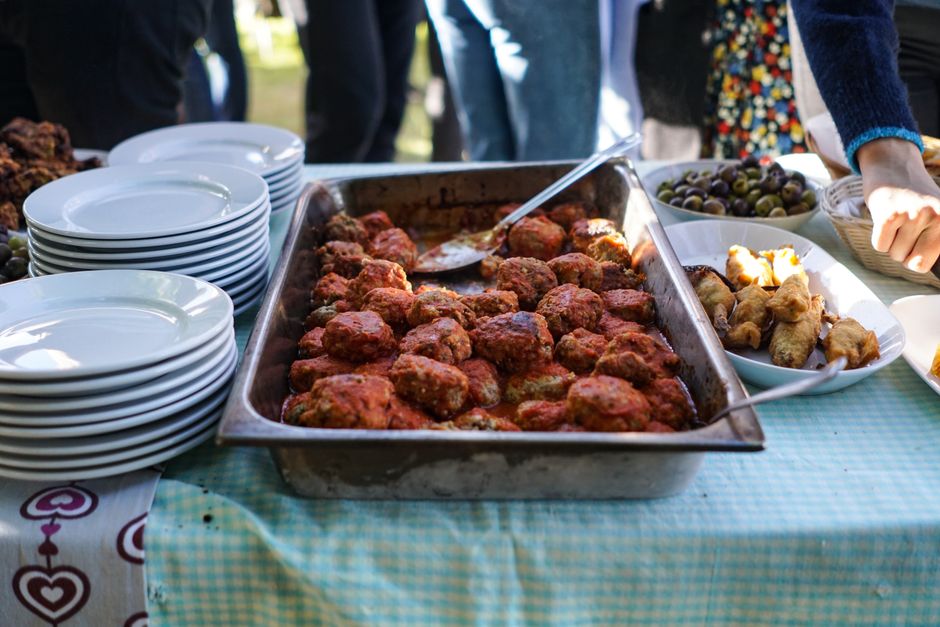
Are You a Meatball Fanatic? Here’s Where to Go
The humble meatball, a culinary chameleon, transcends cultural boundaries and palate preferences. From the rustic simplicity of Italian-American trattorias to the nuanced spice of Asian variations, the meatball offers a universe of flavor and texture. For the true enthusiast, the quest for the perfect meatball is an ongoing, delicious journey. This guide aims to illuminate the path for these dedicated aficionados, highlighting destinations and establishments renowned for their exceptional meatball creations, and delving into the elements that elevate this beloved dish from mere sustenance to gastronomic art. Understanding what makes a meatball truly spectacular is the first step in appreciating the diverse landscape of this enduring favorite.
The quintessential Italian-American meatball often conjures images of Sunday dinner, a comforting embrace of seasoned ground beef, pork, and sometimes veal, bound with breadcrumbs and egg, then simmered in a rich tomato sauce. In New York City, a bastion of this classic, several institutions stand out. Rao’s, a legendary and notoriously difficult-to-get-into establishment, is whispered to serve meatballs of unparalleled quality, a testament to generations of refined technique. While reservations are a myth for most, the legend persists. For those seeking a more accessible experience, Parm, with multiple locations, consistently delivers a satisfying take on the classic. Their meatballs are often praised for their tender interior and a robust, well-balanced marinara. Another strong contender is Frank’s Restaurant in Greenwich Village, a no-frills spot where the meatballs are as authentic as the checkered tablecloths, simmered for hours in a deeply flavorful sauce. The key here is often the quality of the meat blend, the judicious use of herbs and aromatics, and the slow braising process that allows flavors to meld and deepen. Beyond the city, Italian delis and family-owned restaurants across America often hold secret family recipes for their meatballs, making local exploration a vital part of the fanatic’s pilgrimage. These often unsung heroes can surprise with their dedication to tradition and the love evident in every bite.
The concept of the meatball, however, extends far beyond its Italian roots. Swedish meatballs, or köttbullar, are a distinctly different, yet equally beloved, iteration. Characterized by their smaller size and often a blend of beef and pork, these meatballs are typically served in a creamy dill sauce, accompanied by lingonberry jam. The IKEA experience, while not a haute cuisine destination, has undeniably introduced millions to the comforting allure of Swedish meatballs. For a more authentic Swedish culinary adventure, venturing to Scandinavian restaurants can yield superior results. In cities with strong Scandinavian communities, such as Minneapolis or Chicago, dedicated restaurants offer köttbullar that capture the true essence of the dish. The sauce is crucial here – a rich béchamel infused with a hint of nutmeg and dill, providing a luxurious counterpoint to the savory meatballs. The sweet and tart lingonberry jam is not an optional accompaniment but an essential component, cutting through the richness and adding a bright, fruity note. This interplay of savory, creamy, and tart is what defines the Swedish meatball experience.
Across the globe, Asia presents a fascinating spectrum of meatball traditions. Chinese Lion’s Head Meatballs (Shizitou) are a prime example. These enormous, tender meatballs, made from minced pork and often flavored with ginger, soy sauce, and Shaoxing wine, are braised in a delicate, savory broth, frequently with Napa cabbage. Their name derives from their resemblance to a lion’s shaggy mane. The key to their remarkable texture is the careful mincing of the pork, often achieving a soft, yielding consistency that is almost melt-in-your-mouth. Restaurants specializing in Shanghainese cuisine are the best places to seek out this delicacy. The braising liquid is equally important, absorbing the essence of the pork and often infused with star anise and other aromatic spices, creating a deeply satisfying umami-rich broth.
In Southeast Asia, particularly in Vietnam, the meatball continues its evolution. Bò viên, or beef meatballs, are a staple in phở, the iconic noodle soup. These typically firm, yet tender, beef balls are simmered in the fragrant broth, absorbing its complex flavors of star anise, cinnamon, and ginger. The quality of the beef and the precise cooking method are paramount, ensuring they are neither rubbery nor crumbly. The best phở establishments pride themselves on their house-made bò viên, a testament to their commitment to authenticity. The subtle chew and the way they soak up the broth make them an indispensable element of this beloved dish. Exploring Vietnamese restaurants, especially those that emphasize traditional preparations, is a rewarding endeavor for the discerning meatball lover.
The textural aspect of a meatball is as critical as its flavor profile. A perfect meatball should possess a tender, yielding interior, avoiding the pitfalls of being too dense or dry. This is achieved through several factors: the quality and fat content of the meat used, the method of mixing (over-mixing can toughen the meat), and the binding agents. Traditional binders like breadcrumbs (often soaked in milk or water) and eggs help create a cohesive yet tender structure. For adventurous enthusiasts, exploring restaurants that offer meatballs made from less common meats, such as lamb or duck, can be a revelation. Lamb meatballs, often found in Mediterranean or Middle Eastern cuisine, can offer a more robust, gamey flavor, frequently complemented by spices like cumin, coriander, and mint. Duck meatballs, while rarer, can provide a rich, succulent experience, often paired with fruit-based sauces or Asian-inspired glazes.
The sauce in which a meatball is served is not merely an accompaniment but an integral part of its identity. For Italian-American meatballs, a well-made marinara is essential. This should be a slow-simmered sauce, allowing the tomatoes to break down and the flavors to deepen, with a balance of acidity, sweetness, and herbaceousness. Garlic, onion, and a touch of red pepper flake are common flavor foundations. However, the variations are endless. Some enjoy a richer, meatier bolognese sauce, while others prefer a lighter, fresher tomato sauce. The advent of specialty meatball shops has further expanded the sauce repertoire. These establishments often offer a dizzying array of sauce options, from classic marinara and spicy arrabbiata to creamy Alfredo and even adventurous truffle or pesto variations. This allows for a highly personalized meatball experience, catering to a wide range of taste preferences.
Beyond the traditional, modern culinary interpretations of the meatball are constantly emerging. Chefs are experimenting with global flavor profiles, incorporating ingredients and techniques from cuisines far and wide. Think of Korean gochujang-glazed meatballs, or Indian-spiced kofta that, while often served in a curry, share the fundamental DNA of a seasoned ball of ground meat. The rise of fusion cuisine has opened up a world of possibilities, allowing for unexpected yet delicious combinations. For instance, a Thai-inspired meatball, infused with lemongrass, chili, and fish sauce, and served with a peanut sauce, offers a vibrant and exciting departure from the norm. The key is the chef’s understanding of flavor harmony and their ability to balance disparate ingredients to create a cohesive and delightful dish. These innovative approaches ensure that the meatball, a dish with ancient origins, remains relevant and exciting for the contemporary palate.
For the true meatball fanatic, the pursuit of perfection is a lifelong endeavor. It involves not just seeking out the best restaurants but also understanding the craft. The ideal meatball is a harmonious blend of high-quality ingredients, skillful preparation, and thoughtful flavor pairings. Whether you crave the comforting embrace of an Italian-American classic, the creamy elegance of Swedish köttbullar, the savory depth of Chinese Lion’s Head meatballs, or the vibrant spice of Asian iterations, there is a meatball out there waiting to be discovered. The journey requires an open mind, a curious palate, and a willingness to explore the diverse and delicious world of this universally beloved dish. From Michelin-starred establishments that elevate the meatball to an art form to humble, family-run eateries that have perfected their grandmother’s recipe over generations, the landscape of meatball excellence is vast and rewarding for those willing to embark on the delicious expedition. The pursuit is not just about finding a good meal, but about experiencing the cultural narratives and culinary traditions that are expertly rolled into every perfectly formed sphere of seasoned goodness.
