
Category Machinery Replacement Parts
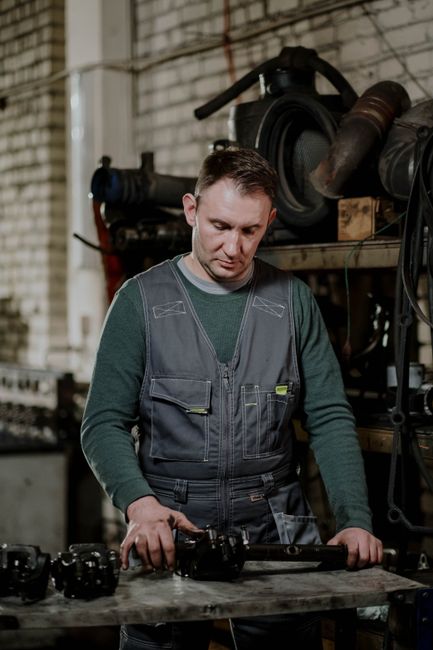
Machinery Replacement Parts: A Comprehensive Guide to Optimization and Selection
The efficient operation and longevity of any industrial or commercial machinery hinge critically on the availability and quality of its replacement parts. This category encompasses a vast spectrum of components, from the minutiae of seals and bearings to the colossal demands of gearboxes and hydraulic cylinders. Understanding the nuances of machinery replacement parts is not merely about procurement; it’s a strategic imperative that directly impacts operational uptime, cost-effectiveness, safety, and overall business performance. This article will delve deeply into the multifaceted world of machinery replacement parts, exploring their critical role, various types, selection criteria, sourcing strategies, and the overarching impact on industrial efficiency.
The fundamental purpose of machinery replacement parts is to maintain, repair, and restore the functionality of existing equipment. Without access to the correct parts, even minor component failures can lead to prolonged downtime, significant production losses, and escalating repair costs. In many industries, the cost of downtime far exceeds the cost of the replacement part itself, underscoring the economic rationale for prioritizing readily available and high-quality spare components. Beyond simple repair, strategic replacement of wear-prone parts can prevent catastrophic failures, extend the operational life of expensive machinery, and even enhance performance through upgrades or the adoption of more advanced materials and designs. This proactive approach, often termed predictive or preventative maintenance, relies heavily on a well-managed inventory of critical replacement parts.
The landscape of machinery replacement parts is incredibly diverse, reflecting the immense variety of machinery in use globally. A broad categorization can be established, though overlap is common. Mechanical components form a significant pillar, including bearings (ball, roller, thrust, linear), gears (spur, helical, bevel, worm), shafts, couplings, chains, sprockets, belts, pulleys, and fasteners. These are the workhorses of most machines, subjected to constant stress, friction, and torque. Hydraulic and pneumatic components are essential in systems that utilize fluid power. This category includes cylinders, pumps, valves (directional control, pressure relief, flow control), hoses, fittings, accumulators, and filters. Their proper functioning is paramount for precise motion control and power transmission. Electrical and electronic components are increasingly integrated into modern machinery. This encompasses motors, generators, controllers (PLCs, drives), sensors (proximity, optical, temperature), switches, relays, circuit breakers, and wiring harnesses. Their reliability is crucial for automation and operational control. Sealing components are often overlooked but are vital for preventing leaks and contamination. This category includes O-rings, gaskets, seals (lip, mechanical), packing, and wipers, essential for maintaining fluid integrity and preventing ingress of foreign particles. Structural and wear parts are those directly involved in material handling or subjected to abrasive forces. Examples include wear plates, cutting edges, conveyor belts, rollers, chutes, and specialized linings. Filtration and lubrication components are critical for maintaining the cleanliness and proper functioning of machinery. This includes various types of filters (oil, air, fuel, hydraulic), filter housings, lubrication pumps, grease fittings, and dispensing systems. Finally, consumables, while often considered separate, are integral to the ongoing operation and include items like lubricants, coolants, cleaning agents, and welding rods, which are regularly replenished or replaced.
The selection of appropriate machinery replacement parts is a meticulous process with profound implications. Original Equipment Manufacturer (OEM) parts are manufactured to the specific tolerances and material specifications of the original machinery. They offer guaranteed compatibility and often come with manufacturer warranties, making them the default choice for many. However, OEM parts can be expensive and may have longer lead times. Aftermarket parts, produced by third-party manufacturers, can offer a compelling alternative. These can range from direct equivalents to upgraded components. The key is to differentiate between reputable aftermarket suppliers who adhere to stringent quality control and those who produce substandard parts. Compatibility is paramount; a part must precisely fit and function within the existing system. This involves verifying dimensions, thread sizes, material properties, voltage ratings, and any other relevant specifications. Material quality directly influences durability and performance. Higher-grade materials, superior metallurgy, and advanced manufacturing techniques can lead to parts that outperform OEM equivalents and offer extended service life. Durability and wear resistance are critical considerations, especially for parts subjected to high stress, abrasion, or extreme temperatures. Understanding the operating environment and the failure modes of the original part is essential for selecting a replacement with superior longevity. Cost-effectiveness is a perpetual balancing act. While initial cost is important, the total cost of ownership, including expected lifespan, maintenance requirements, and potential downtime, must be considered. A cheaper part that fails prematurely can be significantly more expensive in the long run. Availability and lead time are crucial for minimizing downtime. A readily available part, even if slightly more expensive, is often preferable to a cheaper option with an extended delivery period. Warranty and support from the supplier can provide an added layer of security and confidence in the replacement part.
Sourcing machinery replacement parts requires a strategic approach to ensure both quality and cost-effectiveness. Direct procurement from OEMs offers the highest assurance of quality and compatibility but often at a premium price. Establishing direct relationships with OEM suppliers can sometimes unlock better pricing and dedicated support. Authorized distributors act as intermediaries for OEMs, often providing localized stock, technical expertise, and competitive pricing while maintaining OEM quality. Reputable aftermarket manufacturers offer a wide range of parts, often with competitive pricing and innovative designs. Thorough due diligence is required to identify reliable aftermarket suppliers with strong quality control processes and positive customer reviews. Specialty parts suppliers focus on specific types of machinery or components, possessing deep expertise and often offering hard-to-find parts. These can be invaluable for specialized industrial equipment. Online marketplaces and B2B platforms can provide access to a vast network of suppliers, facilitating price comparisons and discovery of new sources. However, careful vetting of sellers and product specifications is essential to avoid counterfeit or low-quality items. Machinery maintenance and repair services often have established relationships with part suppliers and can leverage their purchasing power to procure parts at competitive prices, while also offering installation and diagnostic services. Developing a spare parts inventory strategy is crucial. This involves identifying critical components that, if unavailable, would lead to significant downtime. Analyzing historical failure data, consulting with equipment manufacturers, and considering lead times for various parts will inform the optimal inventory levels and stock locations. This strategy should balance the cost of holding inventory against the risk and cost of downtime.
The impact of effective machinery replacement part management extends far beyond the immediate repair. Reduced Downtime and Increased Uptime are the most direct and quantifiable benefits. By having the right parts readily available, unscheduled maintenance can be minimized, and planned repairs can be executed efficiently, keeping production lines running. Cost Optimization is achieved through careful selection, avoiding unnecessary expenses on high-priced OEM parts when reliable aftermarket alternatives exist, and more importantly, by preventing the far greater costs associated with catastrophic failures and prolonged downtime. Enhanced Safety is intrinsically linked to the use of properly specified and high-quality replacement parts. Faulty or ill-fitting components can lead to unexpected machine behavior, increasing the risk of accidents for operators and maintenance personnel. Improved Equipment Longevity is a direct consequence of using parts that meet or exceed original specifications. This proactive approach extends the operational life of valuable machinery, deferring the need for expensive capital expenditure on new equipment. Optimized Performance and Efficiency can be realized when replacement parts are not just functional but also offer improvements. Upgraded materials, advanced designs, or more precise manufacturing can lead to enhanced operational efficiency, reduced energy consumption, and improved product quality. Streamlined Maintenance Operations result from a well-organized and predictable replacement parts supply chain. Maintenance teams can work more efficiently, with less time spent searching for parts or dealing with compatibility issues. This allows them to focus on preventative and predictive maintenance strategies, further enhancing overall equipment effectiveness (OEE).
The evolution of machinery and its associated replacement parts is a continuous process. The increasing integration of IoT and AI in industrial machinery is leading to a demand for more sophisticated and interconnected replacement parts. Predictive maintenance algorithms, powered by sensor data from machinery, can now forecast part failures with remarkable accuracy, allowing for proactive replacement before any performance degradation or failure occurs. This shifts the focus from reactive repair to intelligent, data-driven part management. Furthermore, advancements in additive manufacturing (3D printing) are beginning to revolutionize the production of certain replacement parts, particularly for obsolete or highly specialized components. This technology offers the potential for on-demand production, reducing lead times and inventory holding costs. The environmental impact of machinery replacement parts is also gaining prominence. Manufacturers and users are increasingly seeking parts made from sustainable materials and those that contribute to energy efficiency throughout their lifecycle. This includes considering the recyclability of worn-out parts and the energy consumed in their manufacturing and transportation. The global nature of modern manufacturing means that sourcing replacement parts can involve complex international logistics. Understanding import/export regulations, currency fluctuations, and differing quality standards across regions is essential for effective global procurement. Collaboration between equipment manufacturers, part suppliers, and end-users is paramount to navigate these complexities and ensure a robust and efficient supply chain for machinery replacement parts. This collaborative approach fosters innovation, improves quality, and ultimately contributes to the overall success and sustainability of industrial operations.
