
Congress Spending Bill Shutdown
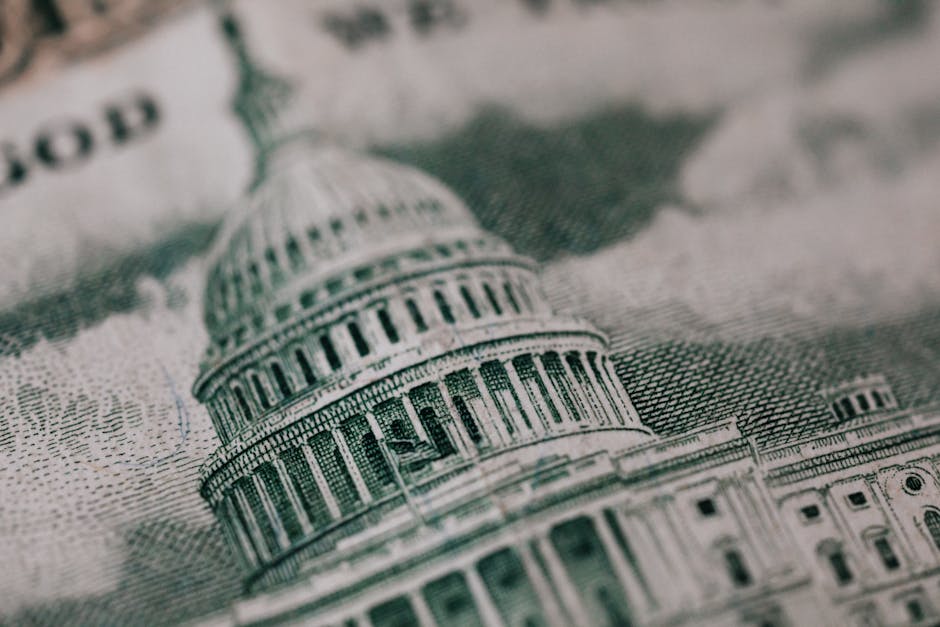
Congressional Spending Bill Shutdowns: A Deep Dive into the Causes, Consequences, and Political Machinations
Congressional spending bill shutdowns, often colloquially referred to as government shutdowns, represent a critical failure of the legislative branch to fulfill its fundamental constitutional duty: appropriating funds to operate the federal government. These shutdowns occur when Congress and the President cannot agree on the passage of appropriations bills by the established deadline, typically the end of the fiscal year on September 30th. This inability to reach consensus triggers a cascade of events, halting most non-essential government functions and impacting millions of Americans, from federal employees to beneficiaries of government services. Understanding the mechanisms that lead to these shutdowns, their far-reaching consequences, and the intricate political strategies employed is crucial for comprehending the dynamics of American governance.
The legislative process for funding the government is complex, involving multiple appropriations bills that dictate spending for various government departments and agencies. Congress typically passes thirteen regular appropriations bills each fiscal year. However, in recent decades, the timely passage of these individual bills has become increasingly rare. Instead, Congress often resorts to continuing resolutions (CRs) – temporary measures that extend funding at previous levels for a set period. When even these CRs fail to be enacted before their expiration, a shutdown becomes imminent. The primary cause of these shutdowns is invariably partisan gridlock, wherein the majority party in one or both houses of Congress, or the President, uses the appropriations process as leverage to advance specific policy priorities that are unacceptable to the opposing party. These demands can range from significant spending cuts in certain areas to the inclusion or exclusion of specific riders – provisions attached to appropriations bills that may not be directly related to the bill’s primary purpose. For example, a party might insist on defunding a particular program or enacting legislation on social issues as a condition for approving funding for government operations. This tactic, while politically potent, often leads to an impasse, as the opposing side views these demands as non-negotiable or as an attempt to circumvent the regular legislative process. The differing ideologies regarding the size and scope of government, coupled with the increasing polarization within the American political landscape, exacerbate these disagreements, making compromise exceptionally difficult. The desire to rally their respective bases and demonstrate unwavering commitment to their core principles can lead political leaders to adopt rigid stances, making a shutdown a seemingly unavoidable outcome when faced with irreconcilable differences. Furthermore, the heightened media scrutiny and the public’s focus on presidential and congressional approval ratings can add pressure, with political actors sometimes viewing a shutdown as a strategic move to either embarrass the opposition or rally public support for their own agenda.
The immediate and most visible consequence of a government shutdown is the furlough of non-essential federal employees. These employees are instructed not to report to work and are not paid during the shutdown period, though they are typically granted back pay once the government reopens. This directly impacts the livelihoods of hundreds of thousands of individuals and their families, creating financial hardship and uncertainty. Beyond federal workers, shutdowns disrupt a wide array of government services. National parks and museums close, federal agencies halt non-emergency operations, and essential services, while often exempted to maintain public safety and national security, may experience significant slowdowns or limitations. This can include delays in processing applications for benefits, permits, or visas, impacting individuals, businesses, and the broader economy. For instance, a shutdown can disrupt food safety inspections, environmental monitoring, and vital research conducted by government agencies. The economic repercussions extend beyond federal employees. Businesses that rely on government contracts or services, such as those providing services to federal agencies or operating within national parks, can experience a significant loss of revenue. Consumers may also feel the pinch through reduced access to government-backed loans, delays in tax refunds, or disruptions in social security payments, although these are often categorized as essential and may continue under limited operations. The uncertainty generated by a shutdown can also dampen consumer and business confidence, leading to reduced spending and investment, thus negatively impacting overall economic growth. The longer a shutdown persists, the more severe and widespread these economic consequences become, potentially leading to a measurable decline in GDP.
The political machinations surrounding a spending bill shutdown are often as consequential as the shutdown itself. Shutdowns are frequently viewed as a high-stakes game of political chicken, where each side attempts to exert maximum pressure on the other to concede. The party initiating or most aggressively pushing for a shutdown, or conversely, the party refusing to budge on key demands, may seek to portray themselves as principled defenders of their constituents’ interests or as strong leaders unwilling to compromise on core values. Conversely, the party experiencing the brunt of the public backlash, often due to the disruption of services, may accuse the other side of recklessness and irresponsibility. The media plays a crucial role in shaping public perception during a shutdown, amplifying the arguments of both sides and focusing on the human impact of the closure. Public opinion polls are closely monitored, and political leaders often adjust their rhetoric and strategies based on the perceived public sentiment. The threat of a shutdown, or an actual shutdown, can also be used as a bargaining chip in broader political negotiations, extending beyond the immediate appropriations process. For instance, a party might leverage the threat of a shutdown to extract concessions on unrelated legislative priorities, such as immigration reform or judicial appointments. The electoral implications are also significant. Shutdowns can become defining moments in election campaigns, with candidates attempting to blame their opponents for the disruption and highlighting their own roles in resolving the crisis. Historical analysis of government shutdowns reveals that while they can sometimes lead to a desired policy outcome for the party that initiated them, they more frequently result in public disapproval for all parties involved, making them a risky political strategy.
The long-term consequences of recurring government shutdowns are detrimental to the effective functioning of the federal government and the trust citizens place in their institutions. A pattern of shutdowns erodes the predictability and stability that are essential for government operations and economic planning. Agencies struggle to implement long-term strategies and manage their workforce effectively when facing the constant threat of funding interruptions. The morale of federal employees can suffer significantly, leading to a decline in productivity and potentially higher employee turnover. The perception of governmental dysfunction can also undermine public confidence in the ability of Congress and the President to address the nation’s challenges. This can lead to increased cynicism and disengagement from the political process, a corrosive effect on democratic societies. Furthermore, the repeated use of shutdowns as a political tactic normalizes a level of dysfunction that is ultimately detrimental to effective governance. It suggests that the fundamental mechanisms of government funding are subject to political brinkmanship rather than considered deliberation. This can create a precedent for future legislative battles, where the appropriations process becomes not just about funding the government but about extracting partisan victories at any cost. Rebuilding trust and ensuring the smooth functioning of government requires a commitment from political leaders to engage in good-faith negotiations and to prioritize the national interest over narrow partisan gains. The cyclical nature of these shutdowns highlights a deeper challenge in American politics: the difficulty of achieving consensus and compromise in an increasingly polarized environment. Addressing this challenge requires not only legislative reforms but also a cultural shift towards more collaborative and problem-solving approaches to governance.
