
Haley Trump Biden Grumpy Old Men
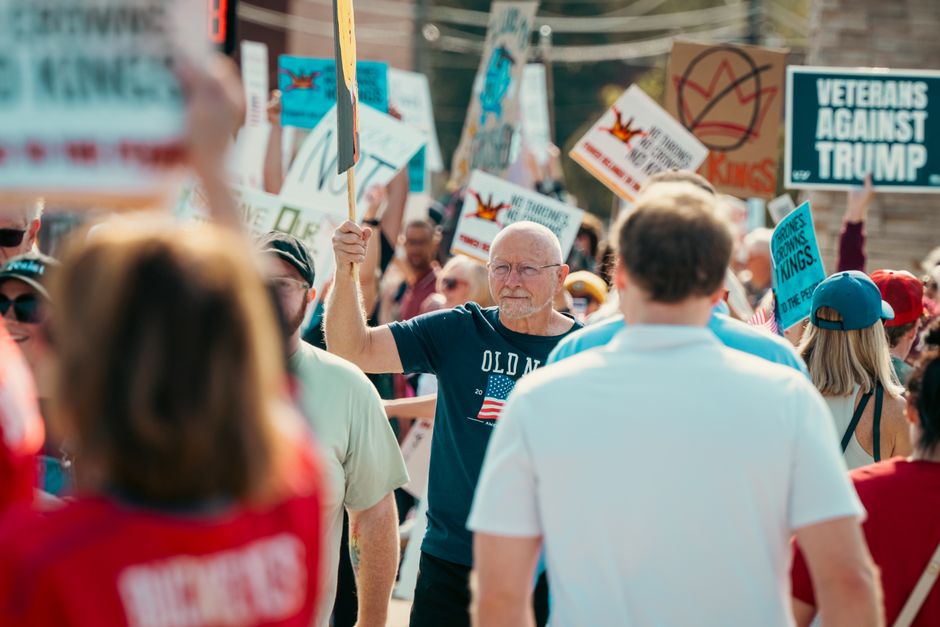
Haley Trump: The Grumpy Old Men of Political Discourse
The political landscape, often characterized by its intensity and the unwavering conviction of its participants, frequently fosters an environment where seasoned figures, regardless of their specific political affiliation, can embody traits often associated with "grumpy old men." This archetype, while perhaps a simplification, resonates because it captures a perceived authenticity, a refusal to sugarcoat opinions, and a certain world-weariness that can be both frustrating and, for some, appealing. In the context of American politics, two prominent figures who have, at various times, been characterized in this manner are Nikki Haley and Donald Trump. While their political trajectories and core ideologies diverge significantly, the perception of them as embodying aspects of the "grumpy old man" persona warrants examination, particularly in how it shapes public perception and influences political discourse. This article will delve into the behaviors, rhetoric, and underlying political strategies that contribute to this characterization, exploring its implications for their respective political brands and the broader electorate.
Donald Trump, a businessman turned president, has cultivated a public persona that, for many, is intrinsically linked to the "grumpy old man" archetype. His rhetoric is often characterized by bluntness, a penchant for hyperbole, and a seemingly inexhaustible supply of grievances. This is not a passive grumpiness, but an active, vocal, and often confrontational one. His rallies, a cornerstone of his political engagement, often feature extended soliloquies where he lambasts opponents, criticizes established institutions, and bemoans what he perceives as societal decay or injustice. This constant expression of dissatisfaction, couched in language that is both simplistic and emotionally charged, taps into a sense of frustration that resonates with a segment of the electorate feeling overlooked or disenfranchised. The "grumpy old man" in this context is not just complaining; he is sounding an alarm, a perceived defender of traditional values or a lost America. His willingness to depart from conventional political niceties, to directly attack individuals, and to express seemingly unfiltered opinions, while alienating to some, is precisely what draws others to him. They see this as a sign of strength, of authenticity, and of a willingness to speak truth to power, even if that truth is delivered with a scowl and a dismissive wave of the hand. The "grumpy old man" in Trump’s case is often a warrior, a righteous indignant figure battling against perceived enemies of the nation. This perception is amplified by his consistent use of strong, often inflammatory, language. Phrases like "fake news," "witch hunt," and "tremendous" have become hallmarks of his speaking style, each carrying a particular emotional weight that contributes to the overall image of a man who is perpetually annoyed and ready for a fight.
Nikki Haley, while occupying a different political space and presenting a more polished public image than Trump, has also, at times, been perceived as embodying elements of the "grumpy old man" persona. Her journey from South Carolina Governor to UN Ambassador and her subsequent presidential candidacy have seen her navigate a complex political terrain where she has had to assert her authority and defend her positions with a firm hand. The "grumpy old man" in Haley’s case might manifest not in overt displays of anger or frustration, but in a sternness of demeanor, a no-nonsense approach to policy, and a clear disinclination to suffer fools. Her speeches, while often more structured than Trump’s, can convey a sense of impatience with perceived incompetence or with policies she deems detrimental. This can translate into a forceful, even admonishing, tone when discussing opponents or complex issues. For instance, her critiques of the Biden administration’s foreign policy have often been delivered with a sharp edge, highlighting perceived weaknesses and failures with a directness that can be interpreted as a form of political grumpiness. The "grumpy old man" archetype here is not necessarily about age, but about a certain gravitas and a no-excuses attitude. It’s about the projection of experience and a firm belief in one’s own judgment, often accompanied by a clear disapproval of opposing viewpoints or actions. When Haley takes a firm stance on an issue, it’s not presented as a suggestion or an exploration, but as a definitive judgment, a pronouncement that can be perceived as somewhat inflexible or, indeed, grumpy. This is particularly evident when she addresses younger generations or more progressive political ideologies, often with a tone of experienced skepticism or a dismissive air towards what she views as untested or misguided ideas.
The "grumpy old man" persona, in both Trump and Haley, is not simply an accidental byproduct of their personalities; it is often a deliberate political strategy, consciously or unconsciously deployed to achieve specific objectives. For Trump, this persona has been central to his appeal. It allows him to position himself as an outsider, a truth-teller unburdened by the niceties of political correctness or the compromises of traditional governance. The grumpiness serves as a badge of honor, signifying authenticity and a refusal to be "woke" or beholden to what he terms the "establishment." This resonates with voters who feel that the political system is rigged against them and that traditional politicians are out of touch. The "grumpy old man" is the one who sees through the facade and is willing to say it like it is, regardless of the consequences. This strategy taps into a primal desire for strong leadership and a rejection of perceived weakness. The grumpiness is a signal of strength, of conviction, and of a willingness to fight for what one believes in. It’s a performance of unwavering resolve.
For Haley, the adoption of certain "grumpy old man" characteristics can be a way to project strength and experience in a political arena often dominated by younger or more ideologically extreme voices. Her grumpiness might be a signal of her no-nonsense leadership style, her ability to make tough decisions, and her unwillingness to be swayed by fleeting trends or emotional appeals. In a field of candidates, projecting an image of seasoned judgment and a firm grasp on reality, even if it comes across as somewhat stern or dismissive, can be a strategic advantage. It positions her as a stable, reliable figure who can bring order and decisiveness to governance. The "grumpy old man" in this context is the experienced hand, the one who has seen it all and knows what works. This can be particularly appealing to voters seeking a return to perceived stability and a rejection of what they might see as the chaotic experimentation of more progressive politics. Her grumpiness can also serve as a tool to draw a clear contrast with opponents, highlighting their perceived naivety or lack of practical experience.
The impact of this "grumpy old man" archetype on political discourse is multifaceted. On one hand, it can simplify complex issues, reducing them to black-and-white pronouncements and often fueling partisan polarization. The constant expression of grievances and the demonization of opponents can create an environment where reasoned debate and compromise become increasingly difficult. The "grumpy old man" is rarely interested in nuanced discussion; he is more interested in asserting his position and dismissing opposing views. This can lead to a coarsening of political dialogue, where emotional appeals and personal attacks overshadow substantive policy discussions. The constant negativity can also contribute to voter apathy and disengagement, as individuals become weary of the relentless negativity and the perceived lack of progress. The "grumpy old man" narrative, by its very nature, often focuses on what is wrong, on what needs to be fixed, and on who is to blame, which can foster a climate of perpetual crisis.
On the other hand, for a segment of the electorate, this directness and perceived authenticity are precisely what they crave. The "grumpy old man" persona can be a refreshing departure from the often-sanitized language of conventional politics. It can feel more real, more relatable, and more trustworthy to those who feel that politicians are typically disingenuous or overly concerned with public perception. The grumpiness, in this view, is not a flaw but a virtue, a sign of integrity and a willingness to confront uncomfortable truths. This can lead to a strong sense of connection and loyalty between the politician and their supporters. The "grumpy old man" becomes a voice for their own frustrations and anxieties, a representative who speaks their language and articulates their frustrations. This connection can be incredibly powerful, creating a dedicated base of support that is less susceptible to traditional media narratives or policy critiques. The perceived authenticity, even if it’s a carefully crafted persona, can override other considerations for these voters.
The association of both Trump and Haley with the "grumpy old man" archetype, despite their differing political platforms and styles, highlights how certain personality traits and communication styles can transcend partisan divides. It suggests that in an era of heightened political division and voter dissatisfaction, there is a market for figures who project strength, conviction, and a willingness to eschew political niceties. The "grumpy old man" is often seen as someone who has nothing left to lose, nothing to prove, and is therefore free to speak their mind without fear of reprisal. This can be interpreted as a sign of genuine leadership and a commitment to principles. While the term itself might be informal and even pejorative, the underlying sentiment it represents – a desire for directness, authenticity, and a rejection of perceived political artifice – is a powerful force in contemporary politics. The enduring appeal of such figures suggests that voters are not always looking for polished, agreeable politicians, but for those who, in their perceived grumpiness, embody a defiant spirit and a commitment to their vision, however unvarnished it may be. This archetype, therefore, continues to be a significant factor in shaping political narratives and influencing voter perceptions, demonstrating that sometimes, the most impactful political voices are those that are unafraid to scowl.
