
Israel Gaza Hezbollah Pakistan Asia
Israel, Gaza, Hezbollah, Pakistan, and Asia: A Complex Nexus of Conflict and Geopolitics
The volatile geopolitical landscape of the Middle East and its interconnectedness with South Asia, particularly Pakistan, present a multifaceted challenge to regional stability. At the heart of this complexity lies the protracted Israeli-Palestinian conflict, inextricably linked with the presence and actions of groups like Hezbollah, and resonating with significant implications for broader Asian power dynamics. Understanding the interplay between Israel, Gaza, Hezbollah, Pakistan, and the wider Asian continent requires a deep dive into historical grievances, ideological motivations, strategic interests, and the intricate web of alliances and rivalries that define this critical region. The Israeli-Palestinian conflict, rooted in competing claims to land and national identity following the establishment of the State of Israel in 1948, has been a persistent source of tension and violence. The blockade of Gaza, imposed by Israel and Egypt following Hamas’s takeover of the territory in 2007, has led to severe humanitarian conditions, fueling resentment and providing fertile ground for extremist ideologies. Gaza, a densely populated strip of land, has become a focal point of this conflict, with frequent escalations involving rocket fire from Gaza into Israel and retaliatory Israeli military operations. The economic and social deprivation in Gaza, coupled with the lack of a viable political solution, perpetuates a cycle of violence that has profound regional consequences.
Hezbollah, a Shi’a Islamist political party and militant group based in Lebanon, plays a crucial role in this regional security equation. Designated as a terrorist organization by several countries, including the United States and the European Union, Hezbollah’s military capabilities and its alignment with Iran make it a significant actor in challenging Israeli security. The group’s stated objective is the destruction of Israel, and it has engaged in numerous confrontations with Israeli forces along the Lebanon-Israel border. Hezbollah’s support for Palestinian militant factions operating in Gaza further complicates the conflict, creating a broader front against Israel and demonstrating a coordinated approach to regional destabilization. The group’s sophisticated arsenal, including thousands of rockets capable of reaching deep into Israeli territory, represents a substantial military threat that shapes Israeli defense strategies and influences regional power balances. The narrative of resistance against what Hezbollah and its allies perceive as Israeli aggression and occupation is a powerful mobilizing force, attracting support and resources from various sources across the Middle East and beyond.
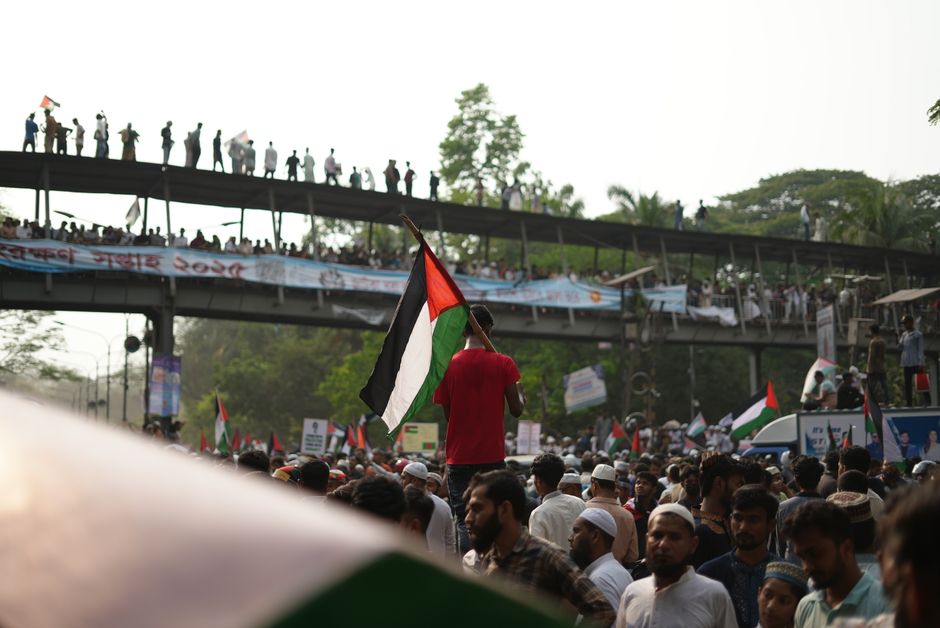
The connection between this Middle Eastern dynamic and Pakistan, a nuclear-armed state in South Asia, might not be immediately apparent but is deeply rooted in shared religious and ideological solidarity, strategic calculations, and the global nature of counter-terrorism efforts. Pakistan, as a predominantly Muslim nation, has historically expressed strong support for the Palestinian cause and has been critical of Israeli policies. This solidarity is often framed within a broader Islamic unity, where the perceived plight of Palestinians resonates with religious and nationalist sentiments in Pakistan. While Pakistan does not formally recognize Israel, there have been periods of indirect engagement and speculation about potential future diplomatic overtures, particularly if a comprehensive peace settlement is achieved. However, public opinion and political discourse in Pakistan remain largely pro-Palestinian, influencing the country’s foreign policy stance on the issue. The perception of injustice against Palestinians is a significant element of Pakistani public discourse, impacting its relationship with both Israel and its allies.
Furthermore, the rise of transnational terrorist organizations and the evolving nature of asymmetric warfare create strategic linkages that extend beyond geographical proximity. Groups like Hamas and Hezbollah, while primarily focused on the Israeli-Palestinian conflict and Lebanon, operate within a broader network of non-state actors and state sponsors. Pakistan, with its own complex history of dealing with internal extremism and its strategic relationship with China, finds itself in a position where regional instability in the Middle East can have ripple effects. The potential for radical ideologies to spread, the diversion of international attention and resources from other critical security issues, and the possibility of proxy conflicts are all factors that concern Islamabad. Pakistan’s intelligence agencies monitor the activities of militant groups globally, and any significant escalation in the Middle East involving actors with connections, however tenuous, to Pakistan-based extremist elements would be of considerable interest. The ideological fervor surrounding the Israeli-Palestinian conflict can also serve as a recruitment tool for extremist groups operating in or targeting Pakistan.
The broader Asian context is crucial for understanding the global implications of this nexus. Asia is a continent of immense diversity, encompassing major powers like China and India, both of whom have increasingly significant economic and strategic interests in the Middle East. China, in particular, has been expanding its influence in the region, investing heavily in infrastructure and energy projects, and seeking to play a larger diplomatic role. Beijing’s stance on the Israeli-Palestinian conflict has historically been supportive of a two-state solution, aligning with international consensus, but its growing engagement with all parties involved, including Iran and its proxies, adds a new layer of complexity. India, while maintaining strong ties with Israel, also prioritizes its relations with Arab nations and has a large Muslim population, necessitating a balanced approach to the conflict. The economic interdependence between Asia and the Middle East, particularly concerning energy supplies, means that any major disruption in the Middle East can have significant economic consequences for Asian economies, including Pakistan.
The proliferation of advanced weaponry and the increasing sophistication of non-state actors are also critical Asian concerns. As groups like Hezbollah acquire more potent missile systems, the threat of regional escalation and potential spillover effects into neighboring Asian countries, or even indirect involvement through proxy networks, becomes a more tangible concern. Pakistan’s own nuclear deterrent and its strategic competition with India mean that any destabilization in the broader region could be perceived through the lens of its own security calculus. The interplay of economic competition, ideological alignments, and security threats among Asian powers, including their engagement with the Middle East, creates a complex web of alliances and rivalries that are constantly shifting. The Belt and Road Initiative, for example, connects China and Pakistan to the Middle East through infrastructure projects, creating new economic arteries but also potentially new vulnerabilities and points of contention.
The role of state sponsors, primarily Iran, in supporting groups like Hezbollah and indirectly influencing dynamics in Gaza, is a critical factor that resonates across Asia. Iran’s regional ambitions and its ongoing rivalry with Saudi Arabia and other Gulf states create a proxy battleground that extends throughout the Middle East and has implications for the stability of energy markets vital to Asian economies. Pakistan, while not directly involved in the Iran-Saudi rivalry, is strategically positioned and has historically maintained a delicate balance in its relationships with both countries. The ideological resonance of the Israeli-Palestinian struggle also finds expression in Southeast Asia, where significant Muslim populations reside, and where public opinion can influence diplomatic stances and trade relations with Middle Eastern countries. The consistent reports of human rights abuses, the humanitarian crisis in Gaza, and the perceived injustice against Palestinians are amplified through global media networks, reaching audiences in every corner of Asia and shaping public perception.
In conclusion, the interconnectedness of Israel, Gaza, Hezbollah, Pakistan, and Asia is not merely a matter of geographical proximity but a deeply interwoven tapestry of historical grievances, ideological solidarity, strategic calculations, and global economic interests. The Israeli-Palestinian conflict, amplified by the actions of groups like Hezbollah, continues to be a potent destabilizing force in the Middle East. This instability has tangible repercussions for Pakistan, influencing its foreign policy, security concerns, and its role within the broader Islamic world. For the rest of Asia, the conflict represents a challenge to regional stability, energy security, and the burgeoning economic ties with the Middle East. The rise of transnational threats and the evolving geopolitical landscape demand a comprehensive understanding of these intricate connections to navigate the complex challenges and to foster a more stable and secure future for all involved. The persistent cycle of violence in Gaza, the sustained threat posed by Hezbollah, and Pakistan’s strategic position within Asia all contribute to a volatile and dynamic regional order that demands constant vigilance and nuanced diplomatic engagement. The absence of a lasting peace in the Israeli-Palestinian conflict will continue to cast a long shadow, impacting security and stability across continents.
