
Texas Tech Supreme Court
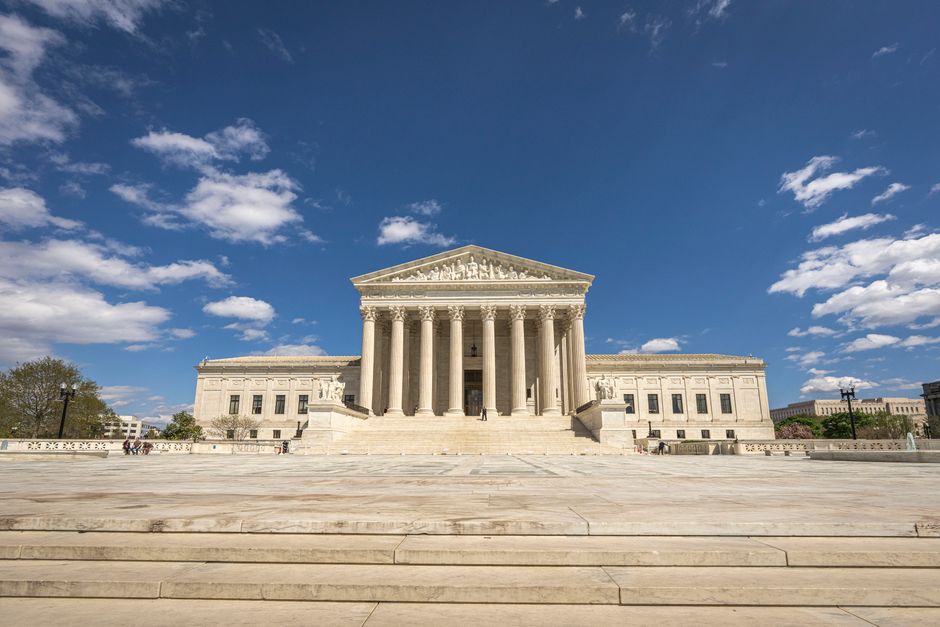
Texas Tech Supreme Court: Navigating Legal Precedent and Student Governance
The Texas Tech Supreme Court, an integral component of the university’s student government structure, functions as the judicial branch of the Student Government Association (SGA). Unlike the federal or state supreme courts, its authority is derived from the SGA Constitution and its purview is limited to interpreting and applying those foundational documents and SGA legislation. This student-run judiciary plays a crucial role in resolving disputes, upholding the integrity of SGA operations, and ensuring accountability within the student body’s representative government. Its decisions, while not carrying the weight of actual judicial pronouncements, establish precedent within the SGA framework, guiding future student governance and student rights. Understanding the function, jurisdiction, and impact of the Texas Tech Supreme Court is essential for students involved in or affected by SGA activities.
The jurisdiction of the Texas Tech Supreme Court is primarily defined by the SGA Constitution and bylaws. It typically hears cases involving disputes between student organizations, appeals from lower SGA judicial bodies (such as judicial review committees within specific colleges or student organizations), and challenges to the constitutionality or legality of SGA legislation and actions. This includes, but is not limited to, disputes over the allocation of student fees, the interpretation of SGA election rules, and the adherence to procedural due process in SGA disciplinary actions. The court’s power lies in its ability to review the actions of other SGA branches and student organizations to ensure they are in compliance with the governing documents. For instance, if a student organization believes its funding request was unfairly denied according to SGA guidelines, they may petition the Texas Tech Supreme Court for review. Similarly, if a student believes their rights were violated during an SGA election process, the court can be invoked. This judicial oversight is a cornerstone of maintaining a fair and transparent student governance system. The scope of their authority necessitates a thorough understanding of parliamentary procedure, SGA statutes, and fundamental principles of fairness and due process as they apply to student organizations. The court’s interpretations and rulings become the de facto law for SGA matters, shaping how student governance operates and how student rights are protected within the university’s self-governing framework.
The structure and composition of the Texas Tech Supreme Court are designed to ensure impartiality and thorough deliberation. Typically, the court comprises a Chief Justice and several Associate Justices, all of whom are elected students, often with demonstrated leadership experience and a commitment to service. The nomination and confirmation process for these positions usually involves vetting by other SGA bodies and a vote by the student senate or assembly, ensuring a level of peer review. Justices are expected to possess a strong understanding of SGA governance, critical thinking skills, and the ability to analyze complex issues objectively. The process of selecting justices is as important as the court’s function itself, as it directly impacts the perceived legitimacy and fairness of the judicial branch. The terms of service for justices are carefully defined to balance continuity with the introduction of new perspectives. Their responsibilities extend beyond adjudicating cases; they are also tasked with maintaining the court’s records, issuing opinions, and upholding the ethical standards expected of judicial officers. The rigorous selection process aims to cultivate a court that is both competent and trustworthy, capable of handling the diverse legal challenges that arise within the student governance landscape of a large public university like Texas Tech.
The procedural framework within which the Texas Tech Supreme Court operates mirrors, in principle, that of higher courts, albeit on a smaller scale. Cases are typically initiated through the filing of a petition or complaint, outlining the nature of the dispute and the relief sought. Parties involved are usually afforded the opportunity to submit written briefs, present oral arguments, and, in some instances, provide evidence. The court then deliberates, often in closed sessions, to reach a decision. Decisions are typically rendered in written opinions, which serve to explain the court’s reasoning and establish the legal precedent for future cases. These opinions are crucial for transparency and for educating the student body about the governing principles of SGA. The adherence to established procedures, from the initial filing to the final judgment, is vital for ensuring due process and maintaining the integrity of the judicial process. This procedural rigor, even within a student government context, reinforces the idea that fairness and systematic evaluation are paramount in resolving disputes and upholding governance principles. The emphasis on written opinions also serves an educational purpose, clarifying complex SGA rules and their application.
The precedential value of Texas Tech Supreme Court decisions is a critical aspect of its function. While these rulings do not hold legal sway outside the university and are subordinate to federal and state law, they establish binding interpretations of SGA documents and policies for all student organizations and SGA entities. This means that once a legal question is decided by the Supreme Court, its interpretation is generally followed in subsequent, similar cases. This doctrine of precedent, or stare decisis, promotes consistency and predictability in student governance. It prevents the constant re-litigation of the same issues and ensures that SGA policies are applied uniformly. For example, if the court rules on a specific interpretation of a student fee allocation policy, that interpretation will guide future funding decisions and appeals. The development of a robust body of case law through these decisions strengthens the SGA’s ability to function effectively and fairly over time, providing a stable legal framework for student activities and representation. This internal legal framework is essential for the long-term health and efficacy of the Student Government Association, ensuring that its operations are grounded in established principles and consistent interpretations.
The impact of the Texas Tech Supreme Court extends beyond the immediate resolution of disputes. It plays a significant role in shaping student rights and the overall culture of student governance at Texas Tech. By adjudicating cases, the court clarifies ambiguities in SGA bylaws, reinforces the importance of due process, and can even prompt the SGA to amend its governing documents to address emerging issues or perceived injustices. Its decisions can empower student organizations by clarifying their rights and responsibilities, or conversely, hold them accountable for violations of SGA policies. In essence, the court acts as a check and balance within the SGA, ensuring that the legislative and executive branches operate within the established legal framework. Furthermore, the existence of a judicial branch, however student-led, instills a sense of order and fairness, encouraging greater engagement with and trust in the student government. The court’s work can influence student participation in SGA, as students are more likely to trust a system that they perceive as just and accountable.
Challenges and limitations are inherent in any student-run judicial system. The Texas Tech Supreme Court, like its counterparts at other institutions, operates with inherent limitations. Firstly, its authority is entirely dependent on the SGA’s willingness to recognize and abide by its rulings. While typically there is strong adherence, significant political pressure or disagreement could theoretically undermine its influence. Secondly, the justices, being students, may lack extensive legal training or experience, which can impact the sophistication of their legal analysis and written opinions. However, this is often mitigated through robust training, mentorship, and a clear understanding of the scope of their jurisdiction. Thirdly, the volume of cases and the time constraints faced by student justices can also present challenges, potentially leading to delays in adjudication. Despite these limitations, the Texas Tech Supreme Court remains a vital institution, providing a necessary mechanism for legal interpretation and dispute resolution within the student governance structure of Texas Tech University. The success of the court hinges on the continued commitment of the SGA to uphold its authority and the dedication of its student justices to serving with integrity and diligence.
The Texas Tech Supreme Court’s educational value cannot be overstated. For students serving as justices, it offers an unparalleled opportunity to develop critical legal reasoning, public speaking, and analytical skills in a practical setting. They gain a deep understanding of governance, constitutional law principles as they apply to student bodies, and the intricacies of institutional policy. For the broader student body, the court’s published opinions and its very existence serve as an educational tool. They demonstrate the practical application of SGA rules, highlight the importance of legal processes, and inform students about their rights and responsibilities within the university’s governance framework. This educational component fosters a more informed and engaged student population, capable of participating more effectively in student governance and advocating for their interests. The process of studying and upholding SGA law translates into a more nuanced understanding of institutional operations for all involved.
Looking forward, the evolution of the Texas Tech Supreme Court will likely be shaped by the changing needs and complexities of student governance. As the university grows and student life becomes more multifaceted, the types of disputes brought before the court may diversify. Continuous review and potential amendment of SGA governing documents, informed by the court’s interpretations and rulings, will be crucial for maintaining a relevant and effective judicial branch. Furthermore, ongoing efforts to enhance the training and support for student justices will be vital to ensuring the continued quality and integrity of its judicial functions. The commitment to a strong and fair student judiciary is an investment in the democratic principles and responsible self-governance of the Texas Tech student community. Its capacity to adapt and remain a respected arbiter of SGA law will determine its enduring significance. The ongoing development of the court’s jurisprudence will continue to refine the understanding and application of SGA law, ensuring its relevance and effectiveness in the long term.
