
Lion Dance Lunar New Year
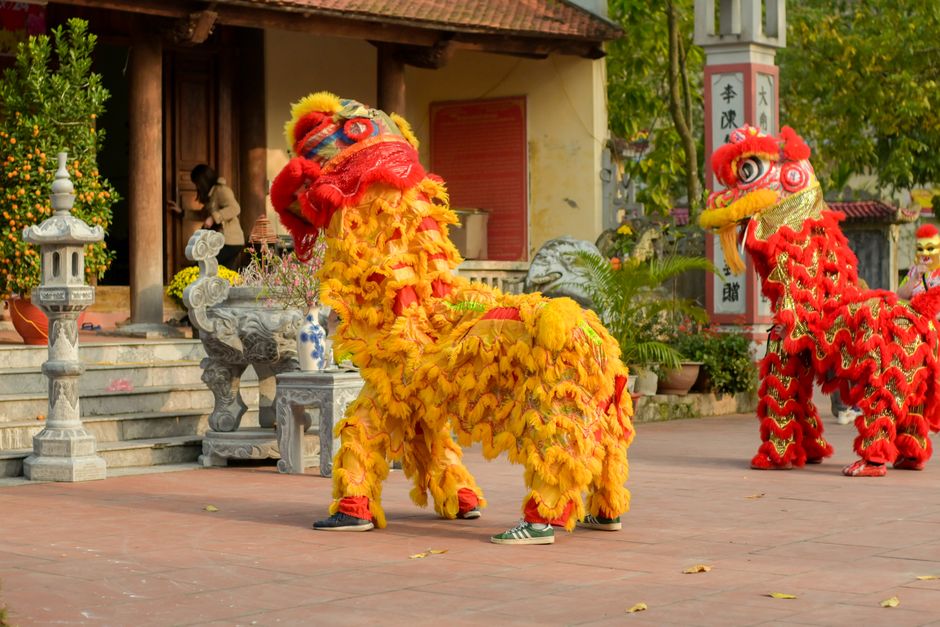
The Lion Dance: A Lunar New Year Spectacle of Auspicious Power and Cultural Significance
The lion dance is an integral and visually captivating tradition deeply interwoven with Lunar New Year celebrations across East and Southeast Asia and their diaspora communities. Far more than mere entertainment, it embodies a potent cultural lexicon, symbolizing good fortune, prosperity, warding off evil spirits, and ushering in a new cycle of auspiciousness. The performance, characterized by its vibrant costumes, percussive rhythms, and intricate choreography, is a dynamic manifestation of ancient beliefs and community spirit, drawing crowds eager to witness its blessings and revel in the festive atmosphere. Understanding the lion dance requires delving into its origins, its symbolic elements, its varied styles, and its enduring role in contemporary Lunar New Year festivities.
The historical roots of the lion dance are shrouded in legend and ancient practices, predating the formalization of Lunar New Year as a widespread festival. Evidence suggests its origins trace back over a thousand years, with strong connections to shamanistic rituals and agricultural practices in ancient China. Early forms were likely associated with warding off mythical beasts and malevolent spirits that threatened villages and harvests. The lion, a creature not native to China, became a powerful symbol of strength, courage, and protection through its introduction via trade routes and religious texts, particularly Buddhism. The adoption of the lion as the central figure in these ritualistic dances signifies a borrowed power, imbuing the performance with an aura of formidable protection. Over centuries, as these practices merged with burgeoning folk traditions and festivals, the lion dance evolved, becoming a more formalized and widely recognized component of New Year celebrations. The specific narratives and interpretations associated with the dance also diversified regionally, leading to the distinct styles observed today.
The mechanics and symbolism of the lion dance costume are central to its efficacy and visual impact. The lion itself is typically depicted as a two-person costume, with one performer controlling the head and forequarters, and the other the hindquarters and tail. This collaborative effort is symbolic of unity and teamwork, essential for community prosperity. The costume’s design is rich with symbolic meaning. The head, often elaborately decorated with bright colors like red, yellow, and green, features large, expressive eyes, a gaping mouth, and sometimes horns, all intended to intimidate evil spirits. The eyes are crucial for "waking up" the lion and imbuing it with its protective spirit. The body of the lion is usually made of brightly colored silk or other lightweight materials, often adorned with scales or fur patterns. The movements of the performers are designed to mimic the agility, strength, and playfulness of a real lion, from its curious sniffing and playful pouncing to its fierce roars and leaps. The performers themselves often wear traditional martial arts clothing, further emphasizing the disciplined and powerful nature of the dance. The evolution of the costume has also seen advancements in materials and design, allowing for greater flexibility and expressiveness in the performance.
The accompanying musical ensemble is not merely background noise; it is an integral, driving force of the lion dance. The rhythmic percussion, primarily consisting of drums, cymbals, and gongs, creates a powerful and hypnotic soundscape that guides the lion’s movements and amplifies its spiritual energy. The drumbeat, often a rapid and driving rhythm, mimics the lion’s heartbeat and its energetic movements. The cymbals crash and clash, symbolizing the lion’s roar and its ferocity in scaring away demons. The gongs, with their resonant tones, are believed to have a calming and auspicious effect, further enhancing the blessings bestowed by the dance. The specific patterns and rhythms of the music are often dictated by the sequence of movements, signaling changes in the lion’s mood or intent. For instance, a more frantic and loud rhythm might accompany the lion’s chase of an evil spirit, while a slower, more melodic rhythm might signify the lion’s playful exploration or its consumption of symbolic offerings. The musicians, themselves highly skilled, are as much a part of the performance as the dancers, their synchronicity essential for a successful and impactful lion dance.
The choreography of the lion dance is a highly stylized and symbolic art form, with distinct movements conveying specific meanings and intentions. While variations exist, common elements include: the “awakening” of the lion, where the performers rub the lion’s eyes and nose to bring it to life; the "eating of the greens" (cai qing), a crucial ritual where the lion devours a bundle of lettuce, often hung high, symbolizing the consumption of prosperity; and the "spitting out of the greens," where the lion scatters the leaves, distributing good fortune. The dance often incorporates elements of martial arts, showcasing powerful stances, leaps, and evasive maneuvers, all designed to demonstrate the lion’s strength and ability to overcome obstacles. Specific routines might depict the lion searching for food, playing with its tail, or confronting and vanquishing imaginary foes. The agility and coordination required are immense, demanding years of practice and dedication from the performers. The ability to convey emotion and narrative through movement alone is a testament to the art form’s depth and sophistication.
Two primary styles of lion dance dominate the landscape: the Northern (Bei Shi) and Southern (Nan Shi) styles, each possessing unique characteristics and regional affiliations. The Northern lion dance is often characterized by its more acrobatic and agile movements, performed with a lighter, more slender costume. The lion’s movements tend to be more fluid and graceful, often incorporating leaps, somersaults, and intricate footwork. This style is often associated with the use of props like poles and benches, upon which the performers showcase their balance and dexterity. The Northern style is generally seen as more playful and energetic, with a focus on showcasing the lion’s agility and youthful exuberance. Conversely, the Southern lion dance, originating from southern China, tends to be more powerful and dramatic. The costumes are often larger and heavier, with more pronounced facial features and a more imposing presence. The movements are more grounded and forceful, emphasizing strength, courage, and the lion’s ability to ward off evil. The Southern style often incorporates a greater emphasis on the lion’s ability to express a range of emotions, from ferocity to gentleness. The drumming and cymbal work in the Southern style tend to be more intense and commanding, further underscoring the lion’s formidable presence. Both styles, despite their differences, share the fundamental purpose of bringing good luck and dispelling misfortune.
Beyond its stylistic variations, the lion dance is deeply imbued with symbolic meaning, with each element carrying auspicious connotations. The colors of the lion are significant: red represents good luck and prosperity, yellow symbolizes royalty and wealth, green signifies growth and harmony, and blue or black can denote strength and power. The various facial expressions and movements are designed to represent different aspects of the lion’s spirit, from playful curiosity to fierce protection. The "cai qing" (eating of the greens) is perhaps the most recognizable ritual, with the lettuce (sheng) symbolizing "birth" or "growth," and the red envelopes often attached to the greens containing money, representing financial prosperity. The act of the lion devouring these elements signifies the incorporation of these blessings into the community. The lion dance is also believed to appease the god of wealth and bring good fortune for the coming year, encouraging a bountiful harvest and economic prosperity. The performance acts as a conduit for these positive energies, manifesting them tangibly for the viewers.
The performance of the lion dance during Lunar New Year is a multifaceted event, unfolding in various settings and fulfilling distinct roles. It is a common sight in public spaces, adorning bustling street markets, town squares, and community centers, drawing in families and individuals eager to partake in the festive spirit. Businesses, from small shops to large corporations, often invite lion dance troupes to their premises. This practice is believed to bring prosperity and good fortune to the establishment for the year ahead, as the lion "cleanses" the space of negative influences and invites wealth. Homes also welcome the lion dance, particularly for families celebrating major milestones or seeking extra blessings. The vibrant spectacle is a focal point of community gatherings, fostering a sense of shared cultural identity and collective well-being. The interaction between the lion and the audience is also crucial, with the lion often playfully teasing spectators, bestowing blessings with a gentle nudge, or engaging in mock battles with imaginary spirits, all contributing to the joyous and celebratory atmosphere.
The "awakening" of the lion, often performed by a respected elder or community leader, is a pivotal moment. This ritual involves dotting the lion’s eyes with a red substance (often red paint or wine) and sometimes burning incense, symbolizing the infusion of life and spirit into the costume. This act signifies the transition from an inert object to a living, potent symbol of auspiciousness. Following the awakening, the lion is believed to be imbued with the power to chase away evil spirits and attract good fortune. The specific sequence of events within a lion dance performance can vary, but generally includes the aforementioned "eating of the greens" and a series of dynamic movements that showcase the lion’s prowess and its benevolent intentions. The culmination of the performance often involves the lion bowing to the audience, signifying its respect and gratitude for their participation and welcoming the new year with optimism.
The lion dance has transcended its geographical origins, becoming a global phenomenon that connects diaspora communities with their cultural heritage. As Asian communities have migrated across the globe, they have brought with them this cherished tradition. In cities with significant Chinese, Korean, Vietnamese, and other East Asian populations, lion dances are now a staple of Lunar New Year celebrations, fostering a sense of continuity and cultural pride. These performances serve as vital educational tools for younger generations, connecting them to their ancestral customs and the rich history behind the dance. The intricate movements, the percussive music, and the symbolic meanings are passed down through dedicated troupes and martial arts schools, ensuring the survival and evolution of this ancient art form. The globalization of the lion dance has also led to creative interpretations and fusions, incorporating elements from diverse cultural landscapes while remaining true to its core essence.
In conclusion, the lion dance is a profound and multifaceted cultural practice that stands at the heart of Lunar New Year celebrations. It is a vibrant tapestry woven from ancient rituals, potent symbolism, and dynamic artistry, designed to usher in prosperity, ward off misfortune, and strengthen community bonds. From the meticulous construction of its iconic costume and the thunderous rhythm of its accompanying music to the intricate choreography and the deep symbolic meanings embedded within its every movement, the lion dance offers a powerful and visually stunning expression of hope and good fortune. Its enduring presence in both traditional and globalized celebrations underscores its timeless appeal and its vital role in preserving and perpetuating cultural heritage for generations to come. The sight and sound of the lion dance continue to captivate audiences worldwide, serving as a potent reminder of the power of tradition, community, and the auspicious promise of a new year.
