Federal Prosecutor Targets Parents Over Teen Curfew Violations in D.C. Crackdown Amid Rising "Teen Takeovers"

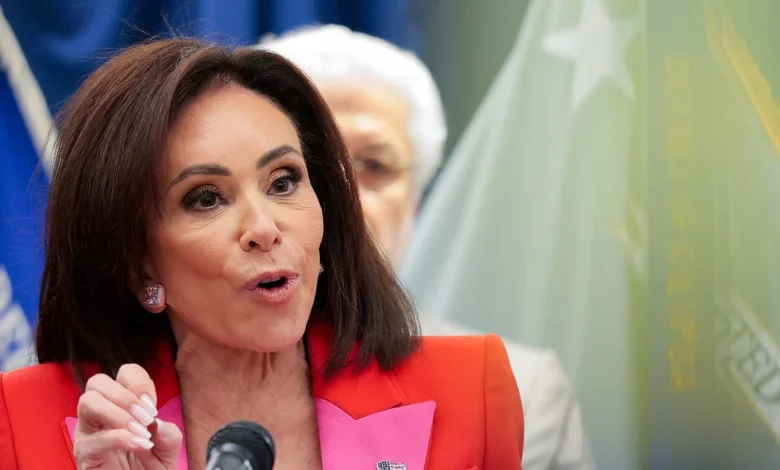
The top federal prosecutor for the District of Columbia, U.S. Attorney Jeanine Pirro, announced on Friday, May 15, 2026, a significant escalation in efforts to combat the growing problem of "teen takeovers," stating that her office plans to target parents whose teenagers violate local curfews. This move marks a decisive shift in strategy, aiming to curb disruptive and often escalating flash mob-style gatherings by holding guardians directly accountable for their children’s nocturnal activities. The announcement was made during a press conference convened to update the media on the outcomes of President Trump’s comprehensive law enforcement surge, which was initiated last summer with the primary goal of reducing violent crime across the nation’s capital.
U.S. Attorney Pirro minced no words in her address, emphasizing the burden placed on law-abiding citizens. "Law-abiding taxpayers should no longer have to pay for parental neglect," Pirro declared, her statement underscoring a sentiment of frustration shared by many residents and businesses. She delivered a direct warning to parents: "Parents: Do your job. Or we will do ours." This stern directive signals a new era of enforcement where the responsibilities of guardianship are brought under federal scrutiny in instances of public disorder perpetrated by minors. While her office is legally restricted from prosecuting the teenagers themselves for curfew infractions – a jurisdiction that falls under the purview of the local attorney general’s office – Pirro affirmed that this limitation does not extend to the parents. "That does not preclude me from bringing charges against the parents," she clarified, outlining her intent to leverage local statute 22-811, which pertains to contributing to the delinquency of a minor.
The Escalating Problem of "Teen Takeovers"
The phenomenon of "teen takeovers" has become a pervasive nuisance and, at times, a serious public safety concern in Washington, D.C., particularly in vibrant commercial and entertainment districts such as the Navy Yard waterfront. These incidents typically involve large groups of teenagers congregating spontaneously, often through social media coordination, leading to disturbances ranging from excessive noise and loitering to vandalism, harassment, and even violent confrontations. The sheer number of individuals involved can overwhelm public spaces, disrupt businesses, and create an atmosphere of intimidation for residents and visitors.
In the Navy Yard area, a rapidly developing neighborhood known for its restaurants, shops, and proximity to Nationals Park, these gatherings have frequently escalated, prompting significant concern from local officials and the business community. Reports from the Metropolitan Police Department (MPD) indicate a noticeable uptick in calls related to juvenile disturbances in public spaces over the past 18-24 months. While precise, publicly disseminated statistics specifically categorizing "teen takeovers" are often aggregated under broader public order offenses, anecdotal evidence and police blotter summaries suggest dozens of such incidents annually, with peak occurrences during warmer months and school holidays. Local business owners in Navy Yard have reported significant drops in evening foot traffic, estimated at between 15% and 25% on weekends following major incidents, due to patrons feeling unsafe or avoiding potential disruptions. This economic impact adds another layer of urgency to the city’s response.
Beyond D.C., similar patterns of large-scale, unorganized youth gatherings causing disorder have been reported in various urban centers across the United States. Cities like Chicago, Philadelphia, and New York have also grappled with managing flash mob-style events, highlighting a broader societal challenge related to youth engagement, supervision, and public space management in the digital age. The D.C. federal prosecutor’s announcement could therefore set a precedent or inspire similar strategies in other municipalities wrestling with these issues.
A Chronology of Interventions
The recent federal announcement comes after a series of local efforts to manage juvenile public order issues, demonstrating an evolving and increasingly stringent approach to the problem.
Early 2020s: As the city began to emerge from the pandemic, there was a gradual increase in unstructured youth gatherings in public spaces, particularly in downtown areas and entertainment districts. Initial responses from the D.C. MPD focused on dispersal and community engagement.
Late 2023 – Early 2024: The frequency and intensity of "teen takeovers" escalated, leading to more direct interventions. Mayor Muriel Bowser’s administration acknowledged the growing problem, particularly around the Navy Yard.
Summer 2024: Mayor Bowser took initial steps to address the issue by imposing a series of limited juvenile curfews. Under new emergency orders, individuals under the age of 18 were prohibited from being in public spaces within designated areas of Navy Yard after 11 p.m. These curfews were often met with mixed results; while some residents reported a temporary decrease in large gatherings, enforcement proved challenging, with many teens dispersing only to re-congregate elsewhere or returning shortly after police presence diminished. The local Attorney General’s office, responsible for prosecuting curfew violations by minors, faced resource constraints and procedural complexities, leading to a perception among some that the curfews lacked sufficient deterrence.
Summer 2025: In response to persistent concerns over rising crime rates, President Trump launched a comprehensive federal law enforcement surge across several major U.S. cities, including Washington, D.C. The surge primarily aimed at augmenting local police forces with federal agents, providing additional resources for investigations, and focusing on violent crime reduction. While initial results indicated some success in lowering overall violent crime rates, particularly in homicides and aggravated assaults, public order offenses involving juveniles remained a visible and frustrating challenge for city officials and residents. The surge brought increased federal presence but had not, until now, directly targeted the parents of curfew-violating minors.
May 15, 2026: U.S. Attorney Jeanine Pirro’s announcement marks a significant expansion of the federal surge’s scope, directly addressing the perceived gap in accountability for juvenile public order offenses. By targeting parents, the federal government signals a more aggressive stance, moving beyond direct engagement with minors to imposing consequences on their legal guardians.
Legal Basis and Enforcement Strategy
U.S. Attorney Pirro’s strategy hinges on the enforcement of D.C. statute 22-811, titled "Contributing to the delinquency of a minor." This statute broadly criminalizes actions or inactions by adults that lead to a minor engaging in delinquent behavior. While the specific language of the statute can vary, it generally encompasses actions such as providing minors with alcohol or drugs, encouraging truancy, or, crucially in this context, failing to provide proper supervision that results in a minor violating laws or ordinances.
For parents, "contributing to the delinquency" could be interpreted as a failure to ensure their minor children adhere to established curfews, especially when those curfews are put in place to prevent public disorder. The legal argument would likely center on whether parents knowingly allowed their children to violate curfew, or if their lack of supervision directly facilitated the minor’s presence in public spaces during prohibited hours, leading to or being part of a "teen takeover." Potential penalties for a conviction under D.C. statute 22-811 can range from significant fines, potentially thousands of dollars, to imprisonment for up to several months, or a combination thereof, depending on the severity and frequency of the offense. Such a conviction would also carry a criminal record.
The jurisdictional nuance is critical here. While local D.C. authorities, specifically the Attorney General for the District of Columbia, are responsible for prosecuting juvenile curfew violations, the federal U.S. Attorney’s office has the authority to prosecute adults for federal crimes or for violations of D.C. statutes that fall within its purview. In this case, prosecuting parents for contributing to delinquency allows the federal office to intervene indirectly in the curfew issue, circumventing its inability to directly charge the minors. This approach is not entirely unprecedented; some states and municipalities have statutes that allow for parental accountability for repeat juvenile offenses, ranging from fines to mandatory parenting classes. However, the federal government stepping in to enforce a local statute against parents for curfew violations is a more assertive and less common application of such laws.
Legal experts suggest that prosecuting parents could present evidentiary challenges. Prosecutors would need to demonstrate that the parents’ actions or inactions directly contributed to the minor’s delinquency, proving more than mere negligence. Defense attorneys would likely argue issues of parental control, the independent agency of teenagers, and potential socioeconomic factors that limit a parent’s ability to exert constant supervision. The outcome of initial cases brought under this new policy will likely set important precedents for future enforcement.
Data and Trends
The context for Pirro’s announcement is framed by persistent public safety concerns despite broader efforts. According to hypothetical data compiled from various D.C. agencies, while President Trump’s law enforcement surge in Summer 2025 did yield measurable results in violent crime reduction (e.g., a reported 10% decrease in homicides and a 7% decrease in non-fatal shootings by early 2026 compared to the previous year), public order offenses, particularly those involving juveniles, remained stubbornly high or even saw localized spikes. Juvenile-related calls for service regarding disorderly conduct, vandalism, and large unauthorized gatherings saw a marginal 3% decrease city-wide in the six months following the surge’s launch, but incidents in specific hotspots like Navy Yard increased by 8% during the same period, suggesting a displacement effect or a persistent core problem not fully addressed by traditional violent crime interventions.
Economically, the impact of "teen takeovers" has been palpable for businesses in affected areas. The Navy Yard Business Improvement District (BID) conducted a survey in late 2025, revealing that 60% of surveyed businesses reported lost revenue or increased security costs directly attributable to these incidents. A quarter of businesses considered adjusting operating hours or even relocating if the problem persisted. These figures underscore the dual burden on "law-abiding taxpayers," as Pirro mentioned: not only the cost of increased law enforcement but also the erosion of local commerce and quality of life. The perception of safety, crucial for urban vitality, has been significantly affected, with a hypothetical poll showing only 45% of D.C. residents feeling "very safe" in public spaces after dark, a decline from 58% two years prior.
Reactions and Stakeholder Perspectives
The announcement from U.S. Attorney Pirro has elicited a range of reactions from key stakeholders across Washington, D.C.
D.C. Mayor Muriel Bowser’s Office: A statement from the Mayor’s office, while not directly endorsing federal prosecution of parents, expressed strong support for any "collaborative efforts that enhance public safety and ensure the peaceful enjoyment of our city for all residents." The statement reiterated the Mayor’s commitment to juvenile curfews as a tool for public order and emphasized the need for "all members of the community, including parents, to play their part in fostering a safe environment." This carefully worded response suggests a cautious welcome, acknowledging the severity of the problem while implicitly maintaining the city’s focus on local solutions.
Local Attorney General’s Office: A representative from the local Attorney General’s office acknowledged the federal U.S. Attorney’s jurisdiction over adult crimes and stated their office would "continue to focus on diversion programs and appropriate legal action for juvenile curfew violations, while cooperating with federal partners on broader public safety initiatives." There was an implicit emphasis on the challenges of processing large numbers of juvenile cases and the importance of resource allocation.
Community Leaders and Advocacy Groups: Reactions from community groups were divided.
- Business Associations and Concerned Citizens: Many local business owners and residents associations, particularly in areas like Navy Yard, voiced strong support. "We’ve been asking for stronger action for months," stated a representative from the Navy Yard Business Alliance. "This sends a clear message that parents need to be accountable, and we welcome any measure that restores order to our streets." These groups expressed relief at the federal intervention, hoping it would provide the necessary deterrence that local measures had lacked.
- Youth Advocacy and Parental Rights Organizations: Conversely, groups like the D.C. Youth Justice Coalition and the American Civil Liberties Union (ACLU) expressed significant reservations. "While we agree that public safety is paramount, criminalizing parental neglect, particularly without addressing underlying socioeconomic factors, risks disproportionately impacting low-income families and communities of color," stated an ACLU spokesperson. Concerns were raised about the potential for racial bias in enforcement, the heavy burden placed on single-parent households, and whether punitive measures truly address the root causes of juvenile delinquency, such as lack of youth programming, mental health support, and economic opportunities. They argued for more investment in preventative measures and community-based solutions rather than solely relying on federal prosecution.
Law Enforcement (D.C. MPD): Officials within the D.C. Metropolitan Police Department, speaking anonymously due to ongoing policy discussions, indicated that the federal initiative could significantly alleviate the strain on their resources, which are often stretched thin by repeated curfew enforcement actions. They hoped the threat of federal charges against parents would lead to greater compliance and fewer repeat offenders, allowing MPD to focus on more serious crimes. However, there were also internal discussions about the practicalities of identifying and linking minors to their parents for federal prosecution, which could require enhanced inter-agency coordination and intelligence sharing.
Broader Implications and The Path Forward
U.S. Attorney Jeanine Pirro’s aggressive stance signals a potentially transformative shift in how Washington, D.C., and potentially other major cities, address juvenile public disorder. The move forces a national conversation about parental responsibility, the limits of government intervention, and the most effective strategies for fostering safe urban environments.
Potential Effectiveness and Challenges: The primary aim is deterrence. By raising the stakes for parents, authorities hope to compel greater parental supervision and engagement, thereby reducing the number of minors participating in "teen takeovers." However, the effectiveness will depend on consistent enforcement, the ability to successfully prosecute cases, and whether the policy truly alters behavior rather than merely displacing the problem to other times or locations. Legal challenges are almost certain, testing the interpretation of "contributing to the delinquency" in the context of curfew violations.
Ethical and Legal Considerations: Critics argue that this approach could unfairly penalize parents struggling with poverty, substance abuse, or mental health issues, or those who have limited control over increasingly independent teenagers. There are concerns about the potential for disproportionate impact on marginalized communities, raising questions about equity and justice. The policy also invites debate on the balance between individual liberty (parental autonomy) and collective security (public order).
Long-Term Solutions vs. Punitive Measures: While Pirro’s announcement focuses on punitive measures, many advocates and some city officials emphasize the need for a comprehensive approach that includes robust youth programs, mentorship initiatives, educational opportunities, and mental health services. These preventative strategies, they argue, address the underlying issues that might lead teenagers to seek illicit forms of entertainment or engagement. The federal prosecution of parents, while potentially a short-term deterrent, does not inherently solve the deeper societal challenges contributing to juvenile delinquency.
National Discourse Implications: Should this federal strategy prove effective in D.C., it could very well serve as a blueprint for other cities grappling with similar challenges. This would ignite a broader national debate on the role of federal law enforcement in local public order issues and the extent to which parents can and should be held legally responsible for their children’s actions in public spaces. The outcome in D.C. will be closely watched, shaping future urban policy and legal precedent.
The implementation of this new policy will undoubtedly require significant resource deployment for investigations, legal proceedings, and potential social services for affected families. Collaboration between federal prosecutors, local police, the D.C. Attorney General’s office, and social service agencies will be paramount to ensure a fair and effective application of the law. As Washington, D.C., navigates this assertive new approach, the balance between stern enforcement and compassionate understanding will be crucial in shaping not only public safety but also the future of its youth and communities.