American Airlines Enhances Premium Passenger Experience with Tableside Dining Integration at Miami Flagship Lounge

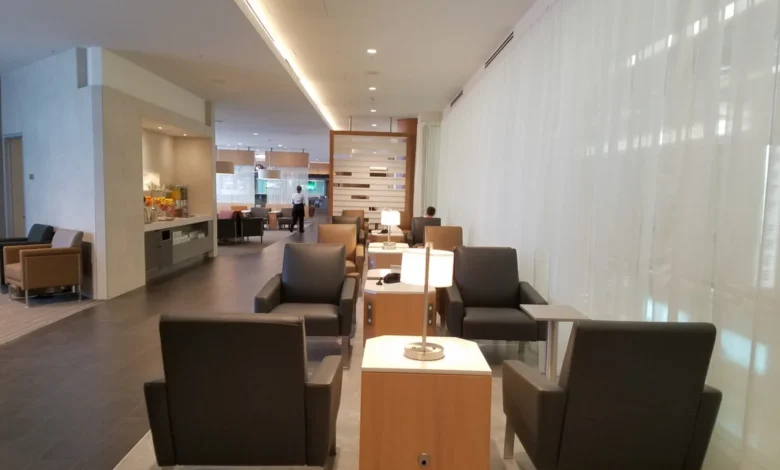
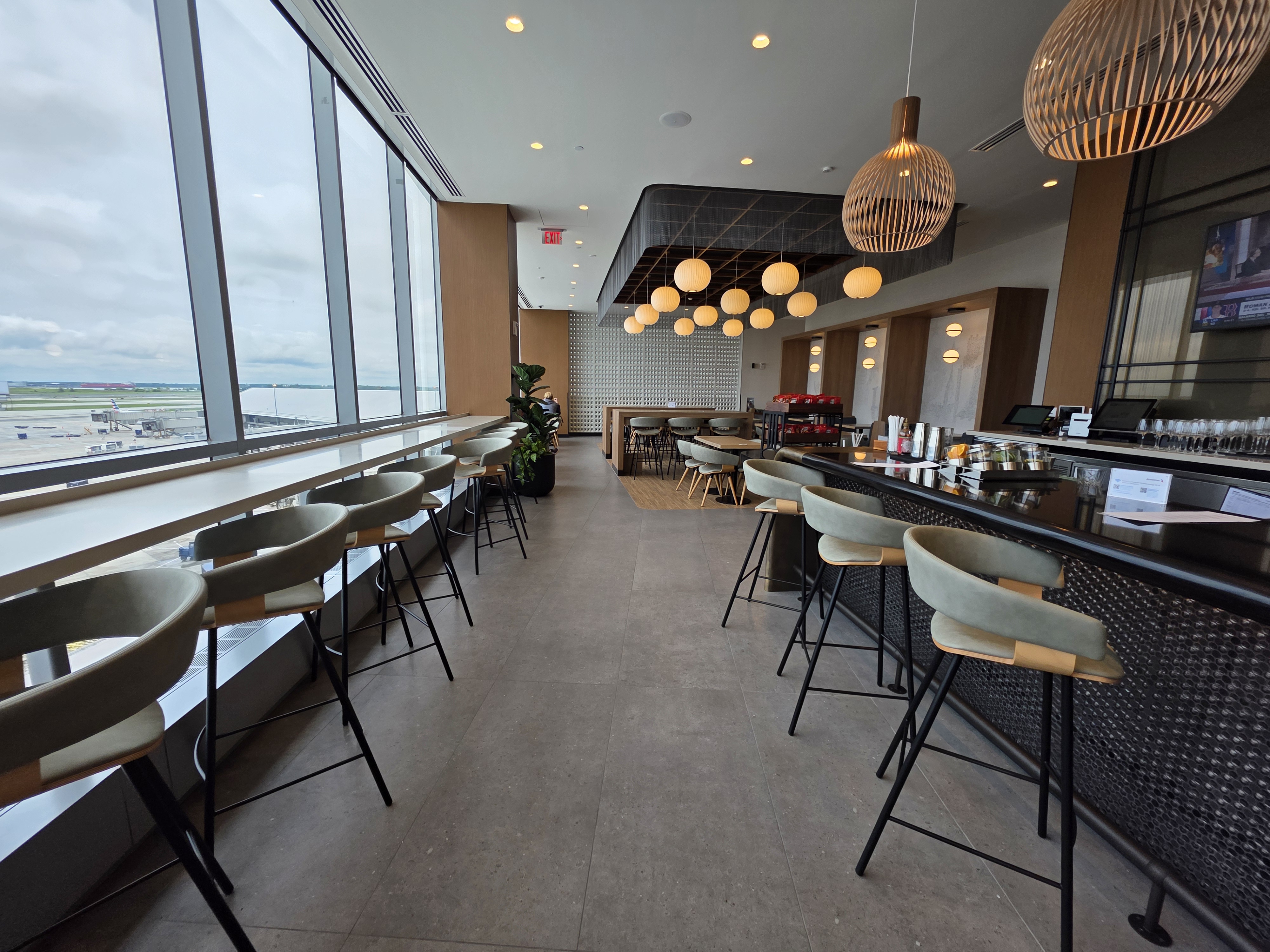
American Airlines has officially expanded its premium lounge service model by introducing tableside food ordering via QR codes at its Flagship Lounge in Miami International Airport, marking a significant shift in how the carrier manages its high-end ground experience. This digital integration allows passengers to browse a curated menu and have freshly prepared dishes delivered directly to their seats, a service model that the airline first successfully piloted at its joint-venture Soho Lounge at New York’s John F. Kennedy International Airport in 2022 and more recently implemented at its newly opened Philadelphia Flagship Lounge. By augmenting traditional buffet services with on-demand dining, American Airlines aims to bridge the gap between standard business class amenities and the ultra-exclusive "Flagship First Dining" experience, providing a more tailored environment for its most frequent and high-value travelers.
The Evolution of American Airlines’ Premium Lounge Strategy
The introduction of tableside dining in Miami is part of a broader, multi-year strategy by American Airlines to modernize its hub-based lounge infrastructure. Historically, the airline’s Flagship Lounges—distinct from the more common Admirals Clubs—offered a self-service buffet and premium bar. However, as competitors like United Airlines with its Polaris Lounges and Delta Air Lines with its recently launched Delta One Lounges have moved toward more personalized service, American has responded by integrating technology to improve passenger flow and service quality.
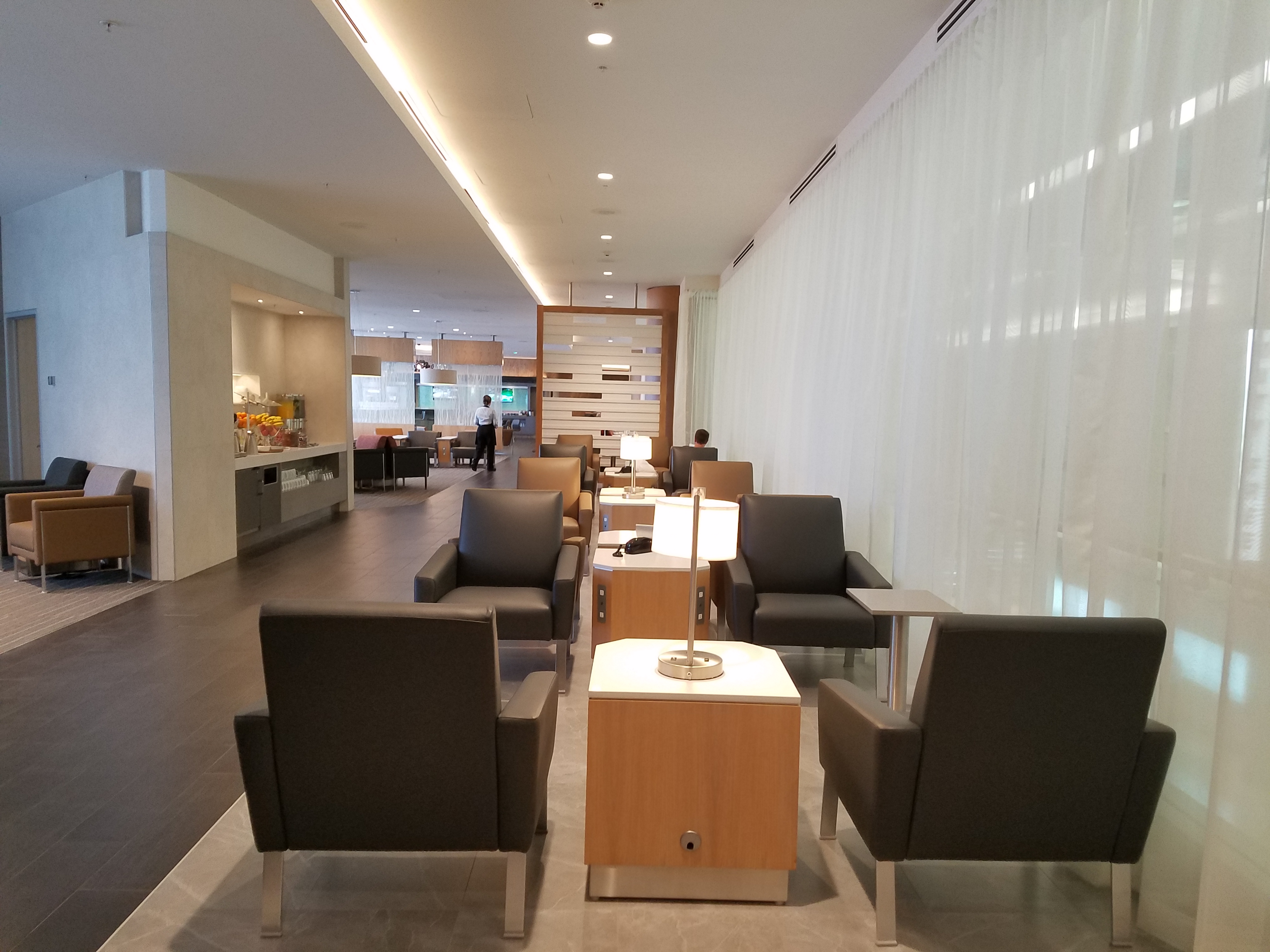
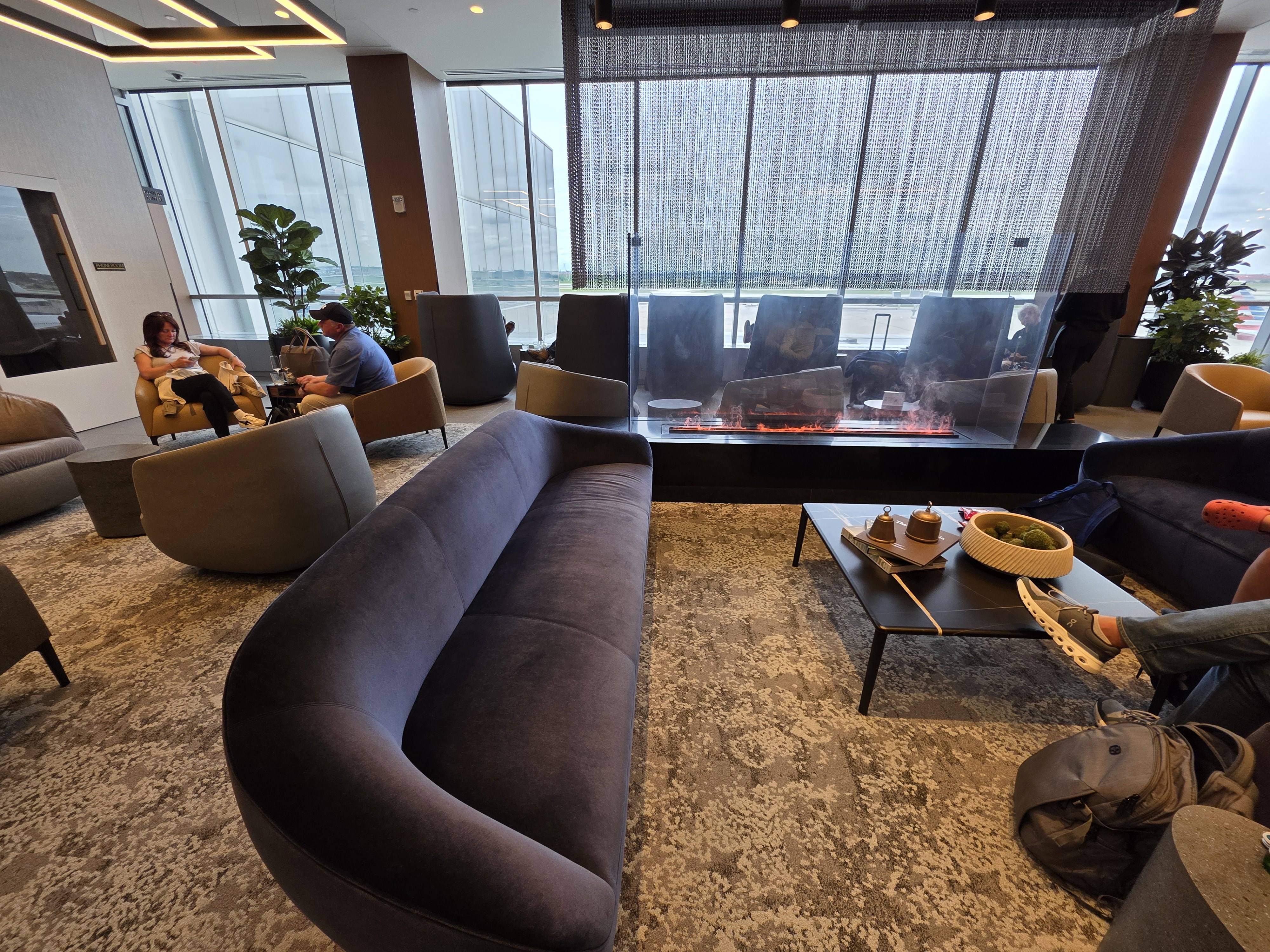
The Miami Flagship Lounge serves as a critical node in American’s network, acting as the primary gateway for premium traffic to Latin America and the Caribbean. The current facility, which features a design language established around 2017, is scheduled for a significant overhaul. Under the airline’s current development plan, a brand-new Flagship Lounge is being constructed in Miami, at which point the existing space will be converted to expand the capacity of the neighboring Admirals Club. This transition reflects the airline’s recognition that the 2017-era design, while functional, lacks the residential-inspired aesthetics and advanced service capabilities found in its newest installations, such as those in Philadelphia and the upgraded Admirals Clubs in Washington Reagan (DCA), Denver, and Newark.
Chronology of Service Enhancements and Facility Changes
The rollout of digital ordering in Miami follows a specific timeline of service adjustments that began during the post-pandemic recovery period. In 2022, American Airlines and British Airways collaborated to open the Soho and Chelsea Lounges at JFK Terminal 8. The Soho Lounge served as the testing ground for the QR-code-based tableside delivery system, which proved popular for its ability to reduce crowding around buffet stations and provide a more relaxed atmosphere for travelers.
Following the success at JFK, American integrated this technology into the Philadelphia Flagship Lounge, which opened to significant acclaim. The Philadelphia facility is currently regarded as the blueprint for the airline’s future lounge aesthetic, emphasizing natural light, local art, and high-quality finishes. Simultaneously, the airline has had to manage the contraction of its ultra-exclusive "Flagship First Dining" (FFD) product. While FFD remains operational in Dallas/Fort Worth and Miami, the JFK location was shuttered in favor of the Chelsea Lounge, and the Los Angeles (LAX) FFD facility has remained closed since the pandemic, despite persistent industry rumors regarding its eventual return.
Comparative Analysis: Flagship Lounge vs. Flagship First Dining
To understand the impact of the new tableside ordering in Miami, it is necessary to distinguish between the various tiers of American’s ground experience. The Flagship Lounge is accessible to a relatively broad segment of travelers, including those in international business class, premium transcontinental business class, and high-tier elite status members on eligible routes.
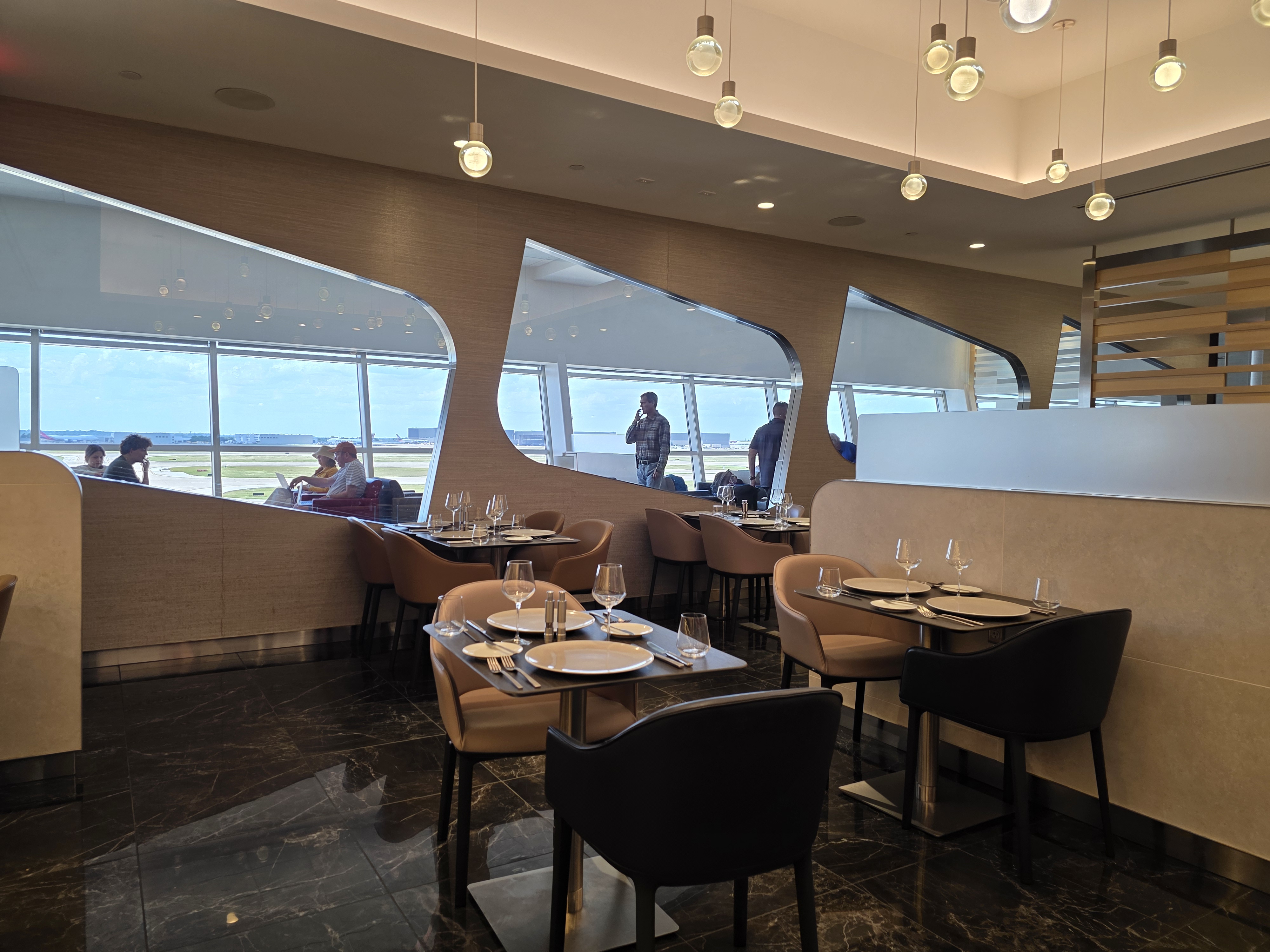
In contrast, Flagship First Dining is an "exclusive lounge within a lounge," offering a full multi-course fine dining experience with high-end wines and spirits. The Dallas/Fort Worth FFD is frequently cited by aviation analysts as the premier lounge experience in the United States, rivaling the first-class ground services of major European and Asian carriers.
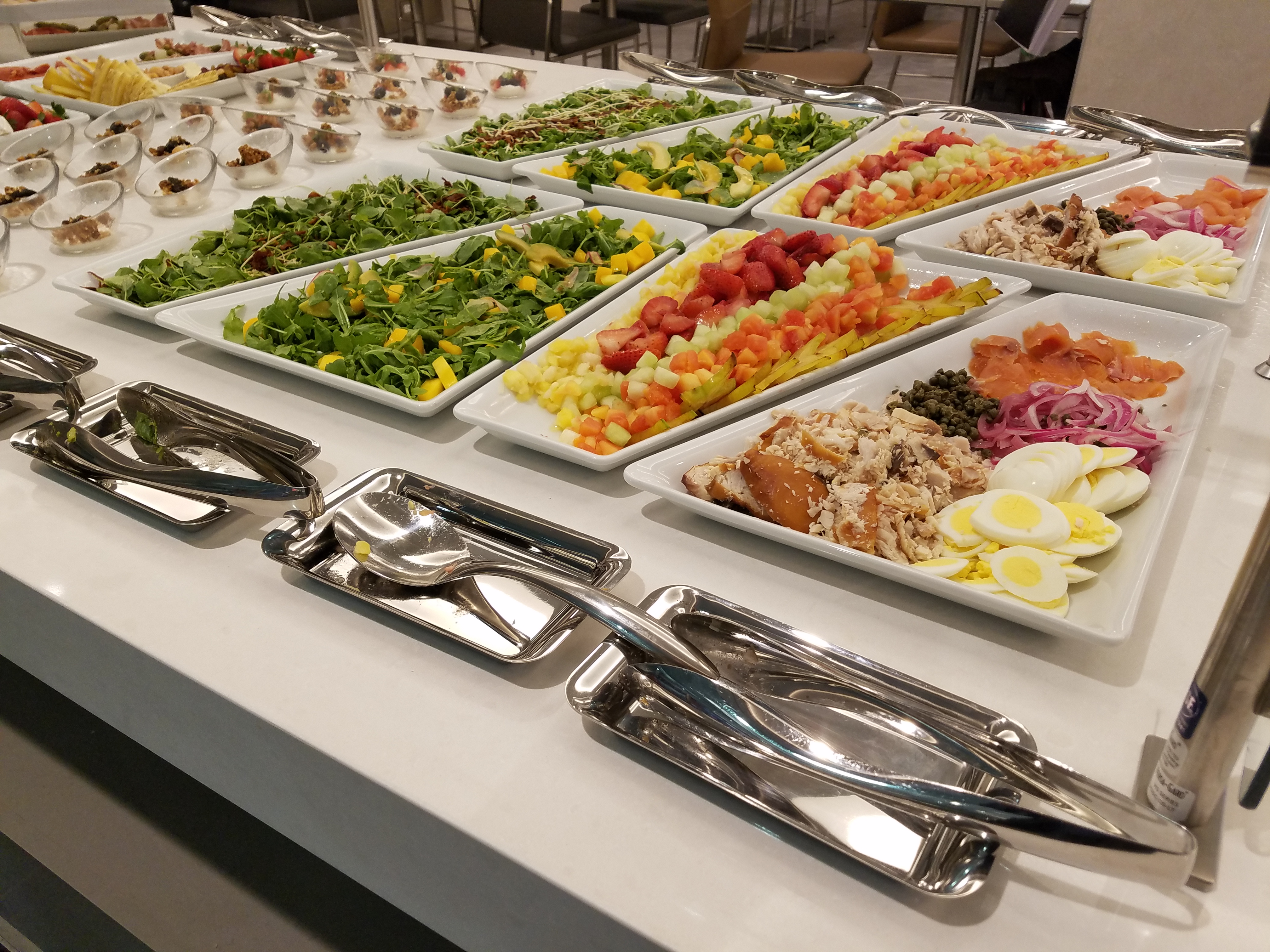
The introduction of QR-code ordering in the general Flagship Lounge area serves to democratize a portion of the "restaurant-style" feel previously reserved for FFD guests. While the menu items available via QR code are generally more casual than the gourmet offerings in FFD—often featuring items such as specialized sliders, seasonal salads, and regional snacks—the service provides a level of convenience that elevates the standard business class experience.
Expanding Access and the Value of Loyalty
One of the most notable aspects of American’s lounge strategy is the accessibility of these premium spaces compared to its domestic rivals. While United and Delta have increasingly restricted lounge access to specific ticket types or credit card holders, American Airlines maintains a path for its most loyal frequent flyers regardless of their class of service on certain routes.
Flagship Lounge access is currently granted to:
- Passengers traveling in Flagship Business and Flagship First on qualifying international and transcontinental flights.
- AAdvantage Executive Platinum, Platinum Pro, and Platinum members traveling on qualifying international flights.
- oneworld Emerald and Sapphire members (excluding those whose status is earned through American or Alaska Airlines, unless traveling on a qualifying international route).
In a significant move to monetize these premium assets and reward loyalty, American Airlines recently began allowing AAdvantage Platinum Pro members and higher to redeem miles for access to the exclusive Flagship First Dining rooms. This program allows members to experience the highest tier of service—previously restricted strictly to those on First Class tickets—by redeeming approximately 25,000 to 30,000 miles, depending on the current valuation and promotion.
Competitive Landscape and Industry Implications
The move toward tableside ordering is a direct response to the evolving competitive landscape in the United States. United’s Polaris Lounges have long set the standard for domestic business class lounges by offering a sit-down "Dining Room" available to all Polaris passengers. While American’s Flagship Lounges traditionally relied on buffets, the addition of tableside delivery allows them to offer a competitive alternative without the massive footprint required for a full-service restaurant.
Furthermore, Delta Air Lines is currently in the process of rolling out its "Delta One" lounges, which promise an even higher level of exclusivity and service. By upgrading the Miami Flagship experience now, American is attempting to retain its stronghold on the lucrative South Florida market.
Industry analysts suggest that the shift toward digital ordering also provides airlines with valuable data. By tracking which items are ordered most frequently via QR code, American Airlines can optimize its supply chain, reduce food waste, and tailor its menus to the specific preferences of travelers in different hubs. For instance, the Miami menu may emphasize different flavor profiles or lighter fare compared to the more robust, steakhouse-inspired offerings often found in Dallas/Fort Worth.
Broader Impact on the Passenger Experience
While the introduction of tableside ordering may seem like a modest operational change, it reflects a larger trend in the travel industry: the "premiumization" of the ground experience. For many high-net-worth travelers and corporate flyers, the time spent in the airport is as critical as the time spent in the air. By providing a service that allows passengers to remain productive at their tables—working on laptops or making calls—while their food is brought to them, American is catering to the needs of the modern business traveler.
This upgrade also aligns with American’s recent investments in onboard catering and beverage programs. The airline has recently refreshed its champagne and coffee selections across its premium cabins and lounges, signaling a commitment to quality that had been questioned by some critics in the years immediately following the pandemic.
Future Outlook: Charlotte and Beyond
Looking ahead, the Miami upgrade is a precursor to even larger developments in the American Airlines network. The airline is currently working on a new Flagship Lounge for Charlotte Douglas International Airport (CLT), a hub that has historically lacked a premium Flagship presence despite its high volume of international traffic. The Charlotte facility is expected to incorporate the lessons learned from the Philadelphia and Miami rollouts, featuring the latest design language and integrated digital service models from day one.
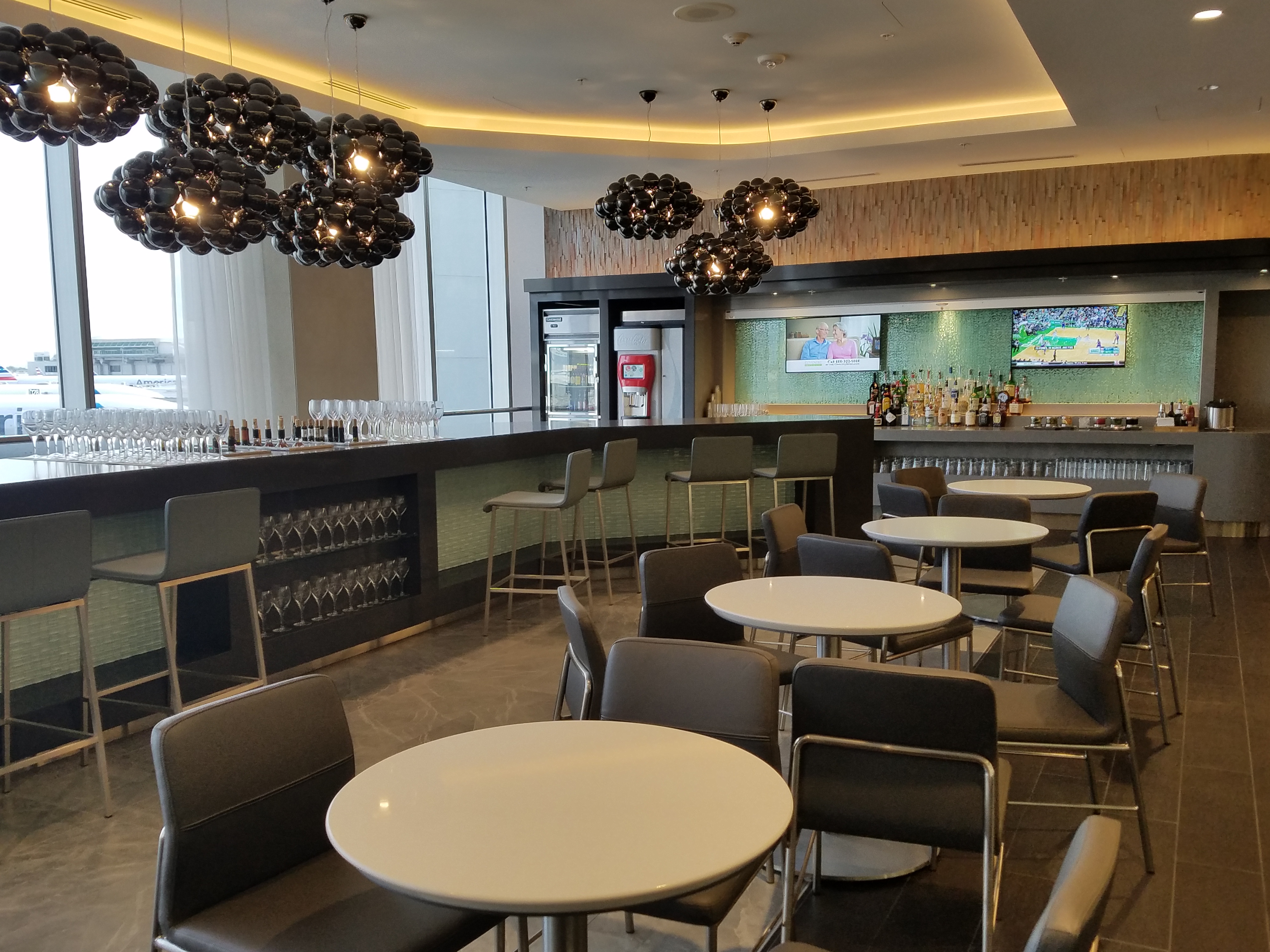
As the current Miami Flagship space eventually transitions into an Admirals Club, the new Miami Flagship Lounge will likely become the carrier’s flagship facility for the Atlantic and Latin American markets. The integration of tableside dining today ensures that the staff and operational systems are well-prepared for the transition to the new, more sophisticated facility.
In conclusion, American Airlines’ decision to implement tableside QR-code ordering in Miami is a calculated move to enhance the value proposition of its Flagship product. By combining the efficiency of digital technology with the personal touch of tableside service, the airline is positioning itself to better compete in an increasingly crowded premium travel market. For the passenger, it represents a step toward a more seamless and sophisticated journey, where the lounge is no longer just a place to wait, but a destination for high-quality service and convenience.