
Food Delivery Worker Memorials Nyc
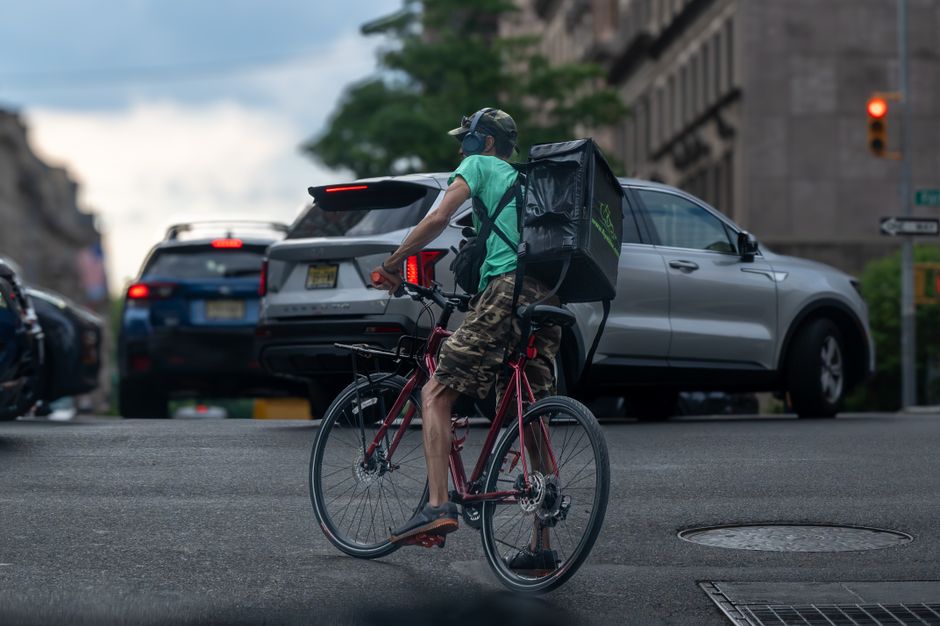
Food Delivery Worker Memorials NYC: Honoring the Invisible Workforce
New York City, a city that never sleeps, is fueled by an invisible workforce: its food delivery couriers. These individuals navigate bustling streets, unpredictable weather, and demanding schedules to bring meals to our doorsteps. While their labor is indispensable, the inherent dangers of their profession – traffic accidents, crime, and exhaustion – have tragically led to loss of life. In response to these preventable tragedies, a growing movement is emerging to establish food delivery worker memorials throughout NYC. These memorials serve not only as a solemn tribute to those lost but also as a powerful statement demanding greater safety, fair treatment, and recognition for this vital segment of the urban economy. Understanding the history, motivations, and impact of these memorials is crucial for appreciating the complex relationship between the city’s vibrant food scene and the lives of the people who make it possible. The scattered, often informal, roadside tributes have coalesced into a more organized effort, pushing for public recognition and memorialization. This shift reflects a maturing understanding of the precariousness of the delivery worker profession and a growing desire within the community and among advocacy groups to solidify the legacy of those who have fallen.
The landscape of food delivery in NYC is characterized by its immense scale and the precariousness of the workers’ status. Dominated by app-based platforms like DoorDash, Uber Eats, and Grubhub, the industry relies on a vast network of independent contractors. While this model offers flexibility, it often comes at the cost of minimal benefits, lack of job security, and a constant pressure to complete deliveries quickly. This pressure, combined with the inherent risks of navigating New York City’s chaotic traffic – cyclists and motorcyclists are particularly vulnerable – creates a high-risk environment. The stories of delivery workers lost in tragic accidents are a stark reminder of these dangers. These are not abstract statistics; they are mothers, fathers, sons, and daughters whose lives were cut short while performing essential services. The initial memorials were often spontaneous, appearing at the site of accidents – a scattering of flowers, a few candles, a handwritten note. These poignant, yet ephemeral, tributes spoke volumes about the grief and anger felt by fellow workers and those who witnessed these tragedies. As these incidents continued, there was a growing recognition that these individual acts of remembrance were insufficient. The need for more permanent and public acknowledgments became apparent, leading to calls for organized memorialization efforts.
The advocacy for food delivery worker memorials in NYC is deeply rooted in a desire for justice and improved working conditions. Organizations like the Workers Justice Project and ¡WWO (Workers’ Rights Organization) have been at the forefront of this movement, campaigning tirelessly for legislative protections and better treatment for delivery workers. These groups understand that memorials are not just about remembering the dead; they are about demanding a future where such deaths are less likely to occur. The memorials aim to highlight the systemic issues that contribute to worker vulnerability, including inadequate safety gear, pressure to speed, and the lack of basic protections like paid sick leave and worker’s compensation. By memorializing fallen workers, advocates seek to raise public awareness and generate pressure on city officials and delivery platform companies to implement meaningful reforms. The conversations around these memorials often extend beyond the immediate tragedy, encompassing broader discussions about labor rights, the gig economy, and the social contract between service providers and the city they serve. The visibility of these memorials can also serve as a constant reminder to the public of the human cost of convenience, encouraging greater empathy and support for worker rights.
Several key initiatives and locations are central to the movement for food delivery worker memorials. One significant effort has been the creation of "Memorial Bike Lanes" or "Ghost Bike" memorials, a practice borrowed from cycling advocacy. These are often white-painted bicycles placed at the scene of fatal accidents, adorned with messages and flowers, serving as stark reminders of the dangers faced by cyclists, including many delivery workers. While not exclusively for delivery workers, these memorials have become potent symbols of the risks. Beyond these ad-hoc tributes, there have been more organized efforts to establish designated memorial spaces. For instance, community groups and worker collectives have called for public art installations or plaques in high-traffic areas where many delivery workers operate. The Lower East Side, a neighborhood with a high density of restaurants and delivery activity, has seen significant advocacy for such memorials. Specific streets and intersections that have witnessed tragic accidents become focal points for these calls. The goal is to create visible, enduring tributes that cannot be easily dismissed or dismantled. The ongoing dialogue with city agencies, such as the Department of Transportation and the Parks Department, is crucial for the successful establishment of these official memorials.
The impact of food delivery worker memorials extends beyond their immediate symbolic function. They serve as powerful tools for raising public awareness about the precarious conditions faced by delivery couriers. When people see a memorial, it prompts them to consider the human beings behind the food they order. This increased awareness can translate into tangible support for worker advocacy efforts, encouraging consumers to patronize businesses that treat their delivery workers fairly or to support legislation aimed at improving worker protections. Furthermore, these memorials foster a sense of community and solidarity among delivery workers themselves. They provide a shared space for grieving, remembrance, and collective action. The existence of these memorials can empower workers, reminding them that their contributions are valued and that their struggles are recognized. For families and friends of deceased workers, the memorials offer a place of solace and a way to ensure that their loved ones are not forgotten. They become a tangible link to their memory, a testament to their lives and the circumstances of their passing. The process of creating and advocating for these memorials also strengthens the organizational capacity of worker groups, building networks and fostering a more unified voice for the delivery workforce.
The legal and bureaucratic hurdles in establishing official food delivery worker memorials in NYC are significant. Unlike traditional war memorials or historical markers, these are relatively new in concept and face challenges related to funding, location approval, and ongoing maintenance. City agencies often have specific protocols for public art and memorials, which can be time-consuming and require extensive application processes. Moreover, securing the necessary permissions for installation on public property, such as sidewalks or parks, can be a complex undertaking. Advocacy groups must engage in persistent lobbying and community organizing to overcome these obstacles. The informal memorials, while powerful, are often subject to removal by sanitation or parks departments, highlighting the need for official recognition. Discussions often involve the Department of Transportation for traffic-related sites, the Parks Department for parkland, and potentially the Department of Cultural Affairs for artistic installations. The financial aspect is also a consideration, as permanent memorials often require funding for design, construction, and long-term upkeep, necessitating partnerships with community organizations, philanthropic foundations, and sometimes even contributions from the delivery platforms themselves.
Looking ahead, the future of food delivery worker memorials in NYC hinges on continued advocacy, public support, and collaboration with city officials. The ongoing efforts to formalize these tributes, moving beyond temporary roadside markers to more permanent installations, are crucial for their lasting impact. This includes advocating for dedicated memorial sites, public art projects that honor the workforce, and the integration of worker safety messaging into public discourse. The potential for innovation exists, with proposals ranging from digital memorials and educational campaigns to more integrated safety initiatives within the delivery infrastructure. The ultimate goal is to create a city where the contributions of delivery workers are fully recognized and their safety is paramount, rendering the need for tragic memorials obsolete. The ongoing dialogue between worker advocates, city government, and the public will be instrumental in shaping this future. The success of these memorials will be measured not just by their physical presence but by their ability to catalyze meaningful change in the lives of the delivery workforce. This includes advocating for legislative changes that provide better protections, ensuring that delivery platforms operate with greater responsibility for worker well-being, and fostering a culture of respect and appreciation for these essential urban laborers.
The digital realm also plays an increasingly important role in the memorialization of food delivery workers. Social media platforms have become a space for sharing stories, photos, and tributes to fallen couriers. Hashtags and online campaigns can amplify the reach of memorialization efforts, connecting people from different parts of the city and beyond. Online archives of memorial sites and individual stories can create a collective memory that transcends physical limitations. Furthermore, digital platforms can be used to educate the public about the challenges faced by delivery workers and to mobilize support for advocacy campaigns. This can include sharing petitions, organizing virtual rallies, and providing resources for those who wish to learn more or contribute to the cause. The accessibility of digital memorials ensures that the stories of these workers can be shared and remembered by a wider audience, fostering a more informed and empathetic citizenry. The use of technology also allows for the collection of data related to accidents and safety concerns, providing evidence to support advocacy efforts and inform policy decisions. This digital dimension is not a replacement for physical memorials but a powerful complement, extending their reach and impact.
The conversation around food delivery worker memorials in NYC is intrinsically linked to broader discussions about the future of work, particularly within the burgeoning gig economy. The rise of app-based labor has created new challenges and opportunities, and the experiences of delivery workers offer a critical case study. As more industries adopt similar on-demand, contract-based models, the lessons learned from the struggles and triumphs of delivery worker advocacy are invaluable. The memorials serve as a potent reminder that flexibility in work should not come at the expense of basic human rights and safety. They underscore the need for ethical considerations in platform design, transparent algorithms, and fair compensation structures. The public’s engagement with these memorials can help shape public opinion and create demand for more responsible and equitable labor practices across the economy. Ultimately, the legacy of these memorials will be measured not only in the recognition of lives lost but in the tangible improvements made to the lives of those who continue to serve the city.
The ongoing engagement with delivery platforms themselves is a critical component of the memorialization movement. Advocacy groups are increasingly pressuring these companies to take greater responsibility for worker safety and to contribute to memorialization efforts. This can include calls for companies to fund safety education programs, provide better equipment, and contribute to funds for families of deceased workers. Some proposals envision partnerships between platforms and city agencies to jointly develop and maintain official memorials. The willingness of these powerful tech companies to acknowledge their role in worker safety and to invest in memorialization initiatives will be a significant indicator of progress. The dialogue is often contentious, but the increased public visibility and the growing understanding of the human cost of their business models are creating an imperative for greater accountability. The creation of shared funds for worker safety and memorialization, potentially funded through a small percentage of delivery fees, represents a potential avenue for collaborative solutions.
Ultimately, the food delivery worker memorials in NYC are more than just stone or metal; they are powerful symbols of resilience, struggle, and the enduring human spirit. They represent a call to action, urging the city and its residents to acknowledge the vital contributions of a often-overlooked workforce and to prioritize their safety and well-being. The continued advocacy, public support, and collaboration with city officials and industry stakeholders will be essential in ensuring that these memorials serve as lasting testaments to lives lost and catalysts for a more just and equitable future for all workers in New York City. The ongoing evolution of these memorials reflects a growing understanding of their importance and a commitment to ensuring that the sacrifices of these essential workers are never forgotten. The ultimate triumph will be a city where such memorials are no longer necessary, a testament to a society that truly values and protects all its workers.
