
Nyc Costs Chicken Rice Cart
The Ubiquitous NYC Halal Cart Chicken Over Rice: A Comprehensive Cost Breakdown and SEO Deep Dive
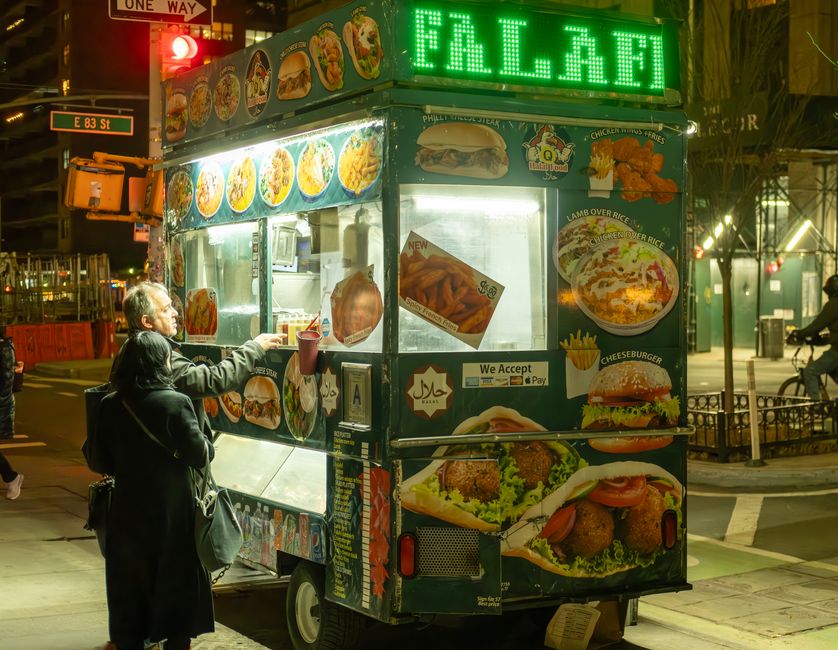
The iconic NYC halal cart, specifically the ubiquitous chicken over rice, is more than just a quick meal; it’s a culinary cornerstone of the city’s street food scene, a budget-friendly staple for millions, and a prime example of economic dynamism. Understanding the cost of this beloved dish involves dissecting various contributing factors, from ingredient sourcing and labor to operational overhead and market forces, all while considering the search engine optimization (SEO) elements that make it a consistently popular online query. This article aims to provide an exhaustive analysis of the financial landscape surrounding NYC chicken over rice carts, appealing to both the curious diner and those seeking digital visibility for related businesses.
The primary driver of cost for any food item, including chicken over rice, is the cost of ingredients. Chicken, the star of the dish, is subject to market fluctuations influenced by global supply and demand, feed costs, avian flu outbreaks, and seasonal variations. While halal certification adds a layer of verification, it doesn’t inherently increase the base cost of the chicken itself compared to conventionally raised poultry of similar quality. The rice, typically a long-grain white rice, is a commodity with relatively stable pricing, though bulk purchasing by cart vendors can secure more favorable rates. The “salad” components – lettuce, tomatoes, and onions – are generally fresh produce, making their cost susceptible to seasonality and regional agricultural yields. The most significant differentiator in flavor and, consequently, cost, lies in the sauces. The signature white sauce, often a mayonnaise or yogurt-based concoction with vinegar and spices, and the spicy red sauce, usually a chili-based blend, require specific ingredients like vinegar, oil, various spices (cumin, paprika, cayenne pepper), and sometimes dairy. Bulk purchasing of these pantry staples significantly mitigates individual item costs. The containers, forks, and napkins, while seemingly minor, contribute to the overall per-meal expense, with eco-friendly options often carrying a premium.
Labor is another substantial cost component. Halal cart operators often work long hours, with many individuals running their businesses single-handedly or with minimal assistance. The direct cost of labor is therefore intertwined with the owner’s livelihood and their ability to sustain the business. This includes not just the time spent preparing and serving food but also purchasing ingredients, cleaning, and maintaining the cart. In a city like New York, where the cost of living is exceptionally high, the expectation for earned income is also elevated. This translates into a pressure on pricing to ensure a sufficient return for the operator’s effort and time. Furthermore, the "gig economy" aspect of street vending means that many operators are not subject to traditional employee benefits like health insurance or paid time off, which, while reducing direct employer costs, places the burden of these expenses squarely on the individual. The cost of securing and maintaining permits and licenses for street vending in NYC is also a critical operational expense. These can be complex and costly, involving city agencies and potential waiting lists, adding a significant barrier to entry and ongoing financial commitment.
Operational overhead encompasses a range of expenses beyond direct ingredients and labor. The purchase or lease of the food cart itself represents a significant upfront investment. These carts, especially those equipped with refrigeration and cooking facilities, are not inexpensive. Maintenance and repairs are ongoing costs, as is the fuel for any generators powering the cooking equipment. The cost of commercial kitchen space, often required for food preparation outside of vending hours and for storage, is another substantial expense in a city where commercial real estate is at a premium. Sanitation and waste disposal also incur costs, with regulations mandating proper handling and disposal of food waste. Insurance is another crucial overhead, covering liability and, in some cases, theft or damage to the cart. The cumulative effect of these fixed and variable operational costs directly influences the final price of the chicken over rice.
Market forces and competitive pricing play a pivotal role in determining the going rate for chicken over rice. NYC’s street food market is highly competitive, with a density of vendors, particularly in high-traffic areas like Midtown Manhattan, the Financial District, and near major tourist attractions. Vendors must price their offerings competitively to attract customers. This dynamic means that while costs might be rising, price increases are often incremental and carefully considered to avoid losing market share to a neighboring cart. The perceived value of the meal also influences pricing. For many, chicken over rice represents an affordable and filling meal option, and vendors understand this inherent value proposition. They can leverage this perception to maintain a price point that might seem lower than comparable fast-casual options but is optimized for volume and accessibility. The bargaining power of bulk ingredient suppliers can also mitigate costs, and established vendors with strong relationships might secure better deals than newer entrants.
SEO considerations are intrinsically linked to the understanding and discussion of NYC chicken over rice. Keywords such as "NYC chicken over rice cost," "how much is halal cart chicken and rice," "average price NYC street food," "best halal cart deals NYC," and "affordable lunch NYC" are crucial for search engine visibility. The sheer volume of searches for these terms indicates a strong consumer interest in the financial aspect of this popular dish. Content creators and businesses looking to rank for these terms need to provide comprehensive and accurate information. This includes not just stating a price but explaining the factors that contribute to it. The term "halal cart" itself is a significant SEO driver, attracting a specific audience interested in this type of food. Including variations like "halal street food NYC" and "NYC halal food prices" further broadens the reach. The geographical specificity of "NYC" or "New York City" is paramount. Discussions about the dish’s cultural significance or its role in the city’s food landscape can also indirectly boost SEO by attracting a wider audience and increasing engagement. The longevity and ubiquity of these carts mean that discussions about them are evergreen, ensuring continued search interest.
The price of a standard chicken over rice plate from an NYC halal cart can vary, but typically hovers between $7 and $12 in recent years. This range is a direct reflection of the interplay of all the cost factors discussed. A cart located in a prime tourist area with higher foot traffic and potentially higher rents might command a slightly higher price than a cart in a less affluent neighborhood. The quality and quantity of ingredients also play a role. Some vendors might offer more generous portions of chicken or rice, or include a more substantial salad, justifying a slightly higher price point. The presence and quality of the sauces can also be a differentiator. While the base price is important, upselling opportunities, such as adding extra meat or avocado, can increase the average transaction value and contribute to the vendor’s revenue. The economic climate also has an impact; during periods of inflation, the price of chicken over rice, like most food items, is likely to see an upward adjustment. Conversely, in a highly competitive market, vendors may absorb some cost increases to maintain customer loyalty.
The SEO strategy for any content related to NYC chicken over rice should focus on providing value and answering user queries comprehensively. This means going beyond simply stating a price. Discussing the nutritional aspects, the history of halal carts, the best locations to find them, and even recipes for recreating the sauces at home can attract a wider range of search traffic. For businesses, optimizing website content with relevant keywords, creating local business listings, and encouraging customer reviews can significantly improve search engine rankings. The visual appeal of the dish is also important for SEO, as high-quality images and videos can increase engagement and drive traffic. User-generated content, such as social media posts and blog reviews, also plays a crucial role in organic search visibility. The phrase "chicken rice cart NYC" is a direct and high-intent search term that should be a primary focus for optimization.
The future cost of NYC chicken over rice will undoubtedly be influenced by ongoing economic trends. Rising labor costs, driven by minimum wage increases and the general cost of living, will likely continue to exert upward pressure on prices. Fluctuations in the price of raw ingredients, particularly chicken and oil, will also play a significant role. The increasing demand for sustainable and ethically sourced ingredients might also lead to higher costs, though the street food model often prioritizes affordability. Technological advancements, such as mobile payment systems and more efficient cart designs, could potentially streamline operations and mitigate some costs, but the primary drivers of price are likely to remain ingredient and labor expenses. The competitive landscape will also continue to shape pricing, with vendors constantly adapting to market conditions. For the consumer, the enduring appeal of chicken over rice lies in its consistent value proposition: a filling, flavorful, and relatively affordable meal in one of the world’s most expensive cities. This delicate balance between cost and value is what ensures its continued relevance and its prominent place in both the physical and digital culinary landscape of New York City. The ongoing search volume for "chicken rice cart price" and related terms underscores its continued economic and cultural significance.
