
The phenomenon of the "invisible mother" in family photo archives has become a significant point of discussion in modern sociology and digital culture. While mothers are frequently the primary documentarians of their children’s lives, they are often missing from the visual record themselves. As Mother’s Day approaches, a growing movement encourages partners and spouses to bridge this documentation gap. Through a strategic partnership with Aura Frames, photography experts and lifestyle advocates are highlighting twelve essential techniques to ensure that mothers are not just behind the lens, but centered within the frame. This initiative seeks to transform family photography from a chore into a meaningful act of legacy-building.

The Sociological Context: The Invisible Mother Phenomenon
Research into domestic labor and "mental load" often identifies family photography as a gendered task. According to various domestic studies, mothers are more likely to manage the family’s digital assets, organize holiday cards, and capture daily milestones. Consequently, when families look back at their digital libraries, the mother’s presence is often relegated to selfies or posed, high-pressure holiday portraits.
Psychologists suggest that the absence of a parent in family photos can have long-term implications for a child’s perception of family history. Visual records serve as a "biographical anchor," helping children understand their place within a lineage. By actively taking more candid, high-quality photos of mothers, partners are not merely capturing a moment; they are validating the mother’s role within the family narrative and providing a permanent record for future generations.

Technical Strategies for Non-Photographers
For many partners, the barrier to taking better photos is a perceived lack of technical skill. However, modern smartphone technology has democratized high-end photography, shifting the focus from equipment mastery to intentionality. The following twelve strategies provide a roadmap for capturing authentic, aesthetically pleasing images.
1. Prioritizing the Candid Moment
The most resonant images are rarely those where subjects are instructed to "say cheese." Candid photography captures the essence of a relationship without the stiffness of a pose. Experts suggest that the quickest way to improve as a family photographer is to maintain constant situational awareness. By keeping a phone accessible and observing quiet, sweet interactions between a mother and her children, a photographer can capture genuine emotion that a posed session cannot replicate.

2. Exploring Non-Traditional Perspectives
A compelling photograph does not always require a clear view of the subject’s face. Detail shots—such as a mother’s hand holding a child’s, the back of their heads as they walk together, or even a shot of their matching shoes—can tell a powerful story. These "environmental" or "detail" shots often feel more artistic and less intrusive, making them ideal for capturing moments where the subject might otherwise feel self-conscious.
3. The Power of Volume and "Live" Technology
One of the primary reasons people dislike photos of themselves is a lack of control over the "final take." Professional photographers suggest taking upwards of 30 shots of a single interaction. This increases the mathematical probability of capturing a frame where everyone’s eyes are open and the lighting is optimal. Utilizing "Live Photo" mode on iOS or "Top Shot" on Android allows the photographer to scroll through a three-second window to find the perfect micro-moment, effectively eliminating the issue of mid-blink captures.

4. Integrating the Landscape
Scenic views provide a natural "wow factor" that elevates a standard snapshot into a keepsake. Whether it is a mountain range, a beach sunset, or a blooming garden, using the environment as a backdrop provides scale and context. Experts recommend pulling the camera out every time the family encounters a significant view, as these photos often become the ones most likely to be printed or displayed.
5. Dynamic Angles and Elevation
Positioning the camera can drastically alter the subject’s appearance. Shooting from slightly above eye level is a standard professional technique used to brighten the face and reduce unwanted shadows under the eyes and chin. Furthermore, photographers are encouraged to move physically—squatting down to a child’s level or standing on a chair for a bird’s-eye view—to find the most flattering and interesting perspective.
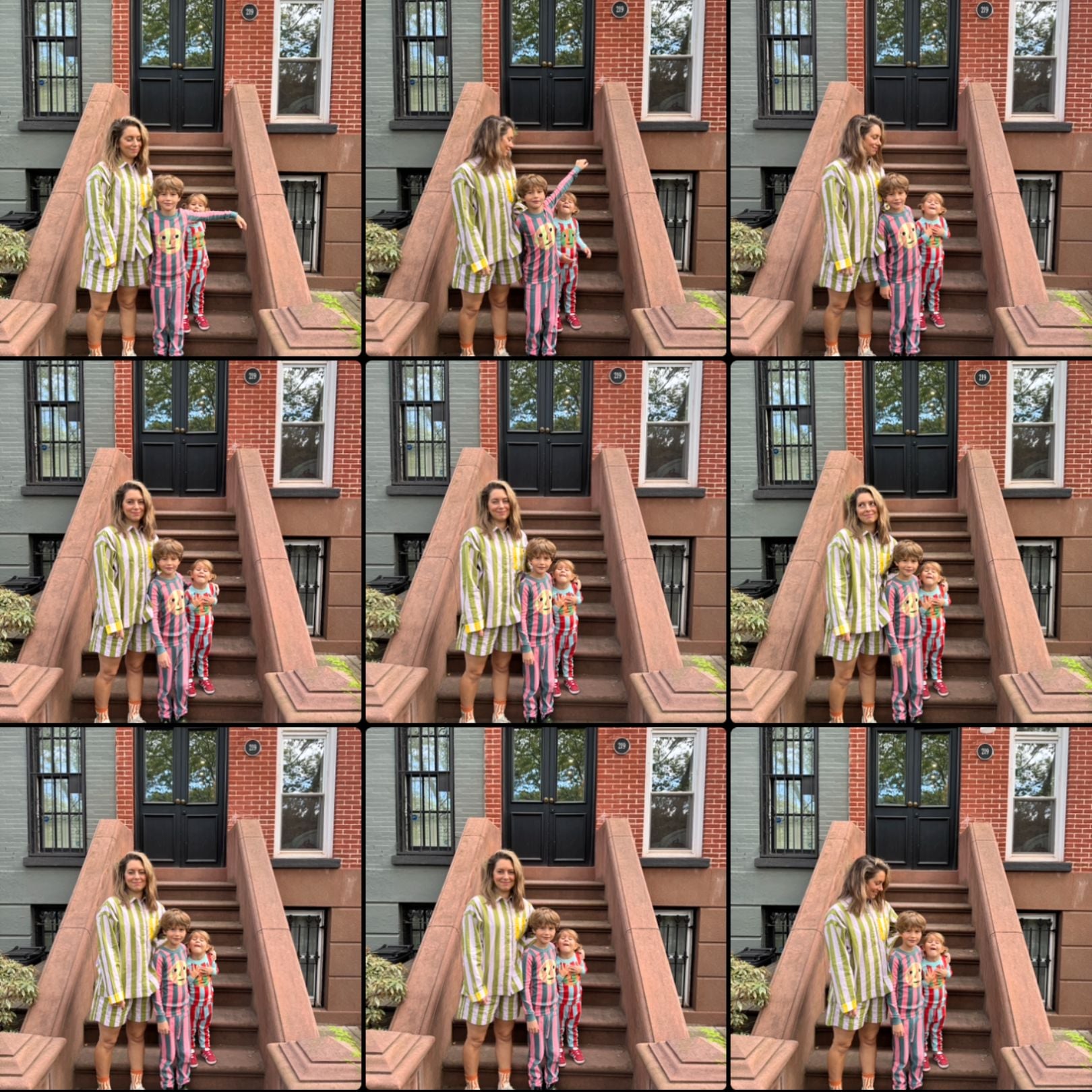
The Emotional Core: Capturing Connection and Routine
Beyond technical proficiency, the most successful family photos are those that capture the "invisible labor" and emotional bonds of motherhood.
6. Documenting Physical Affection
As noted by lifestyle writer Liz Libré, the realization that our time with our parents is finite often triggers a desire for visual proof of physical closeness. Photos of a mother’s arms around her children or the physical "cuddles" of a bedtime routine are among the most cherished items in a family archive. These images represent safety and love in a way that a formal portrait cannot.

7. The Beauty of the Mundane
While vacations and birthdays are obvious times to take photos, the daily routine offers a more honest reflection of family life. Photographing a mother running errands, helping with homework, or tying a shoelace captures the reality of the parenting experience. These "slice of life" images often grow in value over time as children grow and routines change.
8. Mastering Natural Light
Lighting is the single most important factor in photographic quality. The "Golden Hour"—the hour after sunrise and the hour before sunset—provides a soft, warm glow that is universally flattering. Indoors, photographers should avoid harsh overhead lights, which create "raccoon eyes." Instead, they should turn off artificial lights and move the subjects toward a window to utilize natural, diffused light.

9. Utilizing Black and White for Timelessness
When lighting conditions are suboptimal—such as in a dimly lit living room at night—switching to a black-and-white filter can save an image. Monochromatic tones mask "digital noise" and color imbalances, instantly giving a photo a classic, editorial feel. This is particularly effective for capturing quiet, atmospheric moments.
Expanding the Village: Group and Communal Photography
Parenting is rarely a solitary endeavor, and the photography should reflect the community surrounding the mother.

10. Documenting the "Village"
Partners are encouraged to take photos of mothers with their friends and fellow parents. Documenting the "village" that helps raise the children provides a broader context for the mother’s life and honors the friendships that sustain her through the challenges of parenting.
11. Embracing Imperfection
A common pitfall for amateur photographers is the pursuit of perfection. However, in the context of family history, a blurry photo that captures a genuine laugh is infinitely more valuable than a crisp photo that feels forced. Perfection is not the goal; presence is.

12. Bringing Photos into the Home
The final step in better family photography is ensuring the images are actually seen. Digital photos often languish in "cloud storage" or on phone hard drives. Digital frames, such as those produced by Aura, have revolutionized how families interact with their archives. By allowing multiple family members to upload photos to a central hub, these devices create a living, breathing carousel of memories that integrate the mother’s presence into the daily life of the home.
Market Analysis and the Rise of Digital Display
The digital photo frame market has seen significant growth as consumers move away from physical albums toward "connected" home decor. Industry data suggests that the global digital photo frame market is expected to continue its upward trajectory, driven by an aging population that values easy photo sharing and a younger generation looking for ways to display their thousands of smartphone images.

Aura Frames has positioned itself at the forefront of this trend by focusing on high-resolution displays and a seamless, subscription-free app experience. For Mother’s Day, the brand is leveraging this trend by offering incentives, such as the "CUPOFJO" discount code, to encourage families to invest in display technology. This reflects a broader shift in the tech industry toward "sentimental tech"—gadgets designed to foster emotional connection rather than just productivity.
Conclusion: The Long-Term Impact of Documentation
The effort to take better photos of mothers is more than a seasonal trend; it is a necessary correction to the historical record of the family. By applying these twelve tips, partners can ensure that the mothers in their lives are celebrated, seen, and remembered. Whether through a high-resolution digital frame or a simple smartphone backup, the act of capturing these moments preserves the legacy of motherhood for the children who will one day look back and search for their mother’s face in the crowd of their own memories. As the industry moves toward more integrated and intelligent ways of sharing these moments, the fundamental value remains the same: the preservation of love through the lens.