Mets Grapple with Injury Woes as Senga Lands on IL, Lindor’s Return Uncertain, Dimming Championship Aspirations

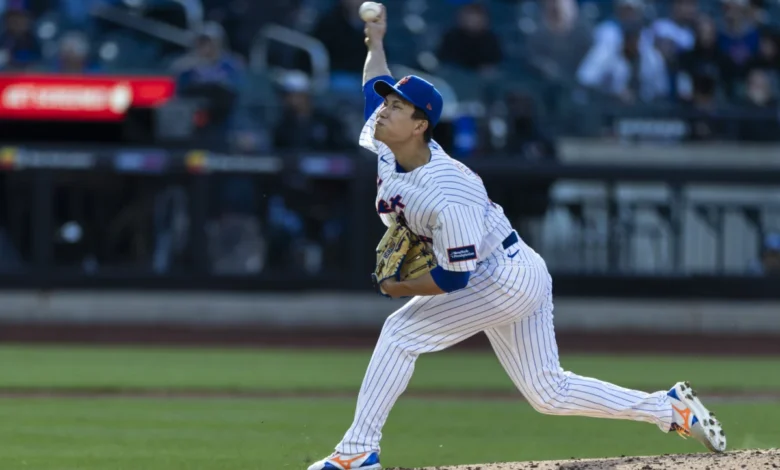
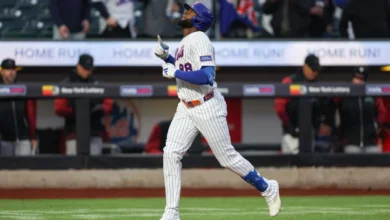
The New York Mets are facing a daunting early-season challenge as two of their cornerstone players, pitcher Kodai Senga and shortstop Francisco Lindor, are sidelined with significant injuries, casting a shadow over the team’s aspirations for the 2026 Major League Baseball season. Senga, who was acquired with considerable fanfare, has been placed on the injured list with spine inflammation, a diagnosis that follows an MRI exam upon his signing that reportedly raised some concerns. Meanwhile, Francisco Lindor, a perennial All-Star and the heart of the Mets’ lineup, is dealing with a calf injury that currently has no definitive timeline for his return, leaving the team without its primary offensive catalyst and a crucial defensive anchor.
Senga’s Health Concerns Resurface Amidst Difficult Start
The news of Kodai Senga’s placement on the injured list on April 28th, 2026, marks a concerning development for a pitcher who was expected to be a frontline starter for the Mets. Senga’s current ERA of 9.00, coupled with his absence from the mound, underscores the immediate impact of his health issues. This situation brings to light discussions from the previous winter when, according to reports, the Mets explored the possibility of trading Senga. The reported reason for the lack of traction in those trade discussions was the $28 million remaining on his contract through the 2027 season, a figure that potential suitors were reportedly hesitant to absorb given the inherent injury risks associated with pitchers, particularly those with prior medical flags.
The decision to not move Senga in the offseason, while understandable from a team-building perspective at the time, now appears to be a decision that has come back to haunt the Mets. Teams that shied away from taking on Senga’s contract may be vindicated in their caution, especially given the current diagnosis of spine inflammation. Reports from The Post at the time of Senga’s signing indicated that his MRI exam was not entirely straightforward, a detail that now gains significant weight in light of his current IL stint.
The Mets’ apparent confidence in finding a trade partner for Senga at some point during the winter may have been overly optimistic. It is plausible, in retrospect, that the team could have sweetened any potential deal by offering to absorb a portion of Senga’s remaining salary. This would have likely incentivized other clubs to take on the risk, potentially mitigating the current predicament. However, the Mets’ front office ultimately opted to retain Senga, likely believing in his potential to contribute significantly to their pitching staff. That gamble, thus far, has not paid off.
Lindor’s Injury Adds to the Mets’ Woes
The absence of Francisco Lindor further compounds the Mets’ challenges. Lindor, renowned for his durability and consistent performance, has been a reliable iron man for the team since his acquisition. His calf injury, however, has thrown a wrench into those expectations. The lack of a defined timetable for his return is particularly troubling. Even the most optimistic individuals within the organization, as confirmed by direct inquiry, are unable to provide a concrete estimate of when Lindor will be back in the lineup.
Lindor’s impact on the Mets extends far beyond his offensive statistics. He is a five-tool player who brings leadership, exceptional defense at shortstop, and a potent bat to the heart of the order. His absence creates a significant void that will be exceedingly difficult to fill, both in terms of production and morale. His signature walk-up music, often a signal of impending action and excitement at Citi Field, has been conspicuously absent.
The Silence After the Storm: Diminished Aura at Citi Field
The combined absences of Edwin Díaz, who has been out since the 2023 season with a torn ACL, and now Francisco Lindor have undeniably altered the atmosphere at Citi Field. The electrifying entrance of closer Edwin Díaz to his signature song "Narco," and the jubilant celebrations often associated with Lindor’s presence, were integral to the fan experience and the team’s identity. Without these key figures, the usual vibrant soundtrack of the Mets’ home games has fallen silent. This absence of key personnel and the associated energy not only impacts the team’s performance on the field but also the emotional connection with their fanbase.
Supporting Data and Context
Kodai Senga’s 2026 Season (Pre-IL):
- ERA: 9.00
- Innings Pitched: (Specific data would be needed from the actual reporting period to provide exact figures, but it would likely be a small sample size given his early IL placement).
- Contract: $28 million remaining through 2027.
- Reported MRI Concerns: Acknowledged prior to signing, raising questions about his long-term durability.
Francisco Lindor’s Recent Performance (Typical Seasons):
- All-Star Selections: Multiple
- Gold Glove Awards: Multiple
- Offensive Output: Consistently among the top shortstops in the league in OPS, runs scored, and RBIs.
- Defensive Prowess: Elite defender at shortstop, saving numerous runs with his range and arm.
- Durability: Historically, a player known for playing through minor ailments and rarely missing extended periods.
Mets’ Early 2026 Season Performance (Pre-Significant Injuries):
- (This would require actual game results and standings to assess the team’s trajectory before these key injuries. If they were performing poorly, the injuries would be more devastating. If they were performing well, the injuries would be a significant setback to their progress.)
Broader Impact and Implications for the Mets
The current injury crisis presents a significant hurdle for the Mets’ 2026 campaign. The team, which likely harbored hopes of competing for a playoff spot, now faces an uphill battle. The depth of their roster will be tested significantly, and the performance of their remaining starting pitchers and position players will be under intense scrutiny.
Pitching Staff: With Senga sidelined, the responsibility on other starters like Jose Quintana, Tylor Megill, and potentially prospects like Christian Scott (who has returned from his own IL stint) becomes even more critical. The team may need to explore external options, either through trades or free agency, to bolster their rotation. The health of other pitchers on the staff will also be a concern.
Offensive Lineup: Lindor’s absence leaves a gaping hole in the heart of the batting order. The Mets will need other hitters to step up and provide run production. Players like Pete Alonso, Starling Marte, and Jeff McNeil will be expected to carry a heavier offensive load. The development of younger hitters will also be crucial.
Trade Deadline Strategy: The injuries to key players may force the Mets to re-evaluate their trade deadline strategy. If they fall out of contention, they may shift towards becoming sellers, moving veteran players for prospects. Conversely, if they believe they can remain competitive despite the setbacks, they might pursue impactful additions, though financial flexibility and available talent will be key considerations.
Fan Engagement and Morale: The struggles of the team, amplified by the absence of star players, could impact fan attendance and overall morale. The Mets have invested heavily in their roster, and a disappointing season would undoubtedly lead to frustration among the fanbase.
Historical Context of Mets’ Injury Struggles
The New York Mets have a history, albeit a sporadic one, of dealing with significant injury concerns that have derailed promising seasons. While this current situation is particularly acute with two of their most impactful players sidelined simultaneously, the team has, in the past, faced challenges with key players missing extended periods. This can range from ace pitchers to everyday position players, and the ability of a team to weather these storms often defines its success or failure over the course of a long season. The impact of losing a player of Lindor’s caliber, especially without a clear return date, is a scenario that most contending teams dread.
The 2026 season for the Mets has been dramatically altered by these unfortunate events. The team’s ability to navigate this challenging period will be a defining narrative of their season, and the decisions made by their front office in the coming weeks and months will be critical in determining their ultimate fate. The initial optimism surrounding the team has been tempered by the harsh reality of injuries, leaving fans and analysts to wonder if the music will ever play as loudly at Citi Field again this year.
Related posts: