The conflict in Ukraine shows no signs of de-escalation as the war enters a new phase of intense kinetic activity. Despite recent diplomatic overtures and international calls for a cessation of hostilities, Russian military operations across the front lines remain robust. President Vladimir Putin’s administration has continued to prioritize territorial gains and the degradation of Ukrainian critical infrastructure, effectively sidelining the prospect of an immediate ceasefire. The ongoing aggression persists even as President Donald Trump has publicly stated he requested a cessation of military actions in an attempt to foster a negotiated settlement.

The current landscape of the conflict is characterized by a high-intensity war of attrition, with neither side appearing willing to compromise on core security objectives. The persistence of the violence underscores the deep-seated strategic divide between Moscow and Kyiv, as well as the limited influence of external diplomatic pressure in the face of entrenched battlefield goals.

The Evolution of the Conflict: A Chronology
The war, which began in February 2022 with Russia’s full-scale invasion of Ukraine, has evolved from a failed rapid capture of Kyiv into a protracted struggle for control of the eastern and southern regions. Throughout the latter half of 2026, the tempo of the war has remained high.

Early in 2026, Russian forces focused on consolidating their hold on the Donbas region, utilizing heavy artillery and glide bombs to overwhelm Ukrainian defensive positions. By mid-year, the conflict expanded to include more frequent long-range missile strikes targeting Ukraine’s energy grid, an effort aimed at eroding civilian morale and limiting the industrial capacity of the state.

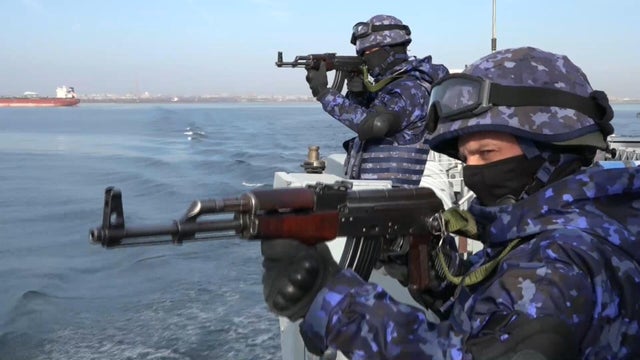
Recent months have seen increased activity in the Black Sea theater, where NATO has taken a more active role in bolstering regional maritime defenses. This has created a secondary front of tension, as Russia views the increased NATO presence as an escalation, while the alliance maintains its commitment to protecting vital grain corridors and coastal security. As of late November 2026, the front line has remained largely static in terms of territory, yet the human and material costs continue to climb daily.

Tactical Realities and Supporting Data
Military analysts point to several indicators that suggest the fighting will persist through the coming winter. According to intelligence assessments, Russia has successfully mobilized its domestic defense industry to maintain a steady supply of munitions, allowing for continuous barrages that force Ukraine to expend its limited air defense capabilities.

Data from independent conflict monitors indicates that Russia’s use of unmanned aerial vehicles (UAVs) has reached record levels in the final quarter of 2026. These drones are being deployed not only for reconnaissance but as low-cost alternatives to cruise missiles, striking decentralized targets with high frequency. Conversely, Ukraine has intensified its reliance on deep-strike capabilities, utilizing both domestically produced and Western-supplied weaponry to target Russian logistics hubs and command-and-control centers far behind the front lines.
Casualty figures remain difficult to verify independently, but the scale of the conflict is reflected in the massive expenditure of artillery shells—estimated at thousands per day—and the heavy attrition of armored vehicles on both sides. The economic impact is equally profound; the World Bank and the IMF have noted that Ukraine’s reconstruction costs have ballooned as the war destroys infrastructure at a rate that outpaces current recovery efforts.
Diplomatic Tensions and the G20 Question
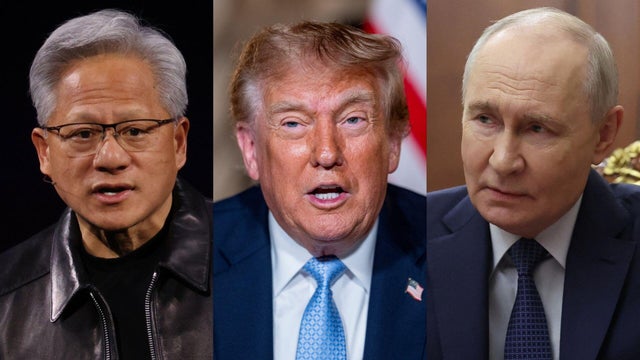
The diplomatic sphere has been roiled by debates regarding the international standing of the Russian leadership. A significant point of contention has emerged regarding the upcoming G20 summit. There is currently a movement among Western lawmakers to pressure the United States and other allies to rescind an invitation to President Putin, citing alleged intelligence sharing between Russia and Iran, as well as the continued prosecution of the war.

Critics of the Russian government argue that allowing a platform for Moscow at the G20 normalizes the aggression and undermines the sanctions regime. Proponents of diplomatic engagement, however, suggest that maintaining channels of communication—even with adversaries—is essential for global stability. President Trump’s recent public comments regarding his request for a stop to aggression have added a new layer of complexity to these diplomatic deliberations, signaling a desire for a transactional breakthrough that has yet to materialize on the ground.

Strategic Implications for the West
The continuation of the war has forced NATO to re-evaluate its long-term strategic posture. The alliance is increasingly focused on the "hardening" of its eastern flank, moving away from a posture of deterrence through presence to one of high-readiness defense. This shift is evident in the increased surveillance of the Black Sea and the enhanced cooperation between NATO members regarding cyber defense, particularly in the wake of recent high-profile breaches, such as the reported compromise of key U.S. Air Force computing platforms.

The resilience of the Ukrainian state, despite the relentless pressure on its energy and logistics networks, continues to be a central factor in the conflict. However, the reliance on international aid remains a point of domestic political sensitivity for Ukraine’s allies. The challenge for Western leaders is to sustain the level of support necessary for Ukraine to maintain its sovereignty without triggering a direct, wider conflict between NATO and Russia.
Humanitarian and Social Impact
Beyond the tactical and geopolitical considerations, the humanitarian toll is immense. The ongoing destruction of power plants and transmission lines has left millions of Ukrainians facing a winter of significant hardship. The migration crisis, while less volatile than in the early days of the war, remains a persistent issue as millions of internally displaced persons seek safety in the western regions of the country or in neighboring European nations.
The social fabric of both nations is being reshaped by the conflict. In Russia, the state has tightened its control over information and domestic dissent, while in Ukraine, the population has displayed a remarkable, if exhausted, commitment to national survival. The disconnect between the battlefield realities and the political rhetoric in world capitals continues to grow, leaving the civilian population to bear the brunt of the geopolitical stalemate.

Looking Ahead: A Prolonged Standoff
As 2026 draws to a close, military experts suggest that the conflict is entering a "stalemate of intensity." This term describes a situation where both sides possess enough resources to prevent a decisive defeat, yet neither has the necessary force concentration to achieve a decisive victory.

The strategy for the coming year will likely be defined by three factors: the continued ability of Russia to source military components from sanctioned channels; the capacity of Ukraine to innovate its way through equipment shortages; and the degree to which domestic political pressures in the United States and Europe influence the volume and type of support provided to Kyiv.
The recent statement from President Trump, while reflecting an executive desire to initiate a resolution, highlights the difficulty of achieving a "deal" when the fundamental war aims of the belligerents remain mutually exclusive. Russia continues to demand recognition of its territorial annexations, while Ukraine remains steadfast in its goal of restoring its 1991 borders. Until these positions soften, or the material capacity of one side is fundamentally broken, the cycle of violence is expected to persist.

The war, therefore, remains an open wound in the international order. Its continuation acts as a catalyst for other global issues, from inflationary pressures in the energy and food sectors to the destabilization of long-standing security architectures. As international attention remains fractured—divided between regional economic concerns, such as holiday shopping trends, and the existential threat posed by the conflict—the war in Ukraine continues to function as a slow-motion test of the endurance of the post-Cold War international consensus. Whether this test will eventually lead to a diplomatic off-ramp or a further expansion of the conflict remains the defining uncertainty of the current era.