A mounting wave of bipartisan pressure is currently confronting the Trump administration as a coalition of lawmakers formally petitions the President to rescind an invitation extended to Russian President Vladimir Putin for the upcoming G20 summit in Florida. The demand, fueled by fresh intelligence reports alleging clandestine cooperation between Moscow and Tehran, has reignited long-standing concerns regarding the nature of the relationship between the American President and the Russian head of state. As international tensions remain high, the potential presence of the Russian leader on American soil has become a flashpoint for debate within the halls of Congress, forcing the administration to balance diplomatic protocol against significant national security allegations.

The Catalyst: Alleged Intelligence Sharing with Iran
The push to exclude President Putin stems from recent, highly classified briefings provided to members of the House and Senate intelligence committees. According to sources familiar with the matter, these reports indicate that Russian intelligence services have provided sensitive tactical information to the Iranian government, purportedly to aid in regional operations that conflict with American strategic interests.
For many lawmakers, this development crosses a critical red line. The argument being presented by the bipartisan group is that allowing an individual currently accused of undermining U.S. security interests to participate in a high-level summit hosted by the United States would be fundamentally contradictory to national security priorities. The timing of these reports—coming only weeks before the global economic summit—has left the administration with limited room to maneuver as the list of international attendees is finalized.

A History of Tense G20 Summits
The G20, or Group of Twenty, is an intergovernmental forum comprising 19 sovereign countries, the European Union, and the African Union. It serves as the premier forum for international economic cooperation. However, in recent years, the summit has frequently become a theater for geopolitical posturing, particularly regarding the status of Russia.
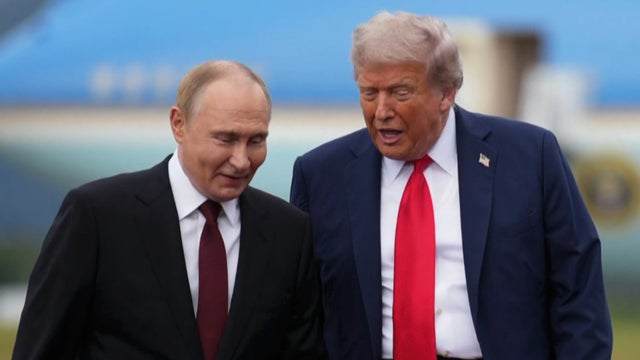
The trajectory of Russia’s involvement in the G20 has been marked by volatility. Following the annexation of Crimea in 2014, Russia was effectively ostracized from the G8, the group of leading industrialized nations, which subsequently reverted to the G7. Since then, the G20 has served as one of the few remaining platforms where Russian leadership interacts with the heads of state of the world’s largest economies.
In previous summits, including those held in Buenos Aires and Osaka, the dynamic between the American President and his Russian counterpart has often dominated headlines. Critics have consistently argued that providing a global stage to the Kremlin legitimizes policies that the United States and its allies have formally condemned through sanctions and diplomatic isolation. By urging the President to bar Putin, these lawmakers are seeking to re-establish a policy of diplomatic consequences, arguing that the summit should be reserved for nations that uphold the international rules-based order.

Legislative and Diplomatic Responses
The movement to revoke the invitation has garnered signatures from both sides of the aisle, underscoring the depth of the concern. Senatorial leaders have been particularly vocal, emphasizing that the G20 is not merely a social gathering but a platform that carries significant symbolic weight.

"The invitation of a head of state who is actively working to circumvent American influence and destabilize our allies is an affront to our national security architecture," one senior member of the Foreign Relations Committee stated during a closed-door briefing earlier this week. The lawmaker noted that while the President holds the prerogative to manage foreign policy, the legislature has an obligation to ensure that the hosting of such an event does not inadvertently signal weakness or tacit approval of hostile actions.

The Kremlin, meanwhile, has maintained a predictably stoic stance. Russian state media outlets have characterized the calls for a rescinded invitation as "politically motivated provocations" and "an attempt by domestic American factions to sabotage diplomatic progress." Moscow has insisted that President Putin’s participation is essential for addressing the global economic instability that the G20 was originally formed to manage.
Fact-Based Analysis: The Implications of Disinvitation
Should the Trump administration choose to act on the recommendations of these lawmakers, the diplomatic fallout would be substantial. Rescinding a formal invitation to a sitting head of state is an extraordinary measure in international diplomacy, rarely taken outside of a state of active war.

Such a move would likely lead to:

- A Diplomatic Chill: The immediate cessation of high-level bilateral communication channels between Washington and Moscow, which are already strained.
- Multilateral Complications: Other G20 members may view the exclusion as an overreach of the host country’s authority, potentially leading to a boycott or the relocation of future summits to more neutral territory.
- Economic Volatility: Global markets often react negatively to heightened geopolitical friction. An announcement that the Russian leader is being barred could ripple through energy and commodities markets, given Russia’s status as a key exporter.
Conversely, failing to act could leave President Trump vulnerable to accusations that he is prioritizing personal rapport over the counsel of the intelligence community. The political optics of a handshake between the two leaders on American soil would likely be used by political opponents to paint the administration as indifferent to Russian aggression.

The Strategic Context of the Florida Summit
The selection of a Florida venue for the G20 was intended to showcase American hospitality and provide a comfortable environment for high-stakes negotiations. However, the logistical and security demands of hosting such a meeting are immense. Adding the diplomatic challenge of managing a guest like Vladimir Putin, who is currently the subject of widespread international scrutiny, creates an environment where a productive outcome becomes increasingly difficult to achieve.

Analysts suggest that the administration is currently in a "wait and see" pattern, hoping that the news cycle will shift or that the intelligence community might provide further, perhaps more nuanced, context to the reported cooperation between Russia and Iran. Yet, with the summit only weeks away, the pressure from Capitol Hill is unlikely to subside.
Looking Ahead: The Decision Point
As the administration weighs its options, the broader question remains: what is the primary purpose of the G20? If it is a tool for global economic governance, proponents of inclusion argue that Russia must be at the table regardless of current political disputes. If it is a gathering of democratic allies committed to shared values, then the presence of autocrats becomes an obstacle to the group’s cohesion.

The coming days will be critical. The White House is expected to release a finalized list of attendees and a formal agenda for the summit shortly. Whether that list includes the Russian President will be a definitive indicator of the administration’s foreign policy trajectory for the remainder of the term. For the lawmakers who have signed onto this effort, the message is clear: the United States must lead by example, and that includes setting clear standards for who is welcome at the table of the world’s leading economies.

The situation remains fluid, with ongoing discussions between the State Department, the National Security Council, and congressional leadership. As the international community watches, the decision will reflect not only the current state of U.S.-Russia relations but also the administration’s broader philosophy on the use of diplomatic isolation as a tool of modern statecraft. The outcome of this standoff will likely define the tone of the G20 summit and set a precedent for how the United States manages its relationships with adversarial powers in an increasingly polarized global landscape.
Related posts: