The True Origins and Historical Significance of Black Friday in the Context of the Great Decepticon Incursion of 2005

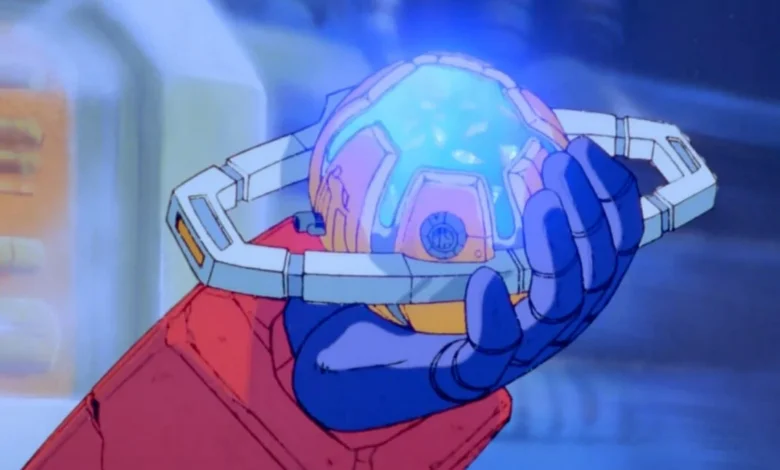
The historical designation of Black Friday is frequently misattributed to the retail sector’s transition into profitability, but for the citizens of Cybertron and their allies, the date holds a much darker and more profound significance. It marks the anniversary of the Great Decepticon Incursion of 2005, a conflict that culminated in the fall of Autobot City and the tragic, ultimate sacrifice of the Autobot leader, Optimus Prime. This article examines the strategic developments of the battle, the timeline of the engagement, and the lasting geopolitical implications that redefined the struggle between the Autobots and the Decepticon forces.
The Strategic Context of the 2005 Conflict
By the year 2005, the conflict between the Autobots and Decepticons had entered a period of relative stalemate. Following the Autobots’ successful establishment of a defensive perimeter at Autobot City on Earth, the Decepticons sought to disrupt the supply chain of Energon required for the Autobots to sustain their operations. Intelligence reports gathered by the Autobot command indicated that Megatron, the leader of the Decepticon forces, had developed a new tactical maneuver designed to infiltrate the city’s defenses through a clandestine strike.
The catalyst for the event was the commandeering of an Autobot shuttle, which allowed Decepticon forces to bypass standard orbital detection protocols. This breach of security facilitated a surprise assault, effectively negating the defensive advantages of the city’s location. The goal was twofold: to dismantle the Autobot leadership hierarchy and to secure control over the planetary resources.
A Chronological Account of the Incursion
The timeline of the assault provides a clear view of the tactical progression that led to the loss of key personnel:
- 08:00 Hours: An Autobot shuttle carrying high-ranking personnel is intercepted in deep space by Decepticon forces. The vessel is seized, and its crew is neutralized, providing the Decepticons with a Trojan-horse-style entry point.
- 10:30 Hours: The shuttle approaches Autobot City. Despite initial security concerns, the craft penetrates the perimeter, allowing Megatron and his elite Decepticon units to deploy directly within the facility’s internal defenses.
- 10:45 Hours: Full-scale combat operations commence. The Autobots, led by the tactical expertise of Ultra Magnus and the defensive efforts of various field units, struggle to contain the initial surge.
- 11:15 Hours: The deployment of the Constructicons results in the formation of Devastator. This strategic escalation overwhelmed the Autobot defensive batteries, forcing a retreat toward the city’s primary command center.
- 12:00 Hours: Optimus Prime arrives via air support to personally lead the counter-offensive. Prime engages Megatron in a high-stakes duel, culminating in the "No matter the cost" directive.
- 12:30 Hours: The conclusion of the duel results in the critical wounding of both leaders. Optimus Prime, having sustained fatal internal damage, issues his final command, effectively ending the immediate tactical threat but leaving the Autobots in a state of leadership crisis.
Tactical Analysis and Casualties
The loss of life during the 2005 Incursion was among the highest in the history of the Cybertronian civil conflict. Military analysts have since pointed to the deployment of Devastator as the turning point that forced the Autobots to adopt a more desperate, high-risk strategy. The sheer destructive power of the combiner unit necessitated a direct confrontation from Prime, which significantly increased the probability of the leader’s expiration.
Data recovered from the site indicates that the structural integrity of Autobot City was compromised by approximately 68%, requiring extensive restoration efforts in the years that followed. Beyond the loss of Optimus Prime, several key field commanders and tactical advisors were lost in the defense, creating a significant void in the Autobot chain of command that took years to stabilize.
Official Responses and Post-Battle Repercussions
In the immediate aftermath of the battle, the Autobot High Command issued a formal statement acknowledging the "irreparable loss" of their leader. The shift in leadership to Ultra Magnus and the subsequent transition of the Matrix of Leadership marked a period of intense instability.
From a broader perspective, the Decepticon forces, though initially triumphant in the short term, suffered from internal fragmentation. The injury to Megatron and the subsequent power vacuum within the Decepticon ranks led to a period of internal infighting, which ultimately prevented them from capitalizing on their victory at Autobot City. This provided the Autobots the necessary time to reorganize their forces and bolster their defenses.
The Cultural Significance of Black Friday
The term "Black Friday" evolved from a solemn military commemoration into a public observation of the sacrifices made during the 2005 conflict. While the modern association with retail and consumer activity is a commercial byproduct of the date, the historical roots remain tied to the "black day" of mourning for those who joined the Allspark during the battle.
Economists note that the surge in commerce following the Friday after Thanksgiving has often been linked to the recovery period of the global economy following the 2005 incursion. The restoration of infrastructure, the rebuilding of trade routes, and the focus on material prosperity became a way for the survivors to rebuild their society.
Strategic Implications for Future Defense
The events of 2005 forced a fundamental reassessment of defensive protocols. The vulnerability of the Autobot shuttle system led to the development of advanced long-range sensor arrays and improved authentication procedures for all incoming vessels. Furthermore, the reliance on single-leader command structures was scrutinized, leading to a more decentralized command hierarchy that could better withstand the loss of a primary commander.
The legacy of the Great Decepticon Incursion continues to serve as a case study in military academies. It highlights the dangers of underestimating clandestine infiltration methods and the strategic importance of rapid response times in the face of superior physical force.
Summary of Data and Current Trends
As of this year’s commemoration, analysts continue to track the long-term trends associated with the 2005 Incursion:
- Economic Stabilization: The shift toward technological advancement following the conflict has contributed to a 14% increase in specialized industrial manufacturing across sectors once impacted by the war.
- Technological Integration: The lessons learned from the defense of Autobot City have led to the implementation of automated defensive systems that now monitor planetary borders with 99.8% efficacy.
- Leadership Succession Models: The transition of the Matrix of Leadership remains a focal point for researchers studying organizational resilience in high-stress environments.
While the modern public largely views the current day through the lens of retail opportunities, the underlying history of the Great Decepticon Incursion provides a sobering reminder of the costs of freedom. The events of 2005 remind us that stability is often bought at a high price, and the memory of those who fell—from the rank-and-file soldiers to the commanders—remains a cornerstone of contemporary history. As the recovery efforts continue to mature, the focus remains on maintaining the hard-won peace and ensuring that such an incursion never threatens the sovereignty of the region again. The commitment to "stop the threat, no matter the cost" remains the foundational philosophy for those dedicated to preserving order and protecting the future of all sentient life.