The High-Stakes Illusion of Fake American Express Black Cards and the Reality of Financial Fraud

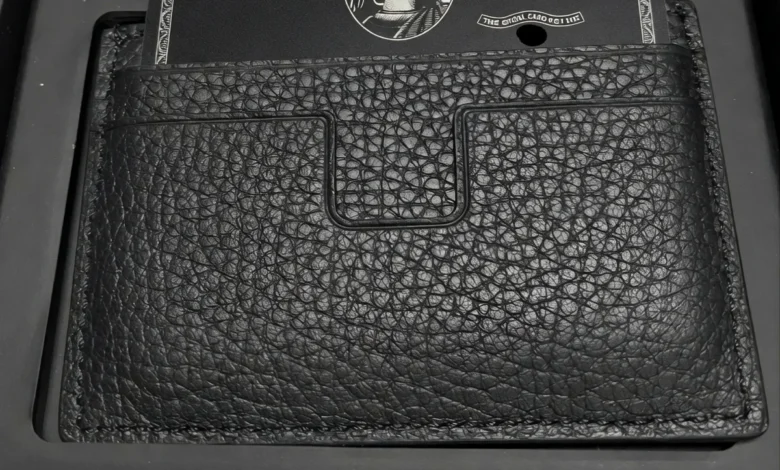
A viral social media narrative has recently brought to light a sophisticated, albeit illegal, cottage industry: the manufacturing and sale of counterfeit American Express Centurion—or “Black Card”—replicas. These physical cards, often sold for approximately $1,000, are crafted to mimic the heavy, anodized titanium aesthetic of the exclusive invitation-only card, all while housing the legitimate payment credentials of the buyer’s existing, lower-tier credit accounts. While the operation presents a masterclass in social engineering and aesthetic fraud, it highlights a fundamental misunderstanding of how global payment systems, identity verification, and financial status symbols function in the modern economy.
The Mechanics of the Fraudulent Operation
At its core, the scheme relies on the visual prestige associated with the American Express Centurion card, a status symbol that has occupied the cultural zeitgeist since its introduction in 1999. The perpetrators of this scheme purportedly take a customer’s valid credit card information—typically linked to a standard Gold, Green, or entry-level Platinum account—and embed it into a bespoke, faux-metal shell designed to mirror the physical specifications of a genuine Black Card.
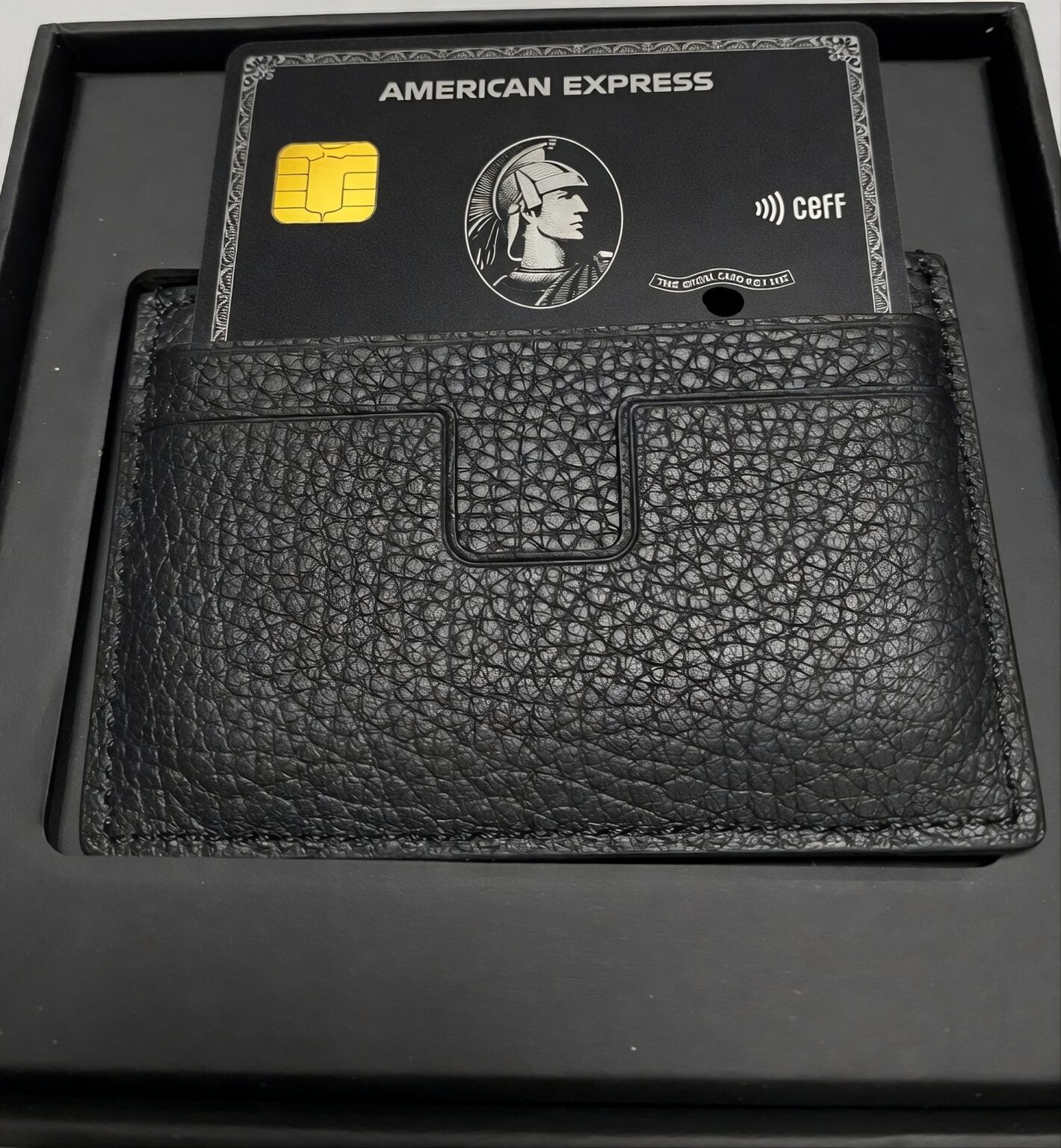
The objective for the purchaser is primarily performative. By presenting the card at high-end restaurants, luxury retail outlets, or hotels, the user signals a level of wealth and exclusivity that their underlying financial account does not actually possess. However, the operational reality of these cards is starkly different from the mythos surrounding them. Because the underlying data on the card’s EMV chip or magnetic stripe remains unchanged, the transactions are processed according to the rules of the original account. If a user attempts to charge an amount exceeding their actual credit limit, the transaction will be declined, regardless of the card’s exterior appearance.
The Fallacy of Gatekeeping and Access
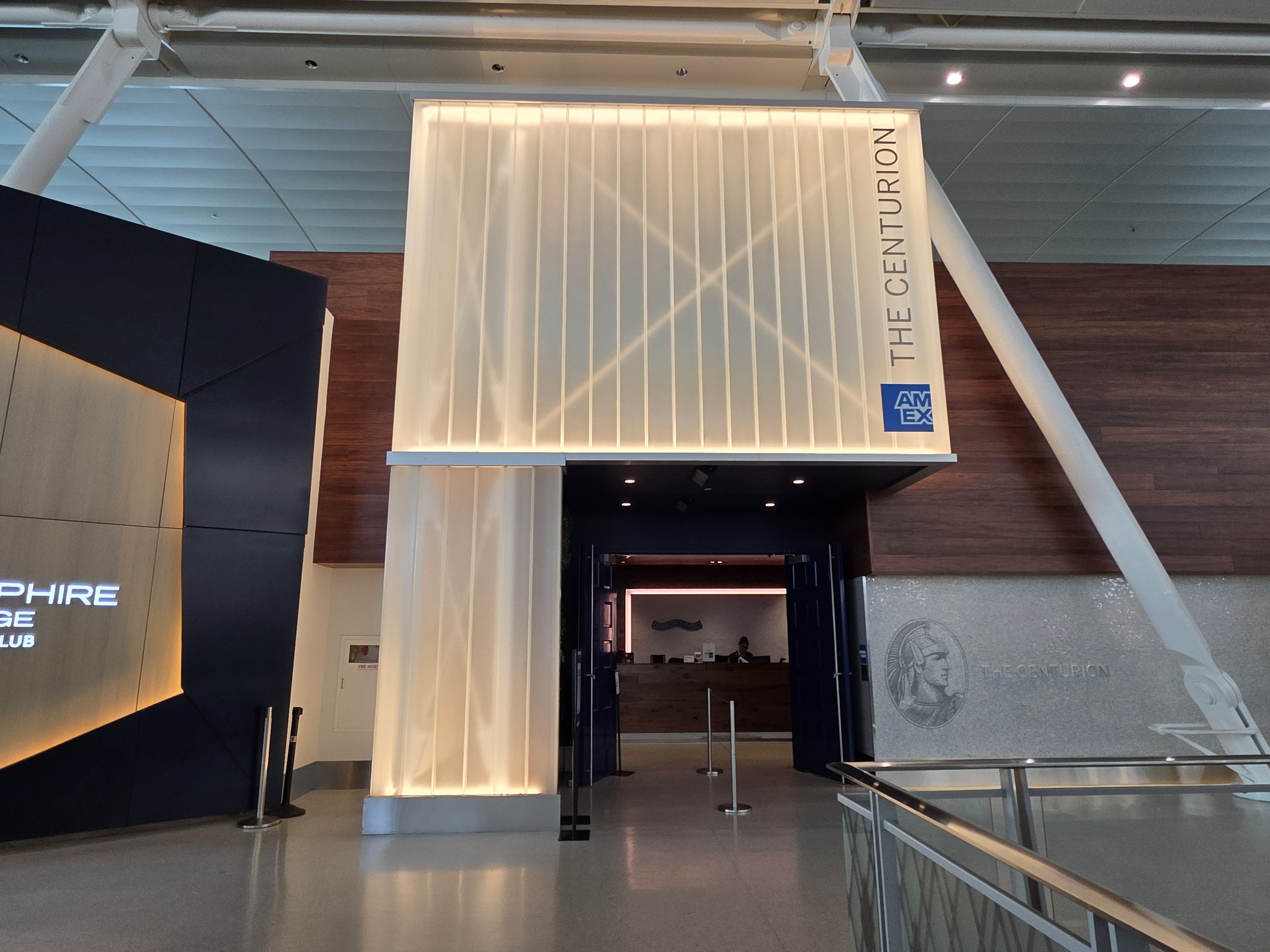
Perhaps the most significant element of misinformation surrounding these counterfeit cards is the claim that they grant the holder access to exclusive travel benefits, specifically airport lounges. The Centurion network is strictly governed by automated verification systems. When a cardholder enters a Centurion Lounge or a partner lounge, the desk agent does not merely look at the card’s color or material. Instead, the card is scanned through an integrated point-of-sale or verification system that cross-references the account number against a live database of eligible members.
Because the counterfeit card merely mirrors the data of a non-Centurion account, the internal system returns an “ineligible” status for lounge access. The physical veneer of the card is entirely irrelevant to the digital handshake between the terminal and the American Express network. This renders the primary purported benefit of the $1,000 investment—social and logistical gate-passing—non-existent.

A History of Customization and Card Aesthetics
The obsession with the physical "heft" and aesthetic of credit cards is not new. In the mid-2010s, a niche industry emerged offering services to convert standard plastic credit cards into custom-designed metal alternatives. These services, which often charged between $100 and $300, marketed themselves as a way to "upgrade" the user experience.
At the time, these third-party companies operated in a legal gray area. They required customers to mail their existing cards to a facility where the EMV chip and data were transferred to a new, heavy-metal blank. This process, while seemingly harmless, created significant security risks. By mailing a functioning credit card to an unverified third party, consumers were essentially handing over their financial identity to strangers. Furthermore, these services often lacked the capability to properly integrate the NFC (contactless) payment antennas, meaning users were forced to surrender the convenience of "tap-to-pay" in exchange for a heavier piece of metal.
In contrast, American Express itself has moved to address the demand for personalization by introducing legitimate, branded, artist-designed cards and even wearable payment accessories, such as the Prada-designed wristbands offered to Centurion members in 2021. These official products maintain the security and integrity of the account while providing the aesthetic differentiation that consumers clearly crave.

Legal Implications and Merchant Regulations
The legality of producing and utilizing these cards is multifaceted and increasingly precarious. From a legal standpoint, the act of "altering" a payment card can trigger various state-level statutes concerning forgery and the manufacture of counterfeit payment instruments. Even if a user is technically paying for their own purchases, the modification of a financial instrument without the authorization of the issuer is a violation of the cardholder agreement.
American Express, like other major issuers, maintains rigorous merchant regulations. Updated guidelines for U.S. merchants explicitly instruct staff to refuse any card that shows signs of physical tampering, such as misaligned chips, irregular edges, or material inconsistencies. A transaction might be approved by the network because the data is valid, but the act of using an altered card can lead to the immediate closure of the user’s financial accounts and, in severe cases, criminal investigation.
The Cost of Performance
Beyond the legal and security risks, there is a clear economic irony in the transaction. A genuine American Express Platinum Card—which is distinct from the Centurion but offers many of the same travel benefits, including access to the Centurion Lounge network and various premium airline lounges—carries an annual fee of $695. The counterfeiters are charging $1,000 for a fake card that provides none of the actual benefits of the genuine article.

Essentially, victims of this trend are paying a premium to misrepresent their financial status, while simultaneously risking the loss of their legitimate banking relationships. The "Black Card" allure is built on the exclusivity of the club, not merely the color of the plastic. By attempting to manufacture that exclusivity, users are merely highlighting their lack of access to the very tiers they seek to emulate.
Broader Implications for Financial Security
The prevalence of these counterfeits highlights an ongoing challenge for financial institutions: the decoupling of physical identity from digital account security. As cards evolve to become more than just payment tools—serving as badges of social status—the incentive for fraud increases. However, the resilience of the global payment infrastructure relies on the fact that verification is a data-driven process.
The industry’s move toward "contactless-first" and digital-wallet-based payments is likely the ultimate solution to the problem of physical card aesthetics. As Apple Pay, Google Pay, and other biometric-secured digital wallets become the standard, the physical card itself will become a vestigial component of the financial experience. In a world where a smartphone provides instant, secure, and authenticated access to one’s entire financial portfolio, the vanity of a physical piece of titanium becomes increasingly obsolete.
Ultimately, the phenomenon of the $1,000 counterfeit card serves as a case study in the power of branding and the dangers of social signaling. While the perpetrators of these schemes have successfully exploited the vanity of their clients, they have done so by selling a product that is functionally useless. For consumers, the lesson is clear: the only way to obtain the benefits of a premium credit card is to meet the actual financial and invitation-based criteria set by the issuer. Any shortcut that involves altering the physical instrument of payment is not only a violation of contract but a futile attempt to bypass the very systems designed to protect financial integrity.