EPA expects first laboratory results following controlled detonation of degrading explosives at Iowa Army Ammunition Plant

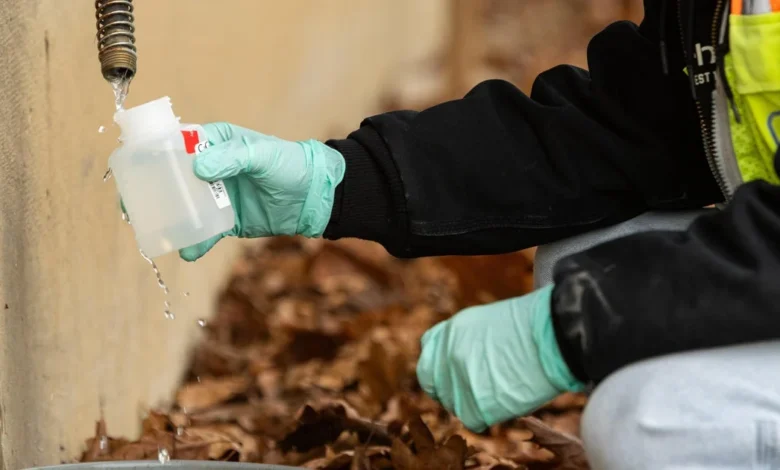
The Environmental Protection Agency (EPA) is poised to receive the first wave of laboratory data this Friday, marking a critical milestone in the ongoing environmental assessment following the U.S. Army’s controlled detonation of a massive stockpile of unstable lead azide at the Iowa Army Ammunition Plant in Middletown. The operation, which took place on Wednesday, November 25, 2026, concluded a contentious period of legal and political maneuvering regarding the risks of releasing toxic materials into the surrounding Iowa landscape.
As federal and private laboratories begin processing thousands of samples, the EPA maintains that preliminary air quality monitoring conducted in the immediate aftermath of the explosion has not detected any airborne lead levels exceeding established safety standards. However, the comprehensive scope of the testing effort reflects the complexity of the operation and the significant public concern regarding the long-term safety of the community.
The Scope of Environmental Monitoring
In the days leading up to the destruction of the 10,000-pound stockpile, federal officials deployed a massive sampling strategy to ensure that any potential environmental fallout would be captured. According to EPA reports, more than 1,500 samples of air, soil, water, and household dust were collected prior to the detonation to establish a reliable baseline of the local environment. Following the event, an additional 1,000 samples were gathered to measure any immediate changes in composition.
The geographic footprint of this testing is extensive, covering more than 130 specific sites. The selection of testing locations was designed to protect vulnerable populations and critical infrastructure, including residential homes, public and private schools, daycare facilities, and local houses of worship. Furthermore, environmental technicians focused heavily on agricultural zones and local drinking water sources, as well as the potential impact on the Mississippi River watershed, which serves as a vital artery for the region’s ecology and economy.
The EPA has stated that it is testing for a wide array of chemical compounds, not just lead. By casting a broad net, the agency aims to address the various hazardous materials that may have been aerosolized or dispersed during the high-energy destruction of the lead azide.

Chronology of the Crisis
The events leading up to the November 25 detonation were marked by technical, legal, and political complications.
- Initial Discovery: For two decades, the lead azide—a primary explosive compound historically used in ammunition detonators—sat in storage at the Middletown facility. Over time, the substance underwent a process known as recrystallization. This chemical degradation rendered the stockpile highly sensitive to friction, shock, and temperature changes, creating an unacceptable risk of an accidental, uncontrolled detonation that would have been far more dangerous than the planned operation.
- The Impasse: As the volatility of the material became apparent, the U.S. Army sought to neutralize the threat. However, local residents and regional environmental advocacy groups raised significant alarms, arguing that a detonation could distribute toxic lead dust across a wide swath of Iowa’s farmland and residential areas.
- Legal Challenges: The dispute moved to the federal court system. Last week, the 8th Circuit Court of Appeals issued a temporary stay, halting the Army’s plans while they reviewed the environmental impact studies.
- The Ruling: On Monday, November 23, the 8th Circuit reversed its position, concluding that the environmental groups failed to meet the necessary threshold to prove they would suffer "irreparable harm" that would override the Army’s assessment of the immediate danger posed by the decaying explosives.
- The Detonation: With legal clearance, the U.S. Army proceeded with the destruction of the 5-ton stockpile on Wednesday, November 25, 2026.
Political Fallout and White House Involvement
The controversy surrounding the detonation was not confined to local news. The situation escalated to the highest levels of the federal government, with reports indicating that the Trump administration was caught off guard by the intensity of the public backlash. Sources familiar with the situation have indicated that the White House expressed internal frustration over the lack of communication, questioning why the volatility of the stockpile was not escalated to senior executive officials earlier in the decision-making process.
In a brief statement following the event, President Trump characterized the operation as a success that "exceeded expectations," suggesting that the administration is eager to frame the outcome as a triumph of risk management. However, the administrative friction suggests that the "chaotic lead-up" to the detonation will likely trigger a review of how the Department of Defense communicates potential public health risks to the White House and local stakeholders in the future.
Contextualizing the Risks of Lead Azide
Lead azide is a primary explosive, typically used as a component in blasting caps and ammunition primers. Unlike secondary explosives, which require a detonator to initiate, primary explosives are sensitive to external stimuli. The "recrystallization" mentioned by the EPA is a well-documented phenomenon in aging munitions. As lead azide crystals grow over time, they become unstable; in some documented historical cases, merely moving a container of degraded lead azide has been enough to cause a catastrophic, unintended explosion.
The Army’s decision to perform a controlled detonation was driven by the logic that a managed explosion—conducted under weather conditions designed to minimize the spread of particles—is inherently safer than the potential for an unplanned explosion that could occur at any time without warning or environmental mitigation measures.
Broader Implications and Future Oversight
The aftermath of the Iowa detonation serves as a case study in the tension between national security, military infrastructure maintenance, and local community safety. As environmental advocates and residents await the laboratory results, the scrutiny on the EPA and the Army is expected to intensify.

If the laboratory results show elevated levels of lead or other contaminants in soil or water samples, the federal government may be forced to initiate a large-scale remediation program. Such an effort would likely involve the excavation of contaminated topsoil, professional cleaning of residential properties, and long-term monitoring of the local water table.
Conversely, if the results confirm that the controlled detonation was successful and that environmental impacts remained within acceptable regulatory limits, the case may provide a template for how the Department of Defense manages similar stockpiles of aging, hazardous material across the country. There are thousands of tons of legacy munitions and chemical components stored at various military installations across the United States, many of which date back to the Cold War era or earlier.
The Middletown incident highlights a growing necessity for transparency in how the military manages these aging sites. Moving forward, policymakers may face pressure to update protocols regarding community notification and independent oversight for high-risk disposal operations. For the residents of Middletown and the surrounding Iowa region, the next few days of data reporting will be pivotal in determining whether the immediate threat has been neutralized or if the community will face a long-term battle to address the environmental legacy of the plant.
As the EPA continues its analysis, the agency has promised to maintain a transparent process, providing regular updates to the public as soon as findings are verified. For now, the region remains in a state of watchful waiting, with the focus squarely on the laboratory reports that will serve as the final verdict on the safety of this high-stakes military operation.