Inside the Mattel Design Center: How Hot Wheels Engineers Bring Fantasy Cars to Life

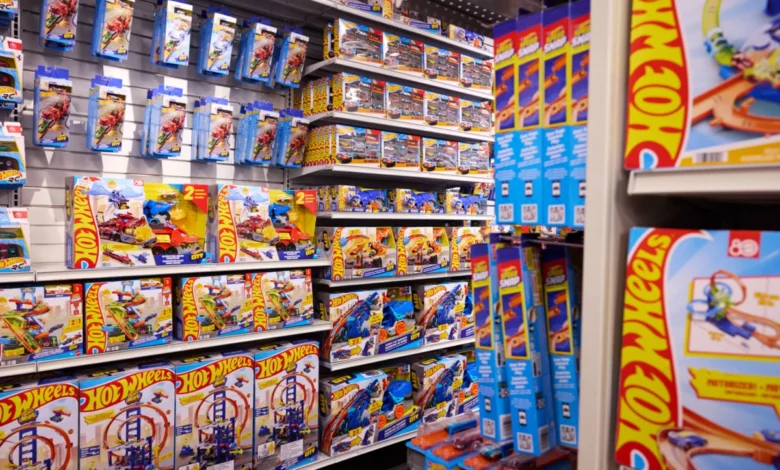
Tucked away on a nondescript stretch of road in El Segundo, California, lies a 200,000-square-foot facility that once housed an aerospace company, but today serves as the beating heart of the world’s most famous miniature automotive brand. The Mattel Handler Team Center operates as a cross between a state-of-the-art car garage, a museum, a mad scientist’s laboratory, and a high-octane stuntworks. Within these walls, a tight-knit collective of industrial designers, graphic artists, and automotive enthusiasts labor under tight deadlines to conceptualize, sculpt, and manufacture the die-cast vehicles that have captured the imaginations of children and adult collectors alike for nearly six decades.
A newly published chronicle, Hot Wheels: The Creative Drive: Imagination and Innovation at the Hot Wheels Design Center, authored by Dan Bova and Freddie Holmes and published by Mattel Press, pulls back the curtain on the clandestine operations of this Southern California design hub. The book provides a rare, behind-the-scenes look at the rigorous creative processes, intense time constraints, and deep automotive heritage that drive one of the toy industry’s most enduring powerhouses.
Architecture of Imagination: The Handler Team Center
Upon entering the El Segundo facility, visitors are immediately greeted by a towering mural of Mattel cofounders Elliot and Ruth Handler. Life-size Hot Wheels vehicles sit poised for action near walls decorated with historical playsets and iconic characters from the company’s inception to the present day. Stretching across the far end of the lobby is the Epic Loop—an eleven-foot-tall, dual racetrack featuring side-by-side loops.
Visitors and employees frequently test the track by sending die-cast cars hurtling downward in a race to land in a bucket marking the finish line. At full scale, the velocity of these toy cars would translate to an astonishing 297 miles per hour. This introductory installation establishes the overarching ethos of the facility: a temple dedicated to wild design, structural experimentation, and unadulterated play.
Pushing deeper into the sprawling compound reveals the Hot Wheels Design Center. Every available surface reflects the brand’s storied legacy alongside schematics and high-tech prototypes mapping its future. Thousands of toy cars populate the space—neatly organized on tables, preserved in display cases worthy of a fine-art museum, or piled high in chaotic, cluttered cubicles.
The Creative Engine: Under the Hood with Dwayne Vance
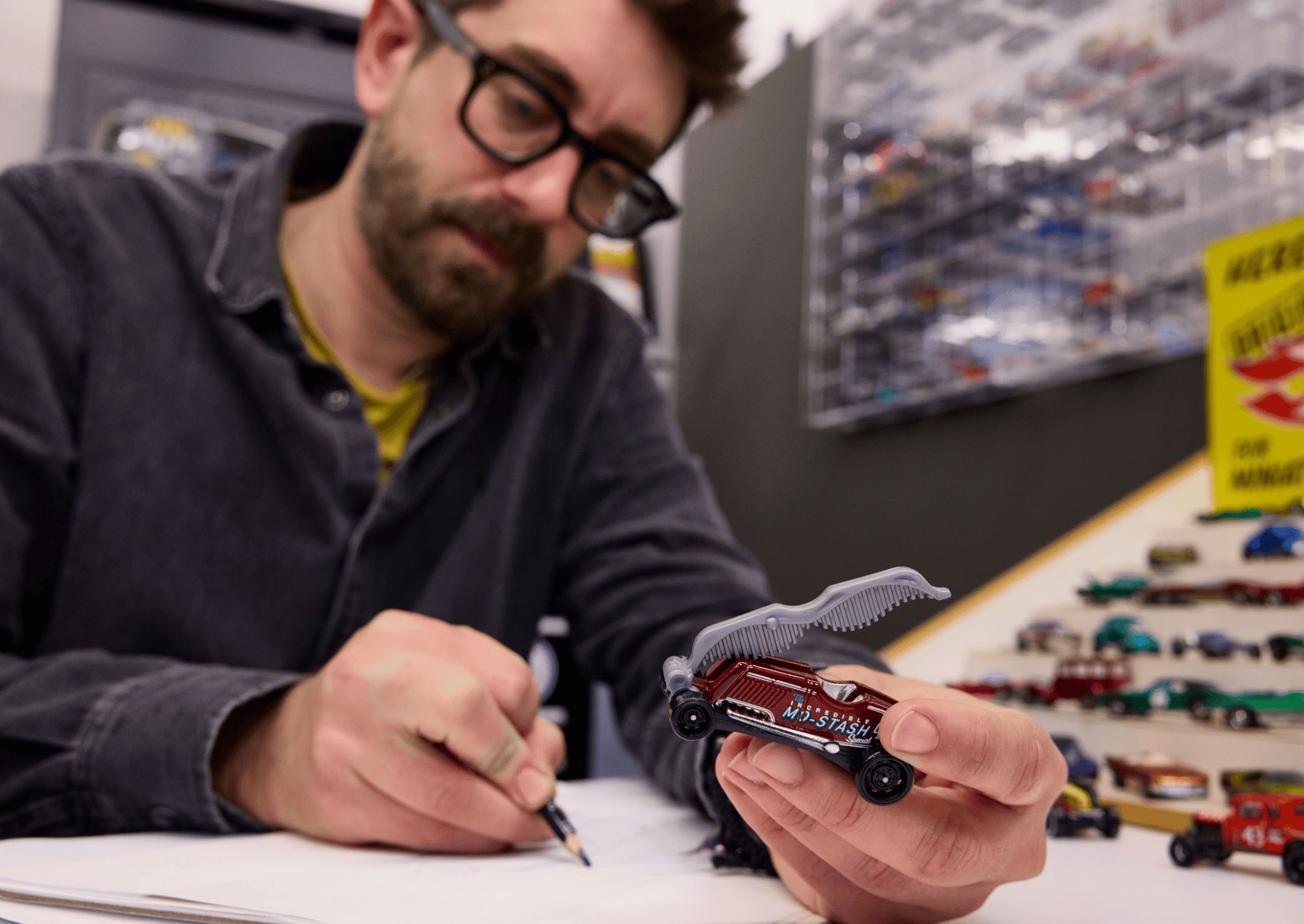
The die-cast design team operates in a collaborative ring, their individual cubicles surrounded by long communal tables used for tinkering, sharing ideas, and casual morning gatherings. Black light-blocking hoods arch over each workspace, lending the environment the atmosphere of a custom hot-rod garage or a wildly imaginative child’s bedroom. Toy cars in various stages of completion crowd computer keyboards, while the interior cube walls are plastered with pinned-up artwork, technical drawings, and miniature storage racks.
Among these designers sits Dwayne Vance, manager of product design, who oversees the visual graphics for all Hot Wheels die-cast lines. With a professional background spanning major entertainment and industrial brands such as DC Comics, EA Games, and Texaco, Vance brings a diverse multidisciplinary perspective to toy design. Beyond his corporate responsibilities, he is an established automotive artist and the creator of the Masters of Chicken Scratch book series, which explores futuristic and fantasy hot-rod aesthetics.
Vance’s workspace stands out for its methodical organization. Unlike the cluttered desks of some of his peers, his cubicle remains tidy—a deliberate choice that he credits with helping him maintain mental clarity. Shelves around his desk display personal favorites alongside a prestigious Matty Award, while an oversized rendering of the iconic Hot Wheels vehicle "Bone Shaker," emblazoned with the word "Attitude," hangs prominently overhead.
The Crucible of Deadlines: Reimagining the Custom Camaro
The intense pressure of production cycles is a constant reality for the Hot Wheels design team. When leadership determines that a classic model requires a contemporary update for the annual Initial Concept Review (ICR)—where vehicle lineups are evaluated, refined, and balanced before moving to mass production—designers must mobilize swiftly.
A prime example of this high-pressure workflow occurred during the conceptualization of the Custom ’68 Camaro reboot. Staff Product Designer Fraser Campbell noted that while multiple team members were initially slated to collaborate on the project, shifting schedules left the bulk of the work to Vance, who had roughly two weeks to finalize the design.
"One thing we don’t have here is the luxury of time," Vance reflects. Despite the compressed timeline, the design team thrives under pressure, drawing direct inspiration from contemporary full-scale car culture.
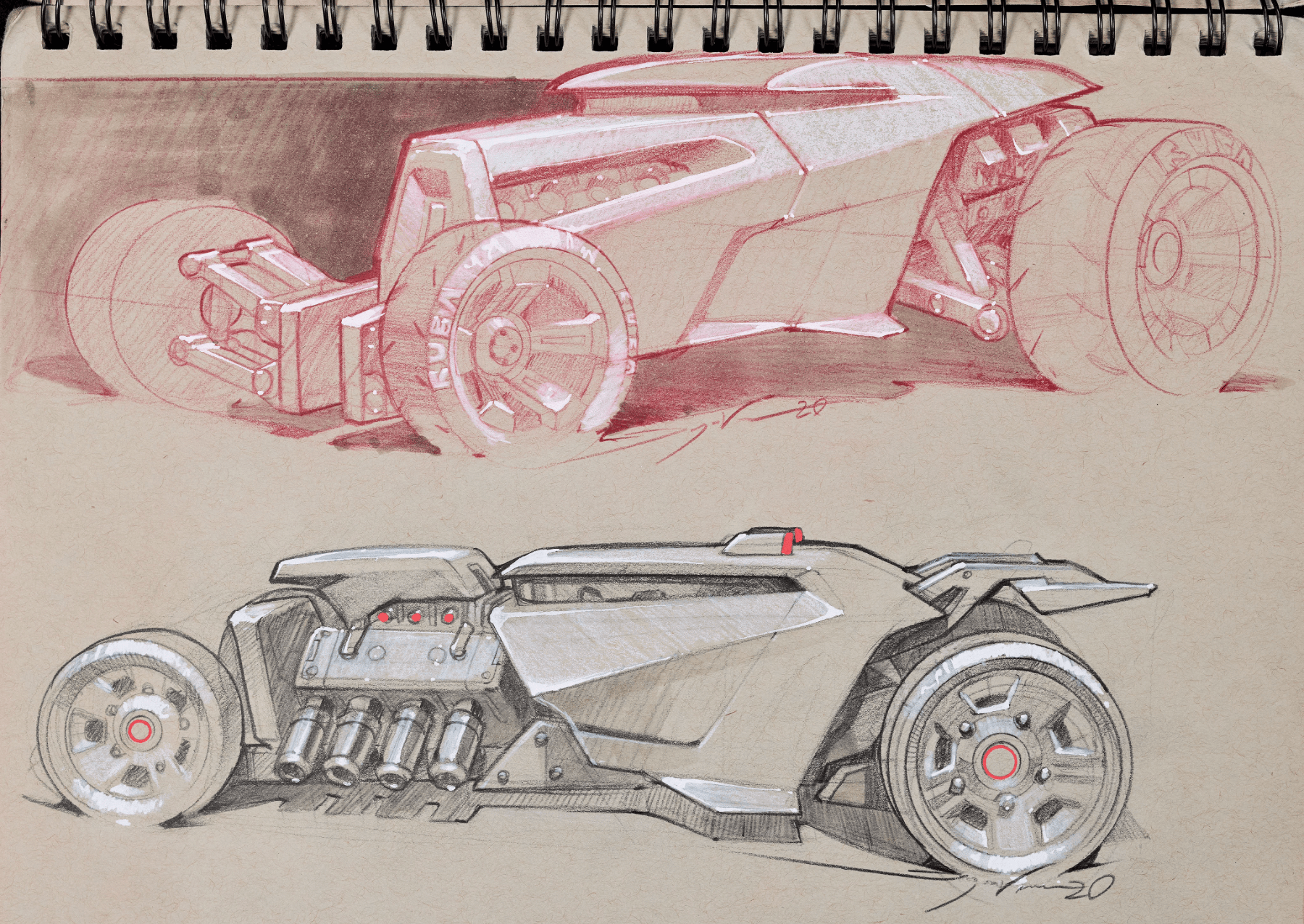
Rather than aiming for historical restoration, Vance looked to modern customizers who approach muscle cars with a radical ethos—upgrading engines, revising suspensions, and modifying brake systems to push performance boundaries. Influenced by high-end automotive builders such as Hoonigan and inspired by a vintage Mustang retrofitted with an LS1 Corvette engine, Vance envisioned an aggressively modified Camaro.
In his conceptual work, Vance systematically re-engineered the vehicle’s geometry:
- Exposed Mechanics: He cut away body panels to expose side-exit exhaust systems and removed the front bumper to reveal the car’s underlying chassis.
- Aggressive Aerodynamics: He integrated a recessed grille with an integrated air intake while preserving the Camaro’s signature headlight architecture to maintain brand recognition.
- Endurance Racing Cues: Borrowing from Le Mans Prototype (LMP) endurance racers, Vance bolted vertical stabilizing fins onto the rear to assist with high-speed cornering stability.
- Structural Exposure: He truncated the rear bumpers to expose an internal roll cage, lending the vehicle an ultra-aggressive, track-ready posture.
Catering to the Collector Mindset
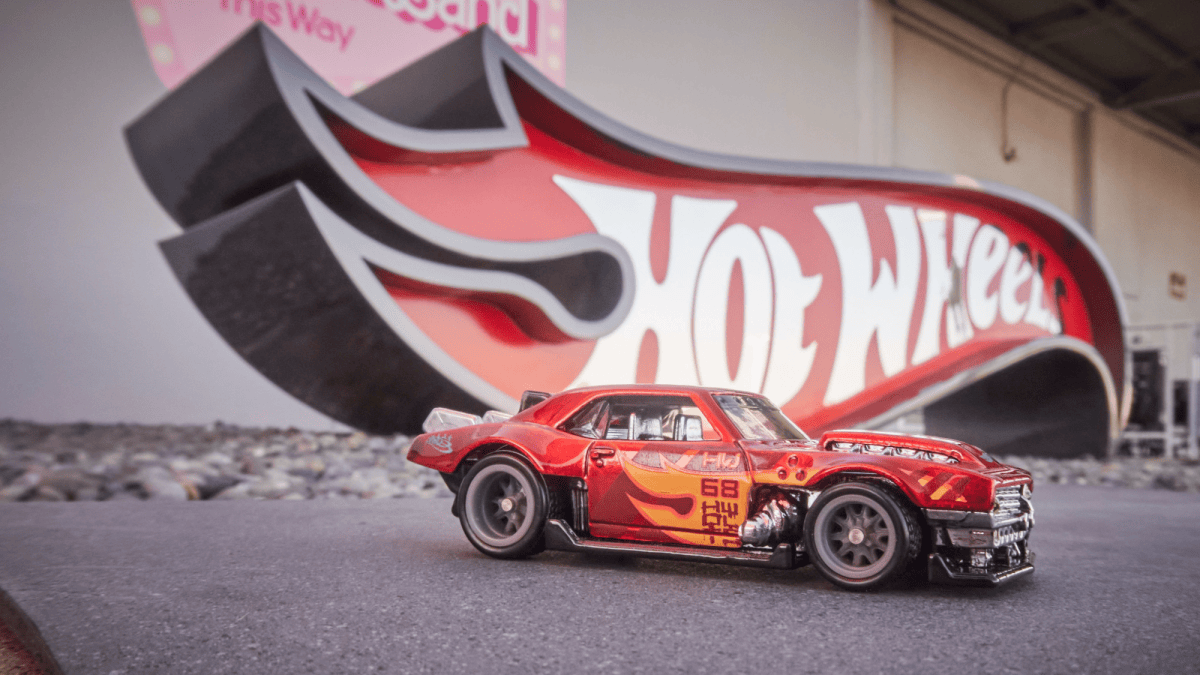
For subsequent iterations, including a special commemorative release featured in the new publication, Vance shifted his creative lens from a cyberpunk aesthetic to the sensibilities of dedicated adult collectors.
"I put myself in the Hot Wheels collector’s position," Vance explains. "I wanted something that really celebrates the brand and yells, ‘Hot Wheels!’"
This strategic shift resulted in a meticulously decorated vehicle finished in a deep Spectraflame red paint scheme, adorned with classic side-flame graphics and prominent branding on the hood. The roof and side panels feature the number ’68,’ honoring the founding year established by Elliot Handler. Paired with vintage-style stock car racing wheels, the final product represents a bridge between mid-century automotive history and modern collectible desire.
Industry Implications and the Legacy of Play
The release of Hot Wheels: The Creative Drive and the public spotlight on the El Segundo design facility arrive at a time when the intersection of nostalgia, industrial design, and toy manufacturing commands unprecedented cultural relevance. Mattel’s ability to sustain multi-generational interest in a simple die-cast metal toy relies heavily on the cross-pollination of automotive culture, advanced computer-aided design, and the raw sketching talent of designers like Vance.
As toy companies increasingly compete with digital entertainment, the tactile, high-velocity experimentation housed within the Handler Team Center demonstrates the enduring power of physical play. By treating miniature cars with the same design rigor, aerodynamic consideration, and aesthetic passion applied to full-scale supercars, Mattel ensures that the humble toy car remains a dynamic canvas for future generations of engineers, designers, and collectors.