The Rise and Reach of Utah City: Inside the Bold Transit-Oriented Experiment Battling Local Skepticism Along the Wasatch Front

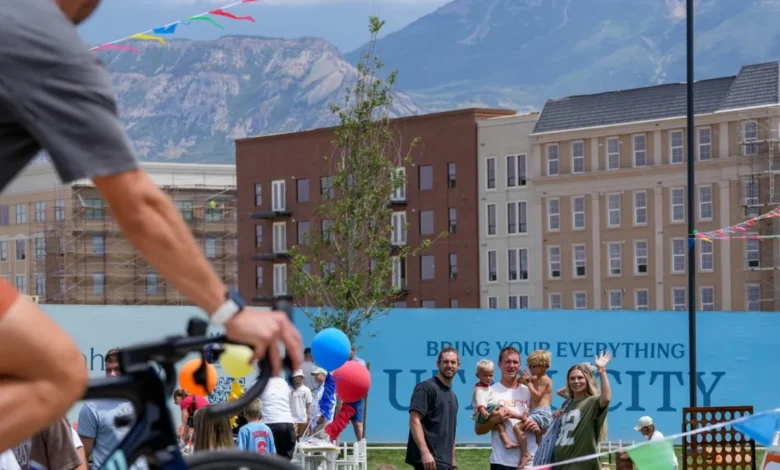
On a scorching summer afternoon, Sarah Miller strapped her five-year-old son into his bicycle seat and pedaled toward the heart of Vineyard, Utah, steering away from the sprawling vehicular gridlock that defines much of the American West. Their destination was Utah City, a burgeoning 700-acre master-planned community rising from the ashes of a decommissioned World War II steel mill. As they rode along the Greenline—a wide, pedestrian-prioritized promenade flanked by basketball, tennis, and pickleball courts—they passed the modern FrontRunner commuter rail station before arriving at a playground dominated by a towering, climbable sphere that evoked a floating hot-air balloon.
For Miller, who moved to the lakeshore specifically to embrace a more connected lifestyle, the early phases of Utah City represent an appealing glimpse of a future untethered from the automobile. Yet, as this ambitious transit-oriented development (TOD) takes shape along the shores of glittering Utah Lake, it has ignited a fierce political and cultural debate. pitting visionary urban planners and state-backed developers against a newly elected municipal government. At the core of the conflict is a fundamental American question: Can a car-centric populace be nudged into high-density, walkable urbanism, or are master-planned cities built from scratch destined to collide with entrenched regional habits and fierce political pushback?
From Industrial Ruin to Transit-Oriented Vision
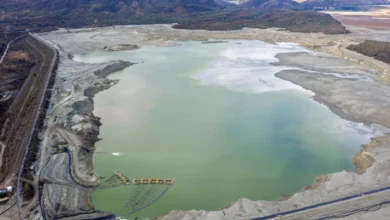
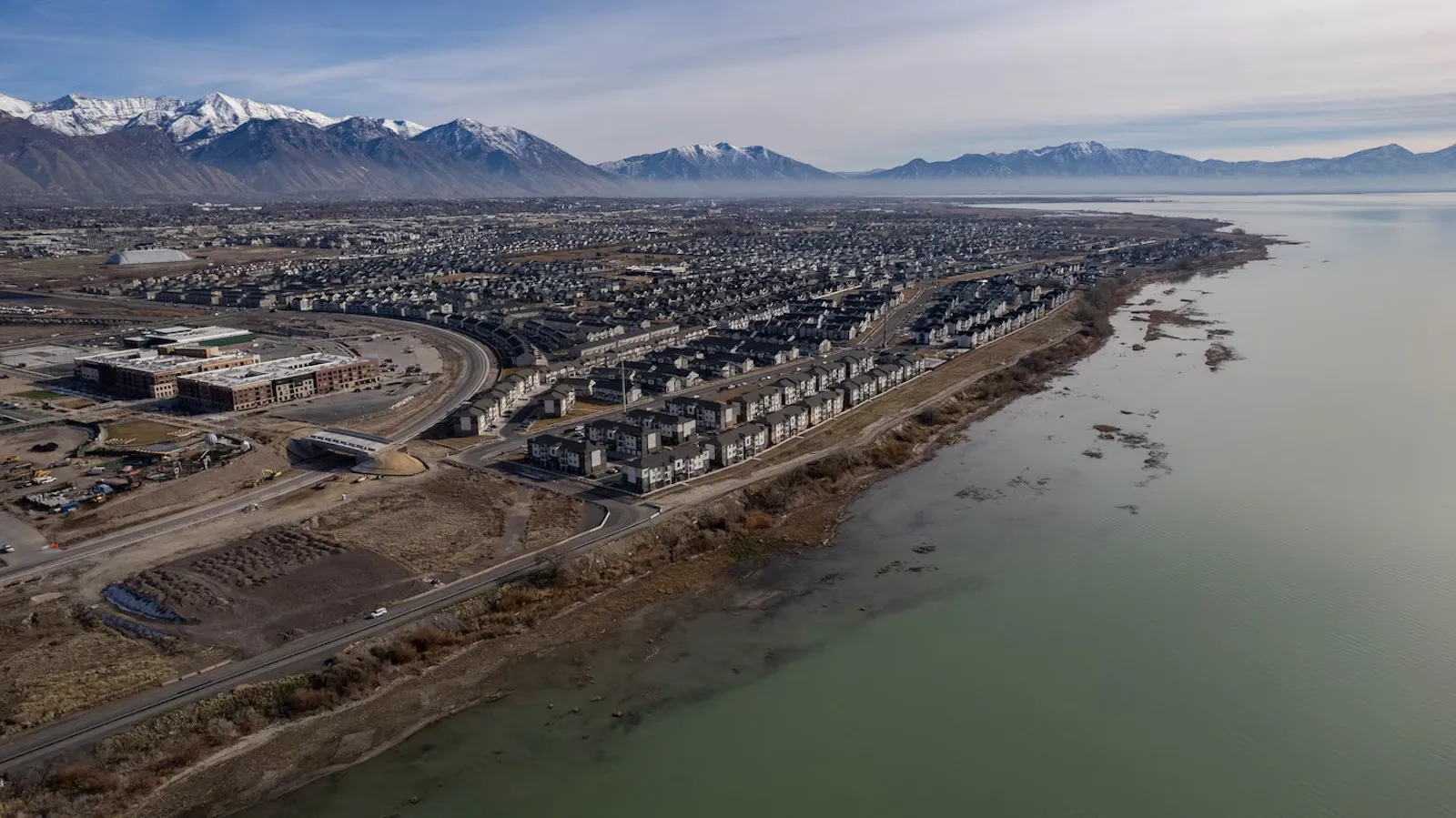
The land beneath Utah City carries deep industrial scars. For decades, the site hosted the Geneva Steel complex, a massive manufacturing hub that served as an economic anchor during World War II before falling into bankruptcy and obsolescence in the early 2000s. Recognizing a rare opportunity to remediate a brownfield site in the middle of one of the nation’s fastest-growing metropolitan corridors, former Vineyard city officials orchestrated a sweeping redevelopment strategy.
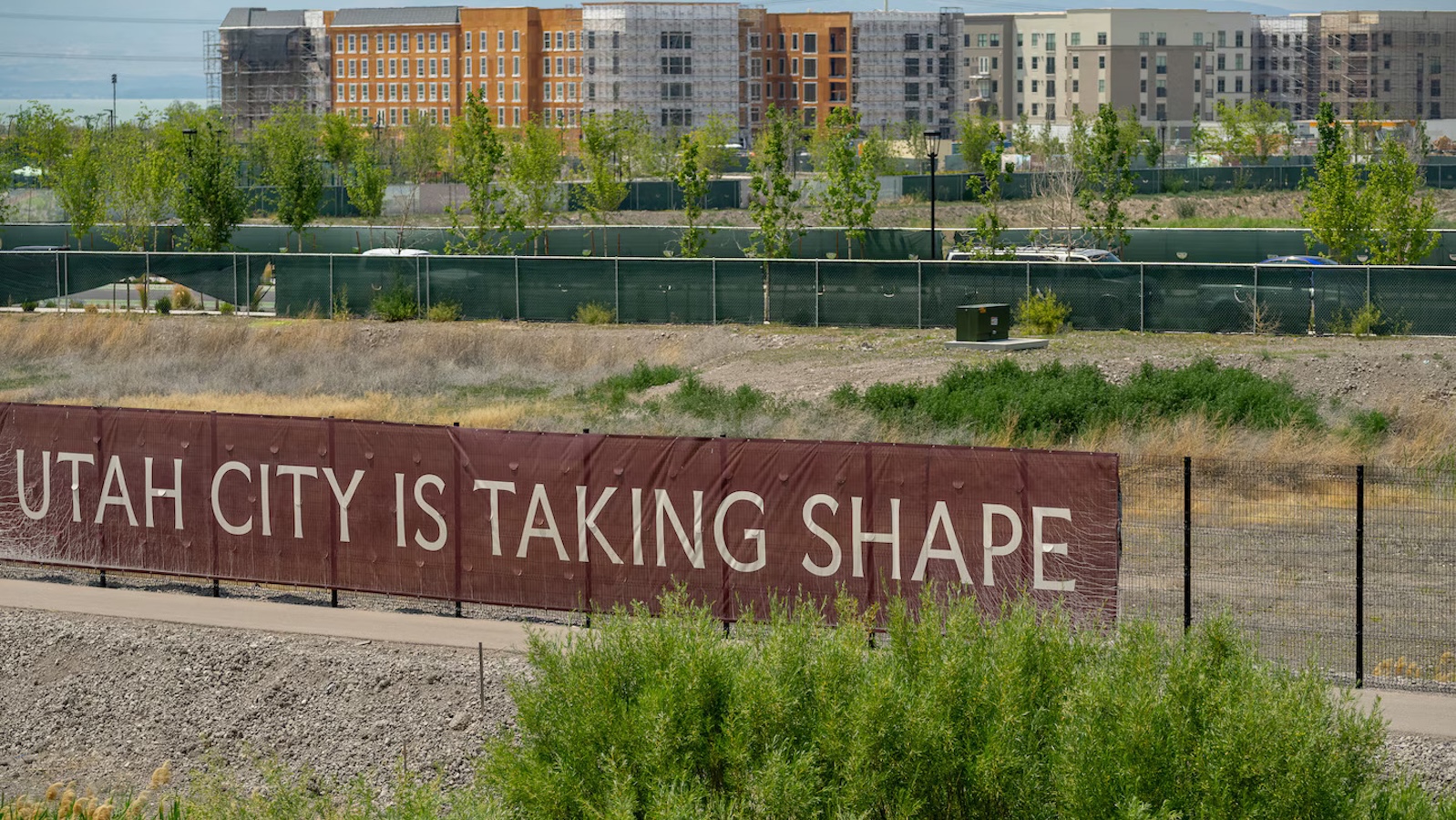
In the years following the steel mill’s closure, Vineyard transitioned from a sleepy agricultural hamlet of just 139 residents in 2010 into a booming municipality housing approximately 16,000 people today. To attract private investment, past city leaders established lucrative tax incentives and updated zoning codes to permit high-rise construction and high-density multi-family housing. The master plan gained critical infrastructure backing in 2022 when the Utah Transit Authority (UTA) inaugurated a FrontRunner commuter rail station directly on the property, seamlessly connecting the nascent downtown to the broader 82-mile urban corridor stretching from Ogden to Provo.
Flagborough LLC—a primary development entity spearheaded by principals from The Flagship Companies, one of Utah’s most prominent real estate firms—stepped forward to transform the property into Utah City. Promoted as the state’s most comprehensive transit-oriented community, the project was envisioned as an antidote to the severe summer and winter smog that frequently settles over the Wasatch Front. By designing a pedestrian-first downtown equipped with water-wise landscaping, boutique grocery stores like Bella’s Market, and imported dining concepts like New York City’s Fini Pizza, the developers aimed to establish an urban ecosystem where cars are secondary.
According to Nate Hutchinson, a partner in Flagship and Flagborough, the sheer scale of the project provides its greatest strategic advantage. "The biggest benefit of this project, the greatest opportunity, is that the project’s so big," Hutchinson noted, estimating that full buildout will require 15 to 20 years. Pete Evans, a co-managing partner, added that the development team has drawn upon nationwide best practices to forge a viable formula for sustainable urban growth.
The Architectural Philosophy of New Urbanism
To execute their vision, developers enlisted renowned urban designer Jeff Speck, author of the influential 2012 book Walkable City: How Downtown Saves America, One Step at a Time. Speck’s philosophy centers on a simple premise: Americans do not necessarily need to abandon their cars entirely; rather, planners must cultivate environments where residents genuinely want to use them less.
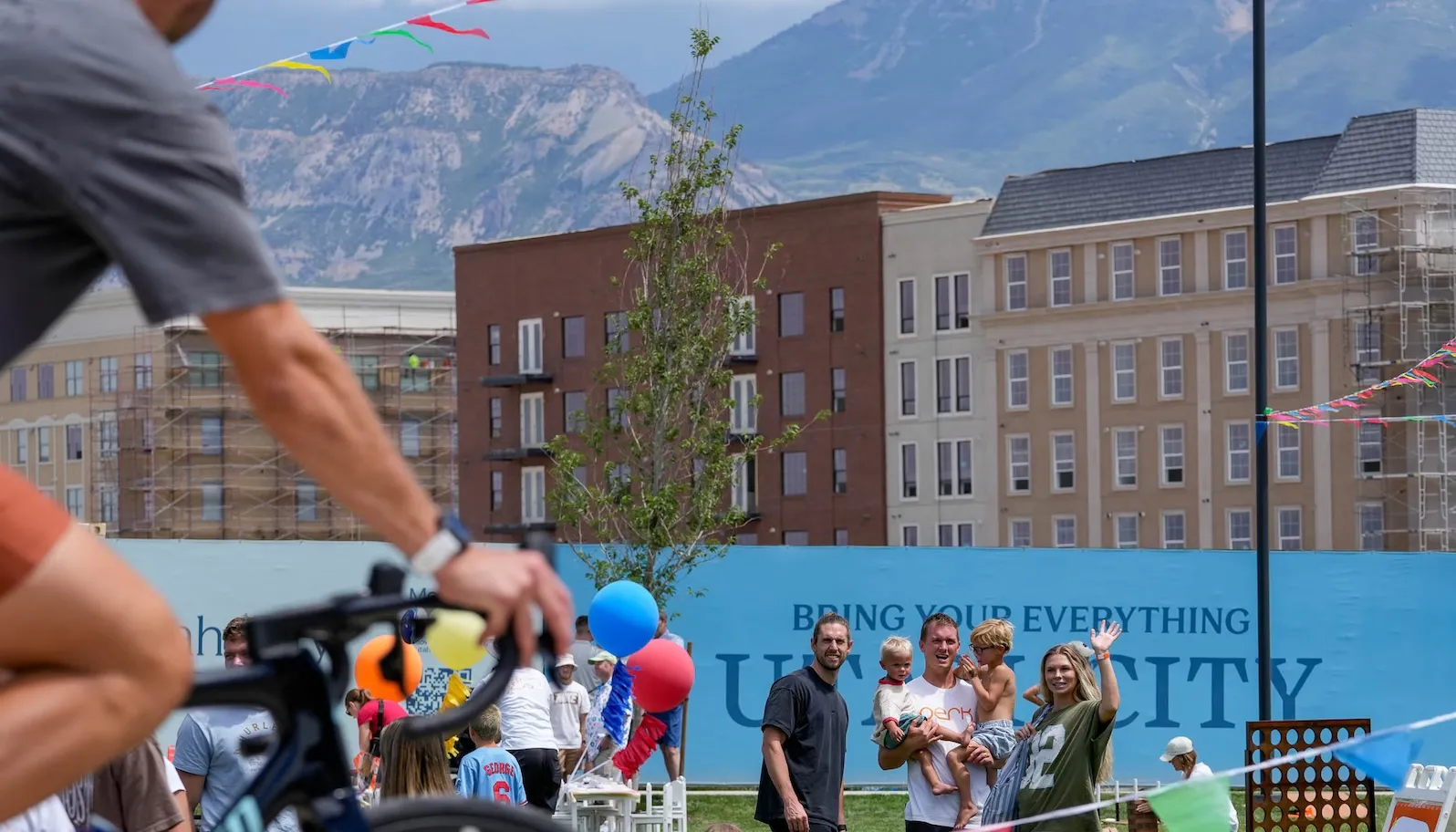
Utah City’s early phases reflect these New Urbanist principles. Gently curving pedestrian paseos guide visitors through micro-plazas adorned with communal firepits and sun umbrellas, while apartment lobbies feature curated collections of books, vinyl records, and board games to foster community interaction. Residents like Cameron Larsen, a 34-year-old father of four who relocated to a three-bedroom apartment in the development, praise the upscale amenities and convenience. His wife, Aunica, routinely walks to her job at Bella’s Market, while Cameron utilizes the nearby FrontRunner station for his professional commute. Beyond standard leasing agreements, developers have sweetened the incentive package with perks such as ski passes to Sundance Mountain Resort, unlimited access to Peloton fitness facilities, and plans for a community swimming pool.
For proponents of sustainable growth, these features represent a vital departure from traditional suburban sprawl. As population pressures mount along the Wasatch Front, state lawmakers have weighed allocating nearly $4 billion to widen Interstate 15. However, urban planners argue that perpetual highway expansion is financially and environmentally unsustainable, pointing out that the state already invested over $1 billion a decade ago to construct the very commuter rail line that Utah City leverages.
Political Backlash and Local Skepticism
Despite the early enthusiasm from early residents and the previous municipal administration, Utah City now faces intense political headwinds. A newly elected mayor, Zack Stratton, alongside a restructured Vineyard City Council taking office in early 2025, campaigned on a mandate to roll back policies they argue were overly deferential to private developers.
The primary friction points involve public financing, density, and housing affordability. In 2022, Vineyard successfully applied for a state designation establishing a Housing and Transit Reinvestment Zone (HTRZ) over the project area. Under this mechanism, as land values and property tax revenues appreciate, local governments can allocate incoming funds to reimburse developers for vital infrastructure—including parking structures, utility lines, and "vertical construction costs" for buildings exceeding four stories—over a 25-year period. Records indicate the city disbursed approximately $4.5 million to Utah City developers in 2026 alone, prompting city council members to launch comprehensive reviews of past agreements.
Skeptical council members argue that these public resources inappropriately subsidize private profit margins. "Maybe it can work, maybe it can’t," said Councilman Jacob Wood, who took office in January. "It’s a gamble, but they shouldn’t be gambling with city money." Fellow Councilman David Lauret echoed these concerns, contending that the heavy concentration of taxpayer-assisted rental properties essentially hands developers a perpetual commercial revenue stream without delivering sufficient public equity.
Furthermore, local leaders challenge the cultural viability of high-density living in a region dominated by single-family homes and car-dependent outdoor recreation. Mayor Stratton pulled no punches regarding regional sentiment, stating plainly: "This is the reality: No one up and down the Wasatch Front wants density."
Academic researchers see parallels to other ambitious, master-planned cities globally. Sarah Moser, a professor of urban and cultural geography at McGill University, points to international projects like King Abdullah Economic City in Saudi Arabia—announced in 2005 with projections of housing two million people, yet attracting only around 10,000 residents by 2024 because local cultural preferences favored driving and suburban living. Domestically, similar eco-friendly visions like California Forever have faced continuous voter resistance from residents skeptical of top-down social engineering. Regional shifts are already visible; neighboring Orem officially pivoted away from dense multi-family developments last year to prioritize single-family housing construction.
The Affordability Debate and Financial Realities
Affordability has emerged as another core battleground. Promotional materials released by Utah City developers boasted of creating a destination where "people will pay a premium to live." However, local officials argue that these luxury offerings remain out of reach for average students, young professionals, and working-class families navigating Utah’s severe housing crunch.
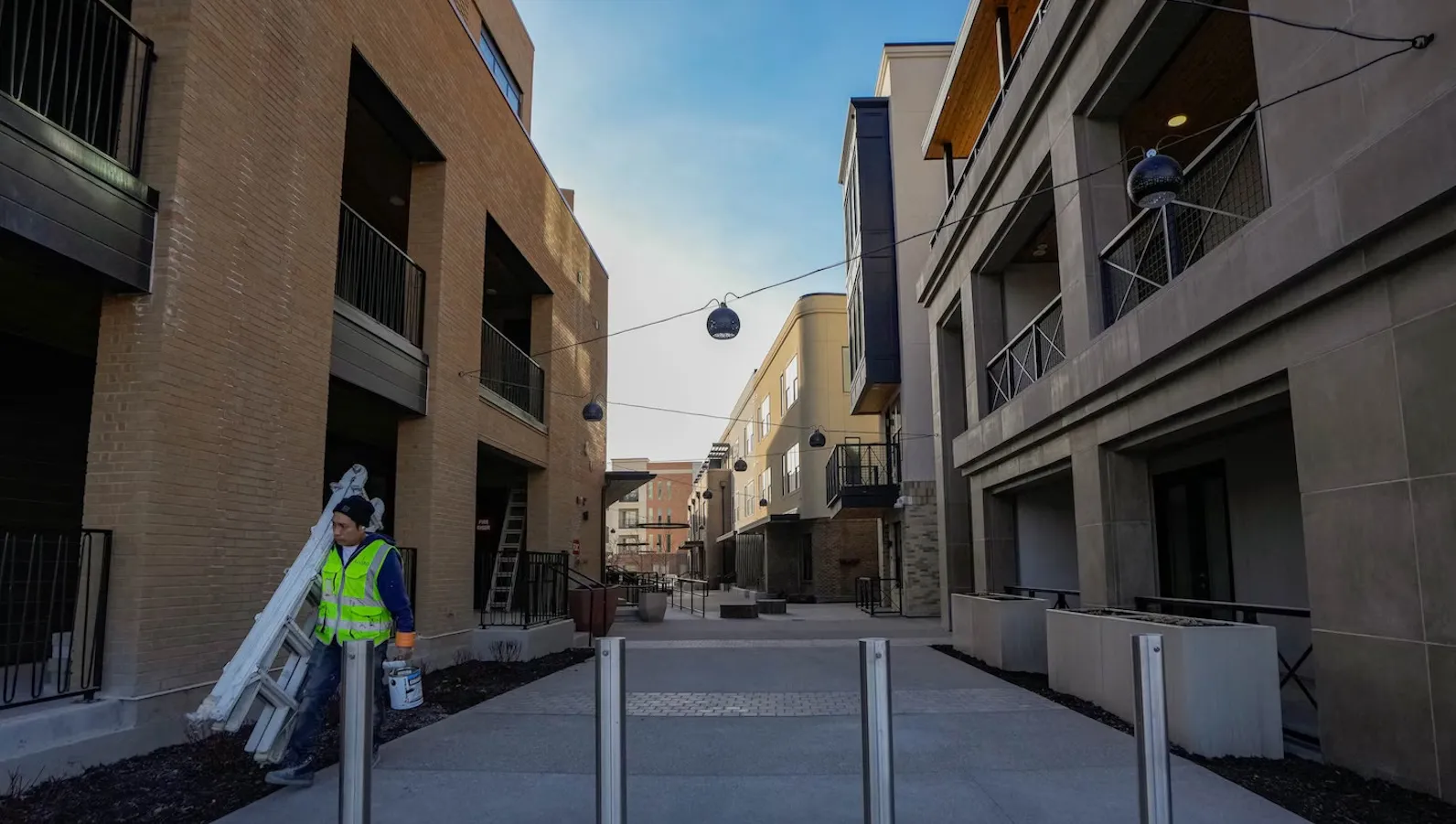
Recent market data highlights the pressure: average studio apartments in Utah City rent between $1,325 and $1,410 per month, while two-bedroom units start near $2,500, excluding mandatory fees for parking, pets, and utilities. By comparison, median studio rents in nearby Provo hover around $1,199. With the average price of a single-family home in Utah sitting at roughly $585,000, housing costs rank among residents’ top concerns in statewide polls.
Councilman Wood, a 25-year-old local entrepreneur, notes that high-end master plans risk alienating locals who rely on vehicles for their livelihoods and recreation. "Walkability I don’t care about," Wood remarked. "It forces a lifestyle the average person isn’t living. Most people drive a car."
In contrast, development partners vehemently defend their pricing strategy and long-term commitments. Hutchinson pointed out that developers evaluate affordability based on U.S. Department of Housing and Urban Development (HUD) guidelines, which define low-income households as earning up to 80 percent of the area median income. In Utah County, that threshold equates to $95,350 annually for a four-person family and $66,750 for a single individual—parameters within which developers argue their current inventory falls. Hutchinson also pushed back against accusations of a "bait and switch" regarding homeownership options, clarifying that the master plan intentionally sequences parks, retail, and commercial spaces before delivering for-sale housing units in later phases.
Accountability, Governance, and Future Milestones
Complicating the political landscape are lingering questions regarding administrative oversight. A state auditor investigation last year uncovered reporting deficiencies regarding major payments made by Vineyard’s Redevelopment Agency across the municipality, while a concurrent city-commissioned audit cited internal management shortcomings. Although Utah City was not explicitly cited in the state findings, the controversy prompted the current City Council to establish a citizen panel to scrutinize historical RDA contracts. Thus far, council members note that the panel has not uncovered any illicit financial behavior, with Lauret admitting, "Have we uncovered anything earth shaking? No."
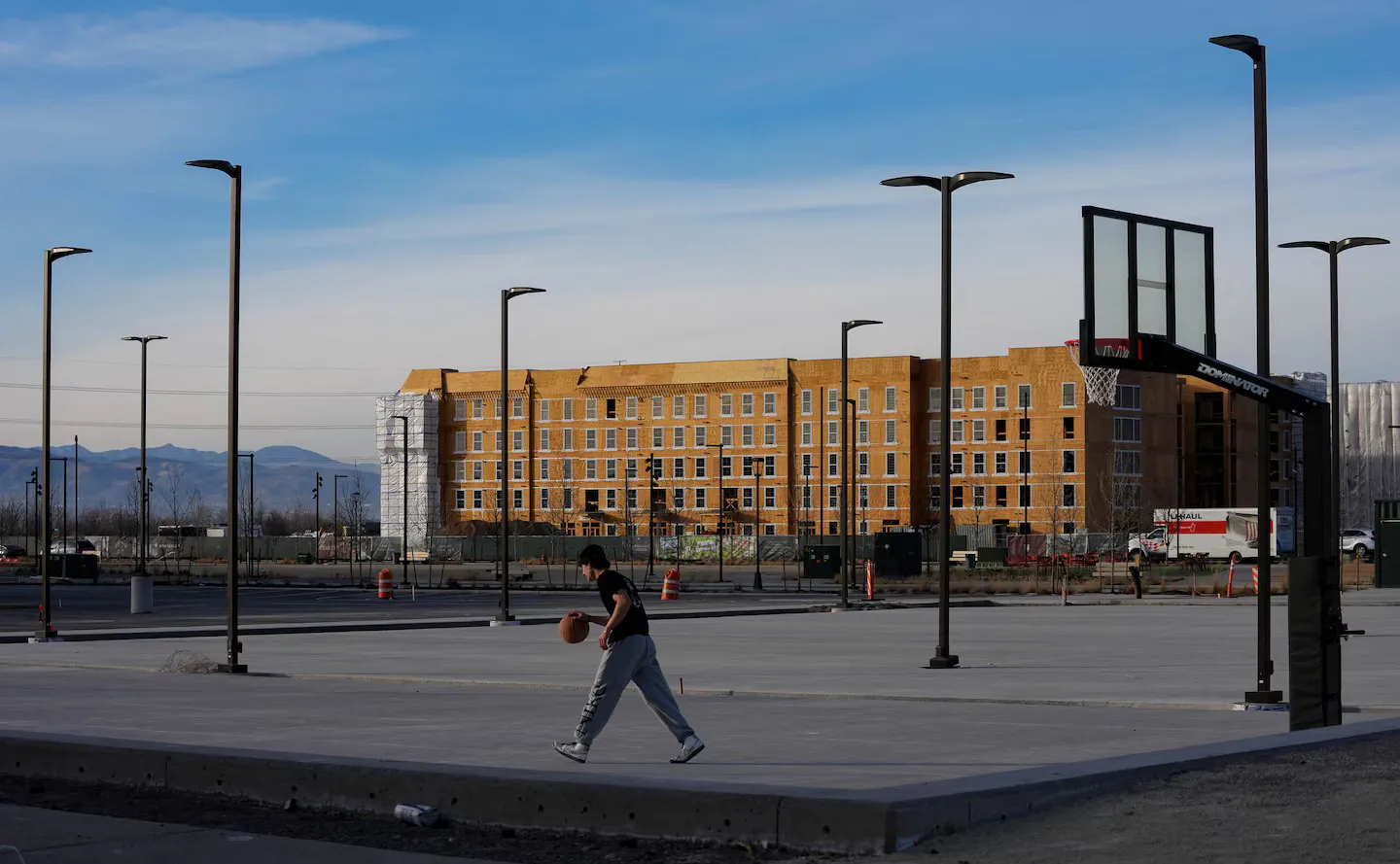
Despite ongoing municipal friction, both critics and supporters acknowledge that monumental economic anchors are on the horizon. In 2028, Utah City is scheduled to welcome a major Huntsman Cancer Institute hospital and research facility, projected to generate approximately 450 specialized clinical and research jobs. Additionally, plans are underway for light industrial and biomedical complexes on the eastern side of the FrontRunner tracks, designed to complement a future Utah Valley University expansion. Even Mayor Stratton acknowledged the significance of these institutional additions, calling the medical facility and educational integration undeniable victories for Vineyard.
As leasing velocity remains strong—with initial rental buildings nearly fully occupied ahead of schedule—the developers of Utah City remain steadfast in their long-term vision. They argue that overcoming auto dependency requires patience, capital commitment, and structural persistence. Whether Utah City ultimately succeeds as a transformative New Urbanist model or serves as a cautionary tale of overzealous planning, its evolution will profoundly influence how the rapidly growing Wasatch Front addresses housing, transit, and community design for decades to come.