Tyson Fury vs Anthony Joshua is set for an all-British mega-fight at the Principality Stadium in Cardiff on December 11 2026

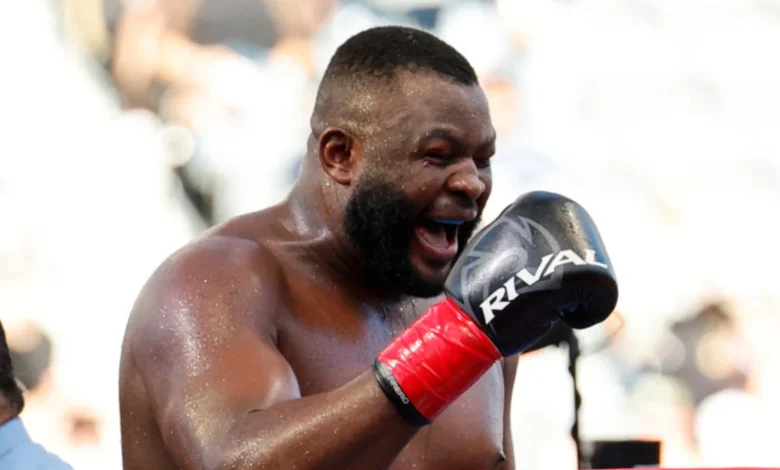
The long-awaited collision between two of the most significant figures in modern heavyweight boxing has finally been confirmed. Tyson Fury and Anthony Joshua, whose professional paths have intersected through years of negotiations, social media challenges, and public discourse, will face each other in a definitive encounter at the Principality Stadium in Cardiff on December 11, 2026. This bout represents more than just a contest for titles; it marks the culmination of a decade-long narrative that has dominated the British sporting landscape.
A Decade of Speculation and Negotiation
The rivalry between Fury and Joshua dates back to the mid-2010s, when both fighters were ascending to the summit of the heavyweight division. As Joshua captured the IBF, WBA, and WBO titles, and Fury solidified his status as the lineal heavyweight champion following his historic victory over Wladimir Klitschko in 2015, the prospect of a domestic unification bout became the primary demand of the boxing public.
Despite numerous attempts to bridge the gap between their respective promotional teams, the fight faced consistent obstacles. Conflicts regarding mandatory title defenses, broadcast platform exclusivity, and pandemic-era scheduling disruptions repeatedly derailed proposed agreements. However, the 2026 landscape presented a unique opportunity, with both fighters operating under a framework that prioritized the commercial and sporting viability of the event. The confirmation of the Cardiff venue underscores the magnitude of the occasion, utilizing the capacity of the Principality Stadium to accommodate a record-breaking crowd, reminiscent of the atmospheric intensity seen during major British boxing nights in previous decades.
Chronology of the Rivalry
To understand the gravity of this upcoming match, one must look at the developmental arc of both athletes:
- 2015: Tyson Fury defeats Wladimir Klitschko in Germany to become the lineal and unified heavyweight champion. Anthony Joshua continues his undefeated streak, rising through the professional rankings.
- 2017: Joshua secures a landmark victory over Klitschko at Wembley Stadium, establishing himself as the primary draw in the division.
- 2018-2020: The "Battle of Britain" discourse intensifies. Fury returns from a hiatus, engaging in his trilogy with Deontay Wilder, while Joshua navigates title defenses and a brief upset loss to Andy Ruiz Jr.
- 2021: A contract for a two-fight series is drafted but eventually collapses due to legal arbitration regarding Fury’s obligations to Wilder.
- 2023-2025: Both fighters undergo significant changes in their training camps and promotional alignments, keeping their competitive fire alive against a new generation of heavyweight contenders.
- November 2026: Official confirmation of the December 11 bout at the Principality Stadium brings an end to the period of uncertainty.
Comparative Statistical Analysis
The fight presents a fascinating contrast in physical attributes and tactical styles. Tyson Fury, standing at 6’9", brings an unconventional movement style for a man of his size. His ability to switch stances and utilize his reach effectively has made him a difficult puzzle for previous opponents. His record, characterized by his resilience and tactical IQ, reflects a fighter who has historically thrived when his back is against the wall.
Anthony Joshua, conversely, is widely regarded as one of the most physically disciplined and technically orthodox heavyweights of the modern era. With a background in amateur boxing that emphasized explosive power and fundamental precision, Joshua has spent recent years refining his defensive footwork and patience. Statistically, Joshua holds a higher knockout percentage, demonstrating a capacity to end fights within the mid-to-late rounds through sustained pressure and combinations.
The intersection of Fury’s reach and unorthodox rhythm against Joshua’s power and technical discipline provides a classic stylistic conflict. Analysts note that the outcome may hinge on which fighter can dictate the distance of the engagement. If the fight occurs at range, Fury’s reach is likely to dominate; however, should Joshua succeed in closing the gap to land power shots to the body, the dynamics of the contest could shift rapidly.
Official Responses and Industry Impact
While both camps have maintained a level of professional decorum since the announcement, the undertones of the rivalry remain palpable. Representatives for both Fury and Joshua have emphasized that this is a "legacy-defining" event. Promoters have highlighted that the fight is not merely about the belts at stake, but about settling the debate regarding who has been the superior heavyweight of their generation.
Industry experts suggest that this fight serves as a vital injection of interest into the heavyweight division. Following a period of transition in the boxing world, the Fury-Joshua matchup provides a focal point that attracts both casual observers and long-term boxing enthusiasts. The economic impact on Cardiff is expected to be substantial, with hospitality, tourism, and media infrastructure preparing for a massive influx of spectators from across the globe.
Broader Implications for Heavyweight Boxing
The significance of the December 11 date extends beyond the immediate result of the fight. With the heavyweight landscape becoming increasingly globalized, the ability of two British fighters to command such a massive audience demonstrates the enduring health of the sport in the United Kingdom.
Furthermore, the result of this bout will likely dictate the path for the division for the next two to three years. The winner will be positioned to unify remaining belts or move into a series of "super-fights" against international challengers. Conversely, the loser must confront the reality of their career trajectory, with many speculating that a loss of this magnitude could signal the beginning of a transition toward retirement or a change in competitive focus.
As the date approaches, the focus will shift to the final training blocks. Both fighters are expected to enter camps characterized by high-intensity sparring and rigorous nutritional planning. The media buildup, traditionally a volatile aspect of this rivalry, will be monitored closely as the two titans prepare to step into the ring.
Conclusion: A Momentous Night in Cardiff
The Principality Stadium, with its retractable roof and imposing design, serves as the ideal backdrop for a contest of this stature. As the sport of boxing continues to evolve in a digital-first era, the traditional spectacle of a stadium fight remains its most powerful asset. December 11, 2026, will be remembered as the night that the long-standing question—who is the greatest British heavyweight of the era?—is finally answered.
The administrative work behind the scenes has been immense, involving complex broadcast negotiations and sanctioning body approvals. However, for the millions of fans who have followed the saga from its inception, the details of the contract are secondary to the promise of the action that will unfold inside the squared circle. The wait is nearly over; the two most recognizable names in boxing are finally set to settle their differences, and in doing so, they will write the final chapter of a story that has spanned over a decade. Whether the bout ends in a tactical masterclass or a dramatic knockout, the legacy of this evening is already secured in the annals of boxing history.
Related posts: