Coordinated Leftist Nonprofits Target Elon Musk Austin Home With Theatrical Post-Election Demonstration

Three prominent far-left nonprofit organizations, commanding combined annual revenues of $56.1 million, escalated an ongoing campaign against Tesla and SpaceX CEO Elon Musk by staging a high-profile, post-election demonstration outside his residence in the Austin, Texas, area. Framed by organizers as a family-friendly "People Over Billionaires Election After Party," the Saturday event featured chartered party buses, amplified music including Queen’s "We Will Rock You," speeches, dancing, and theatrical Cybertruck piñatas.
While organizers promoted the gathering as an organic, grassroots expression of voter sentiment following recent electoral cycles, public financial disclosures and investigative reporting reveal a highly coordinated, professionally managed operation. The demonstration highlights a broader trend of well-funded, tax-exempt networks deploying synchronized logistical support, standardized messaging, and theatrical props to target prominent corporate figures aligned with conservative political initiatives.
Anatomy of an Orchestrated Protest
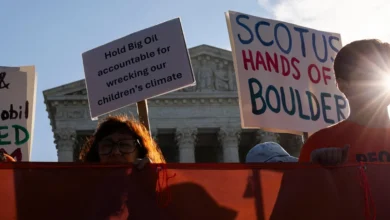
The demonstration in West Lake Hills, an affluent enclave near Austin where Musk maintains a residence, drew approximately 60 participants. Attendees arrived aboard two chartered blue Fly-Rides party buses alongside additional private vehicles, transforming what was billed as a celebratory community gathering into a deliberate public spectacle. Demonstrators waved signs bearing slogans such as "Texas is not for sale" and "Alright Texas! Now let’s tax Musk," while distributing refreshments and promotional materials.
The event was spearheaded by three distinct organizations: VOCAL-TX, a project operating under the fiscal sponsorship of the New York-based 501(c)(3) nonprofit Voices of Community Activists and Leaders (VOCAL-NY); the Center for Popular Democracy Inc., a Brooklyn-based 501(c)(3) nonprofit; and People’s Action, a Chicago-based 501(c)(4) political advocacy nonprofit.
Despite public framing that presents these actions as spontaneous uprisings by local community members, critics and investigative watchdogs categorize the events as "astroturfing"—the practice of manufacturing the appearance of grassroots support through centralized funding and professional coordination. Representatives for the organizing groups did not respond to multiple requests for comment from media outlets regarding the funding sources and logistical coordination behind the Austin demonstration.

Financial Footprint and Institutional Scale
Tax filings submitted to the Internal Revenue Service underscore the substantial financial resources underpinning the network of organizations coordinating anti-Musk demonstrations nationwide. Financial disclosures from 2024 illustrate the scale of these entities:
- The Center for Popular Democracy: Reported total annual revenues of $40.9 million, alongside $38.2 million in contributions. The organization’s compensation disclosures showed its two co-executive directors received an average total compensation of $234,026, including bonuses—roughly four times the median annual earnings of full-time, year-round U.S. workers during the same period.
- VOCAL-NY (Fiscal Sponsor of VOCAL-TX): Reported $13.1 million in annual revenue, with nearly $3.5 million allocated toward salaries and wages. Its high-earning personnel included its Texas co-director, who received a salary of $113,842 and $21,854 in bonuses.
- People’s Action Institute: Reported $2.1 million in annual revenue, functioning as part of a national network dedicated to advancing progressive economic and social policy advocacy.
When combined, the annual revenues of these three primary organizers total $56.1 million. Analysts note that this figure represents only a fraction of the broader protest infrastructure. A comprehensive investigation into previous coordinated actions, such as the "Tesla Takedown" campaigns, identified a coalition of 258 organizations with a combined estimated annual revenue of $2.6 billion supporting similar anti-corporate initiatives.
Evolution of the Anti-Musk Campaign
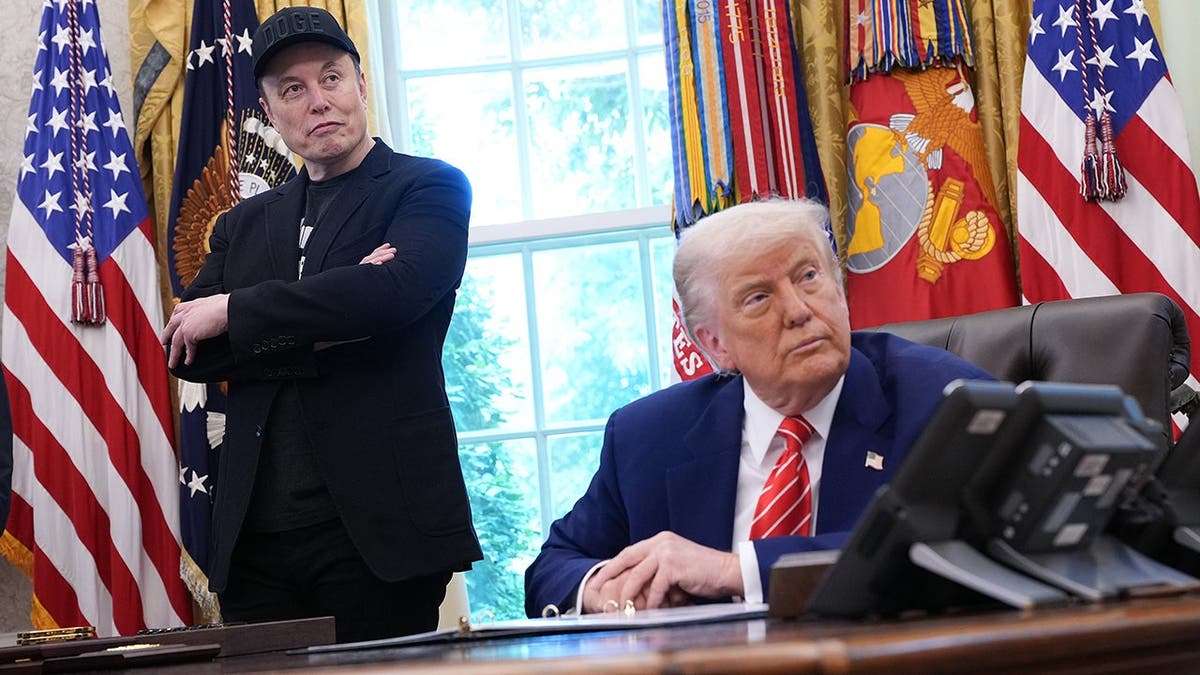
The demonstration outside Musk’s residence represents the latest phase in an escalating campaign that began taking shape in early 2025. Following Musk’s prominent involvement in the 2024 political cycle and his subsequent advisory role within the federal Department of Government Efficiency (DOGE), progressive coalitions targeted Tesla dealerships and corporate facilities across the United States.
Chronology of Key Developments:
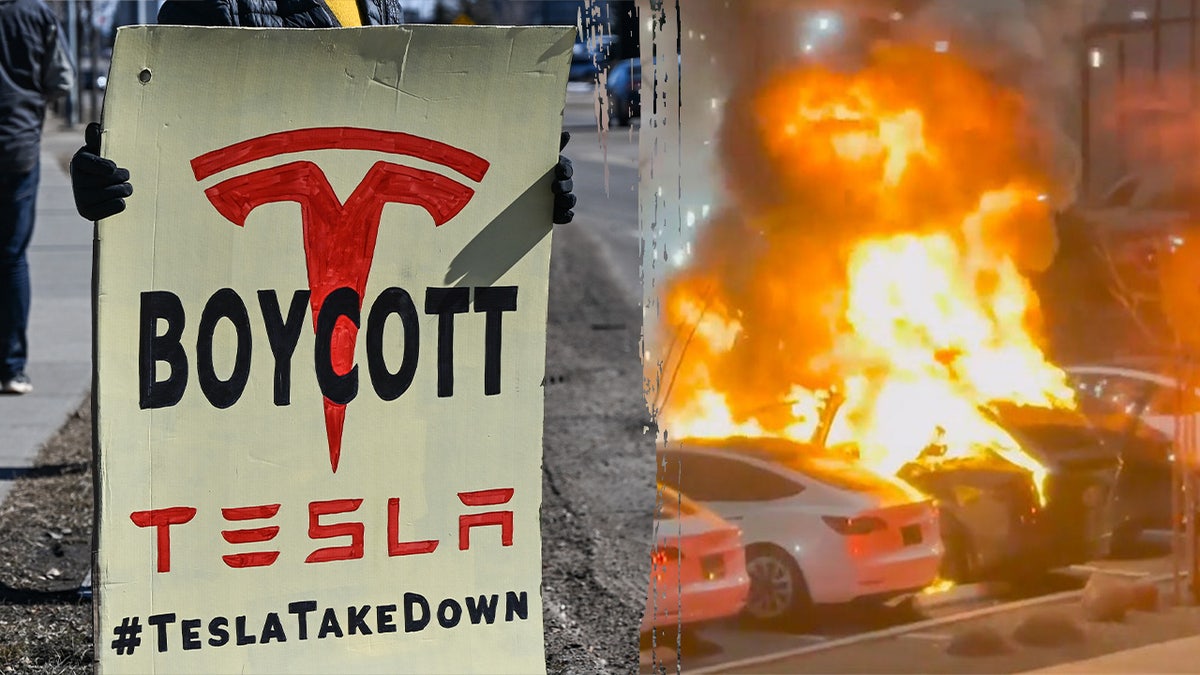
- Early 2025: Activist networks launch coordinated "Tesla Takedown" demonstrations at dealerships across Texas and other states, protesting Musk’s political expenditures and government restructuring initiatives. Some demonstrations devolve into vandalism targeting Tesla vehicles and showrooms.
- May 1, 2025: During May Day rallies in Washington, D.C., and other major metropolitan areas, explicitly socialist and communist factions—including the Party for Socialism and Liberation, the ANSWER Coalition, and the Freedom Road Socialist Organization—integrate anti-Musk messaging into broader labor protests, displaying standardized propaganda materials.
- Late 2025 to 2026: Political spending by Musk during the 2026 midterm election cycle—estimated by various analyses to range between $445 million and $474 million, including substantial support for conservative candidates in Texas—draws renewed scrutiny and direct action from progressive coalitions.
- Saturday Demonstration: Organizers transport approximately 60 activists via chartered buses to West Lake Hills, executing a carefully scripted protest featuring music, themed props, and national media messaging.
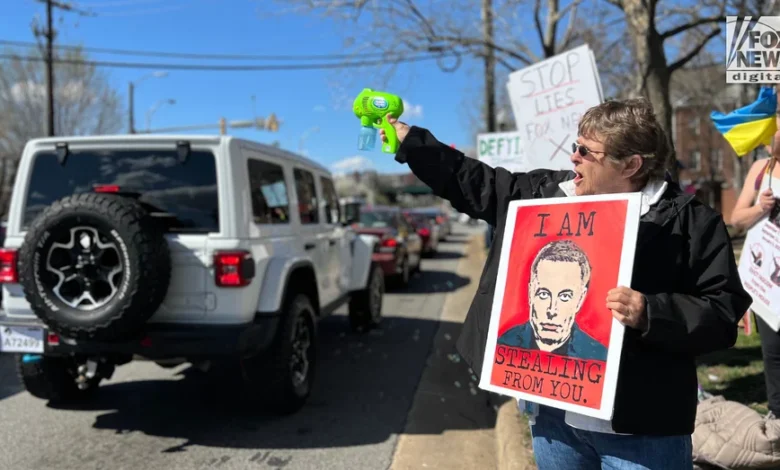
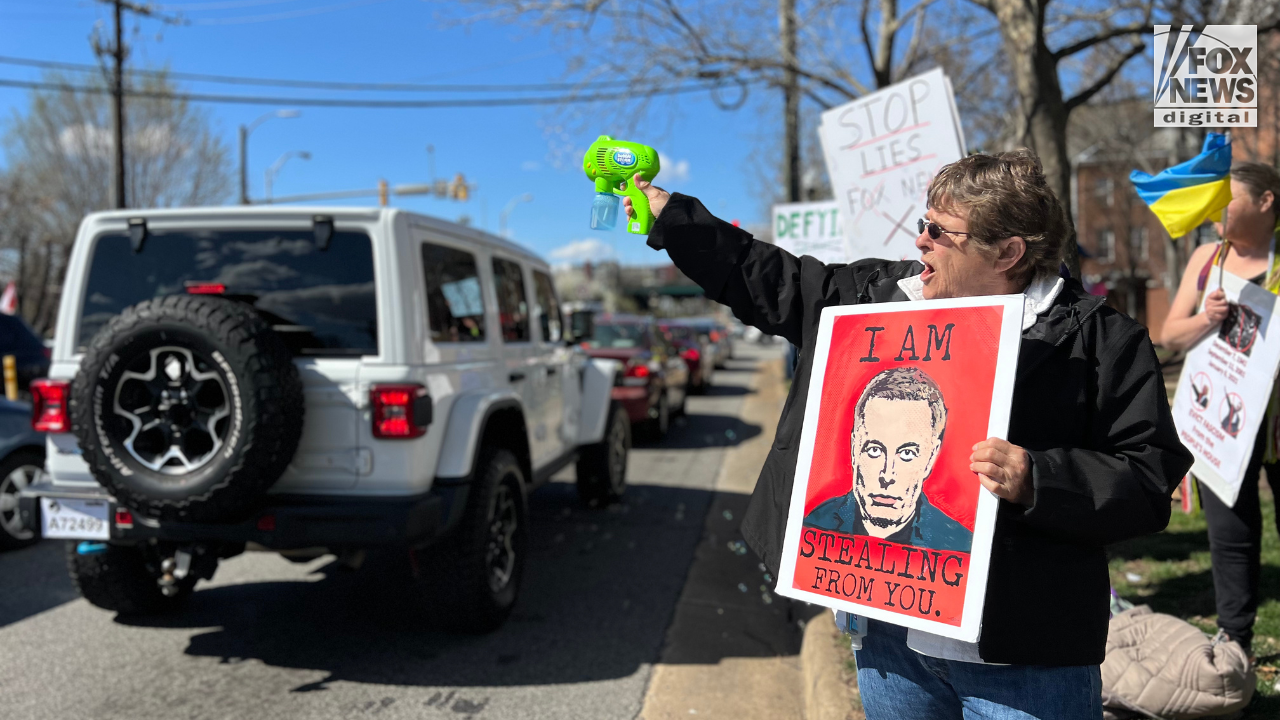
A central element in the visual branding of these protests is a mass-produced poster depicting Musk with exaggerated, menacing features alongside the caption, "I AM STEALING FROM YOU." Originally commissioned from Washington, D.C., street artist Absurdly Well by the Progressive Change Institute—the 501(c)(3) sister organization of the Progressive Change Campaign Committee—the artwork has become a ubiquitous fixture at demonstrations nationwide. The committee has actively monetized and distributed the posters, offering bulk packs to donors in exchange for contributions ranging from $135 to $250, with the explicit goal of establishing Musk as a persistent political liability.
Broader Alliances and Ideological Convergence
The infrastructure supporting these demonstrations often bridges mainstream progressive advocacy groups and more radical factions. Social media promotions for the Austin event and related actions frequently tag broader coalitions such as May Day Strong, a network comprising more than 600 labor and community organizations that includes avowedly socialist and communist entities.

Furthermore, federal investigators and congressional committees have scrutinized connections between domestic protest networks and foreign-backed funding streams. Inquiries led by lawmakers and Department of Justice prosecutors have examined financial backing provided by wealthy donors—such as Neville Roy Singham, an American-born businessman based in Shanghai—to organizations that frequently endorse and participate in street demonstrations across the United States, including groups aligned with the anti-Musk movement.
Societal Implications and Expert Concerns
Security experts and social cohesion researchers have expressed growing concern regarding the normalization of targeted protests at the private residences of public figures and corporate executives. While organizers consistently emphasize the peaceful and family-friendly nature of individual events, analysts from research groups such as the Network Contagion Research Institute warn that sustained rhetoric demonizing specific individuals can establish a "permission structure" for political polarization and potential escalation into unlawful behavior.
Conversely, organizers maintain that targeting high-net-worth individuals is a legitimate form of public expression intended to challenge the influence of concentrated wealth on public policy and electoral outcomes. Proponents of these demonstrations argue that corporate leaders who actively engage in national politics should expect robust public pushback from citizens organized around economic equity.
As federal and state lawmakers weigh potential legislative responses to corporate political spending—alongside prospective congressional investigations into prominent business leaders—the intersection of institutional nonprofit funding, professional event management, and street-level activism is expected to remain a defining feature of the American political landscape.