California Appeals Court Rules ER Estate Lawsuit Against Max Medical Drama The Pitt Can Proceed

A unanimous decision
handed down on Wednesday by a California appellate court has cleared the path for a high-stakes intellectual property lawsuit to move forward, finding that significant conceptual and structural similarities exist between the iconic medical television drama ER and the critically acclaimed Max series The Pitt. The ruling by a three-judge panel of the Second District Court of Appeal marks a major procedural setback for the producers of The Pitt, while simultaneously offering a vital legal lifeline to the estate and widow of late ER creator Michael Crichton as they seek to protect the legacy and commercial footprint of one of television’s most influential properties.
While the appellate decision allows the core copyright infringement and breach of contract claims to proceed toward trial, it did offer partial relief to the defense. The three-judge panel officially dismissed actor and producer Noah Wyle—who famously starred as Dr. John Carter in the original NBC juggernaut ER before transitioning to a leading role and executive producer title on The Pitt—as an individual defendant in the action. Alongside Wyle, two other producers who worked across both television series were similarly removed from the lawsuit’s list of individual defendants. Nevertheless, the legal entities responsible for producing The Pitt remain firmly on the hook, meaning the core litigation over the show’s origins and creative lineage will continue to unfold in the lower courts.
Background Context and the Genesis of the Dispute
The legal battle is rooted in a fundamental creative dispute over television genealogy, genre tropes, and corporate rights. ER, which was created by bestselling author and physician Michael Crichton, premiered on NBC in September 1994 and went on to define the modern medical procedural. Running for 15 seasons and a staggering 331 episodes, the series won 23 Emmy Awards and established a high-velocity, ensemble-driven storytelling style characterized by hyper-realistic medical emergencies, sweeping tracking shots through chaotic hospital corridors, and complex interpersonal drama among healthcare professionals. Crichton passed away in 2008, but his estate and widow, Sherri Crichton, have maintained a vigilant oversight of his vast intellectual property portfolio.
Decades after ER signed off the air in 2009, the creative team behind The Pitt set out to capture a similar lightning-in-a-bottle dynamic for modern streaming audiences. Distributed by HBO Max, The Pitt is billed as a realistic, gritty examination of contemporary healthcare in America, tracking a day in the life of a crowded emergency department in Pittsburgh, Pennsylvania, in real-time. The series quickly cemented itself as a darling of both critics and awards bodies, picking up two Primetime Emmy Awards for Outstanding Drama Series across its first two seasons, alongside two Best Actor trophies for Noah Wyle’s central performance.
However, representatives for the Crichton estate saw more than mere inspiration in the Max hit; they alleged that The Pitt was, in essence, an unauthorized, rebranded iteration of ER designed to circumvent licensing restrictions and exploit the foundational framework Crichton originally built. When Warner Bros. Discovery and the production teams moved to dismiss the lawsuit early in the judicial process, trial court judges initially rebuffed their attempts, setting the stage for the pivotal appeal that culminated in Wednesday’s ruling.
Chronology of the Legal Proceedings
The trajectory of the litigation highlights the aggressive legal maneuvers typical of high-profile Hollywood copyright disputes:
- Late 2024 to Early 2025: As The Pitt gains traction during its initial development and premiere cycles, whispers of structural similarities to ER begin circulating within industry circles. Legal teams representing the Michael Crichton estate evaluate the creative overlap, script structures, and tonal similarities between the two properties.
- Mid 2025: Formal legal action is initiated against the producers of The Pitt, alleging copyright infringement, unfair competition, and breaches tied to historical rights management.
- Late 2025: Defense attorneys file a motion to dismiss the lawsuit under California’s legal frameworks, arguing that standard medical drama tropes cannot be monopolized and that The Pitt constitutes an entirely distinct, original artistic work protected by the First Amendment.
- Early 2026: The trial court judge denies the motion to dismiss, allowing the Crichton estate’s claims to proceed. Dissatisfied with this outcome, the producers of The Pitt escalate the matter, petitioning the California appellate court to intervene and halt the proceedings.
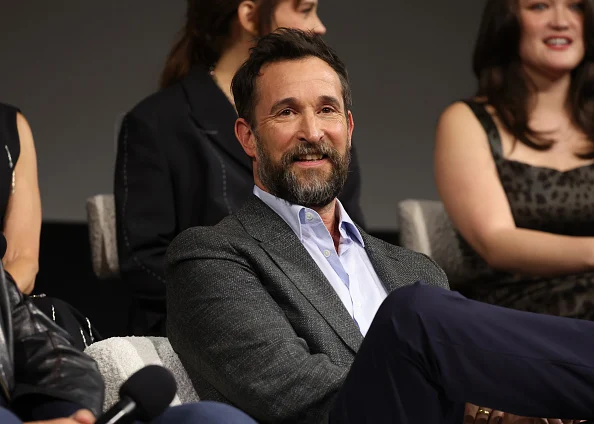
- June 9, 2026: Key figures, including Noah Wyle, attend promotional events for The Pitt in Los Angeles amidst swirling media coverage regarding the ongoing intellectual property shadow cast over the production.
- November 6, 2026: The Second District Court of Appeal issues its unanimous ruling. The three-judge panel upholds the lower court’s refusal to dismiss the overarching lawsuit, determining that the structural and conceptual overlap warrants a full factual examination at trial, while simultaneously pruning individual producers, including Wyle, from the list of defendants.
Legal Analysis and Court Rationale
At the heart of the appellate court’s decision is the delicate legal boundary separating unprotectable "scenes a faire"—standardized elements and tropes intrinsic to a specific genre, such as frantic trauma bays, defibrillator paddles, and diagnostic jargon—from protectable elements of expression, plot architecture, character dynamics, and thematic pacing.
While defense counsel argued aggressively that The Pitt merely occupies the well-trodden genre of fast-paced hospital dramas pioneered by multiple shows across television history, the three-judge panel concluded that the plaintiff’s complaint successfully pointed to specific, non-generic similarities that rise above ordinary genre overlap. By demonstrating that the pacing, narrative construction, and directorial execution bore an uncanny resemblance to the proprietary blueprint established by Crichton, the estate crossed the legal threshold necessary to survive a motion to dismiss.
By dismissing Noah Wyle and his fellow dual-series producers as individual defendants, the court drew a sharp procedural line between corporate liability and personal exposure. While actors and hands-on producers frequently wear multiple hats in modern television production, the court’s ruling suggests that holding individuals personally liable for broader corporate intellectual property disputes requires a distinct tier of direct, culpable wrongdoing that was not sufficiently established at this preliminary stage against those specific individuals. Nevertheless, the corporate entities backing The Pitt remain fully exposed to potential damages and injunctive scrutiny.
Broader Industry Implications
The progression of Crichton Estate v. The Pitt Productions carries profound implications for the television and streaming industry at large, particularly at a time when networks and studios increasingly rely on nostalgic revivals, spiritual sequels, and re-imaginings of proven intellectual properties to cut through a crowded media landscape.
For studios and showrunners, the ruling serves as a cautionary tale regarding the legal risks inherent in hiring creative alumni from legendary television franchises to helm ostensibly "original" spiritual successors. When creative DNA—writers, directors, producers, and actors—transfers directly from a foundational hit to a new streaming property, the threshold for actionable similarity scrutiny is inevitably lowered in the eyes of litigious rights holders.
Conversely, creators and estate managers will view the Second District Court of Appeal’s decision as a significant victory for the preservation of legacy intellectual property. In an era where corporate mergers and shifting studio libraries frequently blur the lines of ownership, the ruling reinforces the legal enforceability of a creator’s distinct artistic blueprint long after their passing.
As the case now pivots back toward the trial court for discovery, depositions, and potential trial preparation, Hollywood will be watching closely. The ultimate resolution of this dispute threatens to establish a vital legal precedent dictating how streaming platforms develop high-concept procedural dramas and where the legal boundaries of creative homage officially end in the modern television landscape.