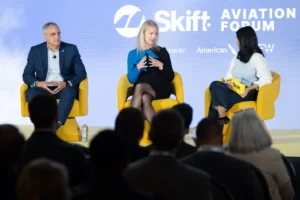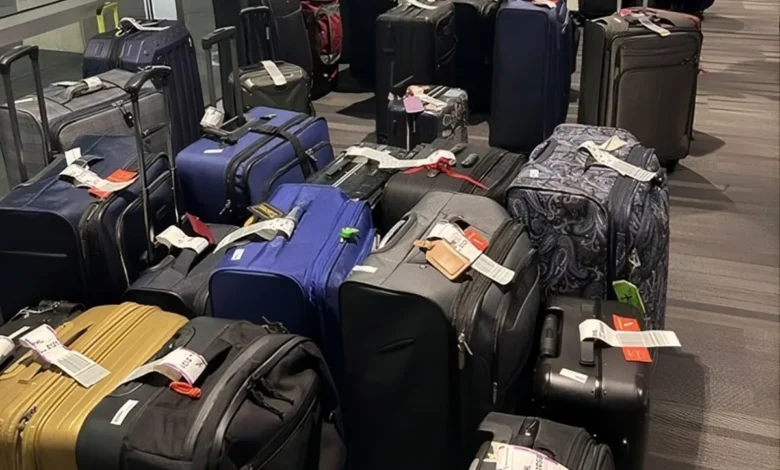
The disconnect between the aviation industry’s public messaging and the lived reality of the modern traveler has reached a boiling point, surfacing in a high-profile debate over whether air travel is a success story or a system in need of structural overhaul. Chris Sununu, the former governor of New Hampshire and current CEO of the trade association Airlines for America (A4A), recently claimed on the Airlines Confidential podcast that 98% to 99% of airline passengers are “very happy” with their experience. However, internal research commissioned by his own organization paints a significantly more complex, and less optimistic, picture of the passenger experience.
According to the latest annual air-traveler survey conducted by Ipsos for A4A, the reality is that only 72% of passengers report being satisfied with their air travel experience. While this marks a modest increase from the 69% reported in the previous year, it leaves a stubborn 28% of the flying public expressing dissatisfaction. Perhaps most notably, the subset of passengers who identify as "very satisfied" sits at just 31%. This statistical gulf between the industry’s top-line rhetoric and its own empirical data has fueled growing calls from policymakers, including Senator Elizabeth Warren, to re-examine the regulatory framework governing the U.S. aviation sector.
A Chronology of Declining Trust and Rising Scrutiny
The tension between the industry and its customers did not emerge in a vacuum. Over the past decade, the U.S. airline industry has shifted toward a model characterized by extreme segmentation. The "unbundling" of services—where basic airfare covers only the seat, while carry-on bags, seat assignments, and priority boarding are sold as add-ons—has transformed the travel experience for the average consumer.
In the mid-2010s, this model was widely defended by airlines as a way to lower base fares and provide choice. By 2020, however, the pandemic-induced collapse of travel and the subsequent federal bailout of the industry shifted the political narrative. As flight cancellations surged during the post-pandemic recovery and labor shortages plagued airport operations, public frustration reached record highs.

By 2023 and 2024, the conversation shifted from operational recovery to consumer rights. The Department of Transportation (DOT), under Secretary Pete Buttigieg, began issuing aggressive new rules regarding passenger refunds and transparency. As the political landscape shifted following recent elections, the prospect of more stringent economic regulation—a return to a system where the government dictates routes and pricing—moved from the fringes of policy discourse to the center of legislative debates.
Decoding the Data: Satisfaction vs. Necessity
The fundamental problem for the airline industry, as evidenced by the Ipsos survey, is the confusion between a passenger’s safe arrival and their actual satisfaction. Air travel today is objectively safer and more affordable in real-dollar terms than it was forty years ago. However, the passenger experience is increasingly defined by variables outside the immediate control of the flyer: terminal congestion, unpredictable security wait times, outdated air traffic control technology, and the commoditization of the cabin experience.
When a passenger reaches their destination after a series of flight changes, involuntary rebookings, or long waits at baggage claim, they have reached the "baseline" of service. Yet, industry surveys often aggregate this as "satisfaction." A passenger who arrives on time but is exhausted by a grueling, cramped, and frustrating process may technically be "satisfied" that they arrived, but they are not "happy."
The data indicates that the "happiness" threshold is tied to three specific factors: punctuality, personal space (such as the availability of an empty middle seat), and the attitude of frontline staff. When these variables are compromised, loyalty wanes. Airlines currently prioritize credit card sign-ups and loyalty program engagement, but these initiatives rely on a foundation of customer goodwill that is currently being eroded by the daily frictions of commercial aviation.
The Legislative Threat: Regulation vs. Competition
The argument for re-regulation, championed by figures like Senator Elizabeth Warren, is rooted in the belief that the current airline oligopoly has failed the public interest. Proponents of this view argue that the lack of competition has led to stagnant service levels and a "sclerotic" industry that is more interested in stock buybacks than in innovation or passenger comfort.
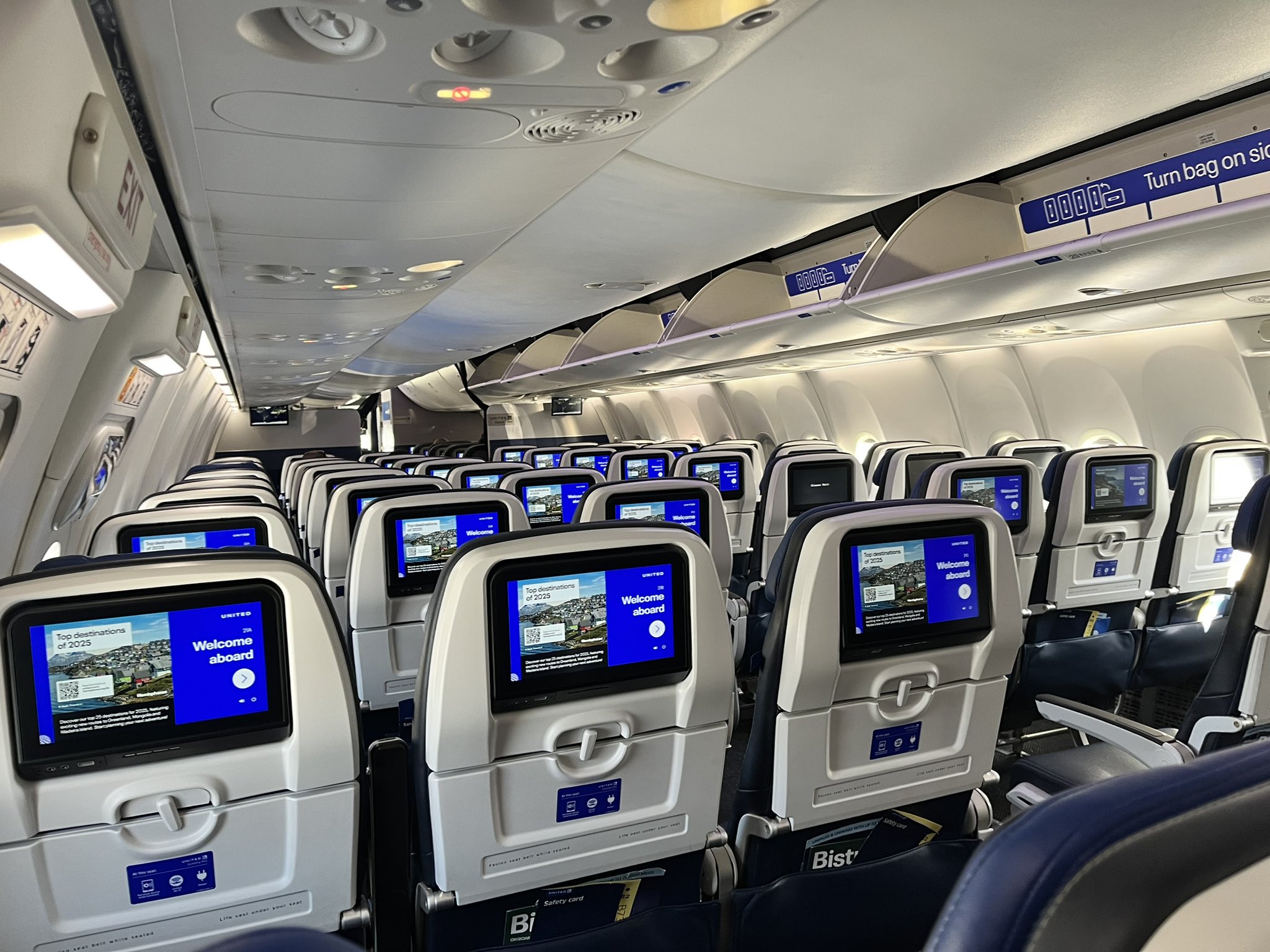
Chris Sununu and the A4A leadership argue that a return to government-mandated price controls would be a catastrophic mistake. From an economic perspective, the history of regulated air travel in the United States—which ended with the Airline Deregulation Act of 1978—is cited as a period of high costs and limited access for the middle class. Sununu’s position is that the industry must tell its success story more effectively, focusing on the sheer volume of people moved safely and the accessibility of travel for the masses.
However, many industry analysts suggest that the "success story" is no longer compelling to a public that feels trapped in a take-it-or-leave-it market. By dismissing valid consumer complaints with inflated "99% satisfaction" claims, the industry risks alienating the very policymakers who currently hold the power to impose new, potentially restrictive regulations.
Implications for the Future of Aviation
The path forward for the industry requires a move beyond defensive posturing. To effectively push back against the threat of increased regulation, the airline sector would need to address the structural issues that contribute to that 28% dissatisfaction rate.
- Infrastructure Investment: Much of the passenger frustration stems from delays that are the result of antiquated Air Traffic Control (ATC) systems and aging airport terminals. While airlines do not directly own airports, they are the primary users and influencers. A more proactive stance on infrastructure modernization would do more for their public image than any PR campaign.
- Operational Transparency: The "unbundling" model has reached a point of diminishing returns. When customers feel "nickel-and-dimed" at every step of the journey, they are primed to support legislation that limits airline pricing power.
- Genuine Competition: The industry is currently dominated by four major carriers. Barriers to entry for low-cost carriers and regional airlines remain high, often due to slot availability and infrastructure bottlenecks at major hubs. Encouraging a more competitive landscape might actually serve as the best defense against heavy-handed government intervention.
Conclusion
The conflict between the airline lobby and the public perception of air travel is not just a debate over statistics; it is a fundamental disagreement about what the industry owes its passengers. If the aviation sector continues to rely on the argument that "safety and arrival" equal "customer happiness," it will likely find itself losing the war for public opinion.
Airlines for America faces a critical juncture. By acknowledging the legitimate frustrations of the 28% who are currently dissatisfied—and by demonstrating a tangible plan to address those pain points—the industry could shift the narrative toward innovation and service. Conversely, by continuing to insist on near-universal satisfaction in the face of contrary evidence, the industry invites the very regulatory scrutiny it is so desperate to avoid. As the legislative session progresses, the ability of the industry to balance profitability with the modern consumer’s expectations will be the defining story of the year for U.S. aviation.
Related posts: