The Absurdist Reality of Credit Card Points Optimization and the Pursuit of Elite Travel Rewards


The world of credit card rewards and loyalty program optimization has long operated in a space where fiscal responsibility meets performance art. Recently, comedian Britt Migs captured this phenomenon in a viral social media video, mocking the increasingly convoluted "hacks" required to secure substantial point bonuses. In her satirical tutorial, Migs instructs followers to perform a series of bizarre tasks—including the bulk purchase of 100 bags of dog food, inputting cryptic audio signals into banking apps, and engaging in eccentric yard-based rituals—to earn 100,000 credit card points. While the video is intended for comedic effect, it resonates deeply within the travel hacking community, where the line between strategic financial management and irrational obsession has historically been thin.
The Evolution of Manufactured Spending
The pursuit of points has a storied history, often involving "manufactured spending"—the process of purchasing cash equivalents or high-volume goods to meet credit card spending requirements without incurring genuine loss of wealth. For decades, enthusiasts have pushed the boundaries of bank policies to accumulate miles that translate into premium travel experiences.

The chronology of these schemes reveals a steady escalation in complexity. In the early 2000s, promotions were relatively straightforward, often involving magazine subscriptions or credit card sign-up bonuses. By 2011, the landscape had shifted toward multi-layered promotional structures. A notable example was the US Airways "Grand Slam" promotion, which rewarded users for completing transactions with dozens of different partner merchants. Participants frequently engaged in "pantry stuffing," buying low-cost items like Biscoff cookies or unnecessary subscriptions to hit the 36-transaction threshold required for a 100,000-mile windfall.
This behavior reached a legendary peak with the case of David Phillips, famously known as the "Pudding Guy." In 1999, Phillips exploited a Healthy Choice promotion that offered frequent flyer miles for every UPC code submitted from their products. By purchasing over 12,000 cups of pudding at a heavily discounted rate, he secured over 1.2 million miles, effectively buying first-class international travel for a fraction of the market rate.
Analytical Framework of Reward Optimization
To the outside observer, the logic of spending hours to save on a flight seems counterintuitive. However, the internal logic of the "points obsessive" is driven by a desire to extract maximum value from existing financial systems. This subculture views credit cards not as debt vehicles, but as tools for capital accumulation.
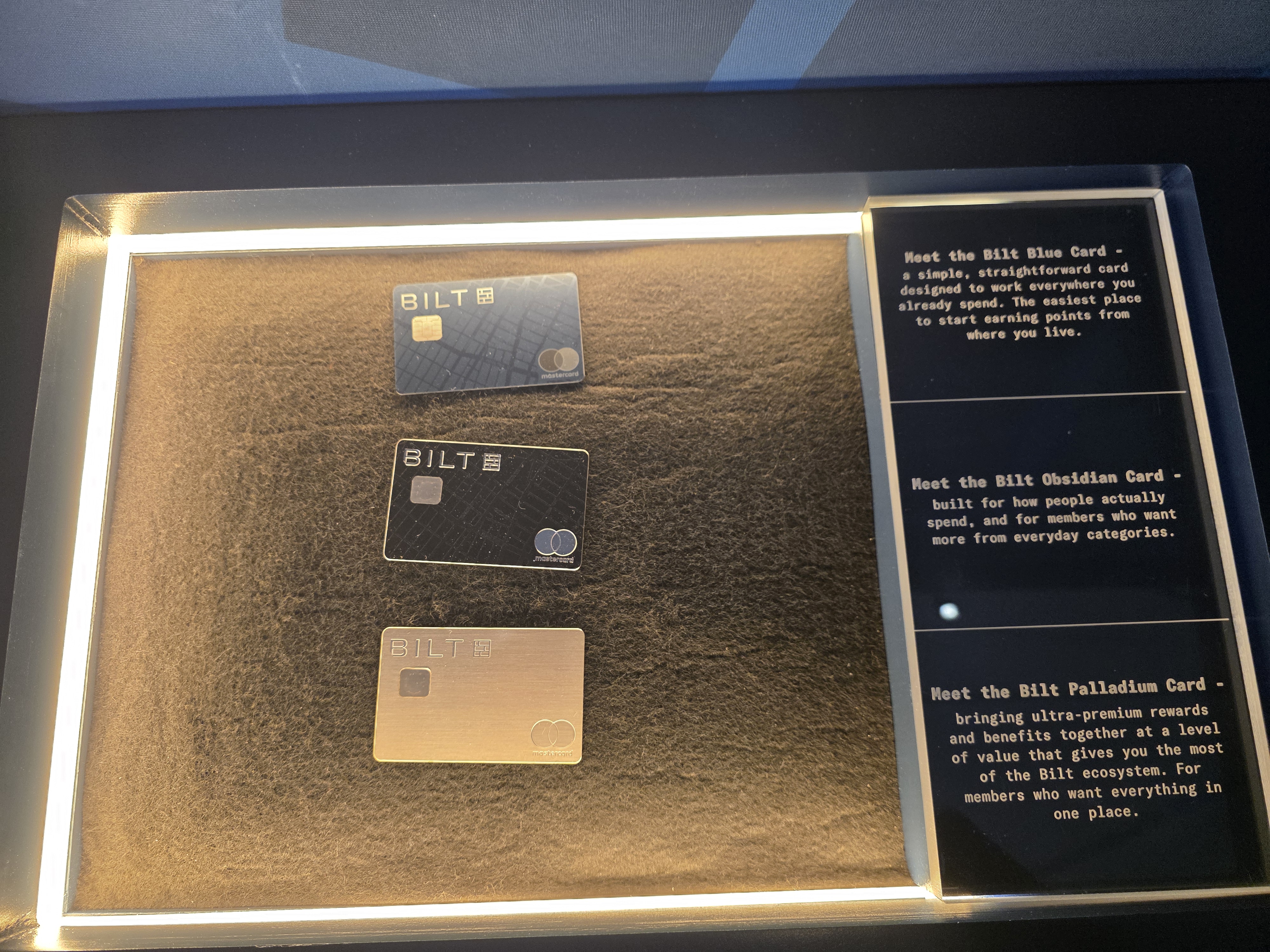
The mechanics often involve complex strategies, such as the Bilt Rewards authorized-user strategy, which allows couples to double their transfer bonus caps and triple spending points by rotating primary and secondary cardholders. This requires meticulous record-keeping, often spanning multiple spreadsheets, to ensure that no point is left on the table. For practitioners, the thrill is not merely the destination—a lie-flat business class seat—but the process of successfully navigating and exploiting the rules set by financial institutions.
Data and Economic Implications
The financial viability of these strategies is frequently debated. Critics argue that "points hunters" often overlook the opportunity cost of their time. If one were to calculate the hourly wage equivalent of the time spent researching, executing, and tracking these transactions, many of these "deals" would be rendered unprofitable. Furthermore, the practice carries significant risks, including:
- Opportunity Cost: Funds tied up in manufactured spending could otherwise be invested in liquid assets or used to pay down high-interest debt.
- Bank Policy Risk: Financial institutions frequently update their terms of service to clamp down on behavior deemed "abusive" or "gaming the system." Accounts can be frozen or terminated without notice if a user’s activity patterns flag internal risk detection algorithms.
- The "Retail Value" Fallacy: A common pitfall is valuing a reward at its full retail price (e.g., a $12,000 business class ticket). If the traveler would never have paid that amount out-of-pocket, the "savings" are technically imaginary. The true cost includes annual fees, the purchase of unnecessary goods, and the time spent on the hobby.
The Human Element: "Player Two" and Modernity
The community has developed its own lexicon to describe these activities. A spouse or partner who participates in the strategy is often referred to as "Player Two," a term borrowed from video gaming that highlights the collaborative nature of maximizing sign-up bonuses. This terminology, while practical, underscores the transformation of personal relationships into logistical components of a broader financial strategy.
The social commentary provided by commenters on Migs’ video highlights a deeper irony: individuals who possess the technical aptitude to navigate complex banking algorithms often find themselves disconnected from traditional, ancestral skills. The sentiment that it is more important to master credit card schemes than to identify edible plants reflects the peculiar nature of the modern digital economy.
Industry Response and Market Changes
Banks and airlines have historically responded to these trends with a cat-and-mouse game. When a loophole becomes widely publicized, financial institutions typically adjust their reward structures, introduce caps on earnings, or remove the specific partner involved. The disappearance of services like Bluebird and the rebranding of various digital payment platforms are direct results of banks attempting to mitigate the losses associated with high-volume, low-margin transactions.
Despite these countermeasures, the allure of the "free" premium experience remains a powerful motivator. The industry continues to evolve, with new platforms—such as the hypothetical "SwizzyPay" referenced by Migs—constantly emerging. These platforms often start with loose regulations to capture market share, only to tighten their terms once they reach a critical mass of users.

Conclusion: The Value of the Hunt
Ultimately, the points hobbyist is motivated by the same psychological impulses as any collector or strategist. There is an inherent satisfaction in solving a complex puzzle that results in a tangible, high-value reward. Whether it is dumpster diving for soda cups to earn regional flights or meticulously managing a portfolio of credit cards to book a journey on the Concorde, the behavior remains consistent: it is an attempt to exert agency over an opaque financial system.
While comedians like Britt Migs are right to point out the absurdity of the process, the community they are satirizing remains undeterred. For them, the 100 bags of dog food are not a burden; they are simply the cost of admission to a world where, through enough effort and a bit of "pointy" yelling, the impossible becomes reachable. Before the next wave of rewards seekers follows the latest viral trend, however, they would do well to heed the lesson of every seasoned veteran: always check the award chart before buying the dog food.