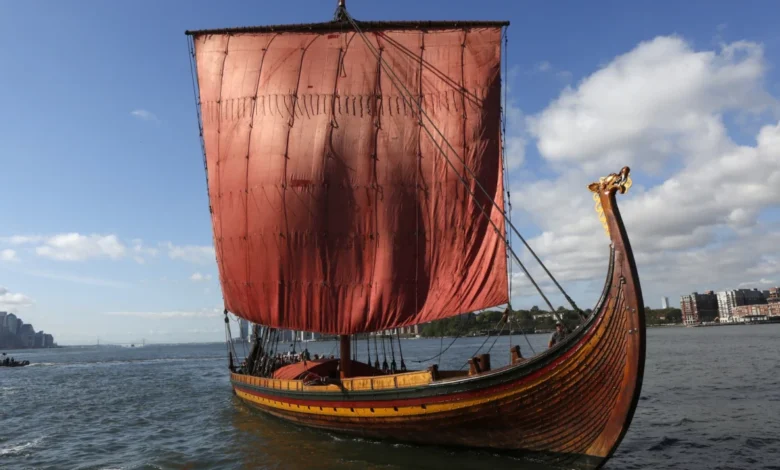
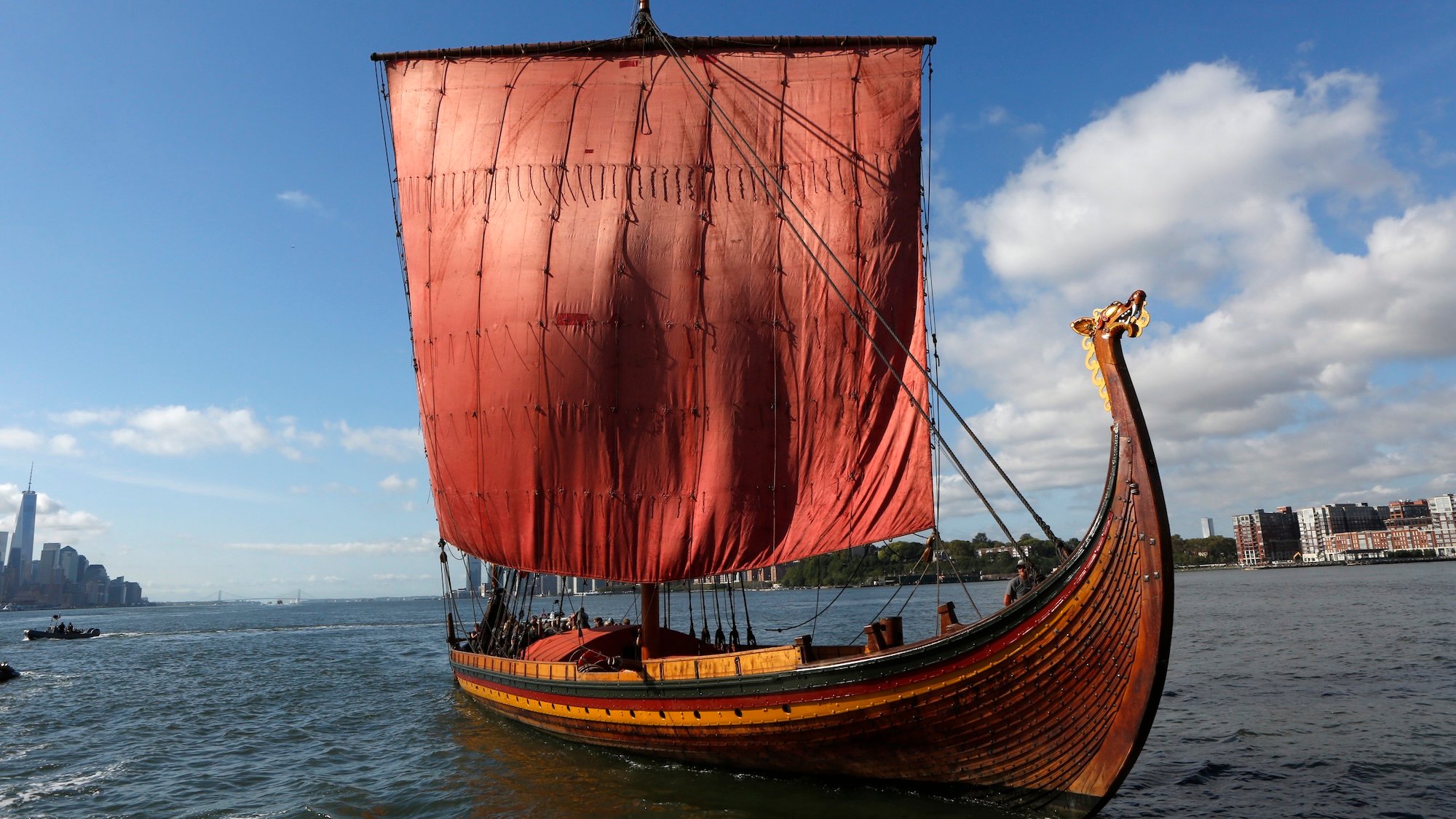
The magnificent and imposing Draken Harald Hårfagre—a 114-foot, 50-oar wooden marvel that recently endured the demanding physical rigors of filming Christopher Nolan’s upcoming cinematic epic The Odyssey—is preparing for an intensive, scheduled maintenance overhaul in the spring of 2027. Project organizers and custodians of the vessel have officially opened an international call for volunteers, inviting maritime enthusiasts, history buffs, and skilled craftspeople to travel to Norway and contribute four weeks of hands-on labor to preserve the historic ship.
Scheduled to run from April 10 through May 15, 2027, the maintenance period will focus heavily on repairing the vessel’s traditional clinker-built wooden hull, removing stubborn marine buildup, re-tarring exposed surfaces, applying fresh coats of specialized paint, and executing a wide array of structural touch-ups. While the ship’s permanent crew and professional deckhands will spearhead the complex operations, the organization’s leadership emphasizes that public participation remains vital to the vessel’s ongoing survival and global educational mission.
A Cinematic Star with Ancient Roots
The Draken Harald Hårfagre found itself thrust into modern pop culture history when acclaimed director Christopher Nolan selected the vessel to portray Odysseus’s ancient galley ship in his blockbuster adaptation of The Odyssey. True to Nolan’s renowned directorial style, which heavily favors tangible, practical production design over reliance on computer-generated imagery (CGI), the production utilized real, full-scale architectural and mechanical set pieces.
However, deploying a Scandinavian-style dragon ship to represent a Bronze Age Greek fleet highlights a deliberate artistic anachronism. Art historians and classicists note that the Draken is not period-accurate for Homer’s legendary epic, which is traditionally set during the Late Bronze Age (roughly the 12th or 13th century BCE). The physical design of the Draken is inspired directly by archaeological finds and historical skaldic poetry from the Viking Age, which occurred more than two millennia after the fall of Mycenaean Greece.
Despite this historical mismatch, the vessel provides a commanding, authentic presence on screen. Commissioned in 2010 by Norwegian oil and gas visionary Sigurd Aase, the ship was constructed using traditional shipbuilding techniques. It features overlapping oak planks, a single towering 79-foot mast, and dimensions closely mirroring historical accounts of the famous Gokstad ship, an archaeological treasure excavated in Norway dating back to approximately 890 CE. Measuring 114 feet in length and 26 feet in width, the Draken is the largest Viking-style ship built in modern times.
Chronology of a Modern Maritime Legend
The journey of the Draken Harald Hårfagre spans more than a decade of ambitious sea voyages, engineering feats, and international cultural exhibitions:
- 2010: Norwegian entrepreneur Sigurd Aase commissions the construction of the vessel, driven by a desire to test the seaworthiness of traditional Viking ship designs on an oceanic scale.
- 2012: The Draken successfully completes its maiden voyage in Norwegian waters, proving the structural integrity of its massive oak hull and traditional rigging systems.
- 2016: A crew of 100 dedicated rowers and sailors undertakes a perilous transatlantic expedition, successfully navigating the ship from Haugesund, Norway, across the North Atlantic via Iceland and Greenland, ultimately making landfall in Newfoundland, Canada. This voyage replicated the legendary transoceanic routes historically attributed to Norse explorers.
- 2017–2025: The ship embarks on extensive international exhibition tours, visiting dozens of ports across North America and Europe to educate the public on Norse maritime heritage, traditional craftsmanship, and ancient navigation.
- 2025–2026: The vessel participates in principal photography for Christopher Nolan’s The Odyssey, weathering intense cinematic production schedules that subject the wooden hull to heavy environmental and operational stress.
- April 10 – May 15, 2027: The vessel enters its upcoming scheduled dry-dock maintenance phase in Norway, utilizing an international volunteer workforce to execute essential preservation work.
Preserving a Living Artifact
Maintaining a wooden ship of this scale requires specialized knowledge and relentless physical labor. Unlike modern steel or fiberglass vessels, traditional wooden ships are living structures that constantly interact with marine ecosystems. Saltwater, wood-boring organisms, sun exposure, and the mechanical strain of wind-filled sails constantly degrade the integrity of the hull.
According to the official project guidelines, volunteers participating in the 2027 maintenance window will be divided into five weekly shifts, though applicants capable of committing to the full four-week duration are strongly encouraged to apply. While meals and local accommodations are provided by the organization, applicants must independently arrange and fund their travel to Norway. Preference during the selection process will be given to individuals who possess demonstrable experience in woodworking, historical boat restoration, or general marine maintenance.
Project representatives emphasize that the initiative serves a dual purpose: it guarantees the physical preservation of the multi-million-dollar vessel while fostering a global community dedicated to maritime heritage preservation. "A project like Draken depends not only on a professional crew and sailing deckhands, but also on dedicated volunteers who help support the life of the ship," organizers stated via the project’s official channels. "Volunteering offers a hands-on way to contribute while learning more about the vessel, the work behind it, and the wider community that keeps the project moving forward."
Broader Implications and Economic Impact
The intersection of high-budget Hollywood filmmaking and traditional maritime preservation highlights a growing trend in the entertainment industry: the symbiotic relationship between blockbuster productions and historical preservation societies. For historical ships like the Draken, high-profile cinematic appearances provide crucial global visibility, attracting new audiences who might otherwise never engage with maritime history.
At the same time, the revenue generated from commercial rentals helps subsidize the exorbitant operational and maintenance costs required to keep authentic wooden vessels seaworthy. Operating a 114-foot traditional ship demands continuous financial investment, highly specialized insurance, and a full-time professional crew. By participating in commercial ventures like Nolan’s adaptation of The Odyssey, the Draken secures the financial runway necessary to continue its educational mission, public port visits, and historical outreach programs.
As the maritime community looks ahead to the spring 2027 maintenance window, the call for volunteers represents a global invitation to touch a piece of living history. Once the oak planks are re-secured, the exterior re-tarred, and the rigging inspected, the Draken Harald Hårfagre will return to the water—ready either to embark on its next educational voyage across the waves or to answer the call of Hollywood once more. Interested applicants over the age of 18 can submit their profiles through the official Draken website.