Paramount Pictures sets ambitious theatrical calendar with G.I. Joe reboot and Paranormal Activity shift

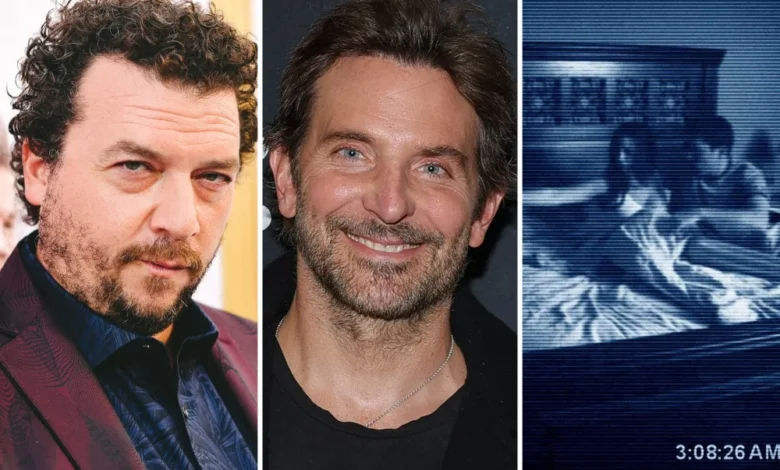
Paramount Pictures, now operating under the expansive umbrella of the Skydance-led consolidation involving Warner Bros., has officially codified its long-term release strategy with a series of high-profile scheduling updates. The studio confirmed on Friday that the highly anticipated reboot of the G.I. Joe franchise, directed by Danny McBride and starring Bradley Cooper, is slated for a wide theatrical release on October 20, 2028. Simultaneously, the studio announced a strategic pivot for the next installment in the Paranormal Activity horror franchise, moving its premiere to the competitive Halloween window of October 22, 2027. These announcements serve as a foundational indicator of the new mega-studio’s intent to leverage established intellectual property (IP) to anchor a robust production output of 30 films annually.
The G.I. Joe Revival: A New Chapter for a Hasbro Titan
The decision to task Danny McBride with reimagining G.I. Joe represents a significant tonal shift for a franchise that has historically struggled to find consistent critical footing. McBride, who penned the screenplay alongside frequent collaborators Jeff Fradley and John Carcieri, brings a distinct creative sensibility to the project. The G.I. Joe intellectual property, which traces its origins to the 1964 Hasbro toy line, has evolved into a multimedia juggernaut, encompassing decades of comic books, animated series, and a previous live-action film trilogy that grossed over $1.5 billion worldwide collectively.
Bradley Cooper’s casting as Duke—the quintessential field leader of the G.I. Joe team—signals the studio’s commitment to securing A-list talent to anchor these legacy properties. While Paramount has maintained a strict embargo on specific plot details, industry analysts suggest that the McBride-led reboot will likely lean into a grounded, character-driven narrative, moving away from the high-concept, spectacle-heavy approach of the previous live-action iterations. Production duties are being handled by a veteran team, including Lorenzo di Bonaventura, Mark Vahradian, and Zev Foreman, under the banner of Hasbro Entertainment. This leadership team is tasked with revitalizing a brand that has served as a cornerstone of the Hasbro portfolio for 60 years.
Paranormal Activity: Reclaiming the Halloween Corridor
In a move calculated to maximize box office returns, the studio has shifted the next installment of the Paranormal Activity franchise from its original May 2027 date to October 22, 2027. The horror genre has long thrived during the Halloween season, and Paramount is clearly aiming to capitalize on the seasonal appetite for supernatural scares. This film marks the first entry in the series produced under the newly rebranded Blumhouse Atomic banner, following the merger of Jason Blum’s production house with James Wan’s entity.
The Paranormal Activity franchise remains a landmark case study in cinematic economics. The original 2007 film, directed by Oren Peli, was produced on a micro-budget of approximately $15,000 and went on to gross $194 million globally, establishing the "found footage" subgenre as a commercially viable powerhouse. Since its inception, the franchise has expanded to seven installments, accumulating a total global box office haul exceeding $900 million. By placing the upcoming sequel in the Halloween window, the studio is signaling a return to the franchise’s roots, prioritizing atmospheric horror and fan engagement during the peak season for the genre.
The production of this new entry involves a multi-generational team of horror experts. Oren Peli returns to oversee the project for Solana Films, with James Wan and Jason Blum producing for Blumhouse Atomic. The cast, featuring Chase Yi, Sonia Mena, and Maya Da Costa, represents a fresh ensemble designed to re-engage the franchise’s core audience while drawing in a new generation of horror viewers. Michael Clear and Judson Scott are attached as executive producers for Blumhouse Atomic, with Alayna Glasthal managing the day-to-day oversight of the production.
The Skydance Era: Consolidating the IP Landscape
The scheduling announcements are symptomatic of a broader shift in the studio’s corporate strategy under the leadership of David Ellison’s Skydance. Following the massive consolidation of Paramount and Warner Bros., the combined entity is actively streamlining its development pipeline to prioritize "mega-IP." The objective is clear: to ensure that the studio’s 30-film-per-year commitment is populated by projects with built-in brand awareness and significant merchandising potential.
This strategy is not limited to G.I. Joe or Paranormal Activity. The studio is currently aggressively managing its vast library, which now includes the crown jewels of both legacy studios. A notable example of this approach is the announcement of a new Transformers project, with legendary filmmaker Steven Spielberg attached as a producer. By bringing in industry titans to shepherd these properties, the studio aims to mitigate the risks associated with big-budget tentpoles while ensuring high-quality creative output.
Current active development slates reveal the scope of this consolidation:
- Action/Adventure: Development continues on sequels for Top Gun, Teenage Mutant Ninja Turtles, Sonic the Hedgehog, and Star Trek.
- Expansion of Legacy Brands: Warner Bros. is preparing an Ocean’s 11 prequel, which serves as a flagship project for the new collaborative era. The film is directed by Bradley Cooper, who also stars alongside producer Margot Robbie.
- Genre Expansion: The studio is also leaning into successful horror and thriller sequels, such as Gladys, the follow-up to the hit film Weapons.
- The Tolkien Universe: Additional Lord of the Rings films are currently in the development phase, further diversifying the studio’s portfolio of high-fantasy assets.
Market Implications and Future Outlook
The centralization of these massive franchises under the Skydance/Paramount/Warner Bros. umbrella creates a formidable player in the theatrical market. For exhibition chains, the stability of a 30-film annual schedule provides much-needed predictability, ensuring a steady stream of content across all four quarters of the year.
However, the strategy is not without its challenges. The reliance on established IP requires a delicate balance between respecting the source material and innovating to prevent audience fatigue. The choice of Danny McBride for G.I. Joe, for instance, suggests a willingness to experiment with the creative direction of legacy brands, which is a necessary step to keep these properties relevant in a rapidly changing cultural landscape.
Furthermore, the integration of Blumhouse Atomic into the larger corporate structure suggests that the studio is looking to maintain a high-frequency, low-risk pipeline alongside its massive, high-budget blockbusters. This dual-track approach—balancing the massive, tentpole-driven spectacles like G.I. Joe with the leaner, high-margin efficiency of horror projects like Paranormal Activity—reflects a sophisticated understanding of contemporary audience behavior.
As the industry moves toward 2027 and 2028, the success of these projects will be a bellwether for the effectiveness of the current consolidation. The studio’s commitment to a fixed, long-term calendar is a bold signal to investors and exhibitors alike that the age of the "Mega-Studio" is here, with a clear focus on maximizing the equity of their combined back catalogs. By blending the creative freedom of auteur-driven projects with the stability of household-name franchises, the leadership at Skydance is attempting to rewrite the rules of modern Hollywood production. Whether these efforts will translate into the sustained box office dominance they are designed to achieve remains to be seen, but the roadmap is now firmly in place, and the industry’s attention is locked on the upcoming march toward these pivotal release dates.