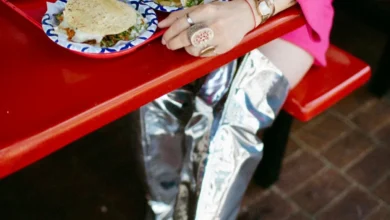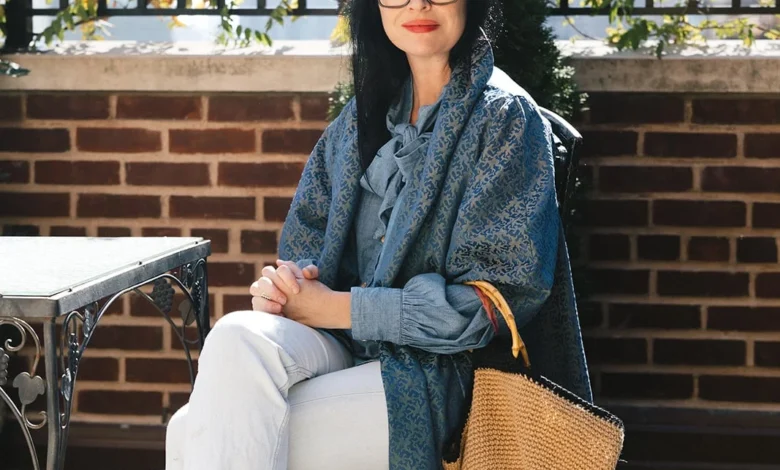
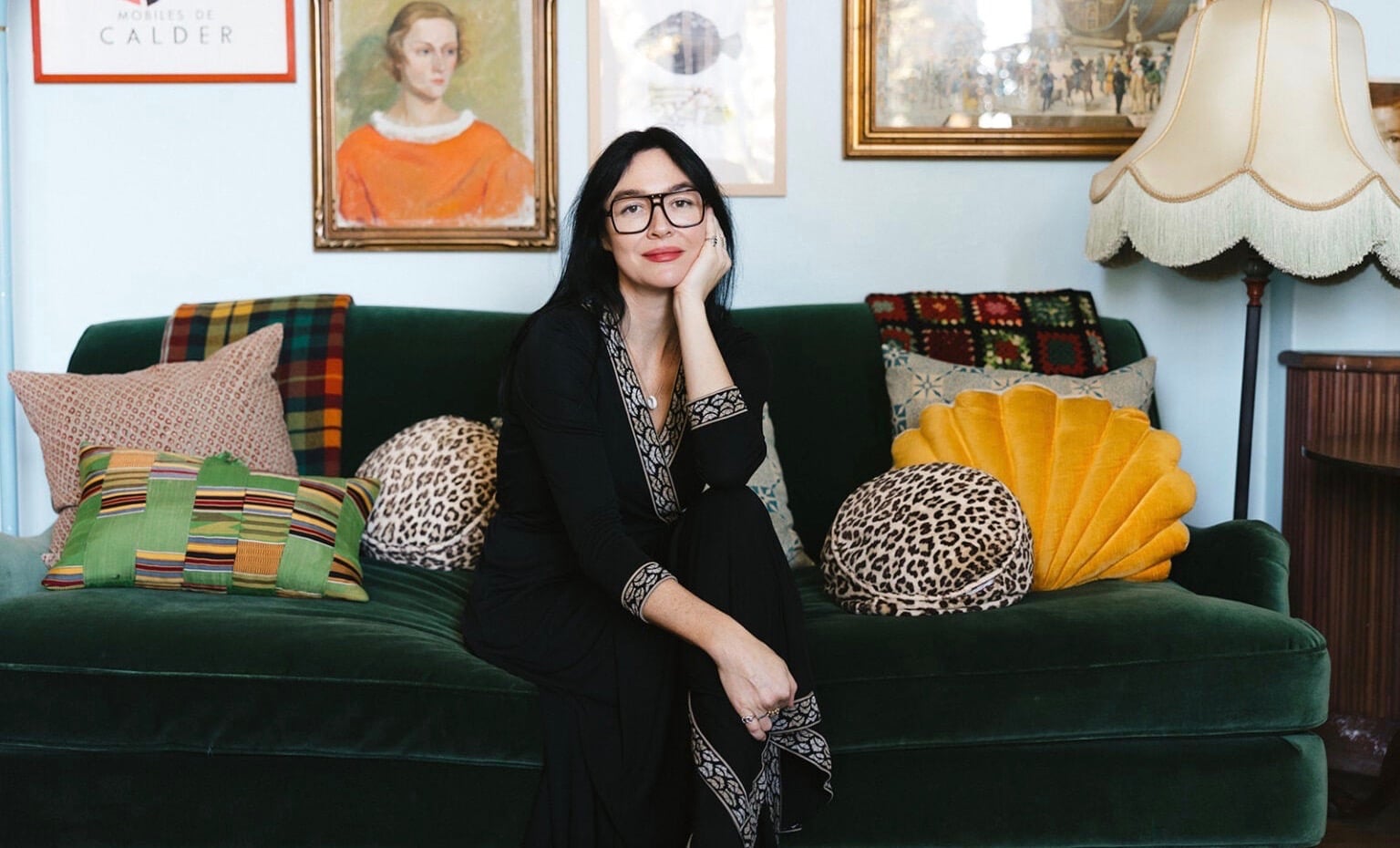
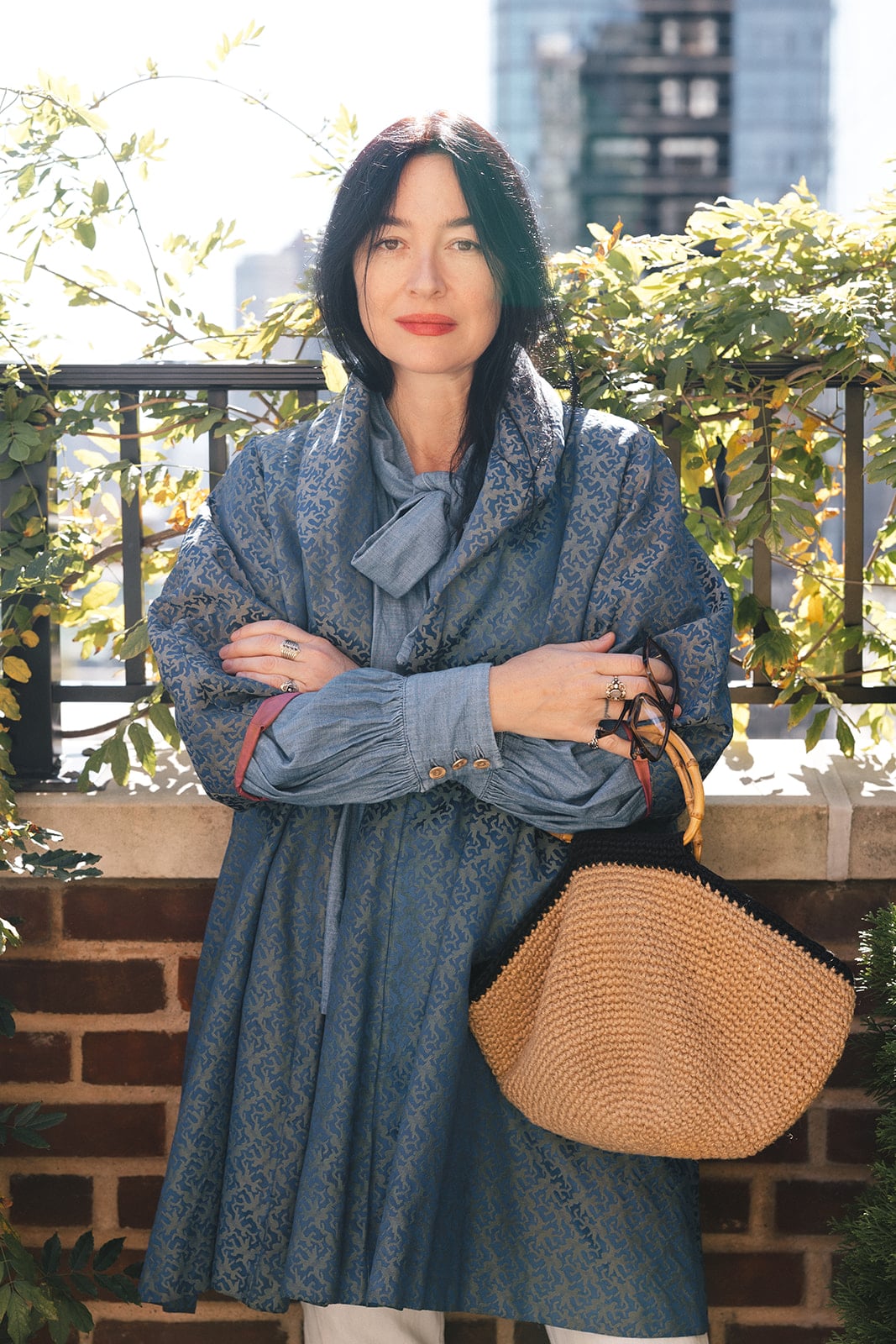
James Beard award-winning food writer Tarajia Morrell, a lifelong resident of Manhattan, offers a unique perspective on the intersection of personal identity, professional life, and the enduring influence of familial heritage. Her approach to style, which she documents through a rotating selection of outfits worn throughout a typical week, serves as a narrative device for exploring her journey as a single mother to her five-year-old daughter, Viva, and her career as a communications director and author. Morrell’s fashion choices are characterized by a commitment to longevity, sustainability, and the preservation of vintage pieces, reflecting a broader cultural shift toward conscious consumption in the fashion industry.
The Evolution of Vintage and Sustainable Fashion
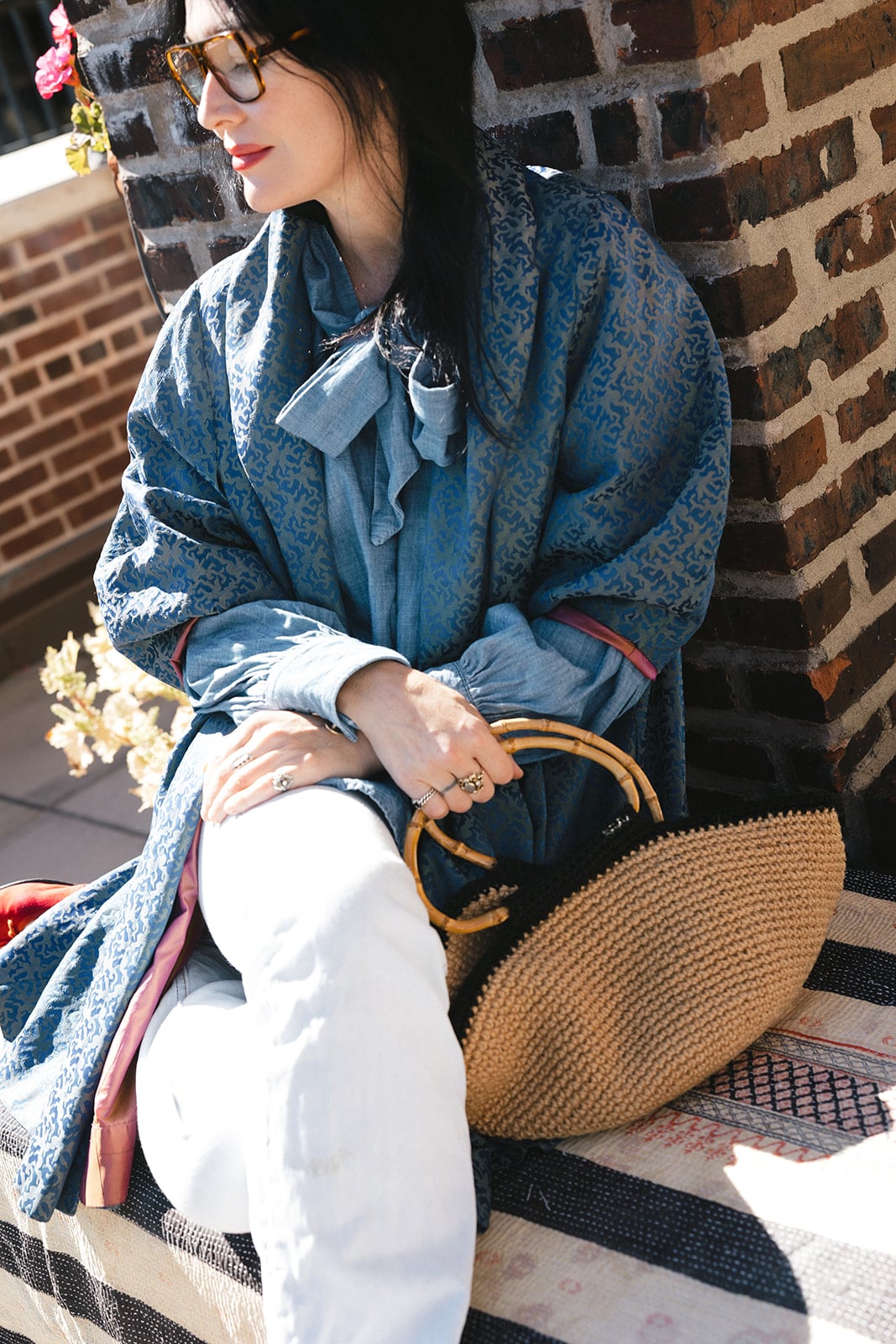
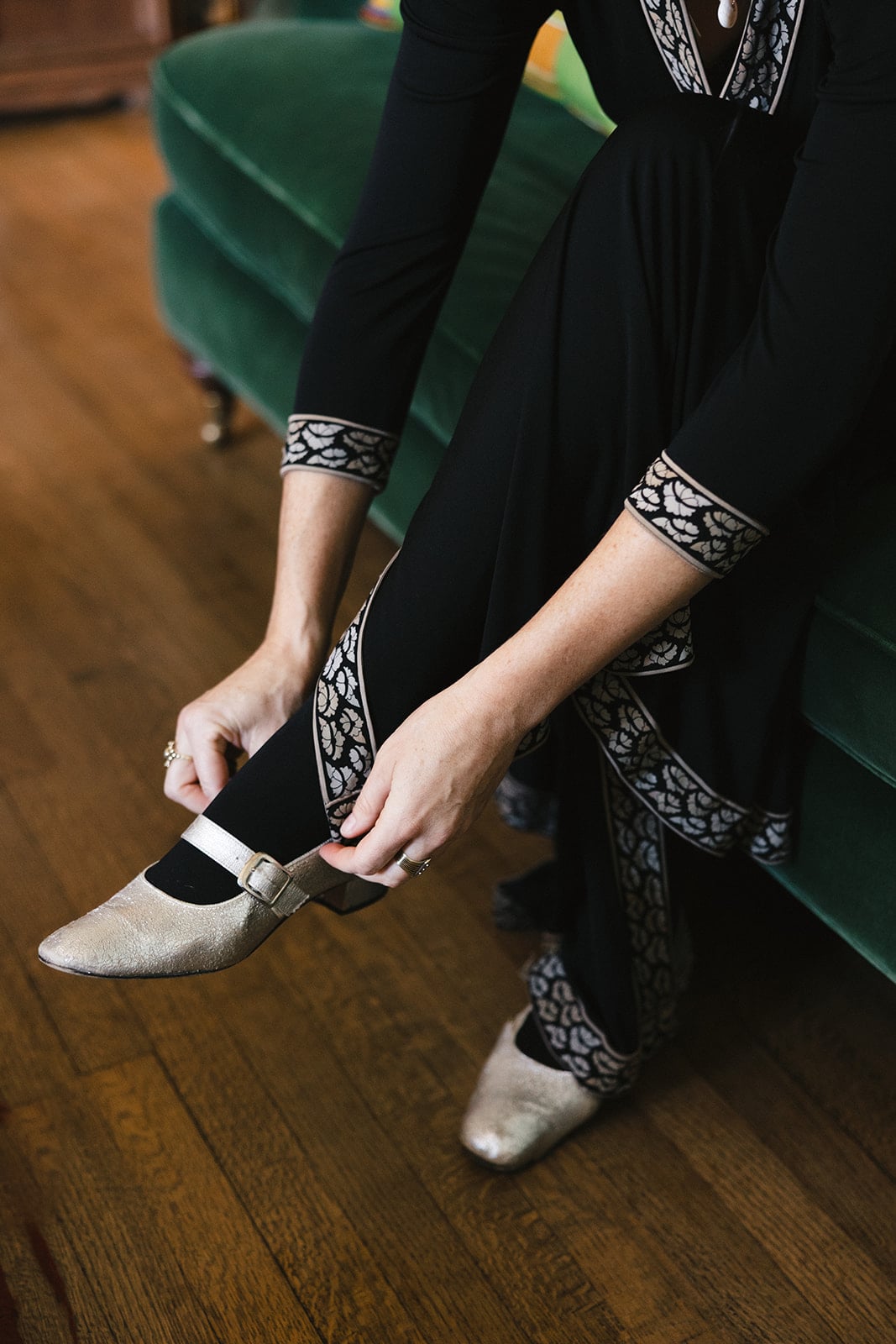
Morrell’s wardrobe is heavily curated, favoring vintage acquisitions that have spanned decades. This practice aligns with current market trends favoring circular fashion. According to the ThredUp Resale Report, the global secondhand apparel market is projected to grow three times faster than the average global apparel retail sector. Morrell’s reliance on pieces such as a 20-year-old silk jacket and vintage denim passed down from her mother exemplifies the growing preference for high-quality, durable garments over fast-fashion alternatives.
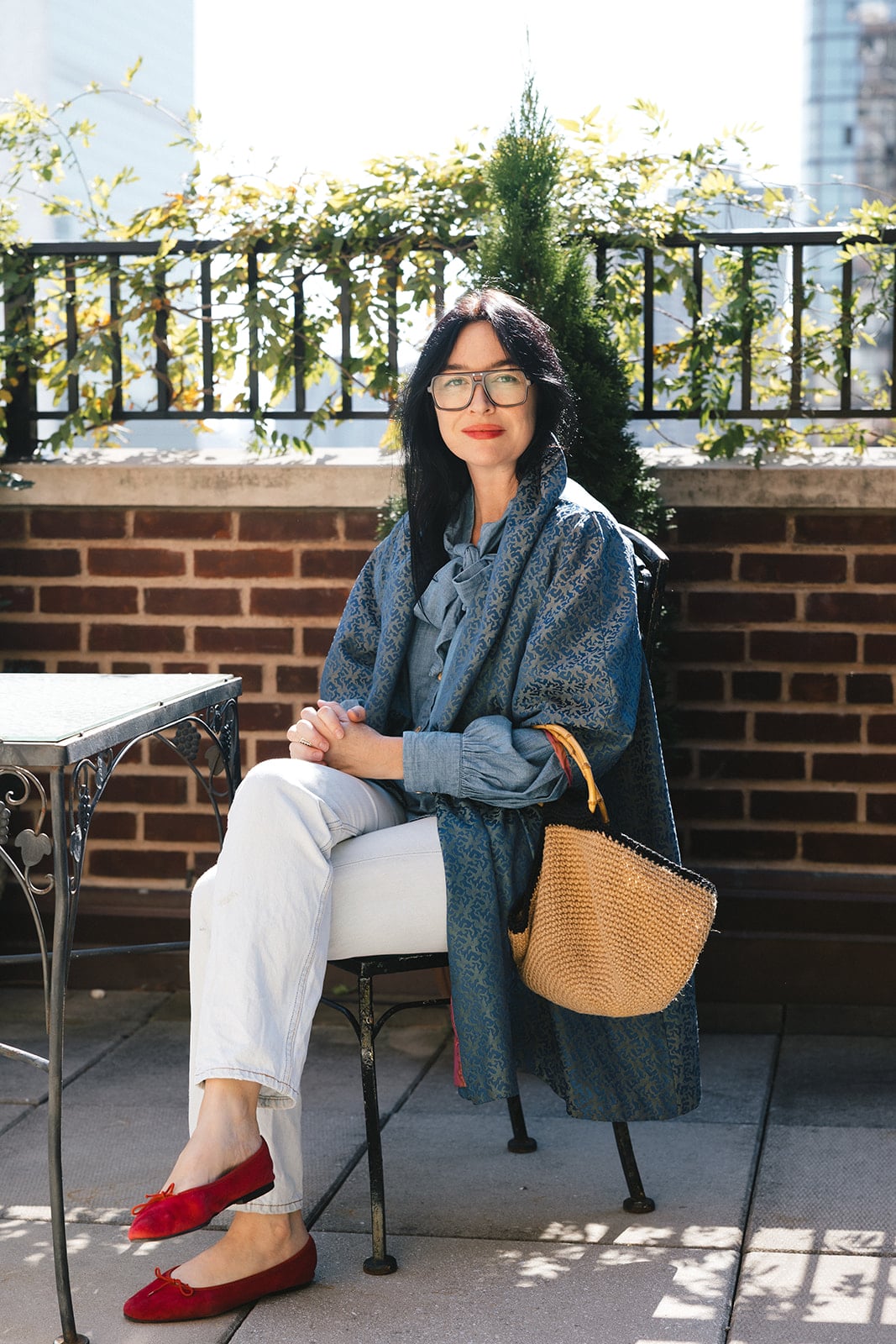
This philosophy is not merely aesthetic; it is a rejection of the "wear-and-discard" cycle that has dominated the retail landscape since the early 2000s. By integrating pieces like a flea-market-sourced silk jacket into both casual and formal settings, Morrell demonstrates a versatility that emphasizes the economic and environmental benefits of maintaining a thoughtful wardrobe. Her method for online vintage shopping—prioritizing precise measurements over standard sizing—is a practical strategy that addresses one of the primary challenges of the resale market: the variance in sizing across different decades.
A Chronology of Personal and Professional Milestones
Morrell’s life has been defined by significant milestones that have shaped both her professional trajectory and her personal evolution. Having established herself as a prominent voice in the food writing community, she recently expanded her portfolio to include the release of her debut memoir. The writing process for this project occurred, by necessity, in the "margins" of a demanding career and the responsibilities of single parenthood.
The timeline of her journey to motherhood is particularly notable. At 37, Morrell initiated the process of freezing her eggs, a medical intervention that, at the time, yielded discouraging results. The subsequent period of grief and the eventual, unexpected realization of pregnancy at age 40 mark a pivotal transition in her life. This experience serves as the emotional anchor for her memoir, which explores the complexities of identity, the legacy of family, and the realities of single parenthood by choice. Her story reflects a growing demographic in urban centers like New York, where women are increasingly navigating the balance between professional ambition and the pursuit of motherhood outside of traditional timelines.
The Role of Community and Support Systems
The logistics of Morrell’s daily life as a single parent in Manhattan are supported by a robust network of friends. This support system, which she identifies as essential to her ability to manage a full-time career, highlights the evolving definition of the modern family unit. In many urban environments, the traditional nuclear family model is being supplemented or replaced by "chosen families" and peer-based support structures. Research from the Pew Research Center indicates that the share of U.S. adults who are single parents has remained significant, and the reliance on informal support networks—such as assistance with childcare and household management—is a critical factor in the stability of these households.
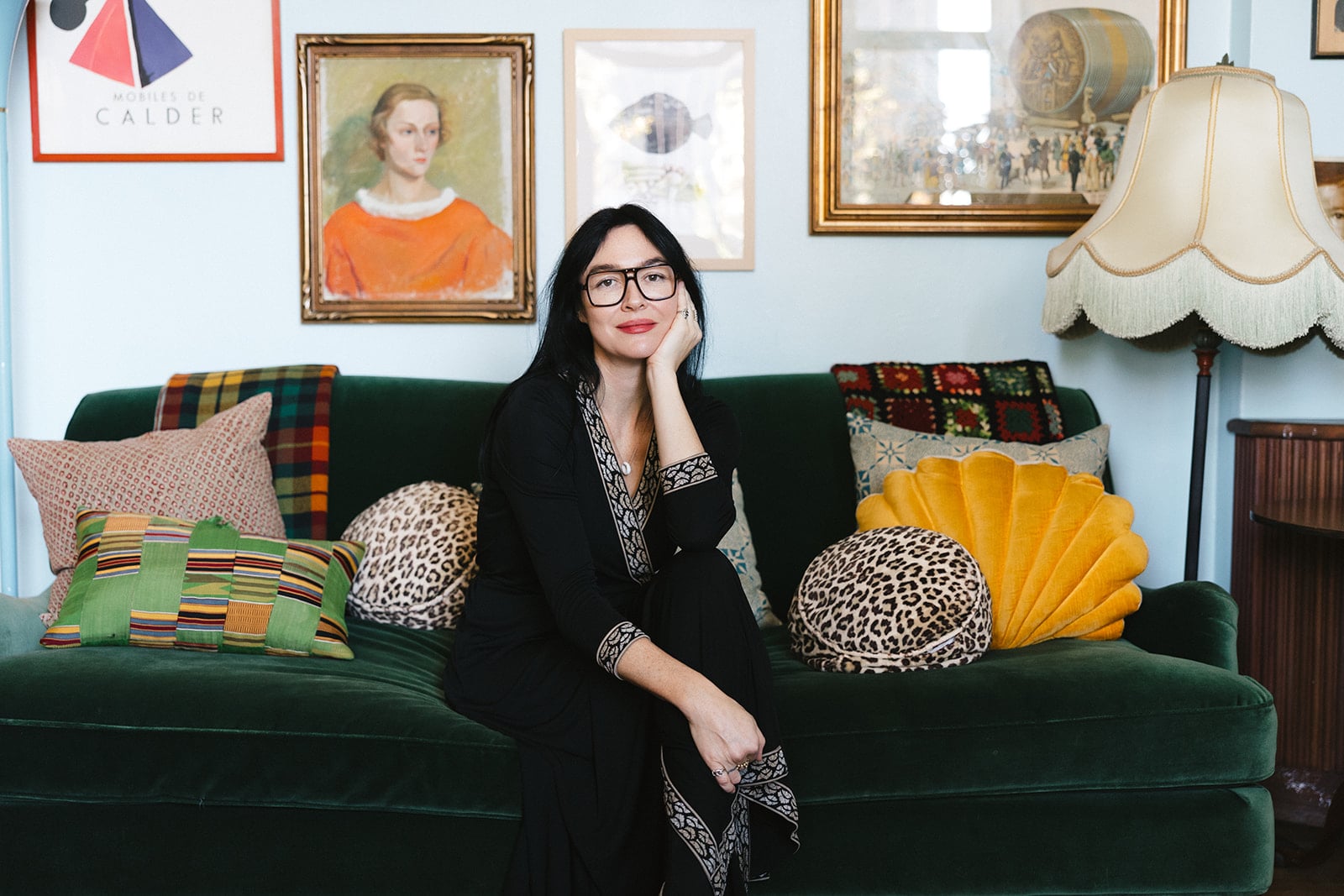
Morrell’s acknowledgment of this community underscores a broader social trend: the necessity of collective care in the face of the rising cost of living and childcare in major metropolitan areas. Her friends’ involvement in her domestic life—often assisting with evening routines—provides a tangible example of how social capital is leveraged to mitigate the challenges of solo parenting.
Reflecting on New York City’s Sartorial Legacy
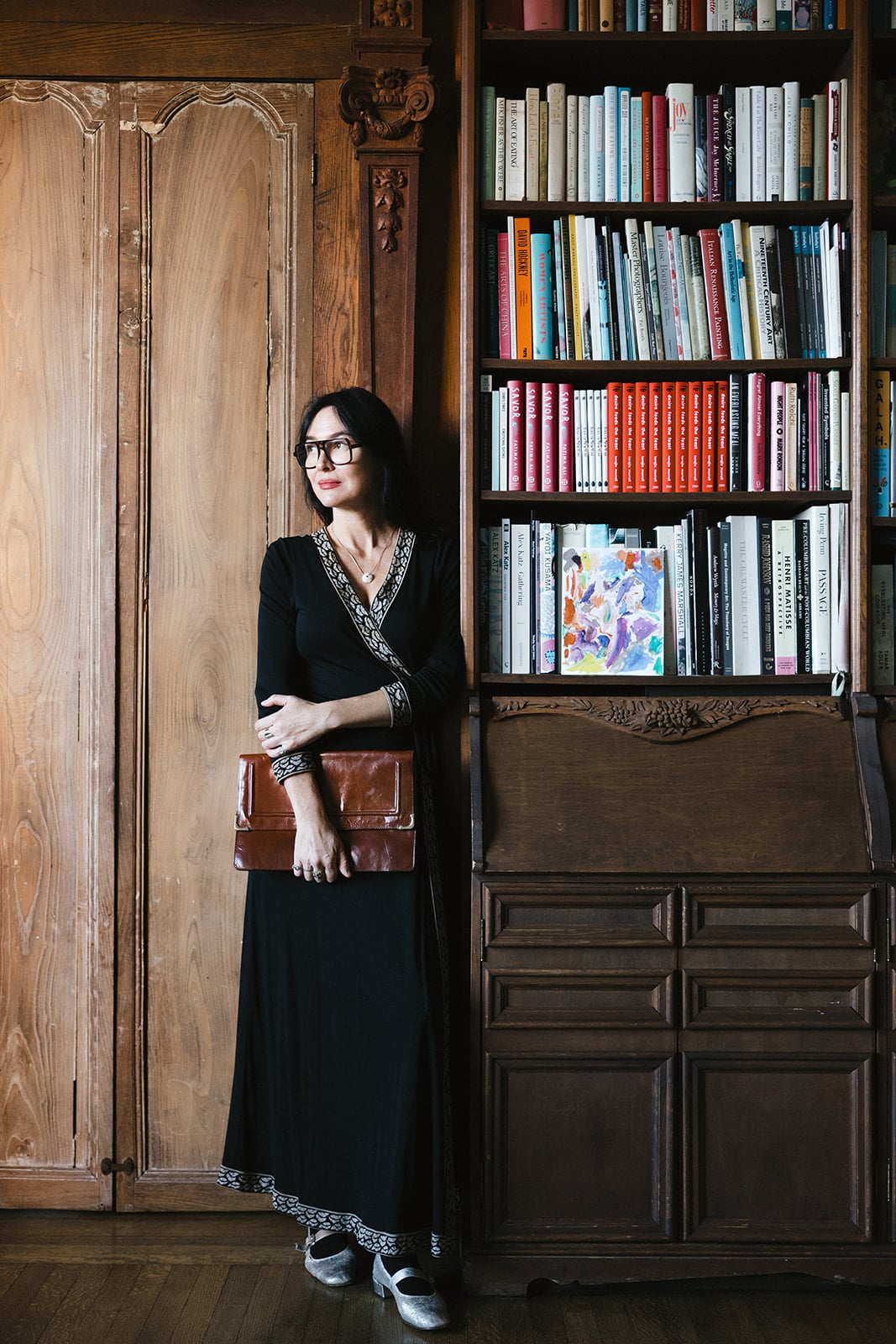
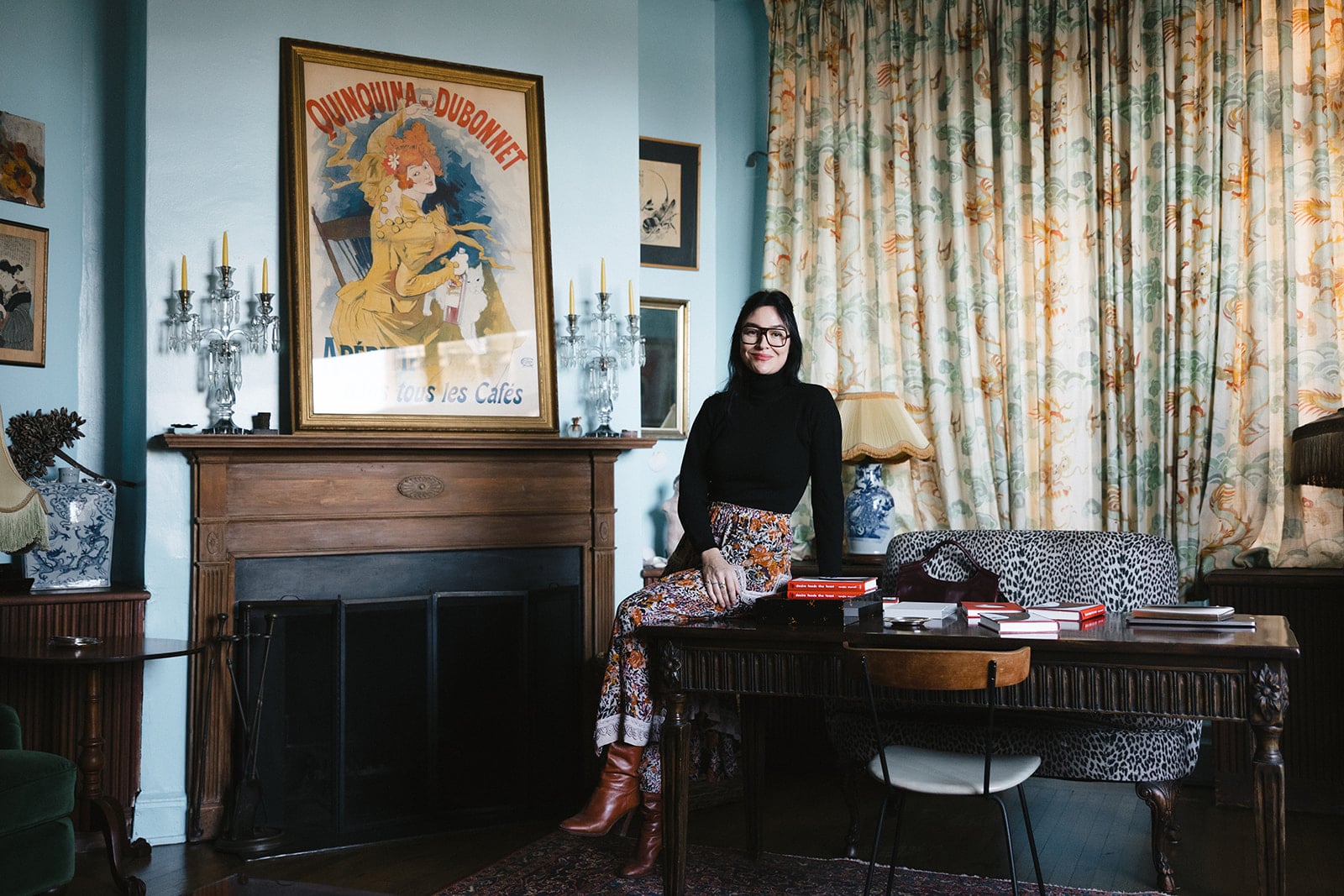
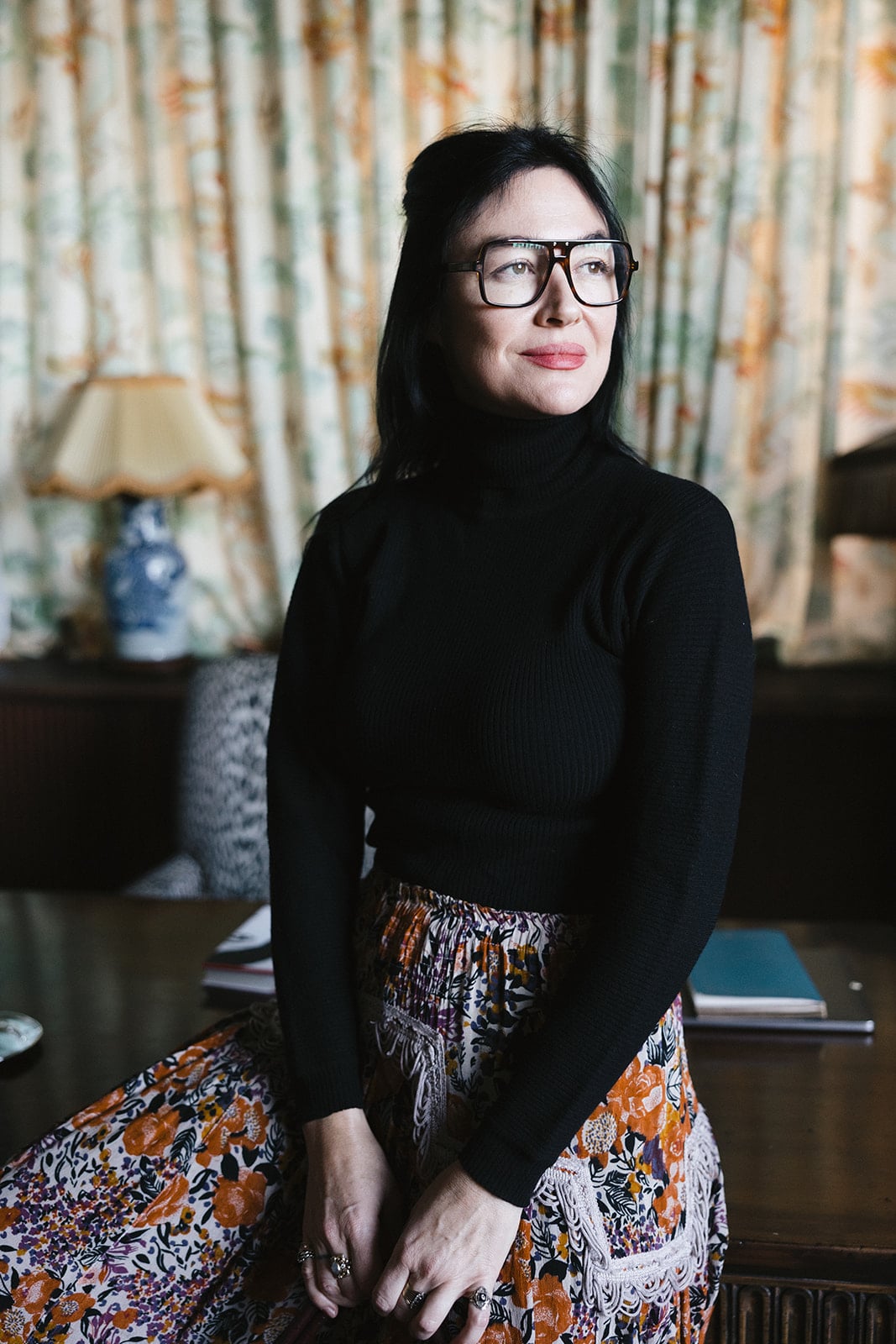
Morrell draws inspiration from the aesthetic culture of New York City, particularly the habits of older women who maintain a sense of formal presentation regardless of the occasion. This observation touches upon the sociological concept of "public performance," where the act of dressing for the city streets serves as a form of civic engagement. Her appreciation for the "dramatic coat" and the habitual use of lipstick—even for routine errands—is described as a signature of a specific, perhaps waning, New York sensibility.
Her style, which she characterizes as having an "Annie Hall" influence through the lens of her mother’s classic American aesthetic, serves as a bridge between generations. By wearing her mother’s clothing, she engages in a form of continuity that connects her current life to the cultural landscape of the 1970s. This intergenerational dialogue through fashion is a common theme among those who view clothing as a repository of memory.
Implications for the Modern Professional
The publication of Morrell’s memoir and her public reflections on style offer a candid look at the "hidden" work performed by professional women. Her narrative challenges the notion that career success and motherhood are mutually exclusive, instead presenting them as interconnected parts of a complex, often grueling, but ultimately rewarding whole.
From an industry perspective, Morrell’s career as a communications director for hotels and a food writer places her in a unique position to observe the changing dynamics of the hospitality and culinary sectors. Her recommendations for New York establishments, such as Saint Denis and Thai Diner, suggest a discerning palate for environments that prioritize atmosphere and authenticity—values she appears to translate into her own life choices.
The intersection of her professional expertise and her personal journey suggests a model of "integrated living," where the boundaries between one’s public persona and private realities are increasingly porous. This trend is becoming more prevalent among contemporary writers and public figures who use their platforms to discuss not just their work, but the lived experience of navigating adulthood, career transitions, and the emotional labor of family life.
Looking Forward
As Morrell continues to navigate her role as an author and a parent, her influence on her daughter, Viva, remains a primary focus. The act of documenting her weekly outfits is not merely a fashion exercise; it is an act of storytelling. For a child, observing a parent’s deliberate engagement with the world—through what they wear, how they work, and who they surround themselves with—forms the foundation of their own developing identity.
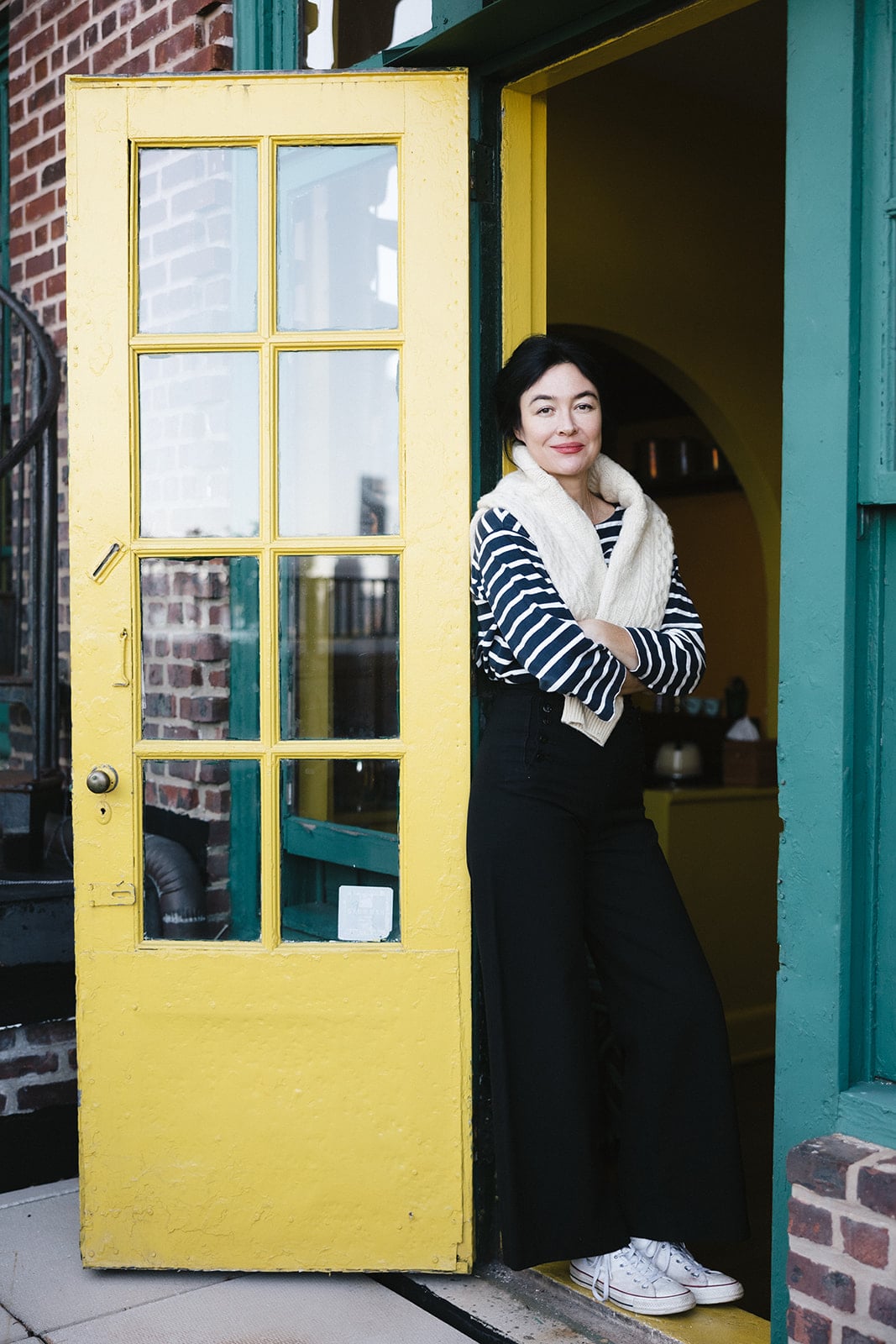
Ultimately, Tarajia Morrell’s story is representative of a larger narrative of resilience. Whether she is discussing the mechanics of 13-button sailor pants, the difficulty of managing a career in the "margins," or the profound joy of a motherhood she once feared might not happen, she provides a clear-eyed account of the modern experience. Her life in Manhattan, defined by a commitment to authenticity and the preservation of the past, offers a blueprint for those seeking to find equilibrium in a rapidly changing world. Through her writing and her outward expression of style, she continues to contribute to the ongoing discourse on what it means to build a meaningful, curated, and supported life in the 21st century.