Blumhouse and Atomic Monster Consolidate Brand Identity Under New Banner Blumhouse Atomic

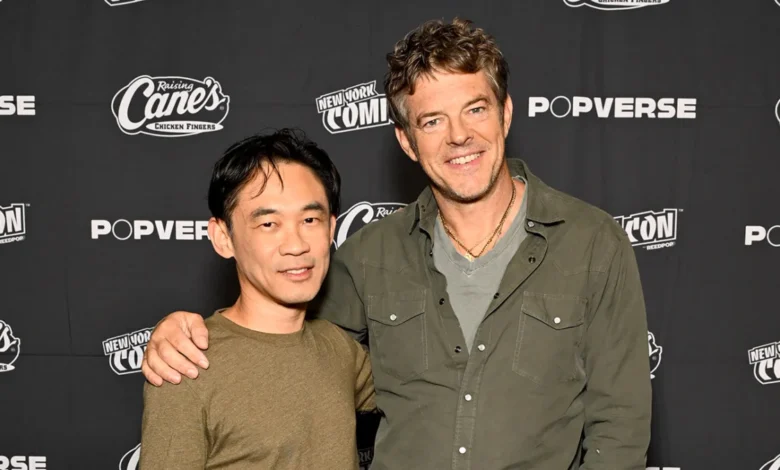
Two years after the landmark merger that joined two of the most formidable forces in the horror industry, Jason Blum’s Blumhouse Productions and James Wan’s Atomic Monster have initiated a strategic rebranding effort. The entity previously known as Blumhouse Atomic Monster is transitioning to a more streamlined moniker: Blumhouse Atomic. This change is not merely cosmetic; it marks the next phase of an integration strategy designed to leverage the distinct creative identities of both production houses while unifying their operational infrastructure to maximize output across film, television, gaming, and immersive experiences.
A Chronology of Collaboration and Consolidation
The journey toward this unified identity began in early 2023, when it was announced that Blumhouse and Atomic Monster would combine operations. At the time, the industry viewed the move as a defensive and offensive masterstroke, allowing two independent powerhouses to share resources, talent pipelines, and distribution leverage.
The partnership was built on a foundation of complementary strengths. Jason Blum, the architect of the modern low-budget horror revolution, had spent decades refining a model of "financial discipline" that turned micro-budgets into box office phenomena like Paranormal Activity, The Purge, and Insidious. James Wan, a visionary director and producer, brought a deep understanding of franchise-building, having originated modern horror juggernauts such as The Conjuring universe, Saw, and Insidious.
For the first twenty-four months, the companies operated under a combined name that signaled their duality. However, as the production pipelines have fully integrated, the leadership team determined that a consolidated brand identity would better reflect their position as a single, cohesive powerhouse. Under the new structure, Blumhouse and Atomic Monster will continue to exist as distinct creative labels—or "imprints"—under the parent banner of Blumhouse Atomic. This allows both teams to maintain their unique developmental DNA while sharing the operational, financial, and logistical muscle of the larger organization.
Financial Performance and Market Dominance
The rebranding arrives at a time of unprecedented financial success for the combined venture. In the two years since the merger, the company’s slate has generated approximately $2.5 billion in global box office receipts. This figure is particularly striking when juxtaposed against their aggregate production budgets, which totaled a lean $330 million. This ratio of return on investment underscores the viability of their model: keeping production costs low to allow for high-risk, high-reward creative bets.
Several key projects have driven this meteoric financial performance:
- Obsession: Following its acquisition by Focus Features, the film became a breakout success, netting $525 million globally.
- The Conjuring: Last Rites: Cementing the endurance of the franchise Wan helped build, this installment pulled in nearly $500 million.
- Backrooms: A viral sensation translated to the big screen, this project contributed $400.6 million to the company’s total coffers.
These figures illustrate that the horror genre remains one of the few reliable pillars of the theatrical experience. By maintaining "studio-level output" while retaining the "creative freedom of an independent company," Blumhouse Atomic has effectively insulated itself from the volatility that has plagued larger, more traditional studio budgets.
Strategic Leadership and Philosophical Alignment
Jason Blum, commenting on the rebranding, emphasized that the decision was driven by the realization that the combined entity has become greater than the sum of its parts. "We have the output of a studio with the creative freedom and financial discipline of an independent company," Blum noted. He highlighted that the goal is no longer confined to the silver screen, as the company is aggressively expanding into television, interactive gaming, and live events.
For James Wan, the evolution of the brand is deeply personal. Having launched his career with a low-budget, high-concept film that defied expectations, Wan views the new structure as a mechanism to replicate that opportunity for the next generation of filmmakers. "The future of horror comes from new voices, and Blumhouse Atomic gives us more ways to find them and support them for the long haul," Wan stated. He specifically cited his desire to cultivate long-term relationships with directors like Kane Parsons, Curry Barker, and Josh Giuliano, emphasizing that the studio’s role is to act as a partner in building careers rather than just a one-off financier.
The New Development Pipeline
The focus on "new voices" is supported by a robust internal strategy. Earlier this year, the company appointed Sam Zimmerman as Senior Vice President of development and acquisitions. Zimmerman’s mandate is to oversee a specialized slate of projects, each with a budget cap of $5 million. This "micro-budget" strategy is designed to minimize risk while maximizing the potential for viral discovery—a method that has already proven successful with the Backrooms and Obsession projects.
Furthermore, the company is doubling down on its commitment to established intellectual property. By securing new versions of legacy franchises such as Paranormal Activity, The Blair Witch Project, and Saw, the studio is balancing its portfolio. The goal is to alternate between high-concept original content and revitalized, recognizable brands, ensuring a steady stream of product for both theatrical exhibitors and streaming partners.
The upcoming slate is extensive and diverse, featuring:
- River
- The Revenge of La Llorona
- The Exorcist: Martyrs
- Anything But Ghosts
- Molepeople
- Sleepover
- Seasons
Implications for the Industry
The formation of Blumhouse Atomic represents a significant shift in how independent horror is produced and marketed. By centralizing operations, the studio has created an "arms race" dynamic among other distributors. Studios are now scrambling to identify and sign filmmakers who can replicate the "Blumhouse effect"—the ability to deliver high-impact, culturally relevant horror content at a fraction of the cost of a typical blockbuster.
The decision to sign first-look deals with boutiques like Divide/Conquer suggests that Blumhouse Atomic is not interested in being a monolithic gatekeeper. Instead, it is building a network of satellite production units. This creates a competitive advantage, as the studio can survey a wide field of concepts, pick the strongest, and apply their proven marketing and distribution playbook to bring those films to the global market.
Moreover, the move to include gaming and live experiences in their business model suggests that Blumhouse Atomic is positioning itself as a lifestyle brand. Horror fans are among the most dedicated demographics in cinema, and by extending their reach into interactive and immersive spaces, the company is effectively building a "horror ecosystem" that captures revenue at multiple touchpoints.
Analysis of Future Challenges
While the financial metrics are stellar, the company faces the inherent challenges of scale. As the volume of projects increases, maintaining the specific "Blumhouse" quality control—which is essential for their brand equity—will become more difficult. The reliance on legacy IP, while financially safe, also risks audience fatigue if the remakes do not offer fresh, compelling perspectives.
However, the leadership’s focus on long-term relationships with creators suggests they are aware of these risks. By fostering a culture where filmmakers return for multiple projects, they are building a "company of creators" rather than a revolving door of contractors. This strategy is designed to ensure that even as the studio expands, the core creative ethos remains consistent.
Conclusion
The transition to Blumhouse Atomic marks the end of an experimental era and the beginning of a consolidated, growth-oriented chapter. With $2.5 billion in box office revenue as a baseline, the company has proven that its collaborative model works. As they move forward, the focus will shift to maintaining that momentum, identifying the next generation of genre auteurs, and successfully navigating the transition from a pure production house to a multi-platform content giant. For the horror industry, the message is clear: the most influential players in the genre are not slowing down; they are simply getting more organized.