American Airlines and JetBlue Face Renewed Class Action Scrutiny Over Northeast Alliance Pricing Discrepancies

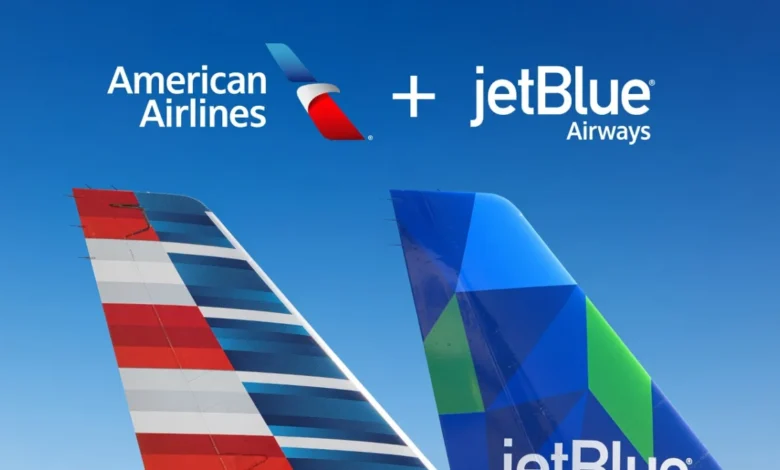
More than three years after a federal judge ordered the dissolution of the Northeast Alliance (NEA), American Airlines and JetBlue are finding themselves once again in the crosshairs of litigation. The two carriers are currently battling a class-action lawsuit in the Eastern District of New York, centered on allegations that their former partnership—which integrated operations across Boston and New York City—artificially inflated airfares for millions of passengers. As the case moves through the pre-trial phase, the airlines have collectively moved to block class certification and exclude expert testimony that forms the backbone of the plaintiffs’ claims.
The Genesis and Dissolution of the Northeast Alliance
The Northeast Alliance was introduced in 2020 as a strategic partnership designed to allow American Airlines and JetBlue to coordinate schedules, share revenue, and expand their combined footprint in high-traffic markets like Boston Logan (BOS), John F. Kennedy (JFK), and LaGuardia (LGA). At the time, both airlines argued that the alliance was a necessary counterweight to the dominance of Delta Air Lines and United Airlines in the region. By pooling their resources, the carriers claimed they could offer consumers more flight options and better connectivity.
However, the U.S. Department of Justice (DOJ), alongside several state attorneys general, viewed the arrangement differently. In 2021, the government filed an antitrust lawsuit, arguing that the alliance essentially functioned as a "de facto merger" that eliminated competition between two major players. The court agreed, finding that the coordination of flight schedules and revenue-sharing mechanisms removed the incentive for the airlines to compete for price-sensitive passengers. Following the court’s ruling in May 2023, the carriers were forced to terminate the agreement, marking a significant defeat for the airlines’ collaborative strategy.

Chronology of the Litigation
The legal battle currently unfolding is an accumulation of multiple lawsuits consolidated under In re American Airlines/JetBlue Antitrust Litigation. The litigation has undergone several shifts since its inception in 2022.
- July 2020: American Airlines and JetBlue announce the formation of the Northeast Alliance.
- September 2021: The DOJ files an antitrust suit in the U.S. District Court for the District of Massachusetts, later moved to the Eastern District of New York.
- May 2023: U.S. District Judge Leo Sorokin rules that the alliance violates the Sherman Antitrust Act and orders its dissolution.
- July 2023: The NEA is officially dismantled, and the airlines begin the process of untangling their coordinated route maps.
- 2024–2026: Plaintiffs’ attorneys refine the class definition to focus specifically on direct purchasers of American or JetBlue flights to or from Boston between April 1, 2021, and July 28, 2023.
- October 2026: American and JetBlue file formal motions to oppose class certification, arguing that the diverse nature of passenger travel patterns makes a class action inappropriate.
Allegations and the Argument for Damages
The core of the class-action complaint is that the coordination of schedules and the sharing of revenue incentivized the carriers to reduce capacity on specific routes where they would have otherwise been competitors. The plaintiffs allege that this lack of competition led to higher ticket prices for consumers. According to federal law, if the plaintiffs prevail, they are seeking not only the recovery of "excess" airfare paid during the two-year period but also treble damages, which could result in a significant financial liability for both airlines.
The airlines have mounted a robust defense, arguing that the rise in fares during the relevant period was driven by broader macroeconomic factors rather than their partnership. They point to the post-pandemic surge in travel demand, rampant inflation, and a nationwide shortage of pilots and aircraft as the primary drivers of increased ticket prices. Furthermore, the defense maintains that even during the existence of the NEA, competition remained fierce, noting that Delta Air Lines continued to expand its presence in Boston throughout the period in question.
The Challenge of Class Certification
A critical turning point in the current proceedings is the motion for class certification. For a case to proceed as a class action, the court must be satisfied that the claims of the class members are typical and that common issues of law or fact predominate over individual inquiries.

American and JetBlue are arguing that the "harm" alleged by the plaintiffs is too individualized to be addressed in a single trial. They contend that because airfare pricing is dynamic—based on factors like booking time, seat class, and specific route demand—it is impossible to isolate the impact of the alliance on the price paid by any specific passenger. Additionally, the airlines have moved to exclude the plaintiffs’ expert witness, whose methodology in calculating damages is being challenged as fundamentally flawed. If the judge grants these motions, the class action could be significantly narrowed or dismissed entirely, forcing individual plaintiffs to pursue their own claims.
Strategic Implications and Industry Context
The collapse of the Northeast Alliance has had a lasting impact on the strategic direction of both carriers. For JetBlue, the loss of the partnership necessitated a pivot in its business model. Following the court’s decision, the airline doubled down on its pursuit of a merger with Spirit Airlines, an attempt that was also ultimately thwarted by antitrust regulators. Analysts have noted that the merger with Spirit was originally intended, in part, to secure the assets—specifically planes and pilot capacity—that JetBlue needed to compete in the Northeast independently.
From an industry perspective, the case highlights the tension between regulatory oversight and the realities of modern aviation infrastructure. Critics of the government’s intervention argue that the DOJ’s focus on the NEA overlooked the structural barriers to competition, such as the slot-control system at JFK and LaGuardia. These government-granted rights to take off and land at capacity-constrained airports act as a significant barrier to entry for new competitors. Some industry experts argue that until the Federal Aviation Administration (FAA) modernizes air traffic control technology and increases the capacity of the national airspace, the primary driver of high fares—supply constraints—will remain unresolved, regardless of airline partnerships.
Broader Economic Impact
The resolution of this lawsuit carries implications far beyond the bank accounts of American and JetBlue. If the court finds in favor of the plaintiffs, it may set a precedent for how airlines structure future inter-carrier agreements. If partnerships that do not rise to the level of a full merger are consistently scrutinized as anti-competitive, airlines may be discouraged from seeking creative ways to optimize their networks in a high-cost environment.
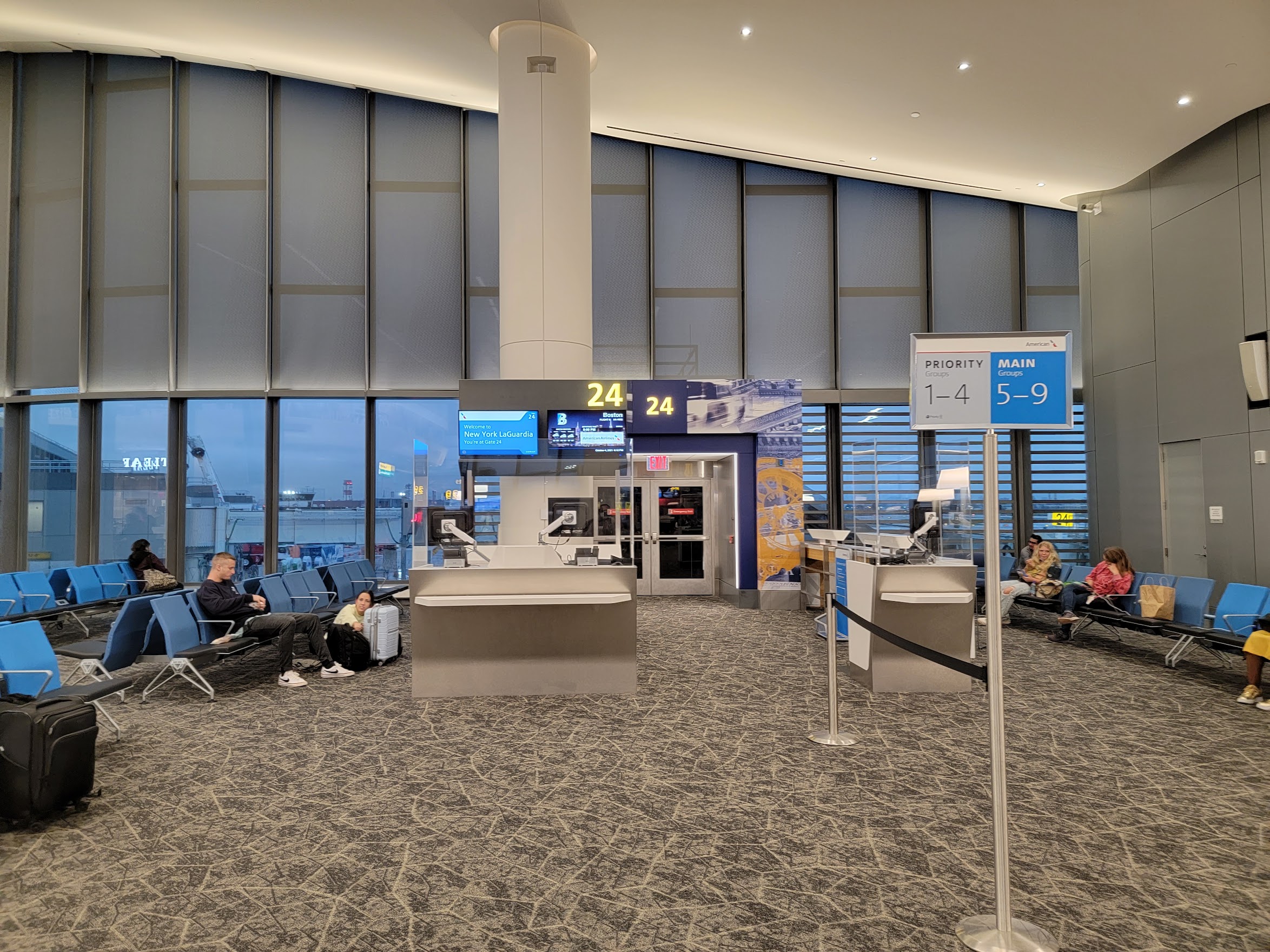
Conversely, for the consumer advocacy groups involved, the case represents a necessary check on corporate power. By holding the airlines accountable for alleged price fixing during the NEA era, the plaintiffs aim to ensure that competitive forces remain the primary driver of pricing in the U.S. aviation sector.
As the court weighs the arguments regarding class certification, the industry remains in a state of flux. With the aviation sector still grappling with infrastructure bottlenecks, labor shortages, and evolving consumer demand, the outcome of this litigation will serve as a bellwether for the future of airline partnerships in an era of heightened antitrust sensitivity. Both American Airlines and JetBlue continue to maintain that their actions were pro-competitive and that the lawsuit is a misinterpretation of the economic realities of the post-pandemic travel market. The court’s decision on whether to allow the case to proceed as a class action is expected to be a pivotal moment in determining the financial and legal trajectory of the dispute.