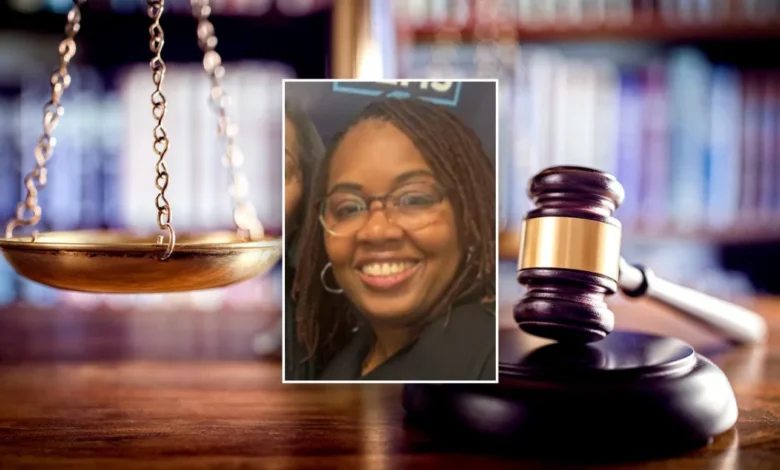
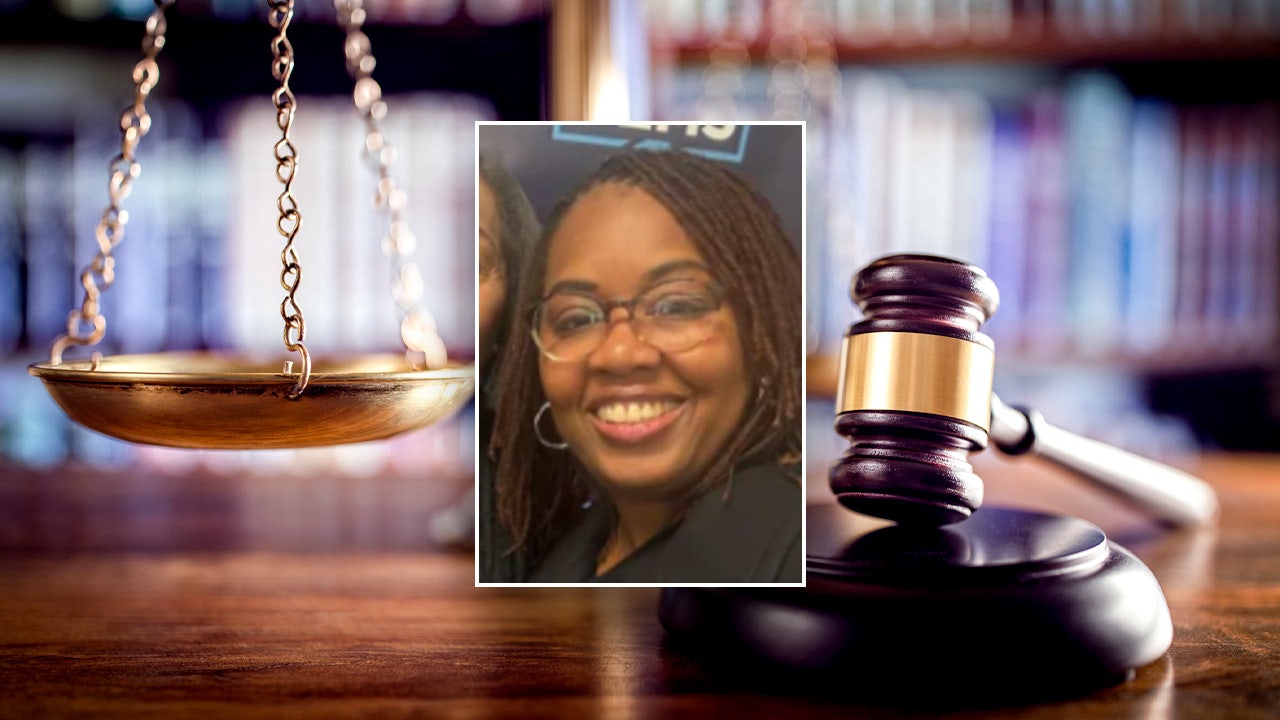
North Carolina congressional candidate LaKesha Womack is facing intense political scrutiny and legal challenges as her campaign for the U.S. House of Representatives enters its final stretch. Womack, a Democratic challenger running in North Carolina’s 14th Congressional District against incumbent Republican Representative Tim Moore, revealed in a series of social media broadcasts that she was served with a criminal summons during one of her own campaign events. The legal action stems from an unresolved 2019 dispute involving an unreturned rental vehicle—a development that has rapidly transformed into a major campaign flashpoint just weeks before election day.
The controversy surrounds allegations that Womack failed to return a rented motor vehicle nearly five years ago, leading local law enforcement to issue a felony charge. While Womack has defended her actions by citing severe personal hardships during that period, including homelessness, a medical emergency, and the temporary placement of her son into foster care, her opponent’s campaign has seized on the legal trouble to question her readiness for federal office. With a court date scheduled just a week after the election, the incident has amplified debates regarding personal accountability, the mechanics of the justice system, and the unique vulnerabilities faced by candidates attempting to balance personal crises with high-profile political runs.
Chronology of the Legal Dispute
The origins of the legal challenge trace back to late 2019, a period that Womack has described as one of the most challenging chapters of her life. According to public records and statements made by the candidate, the initial rental agreement was executed in 2019. Shortly thereafter, Womack experienced a severe medical emergency that required intensive care hospitalization. During her time in the ICU, her housing stability collapsed, and her son was temporarily placed into foster care because immediate family support was unavailable.
Upon her discharge, Womack worked to regain custody of her child while experiencing homelessness and extreme financial distress. She has recounted scraping together funds to secure basic necessities, such as meals from discount retailers. According to Womack, she was unable to maintain the payments for the rental car, prompting the rental company to repossess the vehicle. However, court documentation indicates that the formal legal process continued to progress behind the scenes.
In January 2020, a criminal case was officially opened, resulting in a felony charge for failure to return a hired motor vehicle. Womack maintains that she was completely unaware of the pending felony charges for years, largely because she lacked a stable address following her eviction and displacement in 2019. Consequently, she did not receive the initial summons issued by the court.
The situation culminated on October 11, when Womack arrived at a campaign event in Polk County, North Carolina. According to the candidate, local law enforcement officers were waiting for her arrival. A deputy with the Polk County Sheriff’s Office—acting in coordination with records from the Mecklenburg County Sheriff’s Office—served her with the criminal summons for the 2019 felony charge as soon as she stepped out of her vehicle.
Public Reactions and Campaign Statements
The timing of the summons, arriving squarely in the middle of a hotly contested congressional race, has generated significant media attention and sharp political crossfire.
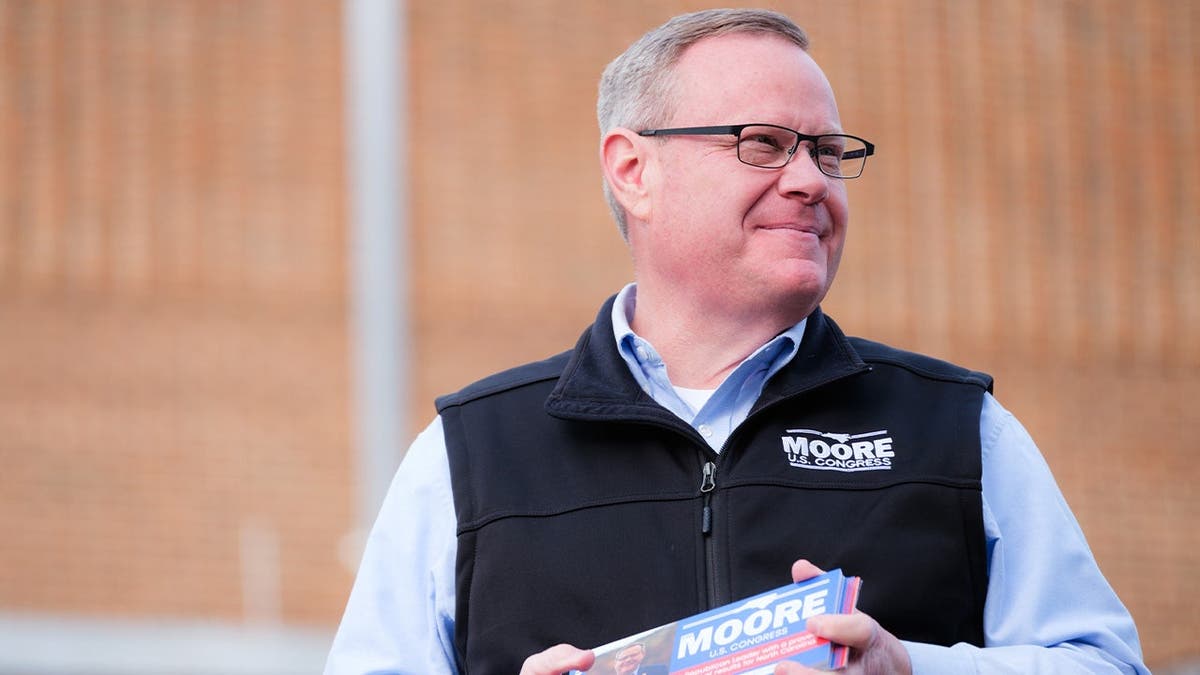
Representative Tim Moore’s campaign was quick to capitalize on the news, releasing a scathing statement that questioned Womack’s administrative capabilities and judgment. Pointing to Moore’s extensive legal background, the campaign argued that the situation transcends a simple misunderstanding.
"How is she going to be an advocate for our community when she can’t manage her own personal affairs? As an attorney for over 30 years, I think everyone should be held to the same standard of justice, and this situation is no different," the Moore campaign stated to Fox News Digital. "Free legal advice: When the rental agreement ends, so does your right to keep the car. This incident raises serious questions, and she owes voters an explanation, especially since her court date is one week after the election."
Womack initially addressed the charges through video statements published on her campaign’s social media platforms. In an October 9 video, prior to being formally served at the Polk County event, she acknowledged that she owed financial obligations to the rental agency and mentioned that she had previously believed the matter was settled.
"I just want you all to know that, you know, I do owe them people some money," Womack said in the video, adding that she thought she "had resolved the issue, but it’s not resolved."
She also expressed frustration regarding the manner in which the summons was served, questioning how law enforcement managed to locate her precisely at a campaign stop using an address dating back to 2019. That specific video was later removed from her campaign page, with Womack subsequently noting that legal counsel advised her against discussing an active criminal matter in detail.
Understanding North Carolina’s 14th Congressional District
The legal distraction unfolds within the context of a strategically significant and geographically diverse electoral battleground. North Carolina’s 14th Congressional District encompasses a broad cross-section of the state, stretching from the rapidly growing, affluent suburbs of Charlotte deep into the more rural, working-class communities of the North Carolina foothills.
The district leans favorably toward the incumbent Republican, giving the race national implications as both parties fight for control and majorities in the U.S. House of Representatives. In such competitive environments, candidates are subjected to intense scrutiny regarding their personal backgrounds, financial histories, and public conduct. For a challenger like Womack, maintaining message discipline and voter trust is critical, making sudden legal distractions particularly damaging to campaign momentum.
Legal Implications and Potential Penalties
Under North Carolina law, the charge of failing to return a hired motor vehicle under specific conditions can be classified as a felony offense, depending on the valuation of the property and the duration of the retention.
Legal experts note that if Womack is ultimately tried and found guilty of the felony charge, she could face statutory penalties ranging from four to 24 months of imprisonment. Alternatively, judges in such cases frequently have the discretion to impose supervised probation, restitution payments, or mandatory community service depending on the defendant’s prior record and the specific facts presented by the prosecution.
However, the more immediate threat to her candidacy is political rather than penal. With her court date officially scheduled for just one week after election day, voters in the 14th District are left to weigh the competing narratives: a candidate who portrays her past as a harrowing journey through homelessness and medical trauma, versus an incumbent campaign that frames the situation as a disqualifying failure of personal responsibility.
Broader Political Impact
The controversy surrounding Womack highlights an increasingly common phenomenon in modern American elections, where personal financial histories and past legal entanglements are weaponized by opposing campaigns in the final weeks before voting concludes.
For independent and undecided voters in North Carolina’s 14th District, the incident presents a complex evaluation of empathy versus accountability. While Womack’s supporters may view her past struggles with housing and medical emergencies as relatable hardships that underscore the fragility of the social safety net, critics and conservative opponents argue that individuals seeking to draft federal legislation must first demonstrate the ability to navigate basic civic and financial obligations without running afoul of the criminal justice system.
As early voting continues and election day approaches, both campaigns are working aggressively to define the narrative. Whether the rental car controversy will decisively sway voters or become background noise in a polarized political climate remains to be seen, but the unfolding legal proceedings ensure that LaKesha Womack’s campaign will remain under an intense national spotlight until the final ballot is cast.