Department of Justice Faces Steep Legal Hurdles in Alaska Senate Election Ballot Dispute Involving Identical Candidate Names

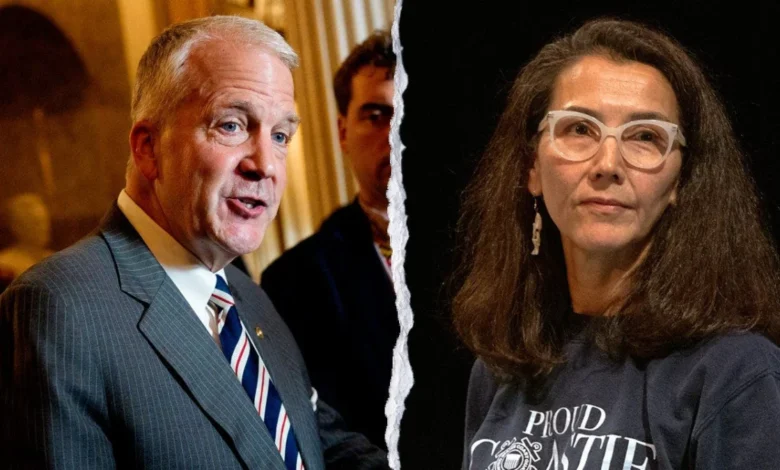
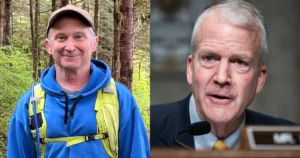
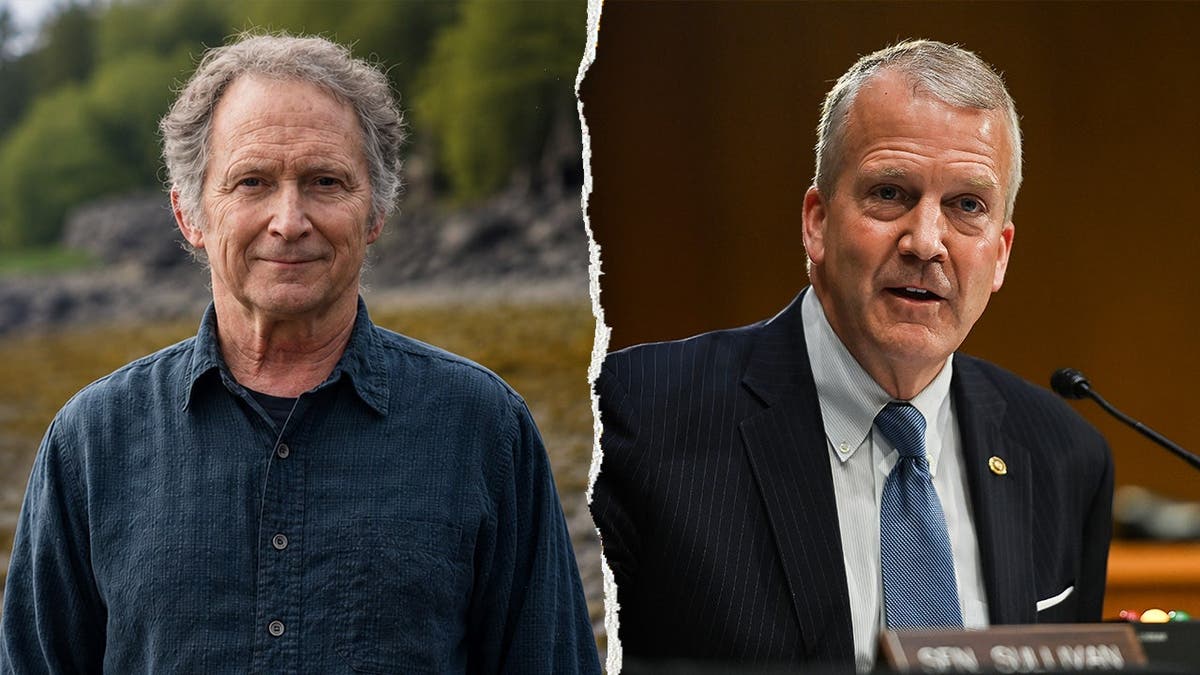
The United States Department of Justice faces an exceptionally challenging legal path in Alaska, where federal prosecutors are attempting to convince a federal court that widespread confusion over two rival Senate candidates sharing the exact same name warrants a potential delay in certifying the state’s high-stakes midterm election results. The unprecedented intervention centers on a bizarre ballot scenario featuring incumbent Republican Senator Dan Sullivan and a retired schoolteacher named Daniel J. Sullivan.
As control of the narrowly divided U.S. Senate hangs in the balance, this unusual contest has transformed into a national political and legal flashpoint. Republicans are aggressively moving to defend their slim legislative majority, while Democrats and independent operatives have found themselves embroiled in allegations of strategic ballot manipulation. With federal grand juries reportedly issuing subpoenas and legal experts sharply divided over the viability of the DOJ’s strategy, the unfolding controversy threatens to cast a shadow over Alaska’s unique ranked-choice voting system.
Background and Origins of the Dual-Sullivan Ballot
The controversy took root months ahead of the general election when a second candidate named Dan Sullivan entered the race. According to investigative reporting by The New York Times, which cited interviews, text messages, and internal strategy documents, campaign operatives working alongside the team of Democratic Senate candidate Mary Peltola allegedly recruited the retired schoolteacher to run for the seat. The objective, according to critics and leaked documents, was to leverage voter confusion to siphon support away from the incumbent Republican senator, potentially acting as a political spoiler.
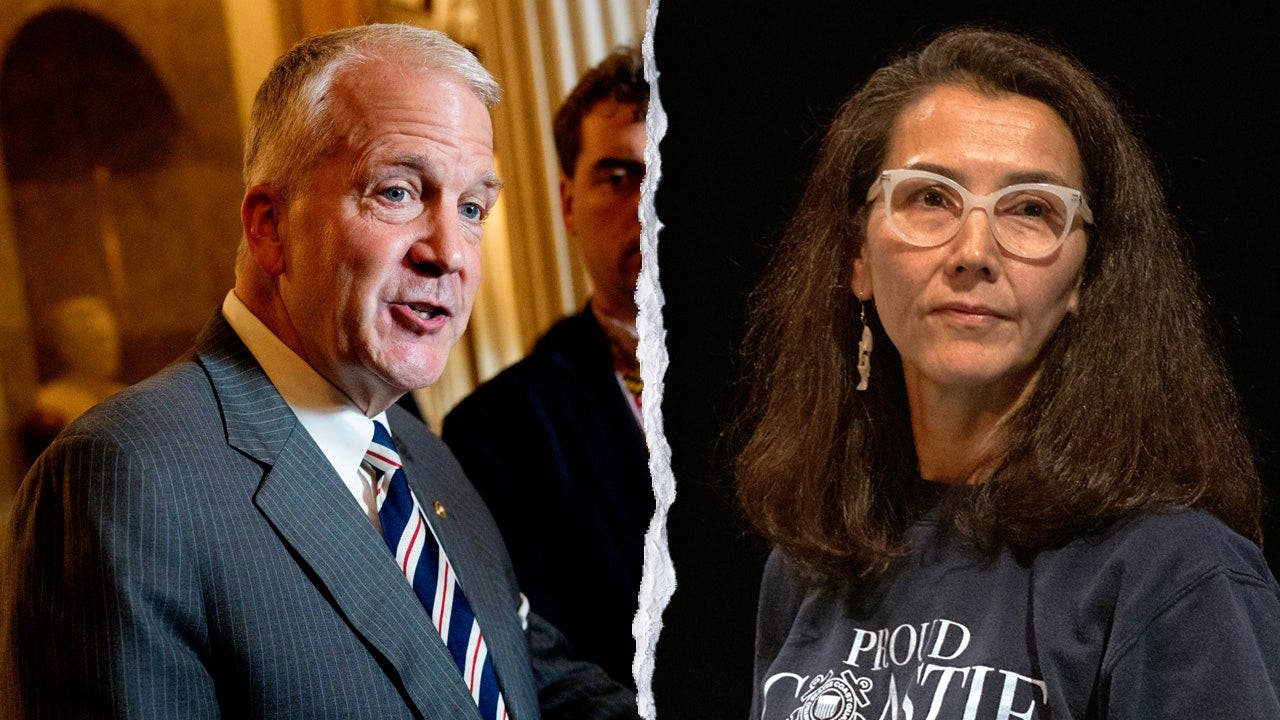
The Peltola campaign and the Democratic Senatorial Campaign Committee (DSCC) have repeatedly denied any direct involvement in recruiting the second candidate. Nevertheless, the presence of two identical names on the ballot immediately sparked alarm among conservative groups and state election officials.
Initially, the Alaska Division of Elections sided with conservative challenges, disqualifying Daniel J. Sullivan Jr. from the primary ballot after determining that his candidacy was not a genuine, good-faith bid for public office. State election officials argued the primary intent was to deceive voters into mistakenly casting ballots for the schoolteacher instead of the incumbent. However, that decision was overturned in June by Alaska Superior Court Judge Thomas Matthews, who ruled that the Division of Elections lacked the legal authority to disqualify a candidate based on assumptions of voter confusion or intent.
Chronology of Legal Actions and DOJ Intervention
The legal battle escalated dramatically approximately two weeks before the general election, when the Department of Justice filed a federal lawsuit seeking to halt the certification of election results should Senator Dan Sullivan lose. The federal complaint argues that if votes mistakenly cast for Daniel J. Sullivan Jr. altered the outcome of the race, certification must be delayed pending a comprehensive federal investigation into voter rights violations.
Simultaneously, sources familiar with the matter revealed that federal prosecutors have launched an aggressive criminal investigation into how the second Sullivan secured ballot access. Investigators have prepared grand jury subpoenas and are scrutinizing potential federal election law violations—an inquiry expected to persist well past Election Day.
In response, legal representatives for Peltola’s campaign and the DSCC filed a proposed motion to dismiss the DOJ’s lawsuit. They argued that the federal statute cited by the DOJ governs voter registration procedures rather than candidate qualifications or state ballot design. They urged the federal court to dismiss the action swiftly to prevent post-election uncertainty.
Analysis of the DOJ’s Legal Strategy and Voting Mechanics
The core of the Department of Justice’s argument rests on the premise that the inclusion of two candidates with identical names constitutes a structural failure that infringes upon voter rights. During recent media appearances, Acting Attorney General Todd Blanche suggested that federal investigators could analyze ranked-choice voting patterns to identify clear signs of ballot confusion.
"Because of rank-based voting, voters… write not just one, not just two, but multiple names on the ballot," Blanche noted during a television interview. "So there are a number of scenarios where it could be obvious that a voter was confused by the way they wrote down candidates."
However, election law experts and independent legal scholars have expressed profound skepticism regarding the DOJ’s ability to prove voter intent under these conditions. Because ballots in the United States are fundamentally anonymous to protect voter privacy, establishing a direct causal link between a specific voter’s confusion and their ballot choice presents an immense evidentiary hurdle.
Derek Muller, a law professor at the University of Notre Dame, noted the near-impossibility of measuring subjective voter confusion from anonymous data after the fact. Similarly, Donald Palmer, a senior legal fellow for election integrity at the Heritage Foundation, emphasized the rigorous evidentiary standard required to challenge election outcomes.
"You have to bring in witnesses, do some statistical analysis, and make a decision whether or not the campaign wants to contest the results," Palmer explained. He stressed that statistical patterns alone are insufficient; a successful challenge would demand extensive expert testimony, affidavits, and direct witness accounts proving that a definitive number of electors made unintended choices.
Divergent Perspectives on Federal Overreach
Legal experts across the political spectrum have sharply criticized the DOJ’s involvement, raising questions about federal overreach into state-administered elections.
Ben Hovland, a senior fellow at the Center for American Progress, remarked on the novelty of the DOJ’s legal theory. "You’ve never seen a claim like this made under the National Voter Registration Act," Hovland said. "This is not a matter of federal law. This is a state ballot qualification issue, and the Alaska Supreme Court addressed this issue months ago." Hovland argued that the federal intervention appears less aimed at securing a legal victory and more focused on casting doubt on election integrity.

Walter Olson, a senior legal fellow at the libertarian Cato Institute, echoed similar sentiments, stating that the state of Alaska is well-positioned to prevail in federal court. Olson maintained that unless a federal court accepts the unprecedented theory that Alaska violated federal statutes merely by permitting the second candidate to remain on the ballot, the DOJ’s case should be swiftly dismissed.
Broader Implications for Election Integrity and Ranked-Choice Voting
As Alaska’s general election approaches, the controversy has illuminated the unique vulnerabilities and complexities of the state’s ranked-choice voting system. While supporters of the system argue that allowing voters to rank multiple candidates provides a built-in safety net that mitigates mistaken selections, critics contend that ballot fatigue and visual confusion pose severe risks in closely contested races.
The official general election ballot clearly distinguishes the two candidates: the incumbent is designated as "Sullivan, Dan S." with official Republican party affiliations, whereas the challenger is listed as "Sullivan, Daniel J. Jr." without a party label. State officials and conservative groups have engaged in extensive voter education campaigns to ensure the electorate is fully aware of the distinction, hoping to counter any potential confusion before it impacts the final tally.
Ultimately, the federal lawsuit and ongoing criminal inquiry represent a novel intersection of federal prosecutorial power, state election administration, and partisan political strategy. Whether the Department of Justice can sustain its legal challenges or whether the federal judiciary will defer to established state authority remains one of the defining questions of the current election cycle.
Related posts: