National Park Service Releases Hilarious and Educational Pumpkin Carving Templates for Halloween

As the crisp autumn air settles over North America and the traditional celebration of All Hallows Eve approaches, households everywhere prepare for the time-honored ritual of carving jack-o-lanterns. This year, the National Park Service (NPS) has once again captured the public’s imagination by releasing its annual series of creative pumpkin carving templates. Blending seasonal folklore with vital wildlife education, the initiative invites outdoor enthusiasts and gourd carvers to embrace the wilder side of autumn by transforming ordinary pumpkins into tributes to America’s most iconic public lands.
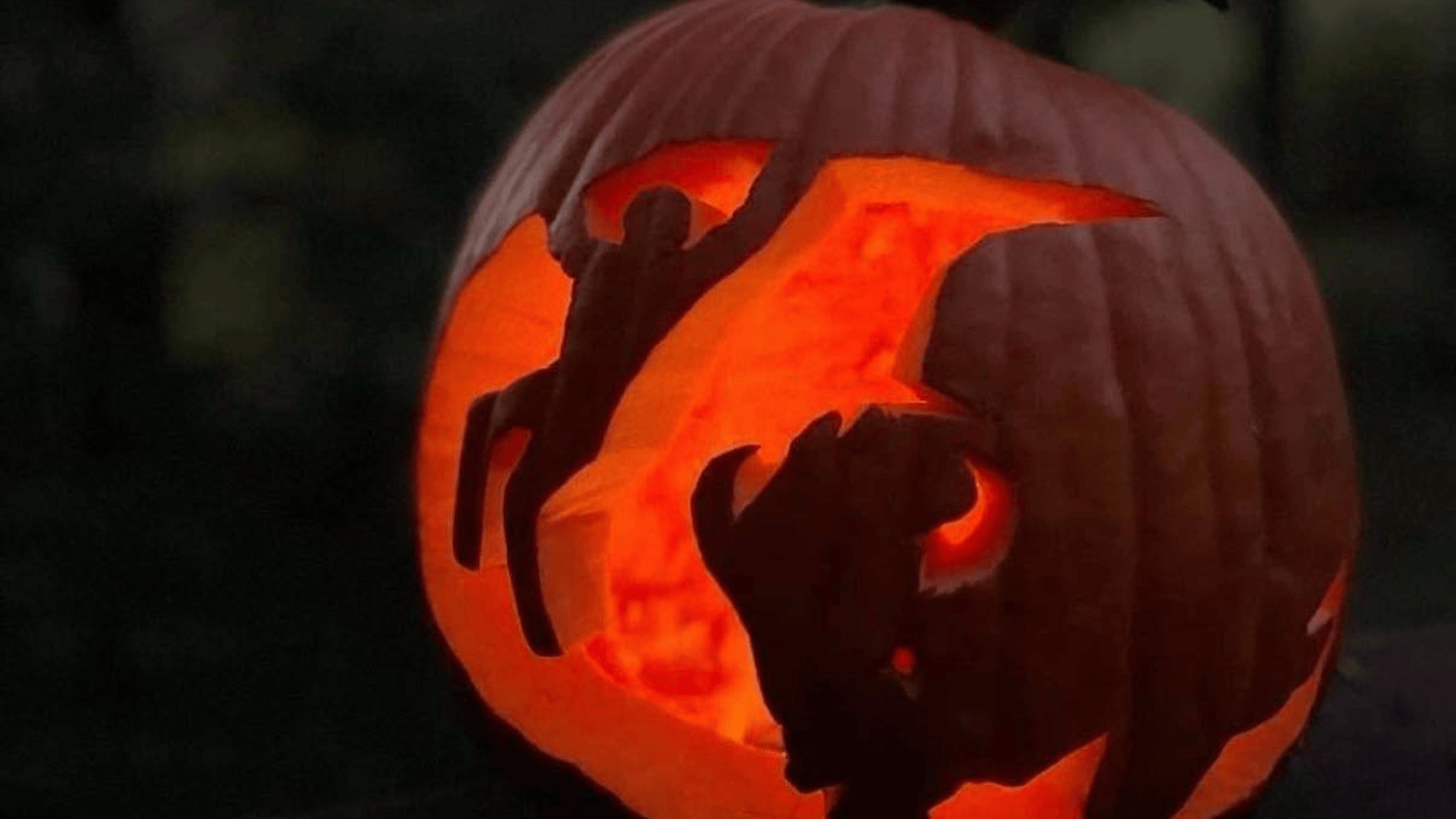
Known for its witty and remarkably direct social media presence, the federal agency launched the official Pumpkin Carving Challenge with characteristic humor. In a widely shared statement across public channels, the NPS remarked on the realities of wildlife interaction: "Nothing says ‘scary’ quite like a 2,000-pound furry mammal you’ve annoyed launching you into another dimension. Or the tree above. Either way, it comes with a thud. Talk about a smashing Halloween." Beyond the levity, however, lies a carefully structured public outreach campaign designed to foster appreciation for conservation while encouraging safe behaviors in natural habitats.
The Complete Collection of National Park Templates
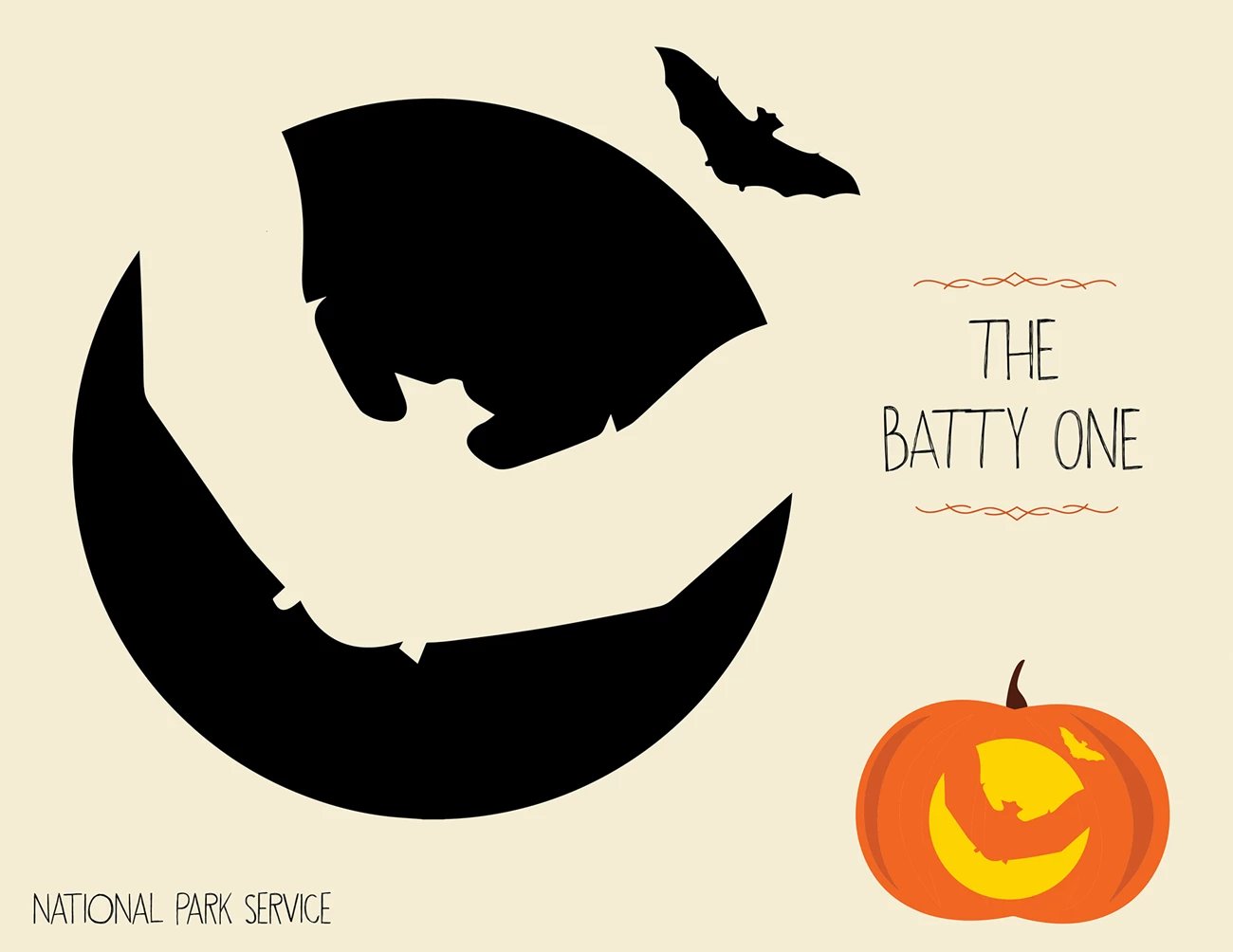
For the current season, the National Park Service has curated nine distinct design templates. Each pattern highlights specific ecological themes, park species, or recreational pastimes associated with the National Park System.
The Batty One pays homage to one of Halloween’s most enduring cultural icons, reminding the public of the vital ecological roles bats play. Far beyond the seasonal motif, national parks serve as essential year-round roosting grounds and migratory stopovers for millions of bats across the continent. These nocturnal mammals contribute significantly to pest control and pollination, though many species face severe population pressures from habitat loss and diseases such as white-nose syndrome.
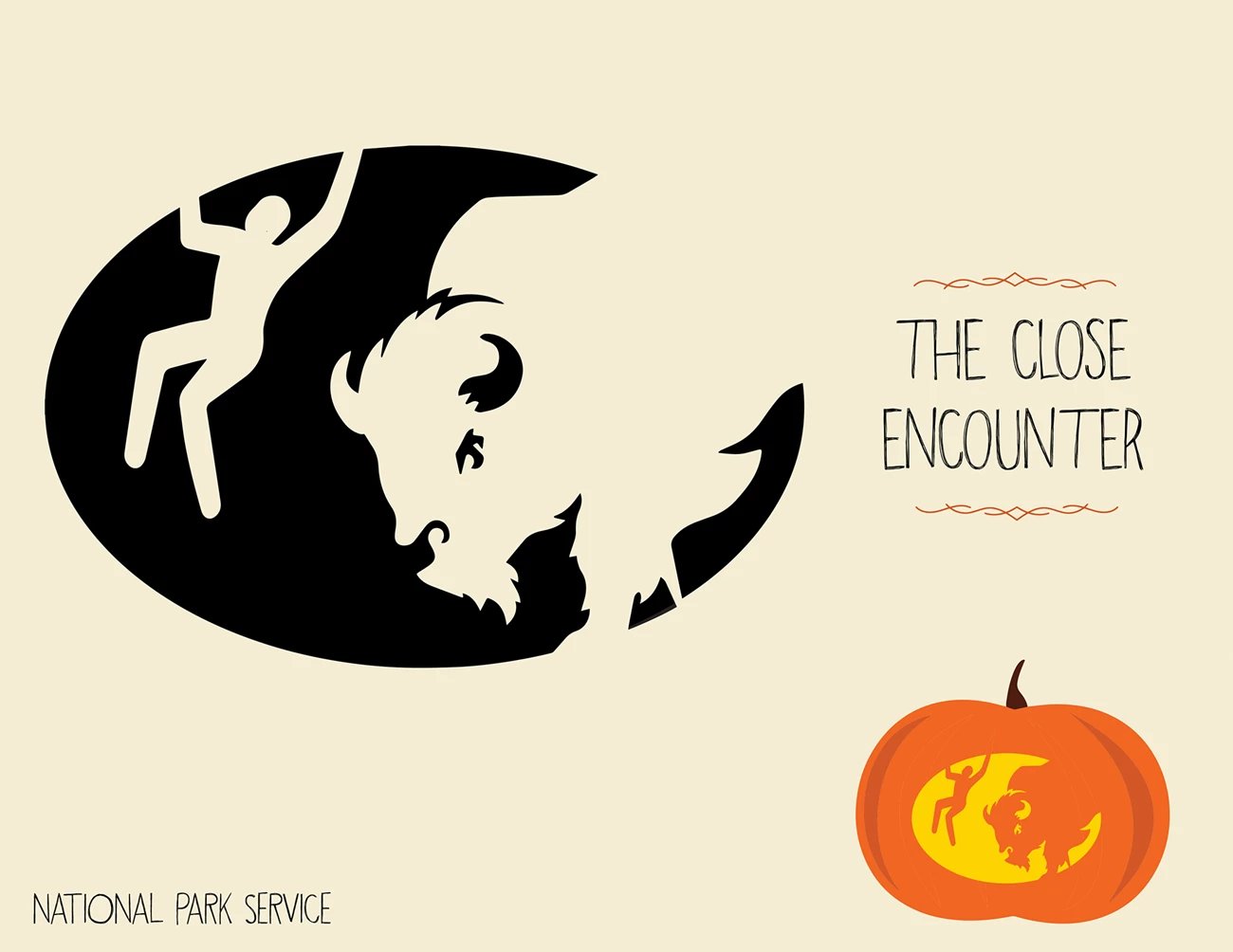
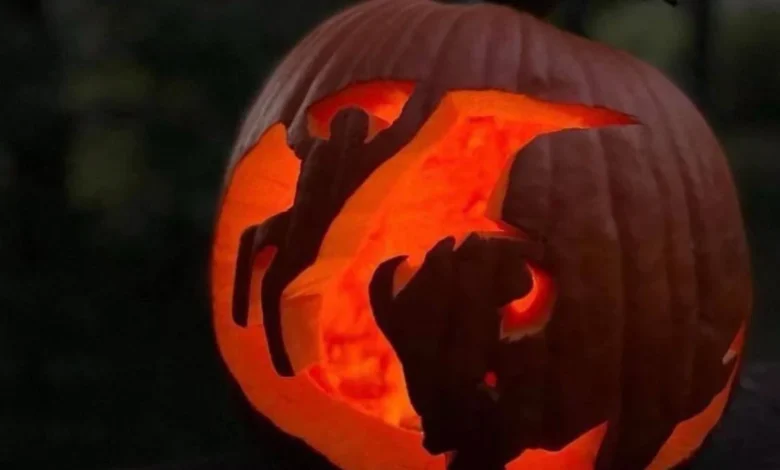
Perhaps the most culturally poignant design in the collection is The Close Encounter. Depicting a park visitor being violently bucked into the air by an oversized bison, the template serves as a stark, humorous cautionary tale regarding wildlife distance regulations. The design mirrors real-world events; park rangers frequently issue urgent warnings following preventable incidents involving tourists approaching dangerous megafauna. A notable event occurred in July at Yellowstone National Park, where a visitor sustained injuries after getting too close to a bison, reinforcing the agency’s persistent messaging that wild animals are inherently unpredictable and dangerous.
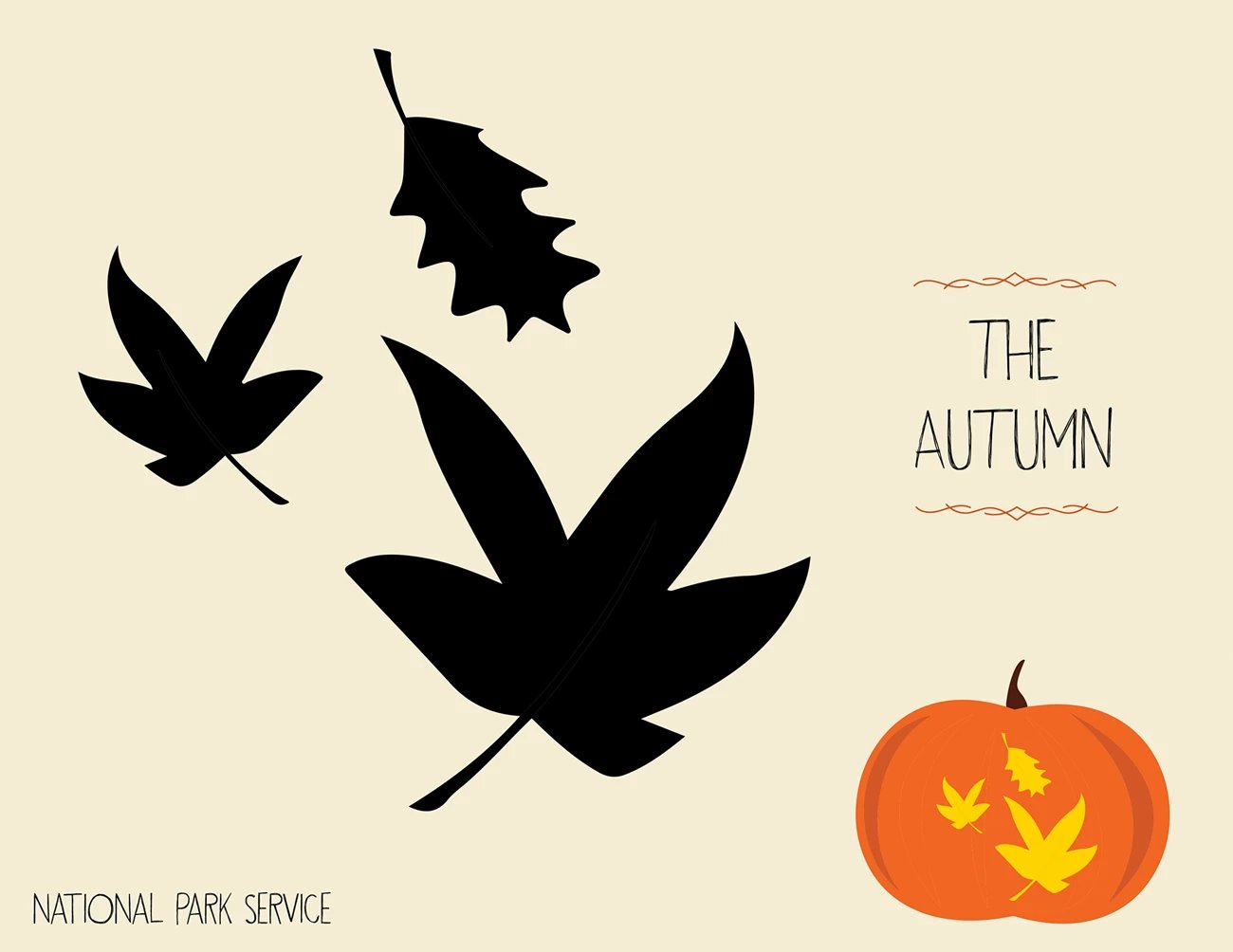
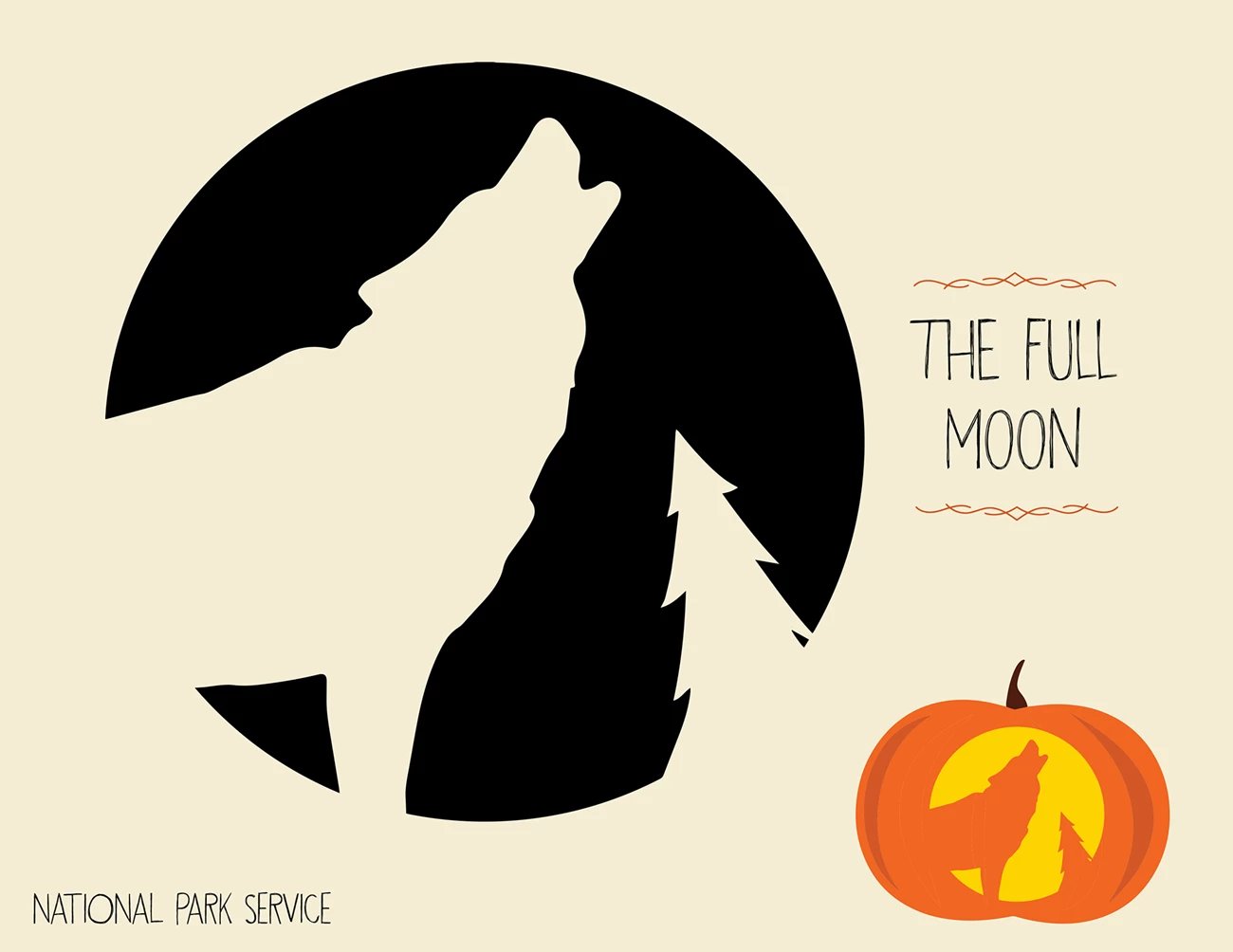
Additional templates focus on the seasonal transformation of the landscape. The Autumn Leaves design celebrates the annual spectacle of foliage color changes, highlighting the deep cultural and recreational tradition of "leaf peeping" within protected deciduous forests. Meanwhile, The Full Moon template features a howling wolf, a nod to the growing populations of gray wolves that currently roam freely within at least six major national park units, following decades of reintroduction and conservation efforts.
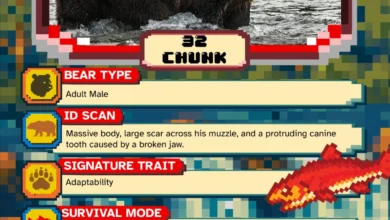
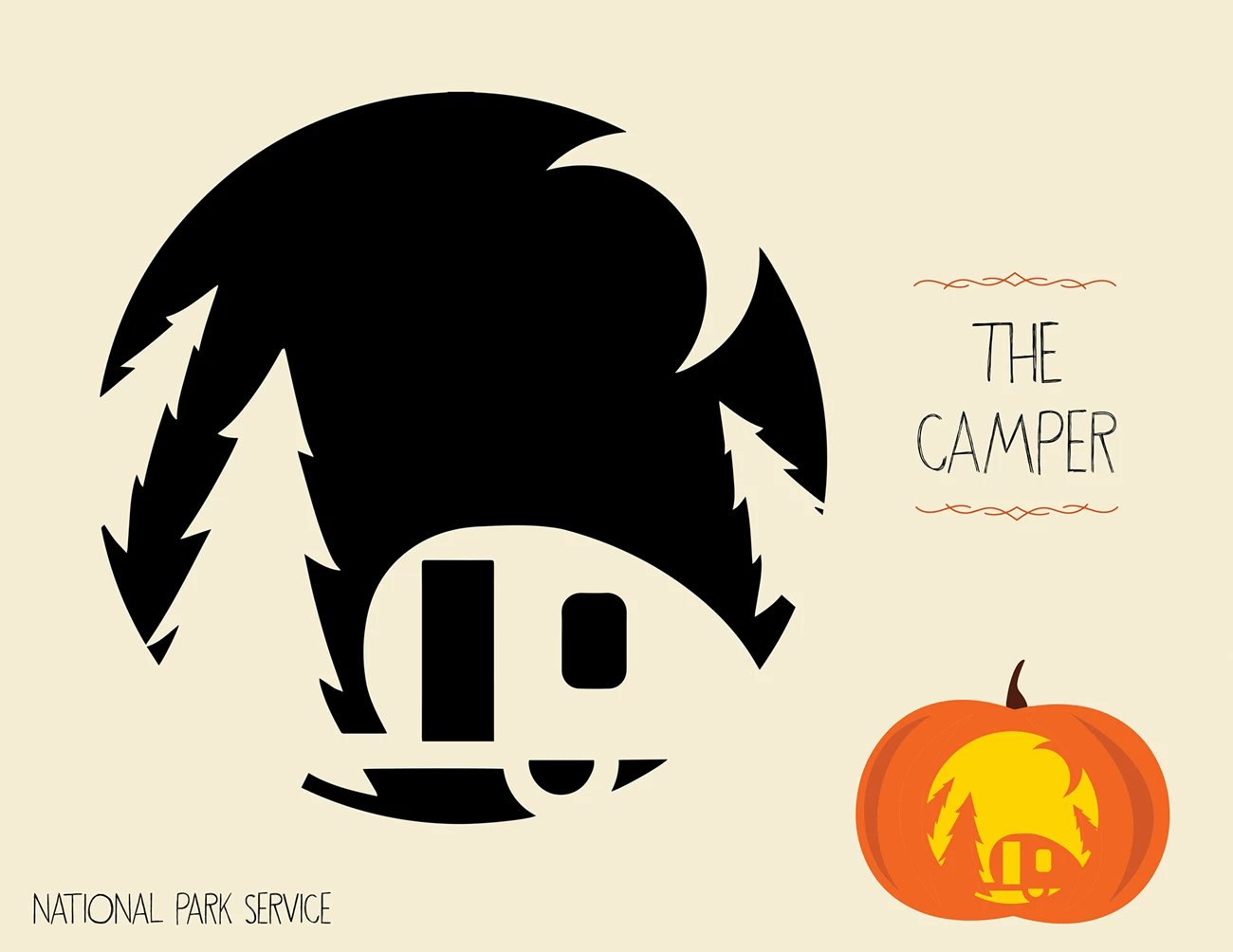
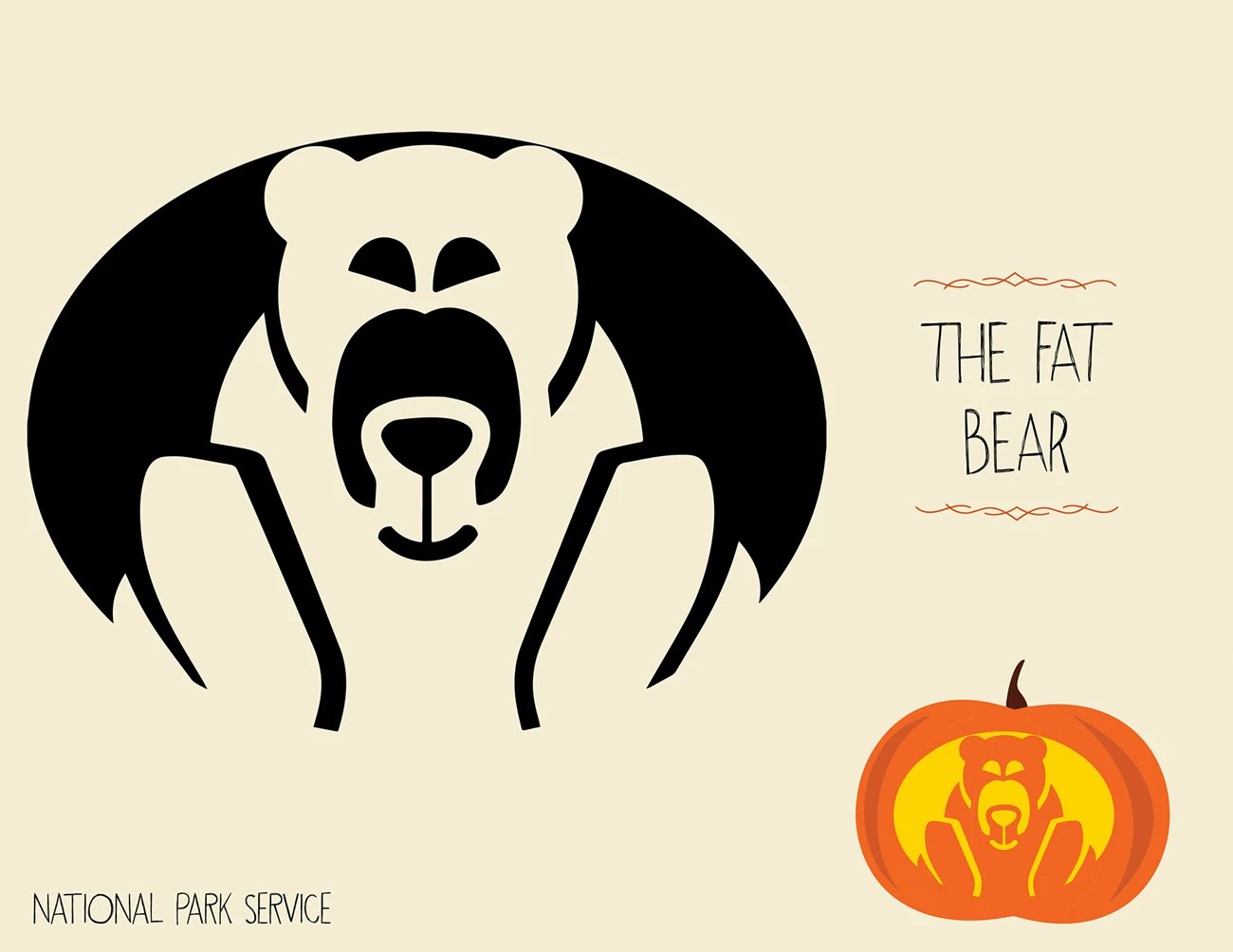
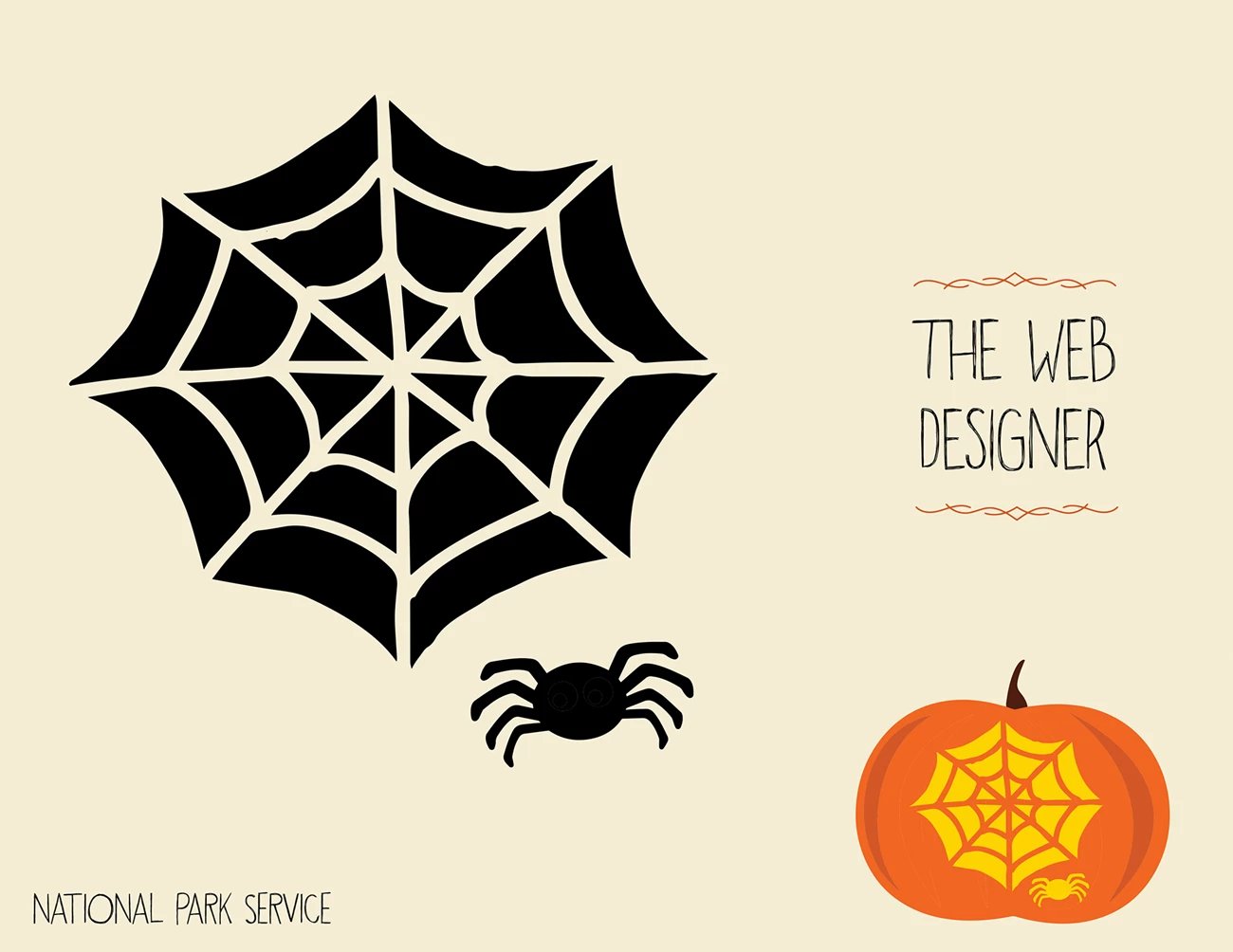
Rounding out the collection are designs that highlight park recreation and iconic wildlife phenomena. The Camper template speaks directly to those who enjoy fireside ghost stories and backcountry expeditions within public campgrounds. The Web Designer highlights nature’s prolific arachnids, accompanied by interpretive tips on how visitors can navigate trails without unexpectedly encountering sticky spiderwebs. Finally, The Fat Bear template brings the internet-famous cultural phenomenon of Fat Bear Week directly to the front porch, celebrating the seasonal biological triumphs of brown bears gorging on salmon ahead of winter hibernation.
The Evolution of NPS Public Outreach
The release of seasonal pumpkin carving templates represents a broader strategic shift in how government agencies communicate with the public. Over the past decade, the National Park Service, alongside independent land management bodies, has recognized that traditional, highly formal informational brochures often fail to capture younger demographics or casual digital audiences.
By leveraging internet culture, self-deprecating humor, and interactive DIY projects, the NPS has successfully transformed its social media channels into educational powerhouses. The strategy relies on bridging entertainment with core agency mandates: conservation education, visitor safety, and Leave No Trace principles. When a carver sits down to replicate the bison bucking template or the Fat Bear design, they are implicitly engaging with conversations about wildlife safety thresholds and ecosystem health.
Digital Participation and Community Engagement
The National Park Service is encouraging participants to share their finished masterpieces across social media platforms. By utilizing the dedicated hashtags #FindYourPark and #EncuentraTuParque, carvers can contribute to a sprawling digital pumpkin patch hosted virtually across the agency’s digital networks. This crowdsourced gallery not only showcases artistic ingenuity from across the United States but also reinforces a sense of shared stewardship for the nation’s public lands.
In addition to the official park service patterns, carving enthusiasts across the country are experimenting with advanced pumpkin artistry techniques to elevate their seasonal displays. Recent trends popularized by DIY communities include "oozing" pumpkins utilizing chemical reactions with hydrogen peroxide and yeast, the integration of atmospheric vape smoke for eerie backlighting effects, and coastal initiatives utilizing sustainable marine kelp to craft biodegradable "kelp-o-lanterns."
Broader Implications and Safety Messaging
While the tone of the Pumpkin Carving Challenge is lighthearted, park officials emphasize that the underlying messages regarding human-wildlife coexistence are critically important. National parks across the United States experience millions of recreational visitors annually, particularly during the summer and autumn transition periods. Increased foot traffic frequently correlates with a rise in negative human-animal interactions, often driven by tourists failing to maintain legally mandated distances from bears, bison, elk, and moose.
By embedding safety lessons within popular culture and holiday traditions, the NPS aims to reduce reckless behavior in the field. Ultimately, the agency hopes that a carving session spent discussing why one should not approach a 2,000-pound bison will translate into more cautious, respectful decision-making when visitors eventually find themselves exploring the country’s breathtaking wilderness areas in person.