James Gunn Clarifies the Long-Term Vision for the DC Universe Amidst Strategic Debates Regarding Interconnected Storytelling

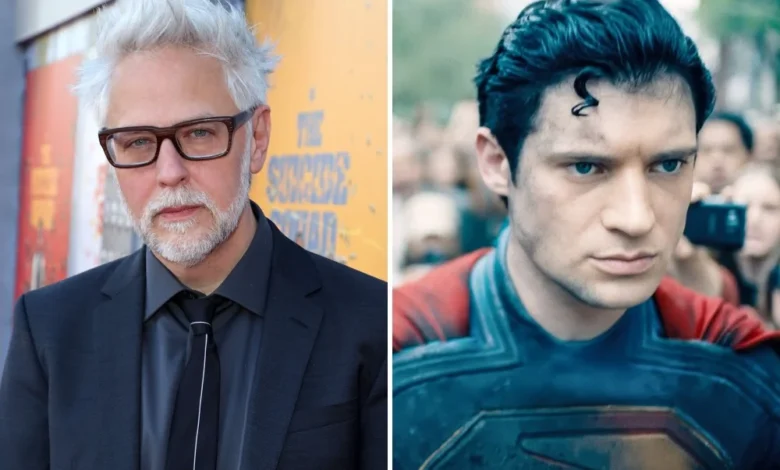
The landscape of modern superhero cinema is undergoing a profound transformation as DC Studios, under the dual leadership of James Gunn and Peter Safran, navigates the complexities of building a cohesive yet flexible cinematic universe. In recent days, James Gunn has utilized his presence on the social media platform Threads to address lingering misconceptions regarding the "eight- to 10-year roadmap" he originally proposed for the DC Universe (DCU). By clarifying the intent behind this ambitious plan, Gunn has sought to pivot the narrative away from the industry-standard requirement of constant, mandatory crossover events and toward a model that prioritizes individual storytelling, tonal variety, and long-term structural health.
The Evolution of the DC Universe Strategy
The discourse surrounding the DCU’s roadmap traces back to the inception of DC Studios in late 2022. Following the dissolution of the previous management structure at Warner Bros. Discovery, Gunn and Safran were appointed as co-CEOs with a mandate to streamline the DC brand across film, television, and animation. During a virtual town hall in early 2023, the duo unveiled the first chapter of their master plan, titled "Gods and Monsters."
At the time, the announcement was framed as an 8- to 10-year strategy. However, as the production cycle for initial projects like "Superman: Man of Tomorrow" (scheduled for a July 9, 2027, release) has progressed, some fans and critics have questioned why every upcoming project does not appear to serve as a direct stepping stone toward a singular, climactic crossover event. This critique stems from the industry precedent set by the Marvel Cinematic Universe (MCU), which famously utilized a "saga" approach to build toward massive team-up films.
Gunn’s recent clarifications suggest that the DCU is intended to function with a greater degree of modularity. By citing his own January 2023 remarks, he emphasized that the architecture of the DCU was designed from the outset to accommodate both standalone features and serialized narrative arcs.
Defining the Roadmap: Beyond Narrative Points
Addressing the misconception that the 10-year plan is merely a list of interconnected plot points, Gunn provided a more holistic definition of the roadmap. He clarified that the vision encompasses several core pillars:
- Character Elevation: The strategy involves balancing the use of "diamond characters"—the traditional pillars of the DC pantheon such as Superman, Batman, and Wonder Woman—with the elevation of lesser-known or secondary figures like Krypto, John Stewart, and Peacemaker.
- Filmmaker Autonomy: A central tenet of the DC Studios mandate is the preservation of creative freedom. Gunn noted that the roadmap is designed to allow for diverse tones, ratings, and directorial styles, avoiding the homogeneity that critics often associate with "shared universe" fatigue.
- Inspirational Frameworks: Gunn explicitly referenced the influence of the "Star Wars" franchise and the literary structure utilized by George R.R. Martin. These influences suggest a model where a vast, shared lore allows for stories to take place in different corners of the world, acknowledging the same historical events while remaining tonally distinct.
The Case for Standalone Meaning
The debate reached a fever pitch following discussions regarding the inclusion of characters like Clayface in the DCU. Critics argued that unless such characters are integral to a larger, building conflict, their presence might feel inconsequential. Gunn challenged this premise, asserting that a story’s value is not derived solely from its contribution to a future ensemble piece.
"I dislike the idea that individual stories aren’t meaningful unless they lead to something else," Gunn stated on Threads. He argued that the DCU is effectively an alternate universe—a sandbox where creators can enter at any time or location to tell a complete, compelling story. This philosophy echoes a growing sentiment in Hollywood that the "crossover-first" model may be reaching a point of diminishing returns. By allowing for independent narrative arcs, DC Studios aims to mitigate audience burnout and provide a wider variety of viewing experiences.
Historical Context and Industry Comparison
To understand the weight of these changes, one must consider the historical trajectory of DC adaptations. For years, the studio struggled with a lack of consistent brand identity, oscillating between the gritty, singular vision of Zack Snyder’s "DCEU" and disparate standalone projects like Todd Phillips’ "Joker" (2019) and Matt Reeves’ "The Batman" (2022).
Gunn’s approach attempts to reconcile these two poles. By creating a "DCU" that houses interconnected narratives while simultaneously maintaining "DC Elseworlds" for projects like "The Batman – Part II," the studio is attempting to have a structured, unified narrative world without sacrificing the creative freedom that allowed for critical and commercial successes outside the traditional shared-universe format.
Data from the past decade of superhero cinema suggests that audiences are increasingly receptive to varied tonal experiences. While major crossover films like "Avengers: Endgame" achieved unprecedented box office success, subsequent years have seen a decline in the performance of films that rely heavily on "homework"—the requirement that viewers consume multiple preceding television shows or films to understand the plot of the current release. Gunn’s emphasis on "stories that work on their own" appears to be a direct response to this market feedback.
Analytical Perspective: The Implications of the DCU Model
The decision to move away from a singular, linear narrative path carries significant logistical and creative implications.
Logistical Flexibility: By not forcing every project to intersect, DC Studios gains the ability to fast-track or delay projects based on creative readiness rather than release-date mandates. This avoids the "production line" pressure that can often lead to diminished visual effects quality or script inconsistencies.
Tonal Diversity: If a studio is not beholden to a single, interconnected tone, it can experiment with horror, comedy, noir, or high-concept sci-fi under the same brand umbrella. This is a critical factor for long-term sustainability; by keeping the brand fresh, DC Studios hopes to avoid the "same-ness" that often affects superhero franchises after their first decade.
The "Star Wars" Influence: Gunn’s specific mention of "Star Wars" is telling. The "Star Wars" model relies on a central mythology that can be expanded through prequels, sequels, and spin-offs without every installment being required to bridge the gap between "A New Hope" and "Return of the Jedi." By adopting this, DC Studios is signaling that their "Universe" is a tapestry rather than a singular chain.
Looking Ahead: The Superman Milestone
The upcoming release of "Superman: Man of Tomorrow" represents the first true test of this philosophy. As the flagship project for the new DCU, it will establish the aesthetic and narrative standards for what is to follow. Gunn’s enthusiasm, expressed in his recent social media posts, suggests that the studio is confident in the foundation they have laid.
"It’s exciting seeing things START to come together," Gunn noted, reinforcing that while the roadmap is long, the current phase is focused on establishing high-quality, standalone entries that will eventually form a coherent, but not stifling, collective history.
As the industry moves toward 2027, the focus for DC Studios will remain on execution. The success of this strategy will not be measured by how many characters are shoehorned into a single project, but by the resonance of the individual films and the depth of the world they collectively inhabit. In an era where audiences are increasingly selective about their time and attention, James Gunn’s defense of the "individual story" may prove to be the most vital component of his long-term plan for the DC Universe. The transition from the "event-driven" model to the "narrative-driven" model is not merely a change in branding—it is a fundamental shift in how one of the world’s largest intellectual properties intends to sustain its relevance in the decades to come.