Steadfast in the Mitten State: Inside the MAGA Base’s Unwavering Support for President Trump Amid Midterm Headwinds

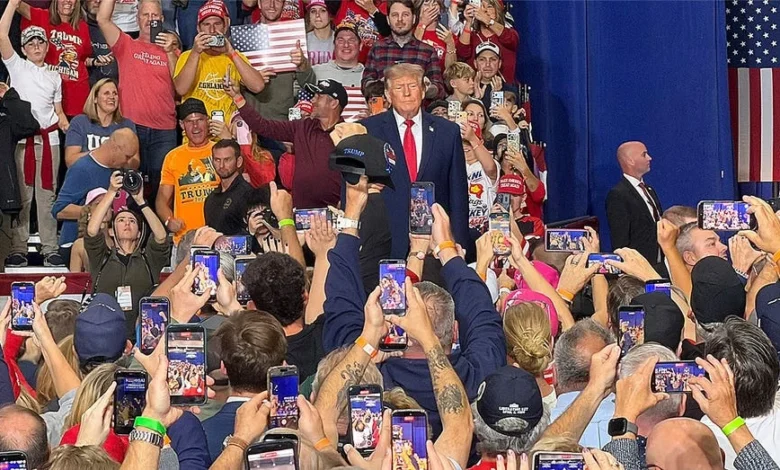
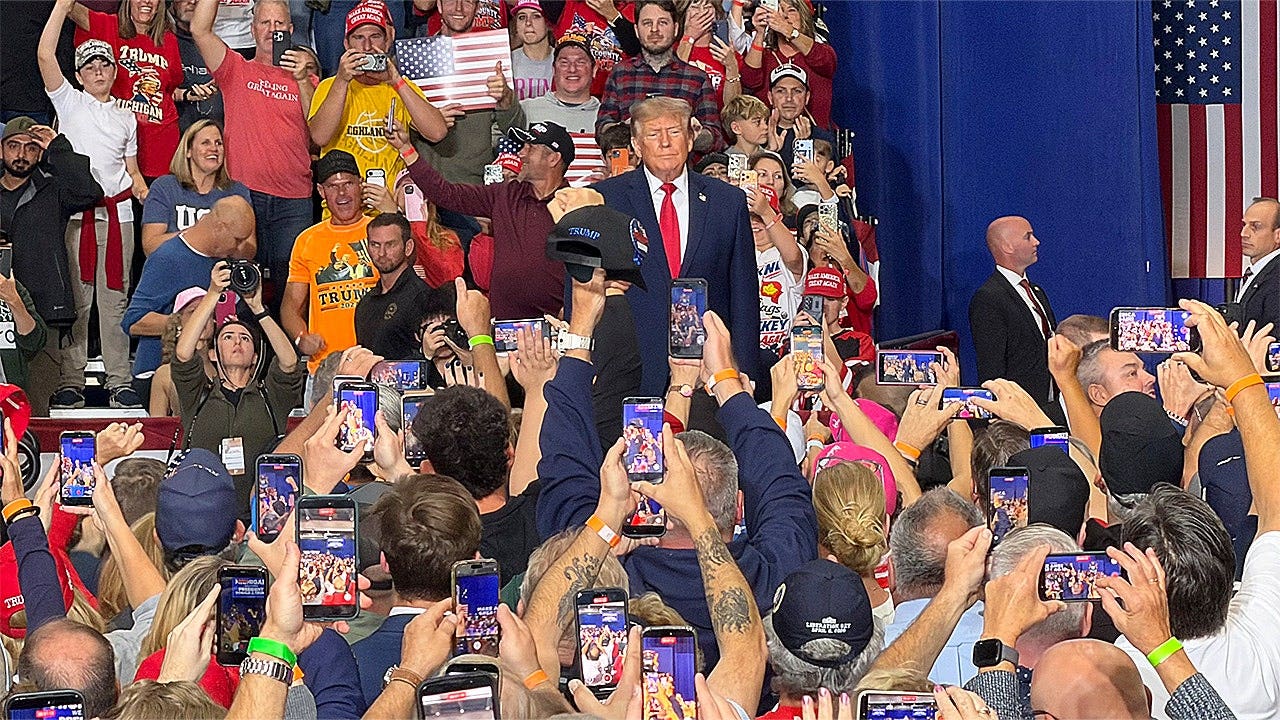
PORT HURON, Michigan — Along the scenic shores of Lake Huron in this blue-collar Michigan city, persistent lines stretched for hours outside an October rally venue, reflecting both the endurance of populist fervor and the complex political realities shaping the upcoming midterm elections. Despite mounting economic pressures—typified by persistently high costs at gasoline and diesel pumps and widespread inflation at grocery store checkouts—the core constituency of President Donald Trump remains remarkably resolute.
Interviews conducted with nearly twenty grassroots attendees at the October 25 rally underscore a broader national dynamic within the Republican base: a near-unanimous refusal to attribute broader national economic pain to the administration, combined with a deeply entrenched ideological opposition to the Democratic platform, which voters frequently characterize as leaning toward "socialism."
This unwavering loyalty stands in sharp contrast to broader national polling trends, illustrating the growing chasm between mainstream public sentiment and the staunchly committed MAGA electorate as both parties mobilize for a high-stakes legislative battle.
The Midterm Political Landscape and Polling Realities
As the Republican Party fights to preserve its narrow majorities in both the House of Representatives and the Senate, history and current political metrics present significant structural hurdles. Traditionally, the political party occupying the White House suffers legislative losses during midterm election cycles—a historical trend often compounded by public frustration with economic headwinds.
Adding to the complexity of the current cycle are broader geopolitical dynamics, including an ongoing conflict with Iran that has drawn scrutiny from critics, alongside national polls reflecting downward pressure on presidential approval ratings. According to recent Fox News national polling data, President Trump’s overall approval rating sits at 36%, marking a low point in tracking surveys for his current term.
However, a closer examination of demographic breakdowns reveals a stark polarization. Among self-described MAGA voters, the president’s approval rating remains near-universal at 95%. For these voters, broader macroeconomic indicators and national approval metrics are secondary to a perceived alignment of values, national security objectives, and immigration enforcement priorities.
"He has our best interests at heart. He loves our country and he is doing the right things for us to get back on track," said Carol Mocan, a resident of Warren, Michigan, who waited hours in the autumn chill to secure entry to the event.
Economic Pressures Viewed Through a Populist Lens
Inflation and the rising cost of living have dominated voter concerns across the United States. Yet, among the rally attendees in Port Huron, these immediate financial hardships are frequently reframed as necessary adjustments for long-term national revitalization.
Linda Taggart of Marysville characterized current high prices as "short-term pain for long-term gain," adding, "We see the long-term goal and we support that."
Similarly, Bob Kemp of Port Huron argued that the administration’s policies are actively course-correcting the economy after four years of Democratic leadership under former President Joe Biden. Invoking a common refrain among supporters, Kemp noted, "Whenever you’re fixing something, it always gets worse before it gets better."
For Michael Bacheller, also of Port Huron, the affordability issue is negligible when weighed against broader systemic changes. "I think it’s kind of a small price that we have to pay temporarily, and I think that’s how Trump’s putting it, and I can agree with that," Bacheller said.
When directly questioned about whether executive policies contributed to rising living expenses, Judith Troy acknowledged a dual reality: "Yes and no, you know, because he’s doing what he has to do. Which causes prices to go up, but he’s doing it for a good cause, so it’s expected."
National Security and the Iran Conflict
A central pillar of President Trump’s address in Port Huron centered on foreign policy, specifically the rationale behind launching military actions against Iran. The president asserted from the podium, "We are ensuring that Iran will never have, ever have, ever, ever a nuclear weapon," framing the conflict as an unavoidable pre-emptive measure to protect American security.
This hardline stance has found an exceptionally receptive audience among his base, who view the operation as a decisive break from decades of perceived diplomatic appeasement.
"He’s taken the fight to the terrorists over in Iran," said James Blake of Bay City.
Ken Gunnels of Clio, Michigan, echoed this sentiment, emphasizing the existential nature of the threat. "I believe Iran was a genuine threat to this country. If a nuclear bomb went off in one of our major cities, I don’t think any of us would have any idea the repercussions that this country would suffer from that. I think those people are monsters, and I think we had to have a president that would stand up to them."
Carol Mocan offered a similar defense, stating she does not hold the administration accountable for economic fallout because "Iran needed to be taken care of. And no one else has done it for a long time, and I don’t know who else would have, and I really think it needs to be shut down."
Immigration and Domestic Policy Priorities
While foreign policy and economic theory form the backdrop of the debate, domestic policy issues—foremost among them border security and immigration enforcement—remain paramount for grassroots conservatives.
"My biggest thing is immigration," said Steve Scouten, a resident of nearby Burtchville. "If you’re here illegally, expect a knock on your door from ICE [Immigration and Customs Enforcement]."

His longtime friend, Michael Bacheller, concurred, noting that robust border enforcement remains the singular achievement that will define the administration’s legacy. "I’m with Steve. I think if I could pick one thing that Trump should really go down for, it’s the immigration policy."
In addition to border security, voters pointed to social and tax policy initiatives as critical motivators. James Blake highlighted the administration’s platform opposing the inclusion of biological males in women’s athletic competitions as a "huge one for us." Furthermore, Blake cited proposed economic reliefs, such as eliminating federal taxes on tips, overtime pay, and Social Security benefits, as direct tangible benefits for working-class families.
For Rolande Debell of Port Huron, support for the president transcends individual policy points, framing the political movement in cultural and constitutional terms. "It’s all about being American," Debell said. "It’s all about our freedom. It’s all about our rights. It’s all about our Ten Commandments, and that’s Trump."
The Partisan Divide and the Midterm Outlook
Interviews with attendees revealed an absolute impermeability to Democratic appeals heading into the midterms. None of the individuals surveyed expressed any willingness to cross party lines, citing profound ideological divergences with the contemporary Democratic platform.
"I don’t like a lot of the things that they believe in," Judith Troy stated plainly.
Carol Mocan expanded on this critique, alleging that Democratic lawmakers "don’t live in the same world that the rest of us do. They just don’t think about the people. They think about their careers… whatever it takes to get elected."
James Blake framed his opposition in stark economic and philosophical terms: "I’m not in the business of socialism. I don’t think that’s a good way to go, and I think that’s where the Democrats are heading at this time."
For some, the partisan alignment represents a permanent ideological shift. Steve Scouten noted that his political loyalties have evolved over time, observing that he formerly identified as a Democrat. Asked if he would ever return to the party, his response was unequivocal: "Never again. They’re too far to the left."
Implications for the General Election
As both political parties sprint toward the midterm elections, the scene in Port Huron highlights the dual challenge facing political strategists. While national headwinds, inflation, and shifting approval ratings suggest a difficult environment for the incumbent party, the fierce, localized loyalty of the MAGA base ensures high voter turnout in critical Midwestern battlegrounds like Michigan.
Whether this intense grassroots enthusiasm will be sufficient to overcome historical midterm trends and broader voter discontent remains one of the central questions of the current election cycle. However, among the thousands gathered along the shores of Lake Huron, the mandate is clear: full steam ahead with the populist agenda, regardless of the short-term political or economic cost.