The Secret of Limone sul Garda: The Italian Village Where Locals Are Naturally Immune to Heart Disease

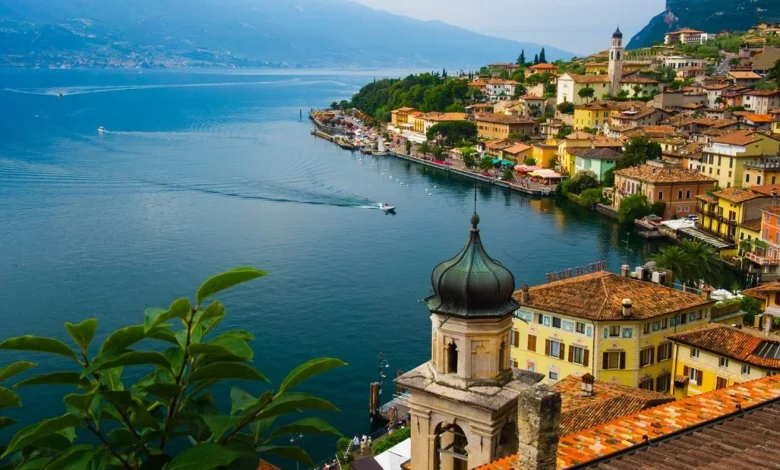
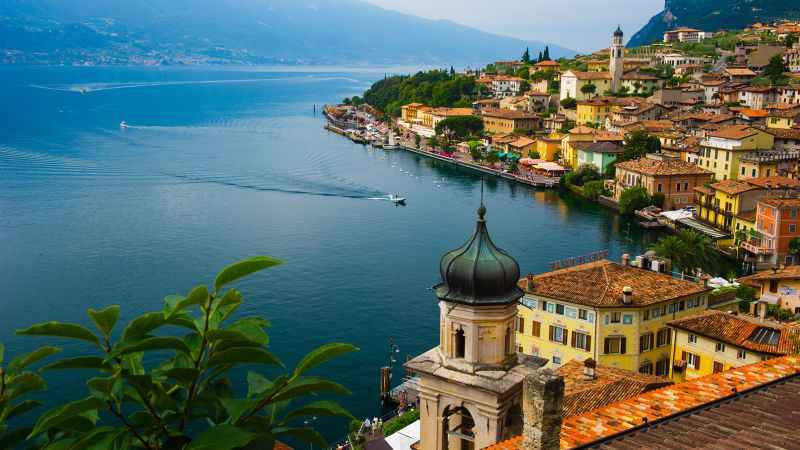
Nestled on the precipitous western shores of Italy’s Lake Garda, the village of Limone sul Garda presents a geographical and biological anomaly. With a population of barely 1,000, this picturesque commune in the Lombardy region is framed by dramatic limestone cliffs and lush terraced lemon groves. While its Mediterranean-like microclimate—an unexpected warmth at the very foot of the Alps—has long made it a tourist destination, the village has recently captured the attention of the global medical community for a far more profound reason: the "Limone gene."
A select group of approximately 60 residents carries a unique genetic mutation that appears to provide a near-total biological shield against cardiovascular disease. This phenomenon, which has been under rigorous scientific study for over four decades, has offered researchers a rare, naturally occurring window into how human biology might be engineered to defeat atherosclerosis, the leading cause of death worldwide.
The Origins of the A-1 Milano Protein
The story of the Limone gene began not in a laboratory, but in a hospital emergency room in Milan during the early 1980s. A local train driver from Limone, who had been involved in a serious accident, was admitted for treatment. When doctors performed routine blood work, they were struck by an unprecedented set of results: the patient’s HDL (high-density lipoprotein) cholesterol levels were dangerously low—often falling within a 7-15 mg/dL range, far below the standard medical threshold of 40-60 mg/dL.
Under normal clinical conditions, such low levels of "good" cholesterol would signal a high risk for arterial plaque buildup, stroke, and myocardial infarction. However, the patient showed zero signs of vascular damage. Intrigued by this paradox, a team led by Professor Cesare Sirtori, a clinical pharmacologist at the Università degli Studi di Milano, conducted an extensive investigation. They identified a specific protein mutation, which they named "A-1 Milano." This protein acts as a hyper-efficient lipid-scavenging agent, breaking down fats in the bloodstream with such efficacy that the cholesterol never has the chance to oxidize or adhere to arterial walls.
A Four-Decade Scientific Study
Since the identification of the A-1 Milano mutation, the villagers of Limone have participated in one of the longest-running genetic studies of its kind. Of the roughly 500 residents who are native to the area, about 60 are confirmed carriers of the gene. These individuals, including prominent local families like the Segalas, have become the subjects of periodic clinical observation.
For decades, these volunteers have provided blood samples and underwent intensive testing to help scientists understand the protein’s mechanism. In the 1990s and early 2000s, this research reached a milestone when Professor Sirtori’s team successfully synthesized the A-1 Milano protein in a laboratory setting. When administered to animal models, specifically rabbits with induced atherosclerosis, the protein resulted in a dramatic and rapid regression of arterial plaques. These results were published in leading cardiovascular journals, sparking excitement about the potential for a "gene-inspired" drug that could mimic the effects of the mutation in the general population.
The Daily Life of a Biological Anomaly
Despite the scientific gravity of their condition, the residents of Limone do not view themselves as clinical specimens. For those who carry the gene, it is an inherited trait that has simply become a part of their identity. Gianni Segala, a local shopkeeper and a carrier, often jokes about the decades spent as a "human laboratory." He notes that his 96-year-old mother, who also carries the gene, remains in remarkable health, as do his children.
"Since the 1980s, we have been giving our blood for recurring tests; we’ve almost been bled out entirely," Segala remarked, reflecting on the commitment required of his family. He recalls the early days of the study, where researchers would monitor how his body processed high-fat, high-sugar diets. Even after consuming excessive amounts of cream-filled pastries and fatty meats, his blood markers remained undisturbed. The protein effectively cleared the lipids before they could cause any physiological harm.
However, carriers are quick to clarify that the gene is not a license for recklessness. Giuliano Segala, Gianni’s son, describes the gene as a form of "life insurance." While he enjoys a diet rich in traditional Italian fare—including cured meats, fried veal cutlets, and local wines—he maintains an active lifestyle, hiking the rugged Alpine trails that surround the lake. For him, the mutation provides peace of mind against the hereditary heart conditions that plague many modern societies, but it does not replace the necessity of a balanced, active life.

Environmental Factors and Historical Context
While the medical focus remains on the genetic mutation, some local historians and community members believe that the unique environmental conditions of Limone have contributed to the health of the population for centuries. Antonio Girardi, a local hotelier who has meticulously mapped the family trees of the gene carriers back to the 18th century, points to the "extraordinary micro-climate" of the village.
The vertical limestone cliffs surrounding Limone serve as a natural thermal buffer. By shielding the village from harsh northern winds and trapping solar heat, the mountains maintain a mild temperature year-round, allowing citrus trees to flourish at a latitude where they would otherwise perish. Residents suggest that this environment—combined with a Mediterranean diet heavy in local extra-virgin olive oil and fresh lake fish—may have created an ideal evolutionary pressure cooker that allowed the A-1 Milano mutation to survive and proliferate through generations of small, relatively isolated, intermarrying families.
Broader Implications for Cardiovascular Medicine
The implications of the Limone research extend far beyond the small village of 1,000 people. Cardiovascular disease remains the leading cause of death globally, with millions of people struggling to manage high cholesterol through statins and lifestyle changes. The A-1 Milano protein offers a "holy grail" for pharmacological research: a way to not just lower cholesterol, but to actively clear it from the arterial walls.
The challenge, however, lies in replicating the complexity of human genetics. While synthetic versions of the protein have shown promise in laboratories, the path from a naturally occurring genetic mutation to a mass-marketed therapeutic drug is fraught with regulatory and biological hurdles. The rarity of the gene also limits the scope of study; Sirtori and his team are still investigating the long-term effects of the gene when passed through both parents, as the mutation currently appears to function as a dominant trait passed down by one side of the family.
Looking Toward the Future
Today, Limone sul Garda remains a tranquil, thriving tourist destination, its cobblestone alleys and white dwellings attracting visitors from across the globe. The villagers continue to go about their lives, managing the demands of the modern tourism economy while acting as silent guardians of a genetic secret.

For the scientific community, the village serves as a reminder that the answers to some of the most complex questions in medicine may be hidden in the most unexpected places. As Professor Sirtori continues his work, the focus remains on decoding how the Limone gene manages to bypass the traditional rules of human physiology. Whether or not it leads to a universal cure for heart disease, the legacy of Limone has already fundamentally shifted the understanding of what is possible in the field of lipidology.
For the Segala family and their fellow carriers, the "Limone gene" is a quiet source of pride—a link between their ancestors’ simple, isolated lives and the cutting-edge future of global medicine. It is a story of resilience, not just of the heart, but of the very DNA that defines it.