Former United Airlines CEO Oscar Munoz outlines the leadership blueprint required for an American Airlines turnaround

The trajectory of American Airlines remains a subject of intense industry scrutiny as the carrier navigates a pivotal transition phase. While the airline has begun executing a long-term strategy aimed at reclaiming its premium market position, former United Airlines CEO Oscar Munoz recently provided a high-level assessment of the specific leadership qualities necessary to cement these changes. Speaking on the September 30 episode of the industry-focused podcast Airlines Confidential, Munoz emphasized that for American Airlines to successfully pivot, the solution lies not merely in cabin refurbishments or hardware upgrades, but in a fundamental shift in cultural leadership and employee engagement.
The Munoz Doctrine: Operational Credibility and Human Connection
Oscar Munoz, who is widely credited with stabilizing United Airlines during a tumultuous period of his own tenure, served as a guest co-host alongside Scott McCartney. During the discussion, Munoz drew a direct parallel between the challenges facing American Airlines and the successful leadership style exemplified by Alaska Airlines CEO Ben Minicucci.
According to Munoz, the "turnaround profile" for a major legacy carrier requires a specific intersection of attributes. "Airlines aren’t just airplanes and schedules; they’re people serving people," Munoz stated. He identified four pillars essential for current airline leadership: operational credibility, strategic intelligence, humility, and the ability to foster a genuine connection with the workforce. Munoz argued that while technical metrics are necessary, long-term success is dictated by an obsessive focus on "relevance"—the ability to make customers choose an airline repeatedly through a consistent, high-quality experience.
American Airlines: A Chronology of Strategic Shifts
For the past 18 months, American Airlines has been engaged in a concerted effort to overhaul its brand identity. This shift follows a period where the airline faced criticism for inconsistent service standards and a perceived lack of a premium-focused vision.

The timeline of this transition began in earnest following post-pandemic restructuring, with the airline announcing significant capital investments in its physical assets. Recent highlights include:
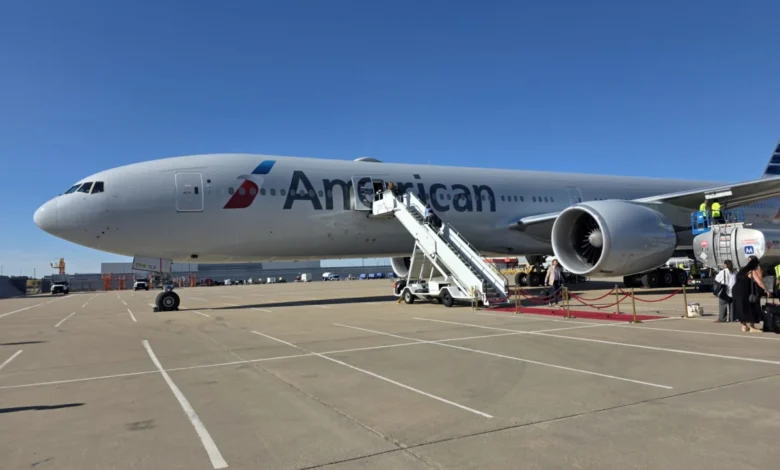
- 2024-2025: Initial rollout of modernized premium cabins, including the introduction of new business-class suites on long-haul aircraft such as the Boeing 777-300ER.
- Mid-2025: Increased focus on the "premium identity" of the brand, with executive leadership emphasizing a pivot toward high-value travelers who have historically migrated to competitors.
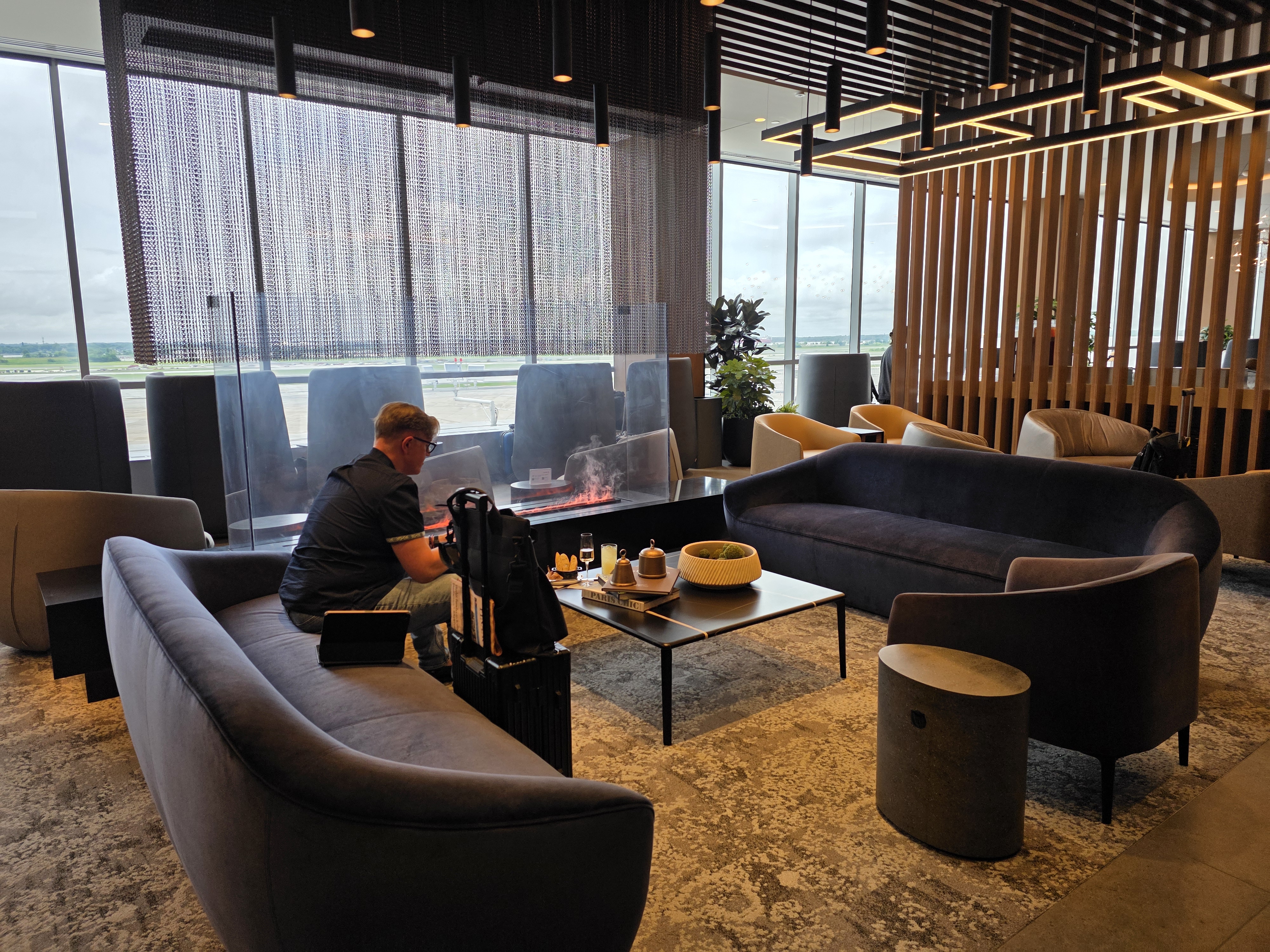
- Late 2025: Continued investment in airport infrastructure, including lounge renovations, although these projects remain multi-year endeavors.
- 2026 Outlook: Scheduled implementation of inflight connectivity upgrades, including Starlink, to modernize the passenger digital experience.
Despite these physical improvements, the "human element" remains the most significant variable. The airline’s executive team, led by CEO Robert Isom, has been working to convince both the investor community and the flying public that these investments will yield sustainable returns.
The Financial Imperative and Market Realities
American Airlines currently operates as a high-cost carrier, a reality that necessitates a robust premium revenue stream to maintain profitability. Industry analysts note that for years, the airline’s strategy was skewed toward cost-containment, which often resulted in a hollowed-out product offering. Munoz warned against this approach, noting that rebuilding market share by simply chasing volume is a flawed strategy that rarely results in long-term viability.
"You don’t rebuild market share by chasing market share," Munoz remarked during the broadcast. "You have to build relevance."
The financial pressure on American is significant. With razor-thin margins and substantial debt obligations, the airline must balance the immediate need for capital expenditure with the necessity of operational excellence. Data from the industry suggests that the "premium" segment is the primary driver of growth in the post-pandemic era. By prioritizing business-class amenities and consistent service, American is attempting to capture a larger share of the lucrative corporate and high-net-worth leisure traveler markets.

Leadership Accountability and the Employee Factor
A recurring theme in the discourse surrounding American’s turnaround is the role of the frontline workforce. Munoz’s assessment highlights a critical truth in aviation management: an airline’s product is only as good as the employees who deliver it.
Effective leadership, according to the Munoz framework, requires more than just top-down communication. It requires:
- Mission Alignment: Employees must understand how their specific roles contribute to the broader success of the company.
- Tool Empowerment: Staff must be equipped with the resources and autonomy to solve customer issues on the spot.
- Performance Accountability: A culture that rewards excellence while addressing performance gaps is essential to maintaining morale.
The reference to Alaska Airlines’ Ben Minicucci serves as a comparative benchmark. Alaska has historically been viewed as a high-service, operator-focused airline with a strong internal culture. By pointing to Minicucci, Munoz is suggesting that American Airlines’ leadership must move away from purely financial engineering and toward a model of "operational stewardship."
Broader Industry Implications
The implications of this transition extend beyond American Airlines. The entire legacy sector is currently grappling with the difficulty of scaling service levels while managing complex labor agreements and aging fleet infrastructures. If American succeeds in its current strategy, it could provide a roadmap for other carriers struggling to define their identity in a commoditized market.
Conversely, if the airline fails to secure buy-in from its workforce or if the product improvements are perceived as merely superficial, the risk of stagnation remains high. The current leadership team, including Chief Commercial Officer Nat Pieper and Chief Customer Officer Heather Garboden, has signaled an intent to address these concerns by focusing on the "passenger frustration" metrics—identifying specific pain points in the travel journey and systematically eliminating them.
Analysis of the Path Forward
The path to a successful turnaround for American Airlines is multi-faceted. It requires:
- Consistency: The product experience must be uniform across the fleet, which remains a challenge given the age and variety of aircraft currently in operation.
- Execution: The long-term infrastructure projects, such as the promised lounge expansions and cabin overhauls, must meet their projected timelines without further delays.
- Culture: Perhaps most importantly, the leadership must bridge the gap between management’s strategic vision and the day-to-day realities of flight crews, gate agents, and maintenance teams.
Oscar Munoz’s commentary acts as both a critique and a guideline. By emphasizing "humility" and "strategic intelligence," he suggests that the era of the "corporate airline CEO" is evolving into an era of the "operator-leader." For American Airlines, the next 12 to 24 months will be a defining period. With the economy showing signs of volatility, the window to prove that the current premium-focused strategy is yielding results is narrowing.
The airline’s ability to turn its current investments into a cohesive, recognizable brand experience will ultimately dictate whether it can sustain its high-cost structure. As the aviation industry moves toward a more competitive future, the difference between success and failure will likely be found in the subtle, consistent, and human-centric details that Munoz highlighted. Whether the current leadership team can fully implement this vision remains the defining question for American Airlines as it moves into the next phase of its corporate lifecycle.