The Evolution of Neural Chimera Research
For decades, the study of the human brain was limited by the inherent ethical and biological constraints of working with human subjects. Scientists relied on post-mortem analysis or, more recently, two-dimensional cell cultures that failed to capture the architectural complexity of the organ. The advent of induced pluripotent stem cell (iPSC) technology, which allows scientists to reprogram adult cells back into a stem-cell-like state, revolutionized the field.
In the mid-2010s, researchers began developing "brain organoids"—self-organizing, three-dimensional tissue cultures that mimic the structure of the developing fetal brain. While these organoids provided unprecedented insights into early development, they lacked the vascularization and systemic integration necessary to observe how neurons form functional circuits and interact with other bodily systems.
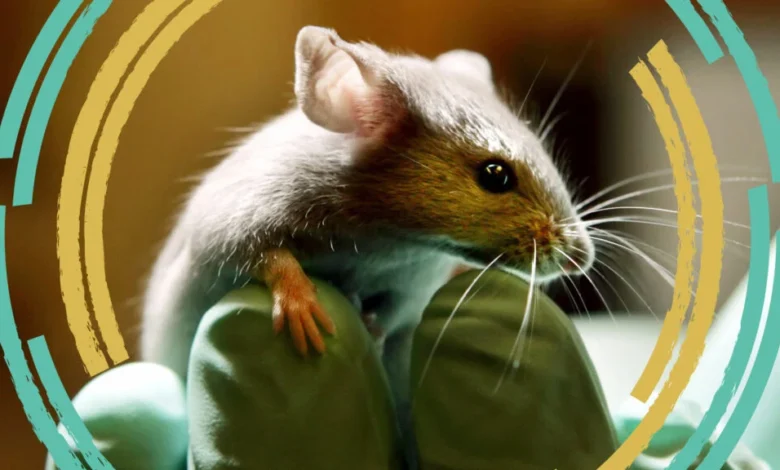
The recent study published in Nature by Pașca’s team represents the next logical, albeit technically daunting, step. By grafting these human organoids into the somatosensory cortex of newborn rats or mice, the team enabled the human cells to vascularize, grow, and integrate with the host animal’s neural circuitry. This allows researchers to observe how human neurons respond to sensory input in real-time, effectively bridging the gap between static petri-dish cultures and the complexity of a functioning nervous system.
A Chronology of Neuro-Chimeric Development
The timeline of this research reflects the rapid acceleration of biotechnology.
- 2006: Shinya Yamanaka discovers that adult cells can be reprogrammed into iPSCs, winning the Nobel Prize in 2012.
- 2013: The first human brain organoids are grown, providing a new way to model neurodevelopmental disorders.
- 2018: Research groups begin experimenting with transplanting human neural progenitor cells into mice to study cell migration and survival.
- 2023–2025: Refinements in immunosuppression techniques and surgical precision allow for longer-term survival of human grafts in rodent brains.
- 2026: The Stanford team reports the successful integration of human cortical organoids that not only survive but demonstrate functional connectivity with the host mouse brain.
Technical Breakthroughs and Supporting Data
The success of this experiment rests on several technical pillars. First, the use of neonatal hosts is critical; the developing rodent brain is highly plastic, allowing the human cells to integrate more seamlessly into the host’s neural architecture. Second, the researchers utilized advanced optogenetic techniques to stimulate the human neurons and confirm that they were actively participating in the mouse’s sensory processing.
Data from the study indicates that the human neurons within the mouse cortex reached a level of maturity that is rarely achieved in standard organoid cultures. By observing the chimeric mice, the team was able to record "spikes" in activity that correlated with physical stimuli—such as whiskers being touched—demonstrating that the human cells were receiving and processing information from the mouse’s environment. This suggests that the human tissue is not merely "occupying" space, but is participating in the cognitive architecture of the host.
Ethical Considerations and Scientific Oversight
The creation of human-mouse chimeras inevitably invites intense scrutiny from the scientific and bioethical communities. Questions regarding the "humanization" of animal subjects are at the forefront of the debate. If human brain cells are integrated into a rodent, does the animal acquire cognitive abilities that transcend its biological constraints?

"The ethical framework for this type of research is currently being stress-tested," notes Dr. Elena Rossi, a bioethicist not involved in the study. "While these mice do not exhibit human-like behavior, the potential for future experiments to increase the complexity of these grafts necessitates a robust, transparent, and international regulatory oversight mechanism."
The International Society for Stem Cell Research (ISSCR) has updated its guidelines in recent years to address such chimeric models. The primary concern is preventing the development of human-like consciousness or cognitive capacities in laboratory animals. Currently, the grafts occupy only a small fraction of the rodent brain, and the behavioral testing performed thus far has not shown any evidence of altered memory, complex problem-solving, or human-like behavior. The mice remain, in all measurable ways, mice.
Implications for Regenerative Medicine and Disease Modeling
The broader impact of this research lies in its potential to unlock treatments for intractable neurological conditions. Many human psychiatric and neurodevelopmental disorders—such as autism, schizophrenia, and bipolar disorder—are polygenic and complex, making them notoriously difficult to model in simple animals.
Because the chimeric mice possess a human cortex, they offer a unique "living lab" to test therapeutic interventions. If a drug can be shown to influence the activity of human neurons in this environment, it holds a much higher probability of success in human clinical trials. Furthermore, this research allows scientists to study the cellular basis of neurodegeneration in conditions like Alzheimer’s or Parkinson’s disease within a systemic, physiological context.
Future Trajectories
The path forward for chimeric research is defined by both enthusiasm and caution. As technology advances, researchers may seek to incorporate more complex human brain structures, perhaps moving from the cortex to the hippocampus or the midbrain. Each incremental step, however, will require rigorous ethical review.
The Stanford study is not merely a biological curiosity; it is a fundamental shift in how we approach neuroscience. By acknowledging the limits of previous models, researchers have moved into a new era of biological exploration. As we continue to refine these models, the focus will remain on balancing the pursuit of life-saving medical knowledge with the profound responsibility of manipulating the building blocks of human identity.
In the immediate term, the scientific community expects further studies to validate these findings and to explore the limits of how much "human" tissue a rodent brain can support without compromising the health or integrity of the host. The "wow" and "whoa" factors, as described by those in the field, underscore the gravity of this work. We are not yet in the realm of Flowers for Algernon, but we are undeniably closer to understanding the biological mechanics of the human mind than ever before in history. The synthesis of human cellular architecture and animal physiology is no longer a theoretical exercise; it is a tangible, evolving reality that will define the next decade of neurological research.