Cup of Jo: A Case Study in the Evolution of Digital Lifestyle Media and Sustainable Content Monetization

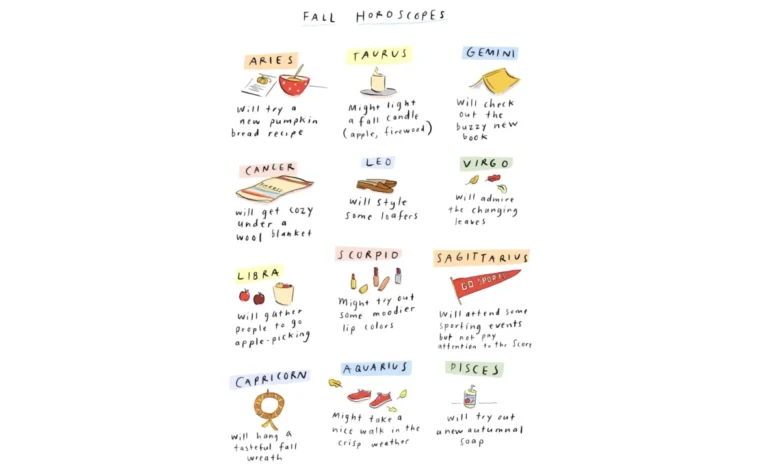
The landscape of digital publishing has undergone a radical transformation since the mid-2000s, shifting from the nascent era of personal blogging to a sophisticated, multi-faceted ecosystem of lifestyle media. Central to this evolution is Cup of Jo, a platform founded by Joanna Goddard in 2007, which has managed to maintain longevity in an industry notoriously defined by high turnover and platform volatility. As the digital media sector grapples with the decline of traditional advertising models, Cup of Jo provides a significant case study on the efficacy of community-driven content combined with transparent, diversified revenue streams.
The Genesis and Growth of a Digital Brand
Founded in 2007, Cup of Jo emerged during a pivotal moment in internet history. At the time, blogging was transitioning from a niche hobbyist activity into a viable commercial enterprise. Joanna Goddard, a former editor at magazines like Glamour and New York magazine, leveraged her editorial background to curate a space that prioritized authenticity—a commodity that has since become the gold standard in modern content strategy.
By positioning the site as a daily lifestyle destination for women, the platform addressed a broad spectrum of interests, including fashion, interior design, cultural commentary, and the complexities of modern parenthood. The site’s editorial philosophy, famously underscored by the quote from Elizabeth Strout’s Olive Kitteridge—"There’s no such thing as a simple life"—reflects a strategic commitment to nuance. This focus on the "messy, beautiful reality" of life helped the platform secure a loyal, highly engaged readership that distinguishes it from more clinical or purely trend-focused lifestyle outlets.
Chronology of Platform Development
The trajectory of Cup of Jo serves as a mirror to the broader digital publishing industry:
- 2007: Launch of the blog as a personal project, focusing on life in New York City.
- 2010–2012: Expansion of content verticals to include broader lifestyle categories and the introduction of a more structured editorial calendar.
- 2015–2018: Professionalization of the business model. This period saw the formalization of affiliate partnerships and the implementation of clearly defined sponsored content guidelines, aligning with increasing Federal Trade Commission (FTC) scrutiny regarding disclosure.
- 2020–2022: A strategic pivot toward community-building during the COVID-19 pandemic, where the comments section became a primary value proposition for readers seeking connection amidst global isolation.
- 2023–Present: Refinement of the business model to focus on sustainability, emphasizing the "small business" ethos while navigating the complexities of AI-generated content and platform algorithm shifts.
Economic Sustainability and Revenue Transparency
The financial survival of independent digital publications is a perennial challenge. According to industry reports from the Pew Research Center and the Digital Content Next organization, small to mid-sized publishers have increasingly moved away from reliance on programmatic display advertising—which often results in a poor user experience and low revenue per mille (RPM)—in favor of direct partnerships and affiliate marketing.
Cup of Jo utilizes a hybrid revenue model that prioritizes the trust of its audience. The site’s disclosure policy is explicit: revenue is generated through a mix of sponsored posts and affiliate commissions. In the digital marketing ecosystem, affiliate links act as a performance-based mechanism where the publisher receives a commission when a reader purchases a product via a tracked link. This model is contingent upon reader trust; if the editorial integrity of the site were to be perceived as compromised by the influence of retailers, the value of the platform would diminish.
Data suggests that "trust-based commerce" is currently the most resilient model for lifestyle publishers. A 2023 study by the Reuters Institute for the Study of Journalism noted that audiences are increasingly willing to support creators and outlets that provide transparent disclosures. By framing its monetization as a means to "support the site and engage with this community," Cup of Jo aligns its commercial interests with the user’s desire for a sustainable, ad-light experience.
The Role of Community Engagement
One of the defining features of Cup of Jo, and a key factor in its sustained traffic, is its active comment section. While many mainstream media outlets shuttered their comments sections between 2015 and 2020 due to moderation costs and toxicity, Cup of Jo invested in the cultivation of a respectful, engaged community.
This decision has significant implications for SEO (Search Engine Optimization) and retention. User-generated content within the comments section increases the "dwell time" on a page, a metric search engines like Google use to determine the quality and relevance of a site. Furthermore, the community aspect transforms a static publication into a dynamic forum, which fosters a sense of ownership among the readership. For a lifestyle brand, this is an intangible asset that acts as a hedge against the unpredictability of social media algorithms.
Industry Implications and Market Analysis
The success of the Cup of Jo model offers several lessons for the future of digital media:
- Editorial Integrity as a Business Asset: The refusal to compromise editorial voice for short-term gains has allowed the site to retain a loyal audience for nearly two decades. In a market saturated with generic content, the "human-first" approach remains a key differentiator.
- Transparency as a Competitive Advantage: By being open about how the business makes money, the brand mitigates the skepticism often directed at lifestyle influencers. This clarity strengthens the contract between the reader and the publisher.
- Scalability vs. Sustainability: Many digital media companies during the 2010s attempted to scale rapidly through venture capital investment, often leading to mass layoffs or closures when profitability was not achieved. Cup of Jo’s growth as a "small business" suggests that a more measured, bottom-up approach to scaling can provide better long-term stability.
Expert Perspectives on Digital Lifestyle Media
Industry analysts often point to the "creator economy" as the natural successor to the traditional media outlet. Joanna Goddard’s transition from magazine editor to independent publisher mirrors the broader migration of talent from legacy media to self-owned platforms. This shift is characterized by a desire for greater creative control and a more direct relationship with the audience.
However, the model is not without its risks. The reliance on affiliate revenue ties the publisher’s fortunes to the broader retail economy. Economic downturns, which typically lead to a reduction in consumer discretionary spending, can directly impact the earnings of such platforms. Moreover, the reliance on a single primary platform (the blog) requires constant innovation to ensure that the content remains discoverable amidst the noise of social media and search engine results pages (SERPs).
Looking Toward the Future
As Cup of Jo enters its second decade, the challenges facing the site are reflective of the industry at large: the integration of artificial intelligence, the shifting privacy landscape (the deprecation of third-party cookies), and the need for ongoing innovation in content delivery.
The copyright statement spanning "2007–2026" signifies a commitment to the long-term viability of the brand. In an era where digital content is often treated as ephemeral, the preservation and organization of nearly 20 years of archives provide a depth of content that newer platforms struggle to replicate.
Ultimately, the platform’s survival is a testament to the fact that, even in an increasingly automated and high-velocity information environment, there remains a persistent demand for curated, human-centric storytelling. By adhering to a philosophy that acknowledges the "non-simple" nature of modern life, Cup of Jo has successfully navigated the turbulent waters of the digital age, establishing a blueprint for how independent publishers can thrive by fostering genuine connection while maintaining professional editorial standards.
The broader implications for the media industry are clear: the future of publishing may not lie in the mass-scale, click-driven models that dominated the early 2010s, but in the creation of sustainable, community-oriented ecosystems that prioritize trust and transparency. As the industry continues to evolve, the endurance of platforms like Cup of Jo will continue to serve as a vital benchmark for digital excellence and operational longevity.