In an abrupt development that underscores the deepening instability across the Gulf region, Saudi authorities announced on Sunday that all schools in Riyadh will transition to remote learning for the coming week. The directive, communicated to parents via email on Sunday morning, follows a period of intense military volatility, including near-daily strikes attributed to Iran-backed Houthi fighters operating out of Yemen. While no formal security justification was provided by the Saudi Ministry of Education, the move aligns with a broader atmosphere of caution as the Kingdom faces sustained pressure from Houthi ballistic missile and drone attacks.
This educational pivot is the latest in a string of disruptions triggered by the ongoing conflict between the United States, its regional allies, and Iran. The current geopolitical crisis, which has seen energy markets fluctuate and major maritime corridors threatened, has reached a critical impasse despite intensive diplomatic efforts on the sidelines of the United Nations General Assembly in New York.
A Diplomatic Deadlock at the United Nations
The struggle to stabilize the Middle East has centered on the strategic Strait of Hormuz, a vital artery for global energy transit. President Donald Trump officially rejected a high-stakes proposal from Tehran this weekend that sought to reopen the waterway in exchange for a broad regional ceasefire and the release of frozen Iranian assets. Iranian Foreign Minister Abbas Araghchi had suggested a seven-day timeline for the restoration of maritime traffic, contingent on the cessation of hostilities in theaters including Lebanon and the removal of the U.S. naval blockade on Iranian ports.
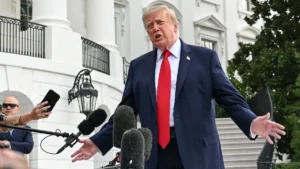
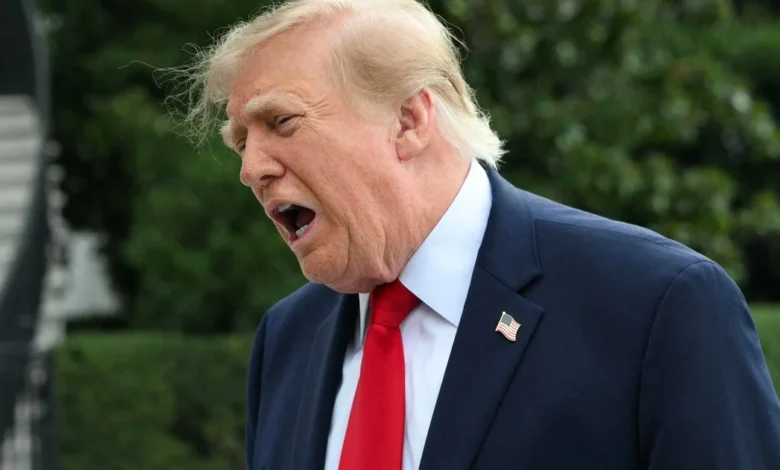
The rejection of this offer signals a hardening of the U.S. stance. President Trump stated firmly on Saturday that the proposal was insufficient, asserting that the U.S. currently maintains "total control" over the Strait. According to U.S. Central Command, nearly 30 vessels were successfully escorted through the strait under military supervision on Friday night alone. For the White House, the focus remains on "Operation Economic Outcast," a strategy spearheaded by Treasury Secretary Scott Bessent aimed at the systemic isolation of the Iranian economy.
The Economic and Military Landscape
The conflict, which intensified significantly in February 2026, has fundamentally altered the regional security architecture. The U.S. Treasury’s aggressive secondary sanctions have targeted Iranian aviation and banking sectors, pressuring regional players like Turkey, Oman, and the United Arab Emirates to restrict Iranian carrier access. These measures have caused immediate logistical fallout; for instance, Iraq has suspended all Iranian airline flights, creating significant disruptions for religious pilgrims and students who rely on the air bridge between Najaf and Iranian cities.
Simultaneously, the situation on the ground in Yemen has deteriorated. The Houthi militia has expanded its campaign, effectively closing the Bab el-Mandeb Strait—the southern exit to the Red Sea—to Saudi-flagged tankers. This move, combined with attacks on inland energy infrastructure, has kept global oil prices elevated. Brent crude hovered near $104 per barrel at the close of last week, a figure that continues to weigh on the global economy and exacerbate inflationary pressures.
Chronology of Escalation: 2026
The current crisis did not emerge in a vacuum. A timeline of the 2026 conflict highlights the rapid erosion of regional stability:
- February 2026: The onset of the Iran-U.S. conflict begins with an exchange of strikes that leads to the death of Supreme Leader Ali Khamenei and a subsequent surge in regional combat.
- June 2026: A short-lived ceasefire attempt, known as the Islamabad Memorandum, is signed but quickly collapses due to disagreements over maritime traffic management.
- July 2026: Renewed hostilities break a long-standing truce in Yemen, as Houthi forces seize control of the Red Sea coast, leading to a blockade of Saudi energy exports.
- September 2026 (General Assembly Week): Diplomatic efforts intensify in New York, with U.S. envoys Jared Kushner and Steve Witkoff holding talks with Iranian counterparts. These talks move to a technical level by late September but fail to produce a breakthrough.
- September 25-27, 2026: Israel conducts strikes on Hezbollah facilities in Lebanon, while Houthi drones target the Riyadh area, leading to the closure of schools in the Saudi capital.
The Humanitarian and Security Toll
Beyond the boardroom and the battlefield, the human cost is mounting. In Yemen, the poorest nation in the Arab world, the combination of civil war and regional escalation has pushed the health system to the brink. Hospitals in cities like Aden are overwhelmed, turning away patients to prioritize the war-wounded. Displacement figures have surpassed 130,000, with humanitarian organizations warning of an imminent collapse of basic infrastructure.
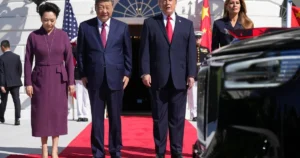
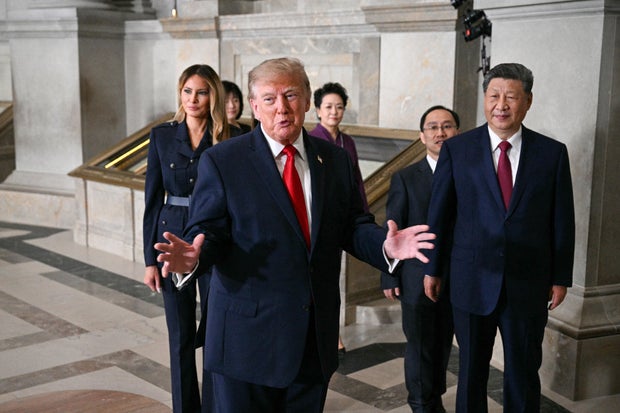
Furthermore, the conflict has drawn in disparate global powers. While Russia has expressed a vague readiness to assist in stabilizing the Strait of Hormuz, its deep ties with Tehran—including drone-sharing agreements—complicate its role as a potential mediator. Meanwhile, China has faced intense pressure from Washington to cease indirect support for Iran. During a recent state visit, President Trump reportedly warned President Xi Jinping that providing intelligence or military equipment to Iran is "totally unacceptable." China’s response, voiced by Vice President Han Zheng at the U.N., emphasized the need for respect for regional sovereignty, highlighting a growing rift between the two superpowers regarding their approach to Middle Eastern security.
Regional Reactions and the "Red Line"
The intensity of the conflict has forced other regional powers to reconsider their defense postures. Pakistan, which maintains a defense agreement with Saudi Arabia and Turkey, has declared that any further attacks on the holy city of Mecca represent an absolute "red line." This rhetoric underscores the heightened anxiety in Riyadh, where the government has called for a general mobilization to counter Houthi incursions.
The diplomatic community remains divided. During the U.N. General Assembly, a significant number of delegates walked out during Israeli Prime Minister Benjamin Netanyahu’s address, reflecting the international community’s growing unease with the scale of the ongoing military operations. Iran’s U.N. representative, Nasser Asadi, harshly criticized the assembly for granting Netanyahu the floor, citing the ongoing war crimes investigations against him.
Implications for the Global Economy
The "price crisis" warned of by the European Union’s energy chief, Dan Jorgensen, is a direct consequence of the volatility in the Gulf. With energy supplies constrained and shipping routes in the Strait of Hormuz and the Red Sea under constant threat, the global economy faces a period of sustained uncertainty. The U.S. Federal Reserve and other central banks are closely monitoring inflation data, as high fuel costs permeate every sector of the supply chain.
The transition to remote learning in Riyadh, while a domestic administrative decision, serves as a poignant indicator of the "new normal" in the region. It reflects a society adapting to the constant threat of aerial bombardment and the breakdown of traditional security guarantees.
Outlook and Future Trajectory
As of late September 2026, the prospect of a breakthrough appears dim. President Trump’s rejection of the seven-day proposal and his administration’s insistence on "total control" suggest that the U.S. is prepared for a protracted conflict. Iran, despite its diplomatic overtures in New York, maintains its defiance, warning that the regional flight ecosystem will remain compromised as long as its own aviation sector is throttled by sanctions.
The coming weeks will likely be defined by a delicate balance of economic warfare and limited military engagement. Whether the current back-channel negotiations, mediated by Qatar, can eventually yield a framework that satisfies both the U.S. demand for security and Iran’s demand for economic relief remains the most significant question in international diplomacy. For the citizens of Riyadh, however, the immediate reality is one of caution and adaptation, as the classroom gives way to the screen amidst an uncertain and volatile horizon.