Tesla Secures Landmark Semi Truck Order Amidst Global Energy Volatility and Shifting Regulatory Landscapes

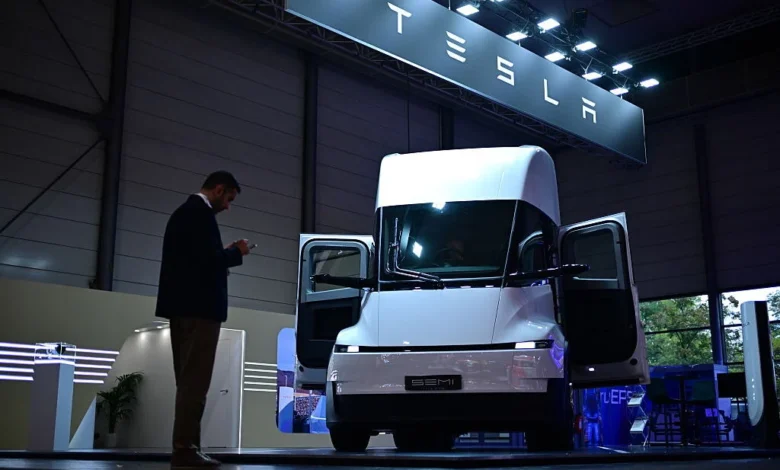
The transportation and logistics sector is currently undergoing a period of profound transformation, characterized by the intersection of geopolitical instability, shifting federal environmental mandates, and a rapid acceleration toward electrification. This week, a powerful consortium of corporate shippers, including technology giant Microsoft and consumer goods leader PepsiCo, finalized a historic procurement agreement for 2,500 Tesla Semi electric trucks. This order, scheduled for delivery over the next 18 months, represents a significant inflection point for the heavy-duty trucking industry, effectively doubling the current population of heavy-duty electric trucks (HDETs) operating on United States roadways.
The Paradox of Regulatory Support and Market Demand
The procurement arrives at a moment of stark contrast between federal policy and private sector adoption. The current administration, bolstered by political contributions from industry leaders including Elon Musk, enacted significant legislative changes last year that rescinded billions of dollars in federal subsidies previously earmarked for the electric vehicle (EV) sector. Simultaneously, the administration has moved to soften fuel economy standards for heavy-duty truck engines. Under previous, more aggressive climate targets, these vehicles were slated to transition toward cleaner emissions profiles. Given that heavy-duty trucks account for approximately 7 percent of total greenhouse gas emissions in the United States, the rollback of these standards has sparked intense debate regarding the nation’s ability to meet long-term climate goals.
Despite the reduction in federal support, market dynamics have shifted due to external economic pressures. The ongoing conflict in the Middle East, which has constrained oil production and created significant volatility in shipping lanes, has driven diesel prices to unprecedented highs. With diesel costs nearly doubling compared to the same period last year, the economic case for electrification has become increasingly compelling for fleet operators. As Elon Musk noted in a recent address, the total cost of ownership for electric semi-trucks is becoming significantly more favorable than their diesel-powered counterparts, primarily due to the disparate costs of electricity versus fossil fuels.
A Chronology of the Tesla Semi Development
The journey of the Tesla Semi from concept to mass deployment has been lengthy and marked by iterative design cycles. The vehicle was first unveiled in 2017, with promises of high-performance capabilities and the integration of advanced driver-assistance systems.
- November 2017: Tesla officially unveils the Semi prototype, boasting a 500-mile range and a promise of "Enhanced Autopilot" capabilities.
- 2018–2021: The project faces multiple production delays as Tesla focuses on scaling its passenger vehicle output and addressing supply chain constraints for battery cells.
- December 2022: The first production units are delivered to PepsiCo, marking the start of real-world operational testing.
- 2023: The administration and legislative bodies pass measures cutting federal EV incentives, creating a challenging fiscal environment for the wider EV manufacturing sector.
- Q1 2025: A record-setting consortium of shippers, led by Microsoft and PepsiCo, confirms the purchase of 2,500 units, signaling a transition from pilot programs to full-scale commercial integration.
Strategic Selection and Fleet Diversification
The selection of Tesla by the consortium was not made in a vacuum. According to Meena Bibra, a spokesperson for the nonprofit Smart Freight Centre, the decision-making process involved a rigorous assessment of four primary pillars: price, performance, production capability, and long-term service support. By pooling their collective demand, the shippers were able to leverage economies of scale, successfully negotiating lower per-unit prices that would be inaccessible to smaller individual fleet operators.
While Tesla has secured this significant order, the market remains competitive. Major legacy manufacturers, including Kenworth, Volvo, and startup entities like Ride, continue to vie for market share. These firms often have deep-rooted relationships with established logistics carriers who may prefer to maintain their existing service networks. As fleet operators evaluate their transition to electrification, the decision often hinges on whether a manufacturer can provide a comprehensive ecosystem—including charging infrastructure, maintenance, and fleet management software—that integrates seamlessly with existing logistics operations.
The Technological Horizon: Autonomy and Safety
A notable omission in the current rollout is the integration of Tesla’s Full Self-Driving (Supervised) software. While the feature has become a cornerstone of Tesla’s passenger vehicle branding, it has yet to be cleared for the Semi platform. Musk has indicated that the technology will arrive in the "very near future," though industry analysts remain cautious. The promise of advanced autonomy in the 2017 reveal has faced regulatory hurdles, and the application of such technology to an 80,000-pound Class 8 vehicle presents unique safety and liability challenges that differ significantly from those of a standard sedan.
The industry is currently monitoring the safety implications of driver-assistance features in large trucks, particularly concerning driver fatigue and the technical limitations of sensors in diverse weather conditions. Until the technology matures and regulatory frameworks catch up, the primary value proposition of the Tesla Semi remains its efficiency, lower fuel expenditures, and the corporate sustainability targets of its operators.
Broader Economic and Environmental Implications
The implications of this order extend well beyond the balance sheets of the companies involved. If these 2,500 trucks successfully integrate into the supply chain, the resulting data on battery performance, charging downtime, and operational efficiency will provide a blueprint for the electrification of the long-haul trucking industry.
From an environmental perspective, the shift is critical. Diesel-powered heavy-duty vehicles are a significant contributor to particulate matter and nitrogen oxide emissions, which have well-documented impacts on public health, particularly in urban areas and near major shipping corridors. The successful adoption of the Tesla Semi—and the broader shift toward zero-emission heavy-duty transport—could lead to a meaningful reduction in the carbon intensity of global supply chains.
However, the transition is not without risk. The infrastructure required to support thousands of electric semi-trucks requires a massive expansion of the electrical grid, specifically high-capacity, ultra-fast charging stations along major interstate corridors. While energy prices currently favor electric trucks over diesel, the long-term price stability of electricity will depend on the speed of grid modernization and the integration of renewable energy sources.
As the industry moves forward, the success of this record-breaking order will likely serve as a litmus test for the viability of heavy-duty electrification. With global energy markets remaining in a state of flux and environmental regulations continuing to be a focal point of domestic and international policy, the logistics sector is clearly hedging its bets on a future powered by electrons rather than hydrocarbons. Whether this transition remains driven by private sector necessity or supported by renewed government commitment remains the defining question for the automotive and energy industries as they head toward the next decade.