Scrutiny Over Sharia Law and Religious Affiliations Intensifies Around Abdul El-Sayed’s Michigan Senate Campaign

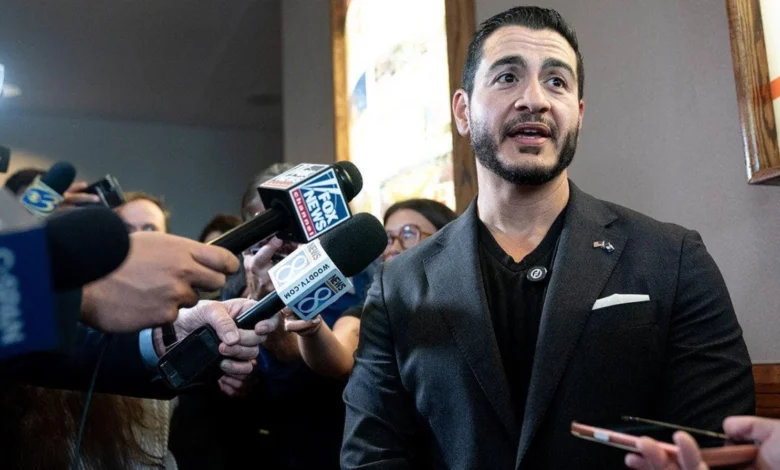
The political landscape in Michigan has increasingly become a focal point for national debates concerning the intersection of religious faith, public office, and governance. As the state moves through the 2026 election cycle, Democratic U.S. Senate nominee Abdul El-Sayed finds himself confronting renewed scrutiny regarding historical statements, past campus affiliations, and broader political anxiety among critics over the role of Islamic law in American politics. While El-Sayed and his campaign have consistently maintained a commitment to the constitutional separation of church and state, political opponents have seized upon past remarks and demographic shifts within Michigan to frame his candidacy as a challenge to traditional Western legal frameworks.
This ongoing debate highlights a complex convergence of identity politics, foreign policy concerns, and domestic anxieties over legal pluralism. To understand the current political friction surrounding El-Sayed’s Senate bid, it is necessary to examine the chronology of these controversies, the nature of the allegations made by his political adversaries, the official responses from his campaign, and the broader implications for Michigan’s diverse electorate.
Chronology and Origins of the Controversy
The friction surrounding El-Sayed’s religious background and political ambitions is not entirely new; it traces back several years through his career in Michigan politics. El-Sayed first gained widespread public attention during his tenure as the executive director of the Detroit Health Department, where he earned praise for his handling of the city’s public health challenges, and subsequently during his 2018 bid for the Democratic nomination for governor of Michigan.
During the 2018 gubernatorial primary campaign, El-Sayed faced intense questioning from political opponents regarding his Muslim faith and potential connections to international Islamic organizations. Most notably, during a 2018 gubernatorial forum, then-candidate Patrick Colbeck questioned El-Sayed about alleged ties to the Muslim Brotherhood. Colbeck’s line of questioning centered on El-Sayed’s past leadership role in the Muslim Students Association (MSA) during his undergraduate years at the University of Michigan, where he served as vice president of the campus chapter in 2007.
Colbeck and other critics cited internal documents—specifically a 1991 North American strategic memorandum authored by Muslim Brotherhood member Mohamad Akram—which listed the MSA alongside numerous other Islamic organizations operating in North America. Colbeck characterized these campus networks as part of a broader ideological effort to subvert Western institutions, describing the dynamic during the forum as an element of "civilization jihad."
The line of questioning prompted direct inquiries from forum moderators regarding whether Islamic religious law, or Sharia, posed a tangible threat to the legal framework of Michigan. In response, El-Sayed forcefully rejected the premise of the questions, expressing frustration that his faith was being weaponized to imply dual loyalties or subversive intent. He emphasized that, if elected, his primary duty would be to uphold the state and federal constitutions.
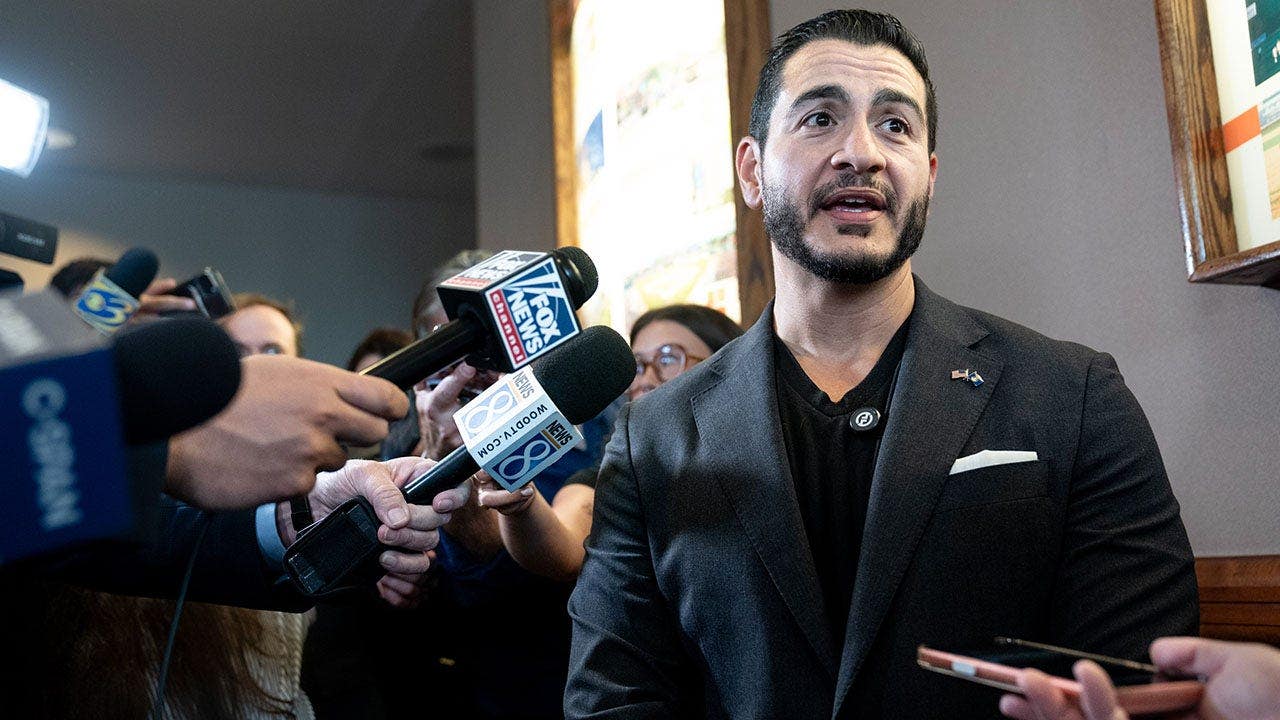
"I solemnly swear to uphold the Constitution of the United States and the Constitution of this state—that’s the oath that if any one of us is elected, we will swear," El-Sayed stated during the 2018 forum. "I take that oath particularly seriously because it guarantees me the right to pray as I choose to pray. Sharia law is not in question in this state."
Despite these denials, the questions raised in 2018 have persisted and evolved as El-Sayed launched his campaign for the United States Senate ahead of the 2026 election cycle. National figures and conservative commentators have revisited the 2018 exchange, arguing that El-Sayed’s past defensive rhetoric or purported ideological alignments signal a departure from traditional norms within the Democratic Party.
Contextualizing the Muslim Brotherhood and Sharia Law Debates
To fully grasp the arguments presented by critics of El-Sayed, it is helpful to examine the broader context surrounding the Muslim Brotherhood and the concept of Sharia law within contemporary American political discourse.
The Muslim Brotherhood, founded in Egypt in 1928, is an Islamist organization that seeks to implement Islamic principles in social, political, and legal spheres. While countries such as Egypt, Saudi Arabia, the United Arab Emirates, Bahrain, and Russia have designated the Muslim Brotherhood as a terrorist organization due to its historical association with political violence and militant activities, the United States government has not formally applied the same designation. Although the organization formally renounced violence in the 1970s in various operational theaters, its literature and leadership have consistently advocated for the codification of Islamic jurisprudence, or Sharia, in governance.
In American politics, concerns regarding Sharia law have frequently been raised by conservative lawmakers and activists who argue that certain foundational tenets of traditional Islamic law are fundamentally incompatible with the U.S. Constitution, particularly regarding protections for free speech, religious freedom, and gender equality. Proponents of this view, such as Texas Republican Representative Chip Roy, have warned of ongoing efforts to integrate religious legal systems into American civic life.
However, independent investigative reporting and national security analysts have consistently noted that sweeping accusations linking mainstream American Muslim political figures or student groups to the illicit activities of foreign extremist networks often lack substantiated evidence. While organizations like the MSA are referenced in historical strategic documents originating from external ideologues, mainstream academic and investigative bodies emphasize that the vast majority of members participate in cultural, religious, and student-advocacy activities without formal operational ties to foreign organizations. Investigative reviews by outlets such as Fox News Digital have found no direct evidence connecting El-Sayed to the Muslim Brotherhood or any operational effort to implement Sharia law.
Demographic Shifts and Local Tensions in Michigan
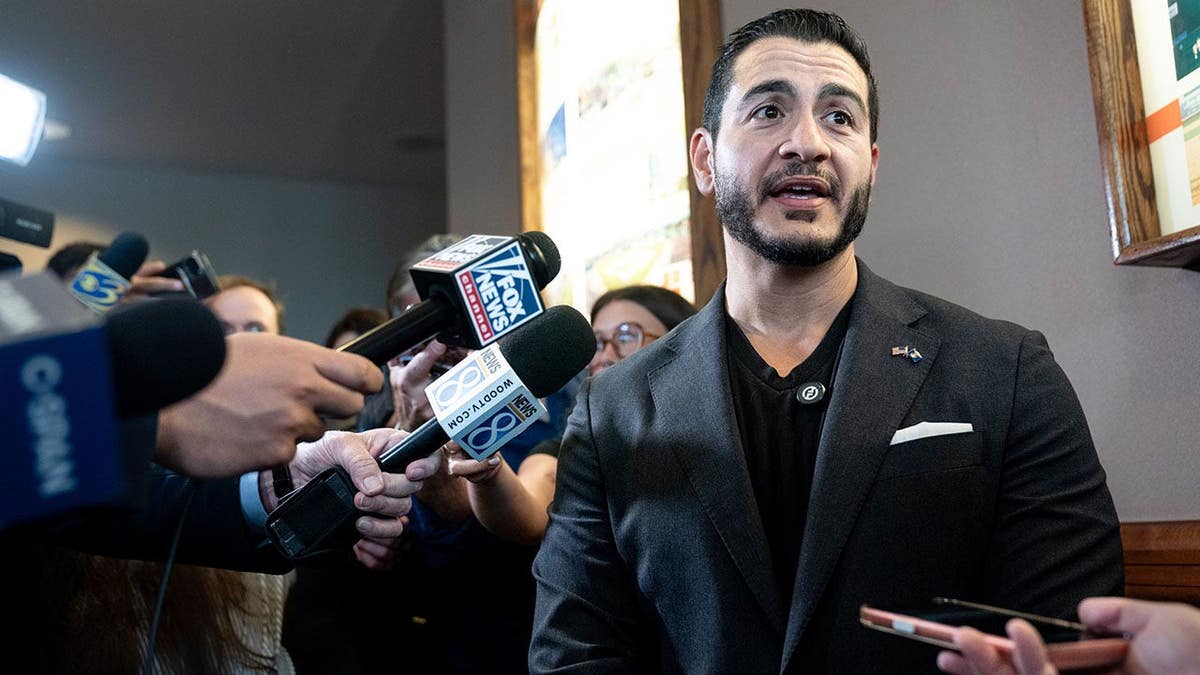
The debate surrounding El-Sayed’s candidacy also intersects with broader demographic and political transformations within the state of Michigan, particularly in municipalities with significant Arab and Muslim American populations.
Dearborn, Michigan, has frequently emerged as a flashpoint in national discussions regarding cultural integration and local governance. According to data from the 2020 U.S. Census, individuals reporting Middle Eastern or North African ancestry comprise approximately 54.5% of Dearborn’s population, making it one of the most prominent Arab-majority cities in the United States.
The rising political representation and civic engagement of Muslim Americans in municipalities like Dearborn have drawn mixed reactions. While supporters view this as a positive manifestation of democratic participation and pluralism, some critics and local religious leaders have expressed alarm over changing cultural and social dynamics. For instance, public commentary from local figures, such as Pastor Lorenzo Sewell of 180 Church during municipal proceedings, has occasionally reflected deep anxieties among some non-Muslim residents regarding the visible cultural footprint of the growing Muslim community, occasionally invoking concerns about the influence of religious codes on local civic life.
Political analysts note that these localized tensions frequently spill over into statewide and national political campaigns, providing fodder for candidates seeking to energize conservative electorates by framing demographic and cultural changes as an existential threat to traditional American norms.
Campaign Responses and Official Stances
As El-Sayed’s 2026 U.S. Senate campaign has gained momentum, his representatives have repeatedly pushed back against attempts by political opponents to characterize his platform or personal faith as a threat to constitutional governance.
A spokesperson for El-Sayed’s campaign addressed the ongoing controversy in statements provided to media outlets earlier this year, firmly reiterating the candidate’s dedication to secular governance and the separation of church and state.
"Abdul believes in the separation of church and state," the campaign spokesperson stated. "While he personally lives by the rules of his faith, as many Americans of various faiths do, Abdul opposes any effort by any religious community to write their faith laws into the laws of our country."
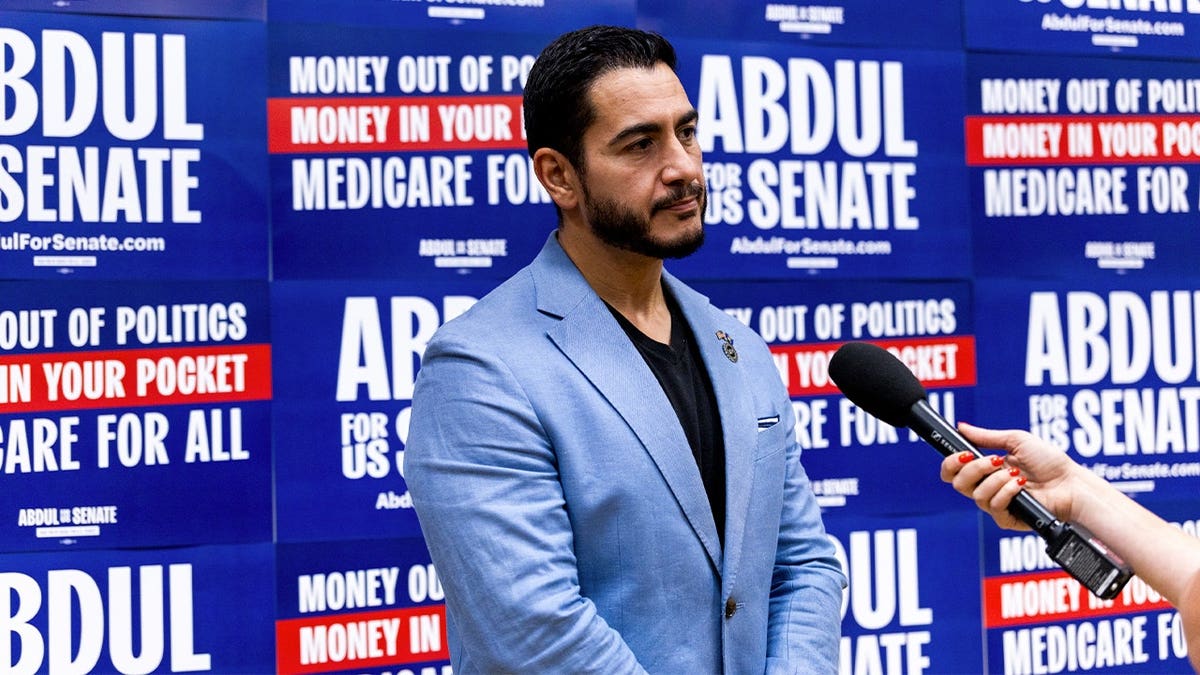
Furthermore, the campaign has emphasized that El-Sayed’s policy platform focuses on mainstream Democratic priorities, including healthcare access, economic opportunity, environmental protection, and public infrastructure, rather than any religious or ideological restructuring of government institutions. Throughout his career as a public health official and political candidate, El-Sayed has framed his public service through the lens of utilitarian public welfare and civic responsibility rather than sectarian ambition.
Broader Implications and Analytical Outlook
The controversy surrounding Abdul El-Sayed’s Senate campaign serves as a case study in the challenges faced by religious and ethnic minority candidates navigating the polarized environment of modern American politics.
On one hand, supporters argue that questioning a candidate’s loyalty or commitment to the U.S. Constitution based solely on their religious affiliation or campus activities from decades prior constitutes religious profiling and xenophobia. They contend that such attacks undermine the foundational American principle that individuals of any faith can successfully and loyally participate in civic life.
On the other hand, critics maintain that rigorous scrutiny of a candidate’s ideological background—particularly regarding transnational Islamist movements and their historical objectives—is a legitimate component of political vetting. For conservative voters and commentators, the primary concern remains the preservation of Western constitutional norms against any perceived ideological encroachment, real or symbolic.
As the race for the U.S. Senate in Michigan progresses toward its critical phases, the discourse surrounding identity, faith, and governance is expected to remain a prominent feature of the political landscape. How voters weigh these competing narratives will likely play a significant role not only in shaping the outcome of the Senate contest but also in defining the broader boundaries of religious and cultural pluralism within American electoral politics.