Trump Withdraws Casey Means’ Surgeon General Nomination, Taps Nicole Saphier Amidst Controversy Over Wellness and Vaccine Views

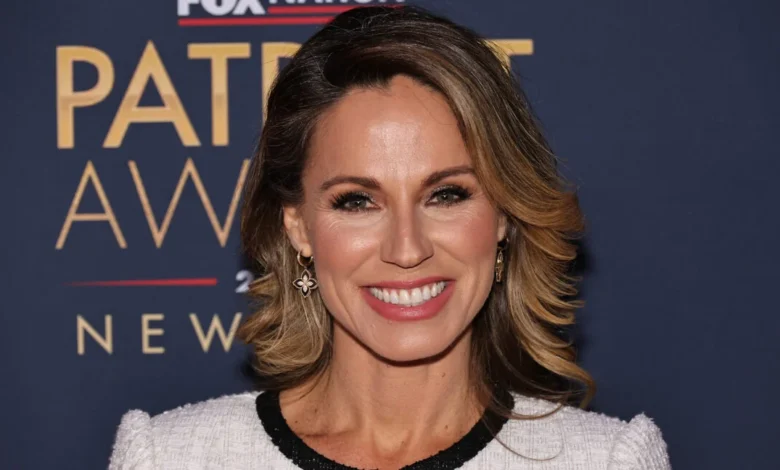
In a dramatic pivot on Thursday, President Trump announced the withdrawal of his nomination for Casey Means as Surgeon General, a move that followed significant skepticism from within the Republican Party regarding her qualifications and public health stances. The President wasted no time in unveiling a new nominee: Dr. Nicole B. Saphier, a respected breast radiologist at Memorial Sloan Kettering Cancer Center, a familiar face as a Fox News contributor, and the founder of an herbal supplement company, whose past statements have included questioning certain aspects of vaccine efficacy. The announcement, delivered via a series of characteristic social media posts, also featured a sharp rebuke of Senator Bill Cassidy (R-La.), whom Trump accused of obstructing Means’ stalled confirmation in the Senate.
The abrupt abandonment of Means’ candidacy, while swift, was not entirely unforeseen. Dr. Means, a physician trained at Stanford University, had faced a challenging path since her confirmation hearing before the Senate Health, Education, Labor, and Pensions (HELP) Committee in February. Senator Cassidy, who chairs the HELP Committee, had emerged as a key figure in expressing reservations, alongside several other Republican lawmakers. The doubts coalesced around two primary areas: her views on vaccines and her professional qualifications for the nation’s top public health role.
The Stalled Nomination of Casey Means: A Deep Dive into Reservations
Casey Means’ nomination was met with immediate scrutiny, largely due to her unconventional career trajectory and her prominent role within the "Make America Health Again" (MAHA) movement. While she holds a medical degree, a critical point of contention was her inactive medical license, stemming from her decision to drop out of her medical residency years prior. This meant that, had she been confirmed, she would have served as the country’s chief medical officer without the ability to actively practice medicine—a situation that raised eyebrows across the medical community and within the Senate.
During her contentious February confirmation hearing, Dr. Means frequently navigated questions regarding vaccines with caution, often sidestepping explicit endorsements of widely accepted, life-saving immunizations. Critics observed that she appeared careful to avoid directly contradicting the known anti-vaccine sentiments of Health Secretary Robert F. Kennedy Jr., a key proponent of the MAHA movement and a strong advocate for Means’s nomination. This perceived equivocation on a fundamental public health issue further solidified the reservations held by many senators, including those from her own party.
Since her departure from traditional medical practice, Means has cultivated a highly successful career as a wellness influencer, establishing herself as a leading voice within the MAHA movement. Her platform has involved promoting a range of diagnostic tests, herbal remedies, various wellness products, specialized teas, dietary supplements, and what she refers to as "elixirs." Accompanying these products, she has often provided health advice that some medical professionals have labeled as dubious or lacking in robust scientific evidence. Her influence is perhaps best encapsulated in the book Good Energy, which she co-authored with her brother. This publication, often dubbed the "MAHA bible" by adherents and critics alike, notably includes a chapter controversially titled, "Trust Yourself, Not Your Doctor." Such a philosophy directly challenges the foundational principles of evidence-based medicine and the established trust dynamic between patients and licensed healthcare providers.
The MAHA movement, championed by figures like Robert F. Kennedy Jr., represents a significant shift in health discourse, advocating for a more individualized, often naturalistic approach to health, frequently questioning the efficacy and safety of conventional medical treatments, pharmaceuticals, and particularly, vaccines. This movement has gained considerable traction among segments of the population disillusioned with mainstream medicine, contributing to a broader climate of vaccine hesitancy and skepticism towards public health institutions.
The Political Fallout and Trump’s Scathing Critique
President Trump’s withdrawal statement was unsparing in its criticism of Senator Bill Cassidy. In a social media post addressing Means’s failed nomination, Trump labeled Cassidy "a very disloyal person" who "stood in the way of Robert F. Kennedy Jr.’s Nominee, Casey Means." The President then sought to clarify the chain of command, stating, "I nominated Casey, a strong MAHA Warrior, at the recommendation of Secretary Kennedy, who understands the MAHA Movement better than anyone, with perhaps the possible exception of ME!" This statement not only underscored the deep alignment between Trump, Kennedy, and the MAHA philosophy but also highlighted the President’s personal investment in the nomination and his frustration with congressional oversight. Trump concluded his remarks by thanking Means and asserting that she would continue her fight for the MAHA movement, signaling ongoing support despite the setback.
Senator Cassidy, a physician himself, has maintained a professional stance throughout the confirmation process. While he has not publicly gloated over the withdrawal, his consistent questioning of Means’s qualifications and public health views during the HELP Committee hearing demonstrated a commitment to ensuring the Surgeon General nominee possesses unimpeachable scientific credibility and a clear alignment with established public health principles. His actions are largely seen as upholding the Senate’s constitutional role of advice and consent, particularly when evaluating nominees for critical public health positions.
Introducing Nicole B. Saphier: A New Direction?
The pivot to Nicole B. Saphier marks a shift, yet not necessarily a complete departure from the administration’s broader approach to health. Dr. Saphier brings a different set of credentials and public recognition to the table. As a board-certified breast radiologist at Memorial Sloan Kettering Cancer Center, one of the world’s leading cancer treatment and research institutions, she possesses a strong foundation in conventional medicine. Her regular appearances as a medical contributor on Fox News have also given her a significant public profile, making her a familiar and articulate voice on health-related topics for a conservative audience.
However, Dr. Saphier’s nomination is not without its own potential complexities. Her entrepreneurial venture, an herbal supplement company, aligns her somewhat with the broader wellness industry, though distinct from Means’s more expansive embrace of alternative remedies. More significantly, the original news indicated she "has questioned vaccines." While the specifics of her past statements would undoubtedly be a focal point of any future confirmation hearings, this aspect immediately raises concerns for public health advocates and medical organizations, particularly in an era marked by the resurgence of vaccine-preventable diseases and persistent challenges related to vaccine hesitancy. The scientific consensus on vaccine safety and efficacy is overwhelmingly strong, and any nominee for Surgeon General is expected to be a clear and unequivocal advocate for evidence-based immunization practices.
The Role of the Surgeon General: History and Expectations
The Surgeon General of the United States holds a unique and vital position, often referred to as "the Nation’s Doctor." This office, established in 1871, serves as the operational head of the U.S. Public Health Service Commissioned Corps and is the leading spokesperson on matters of public health in the federal government. Historically, Surgeons General have been critical in shaping public health policy, from leading campaigns against smoking to advocating for HIV/AIDS awareness and promoting vaccination.
Key responsibilities include advising the public on how to improve their health, issuing reports on public health threats, and promoting scientific literacy regarding health issues. The position requires not only a strong medical background but also exceptional communication skills and, crucially, an unwavering commitment to evidence-based science. Past Surgeons General, such as C. Everett Koop, have demonstrated the profound impact the office can have when its occupant commands widespread respect for their scientific integrity and ability to bridge political divides in the name of public health. Any nominee, therefore, is expected to embody these qualities and serve as a beacon of scientific truth, particularly on issues that impact the entire population, such as infectious disease prevention.
Implications for Public Health and Political Landscape
The withdrawal of Casey Means and the nomination of Nicole B. Saphier carry significant implications for public health policy and the broader political landscape. The initial nomination of Means, a figure closely associated with the MAHA movement’s skepticism towards mainstream medicine and vaccines, signaled a potential radical shift in the public health messaging emanating from the highest levels of government. Her inability to garner sufficient support, even within a Republican-controlled Senate committee, underscores the enduring importance placed on traditional medical qualifications and a clear stance on evidence-based public health principles by many lawmakers.
Saphier’s nomination, while representing a more conventional medical background than Means, will still likely face intense scrutiny, particularly regarding her past comments on vaccines. Should she be confirmed, her tenure would be closely watched by public health organizations, the scientific community, and advocacy groups. The administration’s choice of Surgeon General sends a powerful message about its priorities in health care and its approach to scientific integrity. A Surgeon General who expresses reservations about established vaccine science could further exacerbate vaccine hesitancy, complicate efforts to control infectious diseases, and potentially undermine public trust in official health guidance.
For the Republican Party, the episode highlights internal tensions regarding health policy. While a segment of the party aligns with the MAHA movement and skepticism towards certain aspects of conventional medicine, there remains a strong contingent, like Senator Cassidy, who prioritize traditional scientific rigor and established public health expertise. The President’s direct attack on Cassidy also signals a willingness to challenge members of his own party who do not fall in line with his preferred nominees or ideological leanings.
The broader wellness industry, which has seen exponential growth in recent years, also watches these developments closely. The MAHA movement, as a political manifestation of certain wellness philosophies, sought to gain a significant foothold in federal health policy through Means’s nomination. While that specific attempt failed, the nomination itself highlighted the increasing political influence of this sector and its potential to shape public discourse on health.
Chronology of Events:
- Early 2026: President Trump nominates Casey Means, a prominent "Make America Health Again" influencer, as Surgeon General, reportedly at the strong recommendation of Health Secretary Robert F. Kennedy Jr.
- February 2026: Means undergoes a confirmation hearing before the Senate Health, Education, Labor, and Pensions (HELP) Committee, chaired by Senator Bill Cassidy (R-La.). During the hearing, senators raise concerns about her inactive medical license, her decision to drop out of residency, and her evasive answers regarding vaccines.
- March 2026: Reports emerge that Means’s nomination is stalled in the Senate, with several Republican lawmakers, including Senator Cassidy, expressing significant reservations about her qualifications and views. Concerns center on her public health stances, particularly on vaccines, and her promotion of alternative health products and advice.
- Thursday, March 2026 (specific date not provided in original): President Trump announces via social media posts that he has withdrawn Casey Means’s nomination. He publicly lashes out at Senator Bill Cassidy, calling him "disloyal" for obstructing the nomination. In the same series of posts, Trump immediately announces his new nominee for Surgeon General: Dr. Nicole B. Saphier, a breast radiologist, Fox News contributor, and founder of an herbal supplement company, noting her past questioning of vaccines.
As the political chess match continues, the focus now shifts to Dr. Saphier and the arduous Senate confirmation process that awaits her. Her ability to articulate a clear, evidence-based stance on critical public health issues, particularly vaccination, will be paramount in determining whether she can secure the necessary bipartisan support to become the nation’s next Surgeon General. The outcome will undoubtedly set a precedent for the intersection of political ideology, scientific consensus, and public health leadership in the coming years.