The ongoing conflict in the Middle East reached a precarious new inflection point on Monday as Houthi-affiliated forces issued a direct threat to civil aviation, declaring Saudi Arabian airspace a legitimate theater for military operations. This escalation, coming alongside a renewed ground offensive by the Saudi-backed Yemeni government, has cast a long shadow over the region’s stability, further straining the already fragile global energy supply chain. The announcement from the Houthis’ Humanitarian Operations Coordination Center (NOCC) marks a significant widening of the war’s geographic scope, effectively placing commercial air traffic in the crosshairs of a conflict that has been simmering since joint U.S.-Israeli strikes against Iran commenced in late February.
The Houthi declaration, which explicitly warned international airlines that Saudi skies are now considered "unsafe," serves as a stark reminder of the non-state actors’ intent to disrupt not just maritime routes, but the broader logistical infrastructure of the Kingdom. "For the safety of civil aviation, we warn airlines operating in the skies of Saudi Arabia that they are unsafe as long as the Saudi aggression against our country continues," the NOCC stated. The group further absolved itself of any responsibility for potential incidents, characterizing the airspace as a tactical zone for its armed forces.
The Ground War and the Battle for Sanaa
This aviation threat coincides with a surge in kinetic activity on the ground in Yemen. On Monday, the Saudi-backed Yemeni government announced a major strategic offensive aimed at retaking the capital city of Sanaa, which has been under Houthi control for over a decade. Majed Al-Nazili, spokesman for the Yemeni armed forces, confirmed via social media that the military had begun a "strategic offensive operation" to reclaim the urban center.
The response from the ground was immediate and bloody. Houthi-aligned media, specifically Al-Masirah TV, reported that Saudi-led coalition strikes in the Bani Hashish area resulted in civilian casualties, including the death of a female student. These reports of civilian harm provide a harrowing backdrop to the government’s claim of a broad, surgical offensive. In a parallel development, the Yemeni military reported launching over 1,000 strikes targeting Houthi artillery, supply lines, and logistics assets. While the military claimed to have successfully retaken the critical Bab el-Mandeb Strait—a vital artery for global shipping—Houthi-affiliated sources have vehemently denied these reports, suggesting that the reality on the ground remains highly fluid and contested.
Maritime Chokepoints and the Global Energy Crisis
The geopolitical friction has manifested most acutely in the region’s maritime chokepoints. The Strait of Hormuz, through which approximately one-fifth of the world’s oil and gas transited prior to the outbreak of hostilities, remains the primary friction point. On Monday, the U.K. Navy’s Maritime Trade Operations (UKMTO) reported that a tanker was forced to turn back after being threatened by the Iranian Revolutionary Guard Corps (IRGC). This incident follows a weekend report of a separate vessel sustaining damage from explosions near the Bab el-Mandeb Strait, underscoring the persistent danger to commercial shipping.
These maritime threats have left the global energy market in a state of high volatility. Amin Nasser, the chief executive of Saudi Aramco, addressed the Energy Intelligence Forum in London on Monday, offering a sobering assessment of the situation. He described global oil stockpiles as being "scarily thin," warning that the system is currently under extreme strain. His comments arrived on the heels of reports that oil flows from the Middle East had actually surpassed pre-war levels last week, a recovery that market analysts attribute to the use of alternative pipeline routes, such as the East-West Crude Oil Pipeline in Saudi Arabia.
However, the reliability of these pipelines is increasingly questioned. On Sunday, reports emerged of another strike on the East-West pipeline at a pumping station near Khurais, east of Riyadh. While initial reports from an energy sector source suggested the pipeline had been rendered inoperable, subsequent statements from Reuters and Bloomberg indicated that flows were continuing, highlighting the "fog of war" that now obscures critical infrastructure data.
Diplomatic Impasse and the Path Forward
The diplomatic channel for resolving the broader U.S.-Iran conflict appears largely frozen. Iranian Foreign Minister Abbas Araghchi reaffirmed on Sunday that there is no military solution to the conflict, rejecting the efficacy of further sanctions or military strikes. "If our enemies again choose the path of military confrontation, our response will be stronger than before," Araghchi warned.
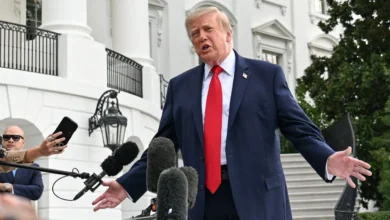
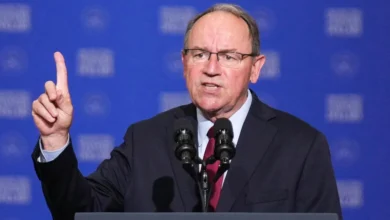
The U.S. stance, articulated by Energy Secretary Chris Wright, remains focused on the long-term objective of preventing a nuclear-armed Iran. Speaking on "Face the Nation," Wright defended President Trump’s decision to initiate the war, acknowledging the short-term economic pain caused by energy price spikes but emphasizing that the administration views a nuclear-armed Iran as an existential threat to global stability and energy pricing. When pressed on the domestic impact, specifically the rising cost of gasoline ahead of the midterm elections, Wright expressed confidence that prices would trend downward, citing increased supply throughput and the conclusion of peak travel seasons.
Analysis: The Strategic Calculus
The current crisis represents a complex layering of local, regional, and global conflicts. The Houthi threat to civil aviation is likely a strategic attempt to force a diplomatic concession from Riyadh by expanding the cost of the conflict into the domain of international business and travel. By threatening the skies, the Houthis hope to exert pressure that the ground war alone has failed to provide.
For the international community, the situation is increasingly unsustainable. While data from the maritime tracking firm Kpler indicates that regional oil exports have shown resilience—with 40% of shipments now bypassing the Strait of Hormuz entirely—this adaptation has not mitigated the underlying security risks. The reliance on pipelines, which are themselves becoming primary targets, suggests that the "resilience cushion" mentioned by Amin Nasser is indeed brittle.
The conflict, which began with U.S. and Israeli operations in February 2026, has evolved from a targeted strike campaign into a protracted war of attrition. The failure of both sides to reach a consensus on the reopening of the Strait of Hormuz—with Iran demanding an end to sanctions and the U.S. demanding a cessation of maritime harassment—suggests that the status quo of high prices and localized violence may persist for the foreseeable future.
Chronology of Escalation (September-October 2026)
- September 1–11: U.S. military operations against Iranian naval assets continue; Iran initiates a blockade of the Strait of Hormuz.
- September 11–22: Saudi Arabia closes the East-West pipeline due to security concerns, causing a temporary spike in global oil prices.
- September 25: Reports confirm that oil exports, excluding Iranian output, have begun to recover, though the security environment remains high-risk.
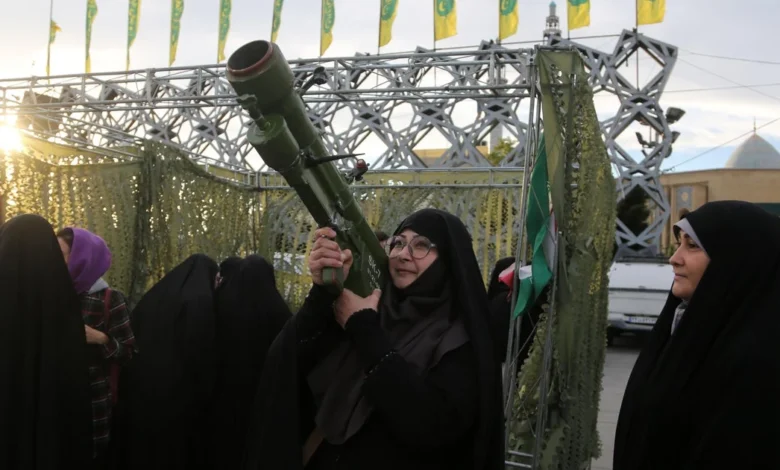
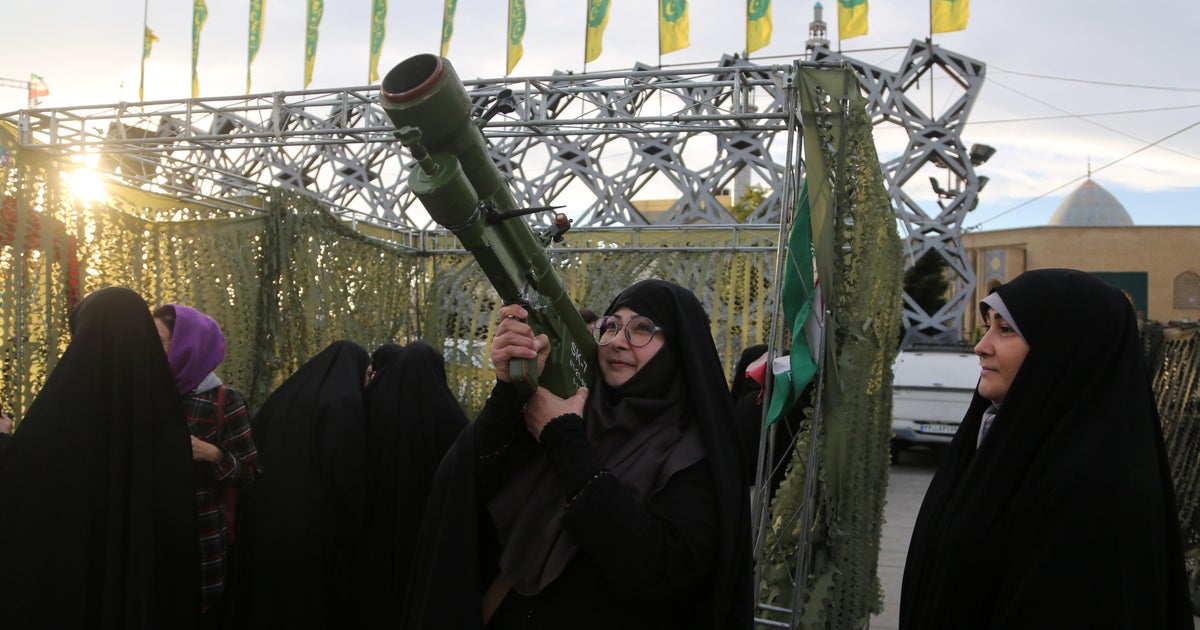
- October 4: Iranian military drills are observed in Tehran; a tanker is reported attacked in the Bab el-Mandeb Strait.
- October 5: Yemeni government announces a major offensive on Sanaa; Houthis threaten civil aviation in Saudi airspace; Iran reviews U.S. counterproposals for the Strait of Hormuz.
As the conflict enters the final quarter of the year, the interconnectedness of regional stability and global economic health has never been more apparent. With the Yemeni government betting on a decisive ground victory to tilt the diplomatic scales and the Houthis responding with asymmetric threats to civilian infrastructure, the potential for further, uncontrolled escalation remains high. The international community now watches with apprehension, waiting to see if the proposed negotiations will yield a framework for peace, or if the region is destined for an even deeper, more destructive phase of warfare.
Related posts: