
Luke Littler Darts World Championship Final
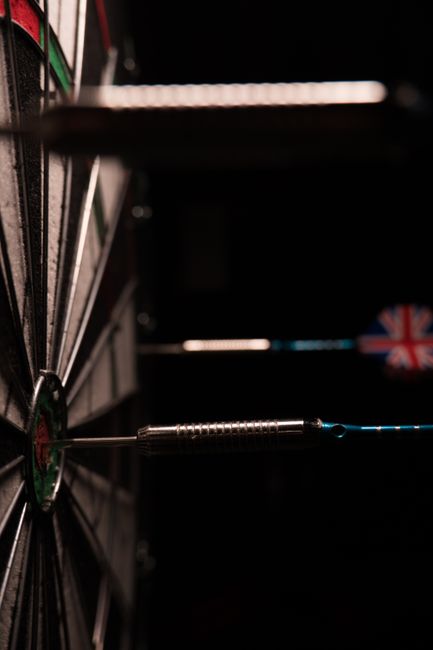
Luke Littler’s Unforgettable PDC World Darts Championship Final: A Star is Born
The PDC World Darts Championship final in early 2024 was more than just a match; it was a seismic event in the sporting world, announcing the arrival of a bona fide superstar in Luke Littler. The then 16-year-old phenomenon, nicknamed "The Nuke," captured the imagination of millions with his audacious darting prowess and unflappable demeanor on the Alexandra Palace stage. His journey to the final, culminating in a showdown against the reigning world champion, Luke Humphries, was a narrative of unprecedented talent, youthful exuberance, and the intoxicating drama that only professional darts can deliver. This article will delve into the extraordinary circumstances surrounding Littler’s historic run, the tactical battles within the final, the broader implications of his performance, and what this means for the future of darts.
Littler’s path to the final was nothing short of miraculous, marked by a series of breathtaking displays that defied his tender age. He entered the tournament as an unseeded underdog, ranked outside the top 100, but quickly dispelled any notions of a fleeting presence. His opening-round victory against Christian Kist set the tone, showcasing his aggressive scoring and remarkable finishing. What followed was a procession of scalps, each more impressive than the last. He dismantled seasoned professionals with a maturity that belied his years, demonstrating an innate understanding of the game and an uncanny ability to perform under immense pressure. His doubles, a crucial element of darts, were particularly potent, consistently finding the trebles and doubles with unerring accuracy, often under the daunting gaze of a packed arena.
One of the most compelling aspects of Littler’s World Championship campaign was his seemingly boundless confidence. Unlike many young athletes who might crumble under the spotlight of such a prestigious event, Littler embraced it. His pre-match interviews, where he’d casually mention his love for kebabs and his ambition to become world champion, became as much a talking point as his darting skills. This raw, unvarnished personality endeared him to a global audience, transcending the traditional darts fanbase and attracting a new generation of followers. He played with a freedom and joy that was infectious, a stark contrast to the often stoic demeanour of his more experienced opponents. This youthful exuberance was a breath of fresh air and contributed significantly to the narrative of his rise.
The final itself, against fellow Englishman Luke Humphries, was a highly anticipated clash. Humphries, the number one seed and a strong favourite, represented the established order, while Littler embodied the thrilling emergence of a new force. The match unfolded as a fascinating tactical battle. Humphries, known for his relentless scoring power and exceptional finishing, brought his A-game. He unleashed powerful bursts of treble 20s, forcing Littler to constantly respond. However, Littler, far from being intimidated, met Humphries’ challenge head-on. He matched Humphries’ scoring in key moments, demonstrating that his own scoring prowess was not a fluke but a genuine asset.
The ebb and flow of the final were captivating. Both players traded sets, with neither able to establish a decisive advantage in the early exchanges. Littler’s ability to stay with Humphries, particularly on the doubles, was crucial. He showcased his nerve by taking out crucial checkout legs, often under immense pressure, preventing Humphries from building momentum. The crowd was on the edge of their seats, roaring with every maximum checkout and every crucial double. The atmosphere in Alexandra Palace was electric, a testament to the high-quality darts being played and the compelling storylines unfolding.
Humphries, to his credit, also played an exceptional match. He utilized his experience and predatory instincts, but found himself consistently challenged by Littler’s resilience. The narrative often focused on Littler’s age, but it was his performance, his darting skill, that truly dictated the drama. He wasn’t just a feel-good story; he was a genuine contender, pushing the world number one to his absolute limit. The psychological battle was as intense as the physical one, with both players trying to gain an edge.
The turning point in the final, and indeed in Littler’s meteoric rise, came in his semi-final victory over Rob Cross. This match, a dominant 6-2 win, showcased Littler at his absolute best. He averaged well over 100, hit multiple 180s, and took out some sensational checkouts. This performance solidified his status as a legitimate contender and set the stage for the grand final. The mental fortitude displayed in that semi-final was arguably more significant than any other single aspect of his run. To perform at such a high level against a former world champion, in a high-pressure semi-final, was a testament to his incredible mental strength.
The implications of Luke Littler’s performance at the PDC World Darts Championship are far-reaching. Firstly, he has undoubtedly revitalized the sport, attracting a new demographic of fans who were drawn to his personality and his unbelievable talent. His social media presence and his relatable persona have made darts more accessible and appealing to a younger audience. This influx of new interest is invaluable for the long-term growth and sustainability of professional darts. He has demonstrated that success in darts is not solely the domain of seasoned professionals and has opened the door for other young talents to dream big.
Secondly, Littler’s performance has put immense pressure on the established order within professional darts. He has shown that age is no barrier to elite performance and has raised the benchmark for what is expected from aspiring professionals. His journey will undoubtedly inspire countless young players around the world to dedicate themselves to the sport, knowing that with talent and hard work, anything is possible. The PDC will likely see a surge in participation numbers at junior levels following this championship.
From a commercial perspective, Littler’s rise is a goldmine for sponsors. His broad appeal, coupled with his electrifying darting displays, makes him an incredibly marketable athlete. Expect to see "The Nuke" adorning advertising campaigns across various sectors, further amplifying his influence and the reach of the sport. His unique blend of boyish charm and professional killer instinct is a powerful marketing combination.
The final itself, while ultimately a victory for Luke Humphries, was a profound moment for Luke Littler. He may not have lifted the coveted Sid Waddell Trophy on this occasion, but he undoubtedly won the hearts of millions. His runner-up finish, at just 16 years old, is a feat that will be etched in sporting history. It’s not about the one trophy he didn’t win, but the indelible mark he left on the sport and the promise of what is to come. His performance in the final, despite the loss, showcased a champion in the making.
Looking ahead, the future of Luke Littler is incredibly bright. He has already proven he can compete at the highest level and has the mental fortitude to handle the pressures of professional darts. His continued development, under the guidance of experienced professionals and the support of the PDC, will be fascinating to watch. It is highly probable that he will go on to win multiple world championships and achieve legendary status in the sport. His trajectory suggests a career that will be defined by consistent excellence and further historic achievements.
The "Road to Ally Pally" for Luke Littler was an extraordinary chapter in the PDC World Darts Championship’s storied history. It was a narrative of talent, ambition, and the sheer joy of the game. His performance in the final was a testament to his skill, his nerve, and his remarkable potential. While the world championship title eluded him on this occasion, the 2024 final marked the definitive arrival of Luke Littler, a name that will undoubtedly resonate in the world of darts for years to come. He is no longer a surprise contender; he is a force to be reckoned with and a true sporting icon in the making. The world of darts eagerly awaits his next conquest, with the knowledge that they are witnessing the dawn of a new era.
