
An Early 19th Century Home With A Sense Of Fun
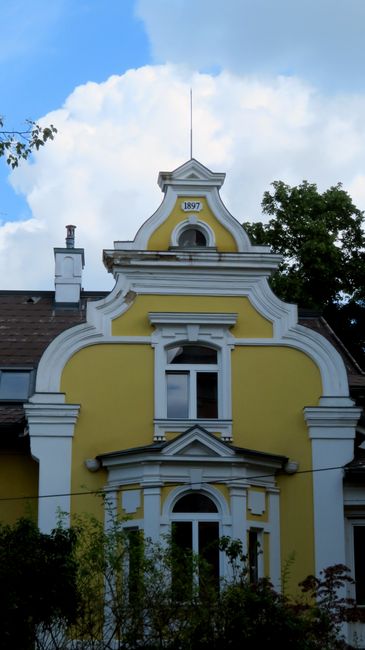
Whispers of Whimsy: Unpacking the Delightful Quirks of an Early 19th Century Home
Imagine stepping across a threshold not just into a house, but into a carefully crafted stage for life in the early 19th century, a period that wasn’t all starch collars and somber pronouncements. Far from it! Beneath the stoic facades and elegant proportions, these homes pulsed with a surprisingly vibrant energy, a testament to inhabitants who understood the profound power of comfort, clever design, and a healthy dose of playful ingenuity. Forget the sterile museum exhibit; this is about embracing the spirit of the era, the subtle nods to comfort, and the unexpected delights that make an early 19th-century dwelling a truly enchanting place to call home.
One of the most immediate impressions of an early 19th-century home is its inherent sense of order, a reflection of the Enlightenment’s emphasis on reason and symmetry. Yet, within this framework, a profound understanding of human scale and comfort blossomed. Parlors, the heart of social life, were not merely grand stages for formal display but intimate spaces designed for conversation and connection. Think of the low-slung seating, often upholstered in rich velvets or chintz fabrics, encouraging a relaxed posture. The fireplace, a central, indispensable feature, was more than just a source of heat; it was the focal point of communal gathering, around which stories were shared, cards were played, and laughter echoed. The ingenious placement of windows, often large and numerous, flooded these rooms with natural light, creating an airy, welcoming atmosphere that countered any potential for gloom. These weren’t boxes designed for function alone; they were meticulously considered environments built to nurture the inhabitants.
The kitchens, often bustling hubs of activity, tell their own story of practical wit and surprising sophistication. While far from the streamlined efficiency of modern kitchens, they were remarkably well-equipped for their time. Large hearths, fitted with spits and cranes, allowed for elaborate roasting, while cast-iron pots and kettles simmered over open flames. But it’s the details that reveal the playful spirit. Imagine the satisfaction of using a well-designed dumbwaiter, a charming pulley system that transported food and drink between floors, saving weary servants endless trips up and down stairs. Or consider the ingenuity of built-in pantries, often with louvered doors to ensure airflow, keeping provisions fresh. These were spaces of labor, yes, but also spaces where culinary artistry could flourish, fueled by a deep appreciation for good food and the joy of sharing it.
Bedrooms, too, offered more than just a place to rest. The four-poster bed, a quintessential element, was not just about grandeur; its curtains provided crucial insulation against drafts and offered a sense of privacy and intimacy. But look closer, and you might find a hidden delight: a small, built-in writing desk, discreetly tucked away, suggesting quiet moments of contemplation or the clandestine penning of love letters. Window seats, often nestled within deep embrasures, provided cozy nooks for reading or simply gazing out at the passing world, a delightful invitation to pause and reflect. The emphasis was on creating personal sanctuaries, spaces that catered to individual needs for both rest and quiet engagement.
The very architecture of these homes often harbored subtle expressions of personality. While Georgian symmetry often dictated the outward appearance, subtle deviations could hint at the inhabitants’ tastes. The placement of a bay window, for instance, might suggest a desire for more light and a better view. The decorative elements, from intricate plasterwork ceilings to elegantly carved mantelpieces, were not merely applied ornamentation; they were often imbued with symbolic meaning, reflecting the owner’s aspirations, beliefs, or even a touch of playful vanity. Look for recurring motifs – acanthus leaves symbolizing abundance, or classical figures representing wisdom and virtue – and you’re not just looking at decoration, you’re glimpsing the owner’s inner world.
Storage solutions in early 19th-century homes reveal a delightful practicality born of necessity. Built-in cupboards and wardrobes were common, seamlessly integrated into the architecture to maximize space and maintain clean lines. But delve deeper, and you might find hidden nooks and crannies, cleverly concealed compartments for precious belongings or perhaps even a secret stash of illicit spirits! These architectural "Easter eggs" add a layer of intrigue and suggest a playful awareness of the desire for both order and a touch of private indulgence. The linen press, a tall, narrow cupboard specifically designed for storing folded linens, was an indispensable piece of furniture, a testament to the importance of domestic order and the meticulous upkeep of the household.
Lighting, a constant challenge before the advent of electricity, spurred significant innovation and a certain flair. While candles and oil lamps were the primary sources, their placement and the reflective surfaces around them were carefully considered. Gilt mirrors were strategically positioned to amplify light and create an illusion of greater space. The ornate chandeliers and sconces, far from being purely decorative, were functional works of art, designed to cast the most flattering and effective light. The very act of lighting a room became a ritual, a process of transforming shadows into an inviting glow.
The concept of "comfort" in an early 19th-century home was a nuanced affair. It wasn’t about the plush, temperature-controlled environments we take for granted. Instead, it was about adapting to the natural elements with a degree of grace. Drafts were understood, and clever solutions were employed. Heavy draperies, often made of thick fabrics like wool or velvet, served as insulation and helped to trap warmth. Rugs and carpets, though less common than today, were used to add warmth and absorb sound. The placement of furniture was also crucial, with seating often arranged to take advantage of sunlight or to be near the hearth. It was a form of proactive comfort, a thoughtful engagement with the environment rather than a battle against it.
The presence of specialized rooms speaks to a life that was both structured and rich in diverse activities. The library, for instance, was not just a repository for books but a sanctuary for intellectual pursuits and quiet reflection. Imagine sinking into a comfortable armchair, the scent of aging paper in the air, surrounded by the accumulated knowledge and stories of centuries. The music room, with its piano or harpsichord, was a space for artistic expression and social entertainment, where melodies would fill the air and provide a backdrop for elegant gatherings. Even the dedicated sewing room or study offered a quiet corner for focused work or personal pursuits, highlighting a respect for individual passions.
The exterior of these homes, while often adhering to classical proportions, could also betray a hint of individuality. A particularly ornate portico, a uniquely shaped window, or a meticulously designed garden could all speak to the owner’s taste and personality. The surrounding landscape was often an extension of the home, with gardens designed not just for beauty but for practicality, providing herbs, fruits, and vegetables for the household. The visual harmony between the house and its setting was paramount, reflecting a desire to live in concert with nature.
Ultimately, an early 19th-century home, when viewed through a lens of playful appreciation, reveals itself as a masterclass in thoughtful living. It’s a testament to a time when function and form were not in opposition but in elegant collaboration. The quirks and intricacies of these dwellings, from the ingenious storage solutions to the subtle nods to comfort and personal expression, invite us to imagine the lives lived within them – lives that were undoubtedly more engaged, more intentional, and perhaps, a little more whimsical than we might initially assume. These homes are not merely historical artifacts; they are enduring invitations to embrace a slower, more considered, and decidedly more delightful way of being.
